Can a Hammer Drill Be Used as an Impact Wrench
A rusted lug nut refuses to move, and the only tool nearby is a hammer drill. The question comes quickly: can a hammer drill be used as an impact wrench in this situation.
At first glance, the two tools may look similar, but their functions differ entirely.
A hammer drill uses forward, axial blows to shatter masonry while drilling, while an impact wrench uses rotational strikes to deliver extreme torque.
This distinction matters more than most DIYers realize.
Using a hammer drill for bolts and nuts can strip fasteners, damage sockets, or even compromise safety-critical assemblies. Wheel nuts, for example, require exact torque values to prevent roadside accidents.
Reports from transport safety boards note hundreds of annual incidents tied to improperly torqued wheel fasteners (source).
Understanding the limits of each tool prevents wasted effort and ensures both safety and efficiency.
This article explains the differences in mechanisms, torque requirements, and where substitution may work or fail.
By the end, you’ll know whether a hammer drill can serve in place of an impact wrench, and why a dedicated wrench remains the safer option.
Quick Answer — Where a Hammer Drill Fits (and Doesn’t)
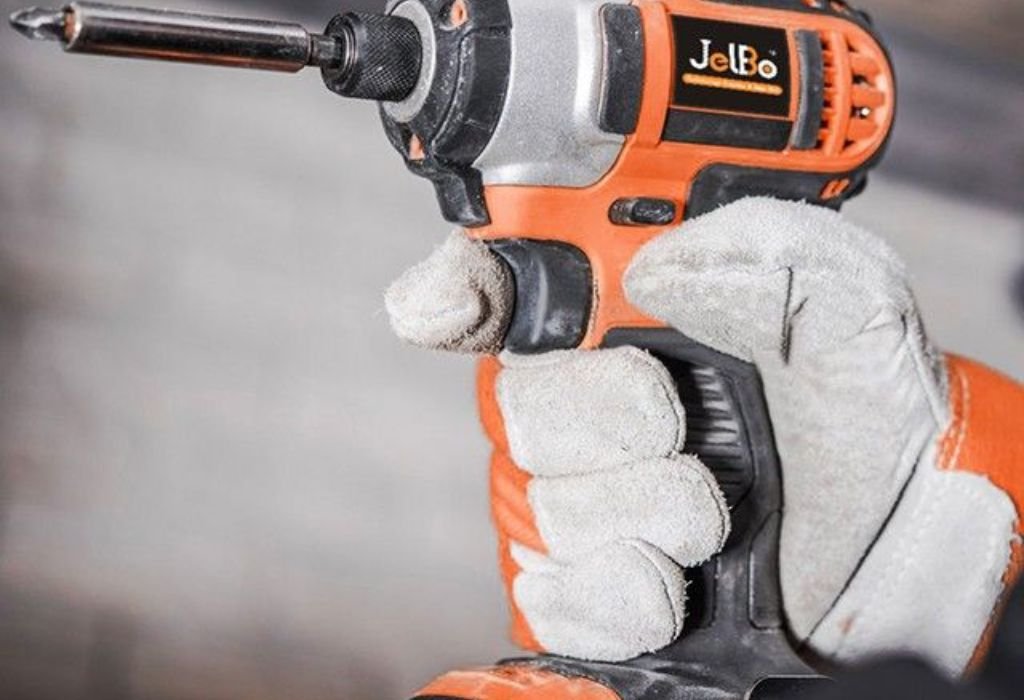
A hammer drill is built for masonry, not torque-heavy bolts. While it can handle screws or light lag bolts, it does not replace the high breakaway torque of an impact wrench.
In rare cases, it can spin small nuts or screws if paired with a proper adapter. But once fasteners require significant torque, the hammer drill will stall or damage the bit.
Many confuse the “hammering” of a hammer drill with that of an impact wrench. The hammer drill’s blows are forward thrusts, not rotational shocks, making it ineffective for loosening stubborn fasteners.
Even when adapters are used, risks increase. Chucks can slip, sockets may crack, and the tool itself is placed under stress.
Questions & Answers
- Can a hammer drill remove car lug nuts?
No, it lacks breakaway torque and a square drive system. - Can it drive structural screws?
Yes, but an impact driver is better suited. - Why does it fail on bolts?
Its hammering action is axial, not rotational. - Will an adapter make it work?
Only for light duty, with added risk. - What should finalize torque?
Always a torque wrench set to spec.
Mechanism 101 — Hammer Drill vs Impact Driver vs Impact Wrench
A hammer drill combines rotary motion with forward hammering, ideal for drilling holes in brick or concrete. Its impacts drive the bit into hard material but do little for torque.
An impact driver uses a spring-loaded hammer that strikes rotationally. This gives it better torque for screws and light bolts but still far less than an impact wrench.
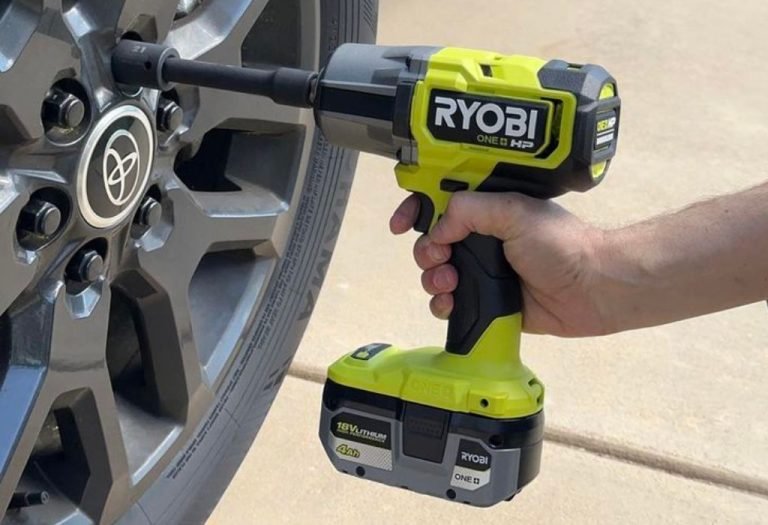
Impact wrenches use a hammer-and-anvil mechanism designed purely for torque. Each strike delivers rotational energy capable of breaking loose rusted or tightened bolts.
This design explains why professionals use impact wrenches in automotive, construction, and heavy machinery. They provide the strength needed where hammer drills cannot.
Questions & Answers
- Which tool makes rotational impacts?
Impact driver and impact wrench. - Which provides the most torque?
Impact wrench, often exceeding 1,000 ft-lb. - Why does a hammer drill rattle but fail on bolts?
Its impacts are axial, not rotational. - Is an impact driver a middle ground?
Yes, for screws and small bolts. - What interface do sockets need?
A square drive anvil with impact-rated sockets.
Torque Reality — Numbers, Ratings, and Expectations
Torque is the deciding factor between these tools. Vehicle lug nuts, for example, usually require 80–140 ft-lb of torque, with trucks needing much more.
A hammer drill delivers high RPM and axial blows but little rotational torque. Even with high voltage, it cannot reach the torque levels of impact wrenches.
Impact wrenches, by contrast, can deliver between 200 and 1,000+ ft-lb depending on size and power source. These torque spikes break rusted bolts free with efficiency.
Comparing hammer drill specs with wrench ratings is misleading. The hammer drill’s BPM (blows per minute) is not equivalent to torque output.
Questions & Answers
- How much torque do lug nuts need?
Usually 80–140 ft-lb for cars, more for trucks. - What torque does a hammer drill produce?
It provides axial blows, not high rotational torque. - Why can impact wrenches loosen rusted fasteners?
They deliver short, powerful torque spikes. - Does battery voltage matter?
Yes, but mechanism limits remain. - Are brand torque claims comparable?
Only within the same tool class.
Interfaces & Adapters — Chucks, Hex, and Square Drive
Hammer drills typically feature a keyed or keyless chuck designed to grip round or hex-shank bits. This is incompatible with sockets without adapters.
Adapters allow sockets to fit but add risk. The jaws of a chuck can slip under torque, causing sockets to fly loose or fasteners to round.
Impact drivers and wrenches solve this with proper drive interfaces. A 1/4″ hex for drivers and a 1/2″ square anvil for wrenches ensure secure socket fit.
Using the right interface ensures safety and tool longevity. Adapters may work in light duty but should never be relied upon for automotive or heavy fasteners.
Questions & Answers
- Can you put sockets on a hammer drill?
Yes, with an adapter, but it’s unsafe under high torque. - Why risky?
Chuck slippage and adapter twisting are common. - What’s a safer workaround?
An impact driver with socket adapters for light bolts. - For big fasteners?
Use a dedicated impact wrench. - Do sockets matter?
Yes, only impact-rated sockets should be used.
Use Cases — When a Hammer Drill Can Substitute
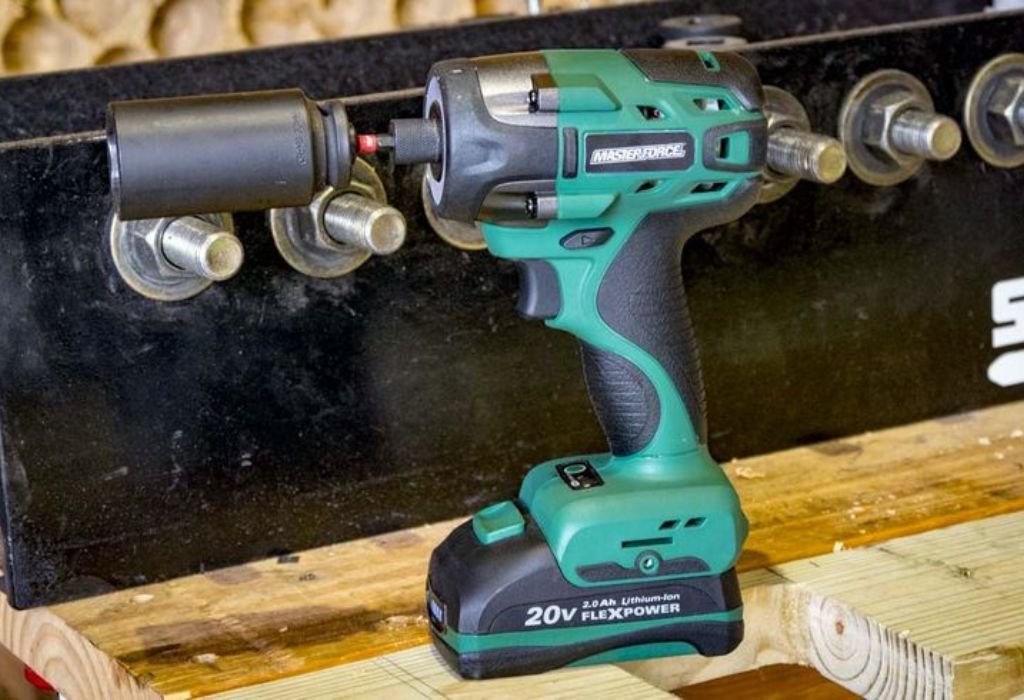
In light-duty fastening, a hammer drill may suffice. This includes driving small lag screws, spinning nuts before final tightening, or working on furniture bolts.
When paired with a torque wrench, a hammer drill can help start a job. It provides speed but not the accuracy or strength for final fastening.
For masonry jobs, it shines—drilling pilot holes for anchors and then lightly driving screws. However, switching to the correct tool ensures long-term reliability.
Field fixes are another example. In emergencies, a hammer drill with an adapter may help, but it should never replace an impact wrench in critical applications.
Questions & Answers
- Can it handle light duty?
Yes, with caution. - Can it pre-spin nuts?
Yes, then finalize with a torque wrench. - Can it loosen rusted bolts?
No, it lacks the needed torque. - Can it drive long screws?
Better done with an impact driver. - Masonry plus screws?
Yes, but not a wrench replacement.
When It’s Unsafe or Inefficient
Using a hammer drill on heavy bolts introduces risk. The lack of rotational torque often leads to slippage and damage.
Hardened fasteners, automotive lugs, and structural bolts are beyond its safe limits. Attempting these tasks can harm both the tool and the user.
Kickback is another danger. When a hammer drill binds, it can twist sharply, straining wrists or causing injury.
Sockets designed for impact may crack if driven by the wrong tool. Chrome sockets especially are unsafe under impact loads.
Questions & Answers
- Where is it most unsafe?
Automotive lugs and structural bolts. - Why do fasteners round off?
Insufficient torque and bit slippage. - Can chucks loosen mid-job?
Yes, increasing danger. - Is kickback a risk?
Yes, if the bit binds. - Best tool for heavy bolts?
A 1/2″ impact wrench.
Best-Practice Setup if You Must Use a Hammer Drill
If substitution is unavoidable, best practices reduce risk. Always use the clutch, set to low gear, and apply steady pressure.
Use only impact-rated sockets with adapters. Even then, this should be limited to light-duty tasks.
Grip the drill with two hands to control kickback. Protective equipment such as eye and ear protection is also critical.
Finally, never rely on a hammer drill for final tightening. Always use a torque wrench to confirm values.
Questions & Answers
- How to minimize damage?
Use clutch and lowest speed. - What sockets are safest?
Impact-rated sockets only. - How far should you tighten?
Just snug, then use a torque wrench. - What about stuck nuts?
Use penetrant and a real impact wrench. - Are adapters worth it?
Only for emergencies.
Tool Comparisons — Cordless, Pneumatic, and 12V
Cordless hammer drills often come in kits with impact drivers. This pairing covers most homeowner needs but excludes high-torque bolts.
Dedicated impact wrenches, however, handle automotive and construction work. They are built to apply the necessary torque without strain.
Pneumatic wrenches remain shop favorites. They deliver unmatched torque with consistent performance when air supply is available.
Compact 12V impact wrenches fill a niche. They are lightweight and ideal for tight spaces, though less powerful than 18V or pneumatic models.
Questions & Answers
- Best kit for DIYers?
A drill/driver plus impact driver. - Why add an impact wrench?
For heavy bolts and automotive work. - Are pneumatics still useful?
Yes, in shops with proper air supply. - Are 12V wrenches good?
Yes, for light-duty and compact spaces. - Is one tool enough for all?
No, tools must match the task.
Safety, Sockets, and Torque Verification
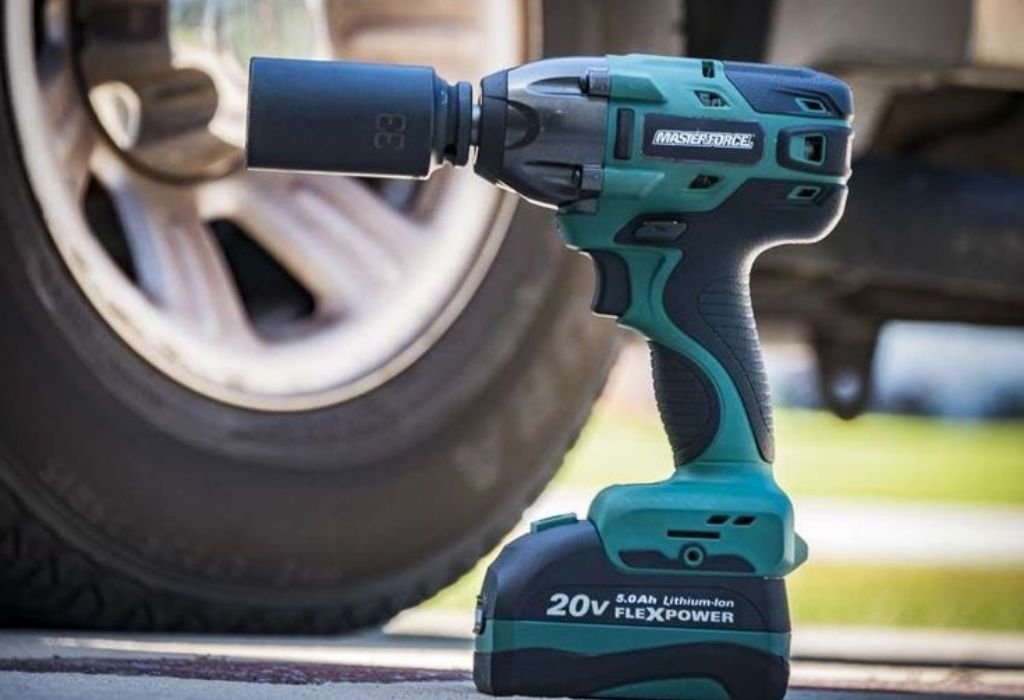
Safety cannot be ignored when using power tools. Eye and hearing protection are essential with percussive tools.
Sockets must always be impact-rated. Chrome sockets can fracture dangerously under stress.
Torque verification is a final step. Automotive wheels should always be checked with a calibrated torque wrench.
Following manufacturer guidelines on torque ensures reliability. Proper maintenance reduces risk of accidents caused by fastener failure.
Questions & Answers
- Minimum safety gear?
Glasses and hearing protection. - Can chrome sockets be used?
No, only impact sockets are safe. - Do wheels need re-torquing?
Yes, with a torque wrench. - Should threads be greased?
Follow OEM specifications. - Is calibration needed?
Yes, torque wrenches require calibration.
AEO-Friendly FAQ
- Can a hammer drill be used as an impact wrench?
Not for high-torque fasteners; it lacks rotational impact and a square anvil. - Will an adapter make it work?
Only for light duty, with risks. - What should be used on wheels?
An impact wrench plus torque wrench. - What if no wrench is available?
Use a breaker bar to loosen, then the drill for light spinning. - Best everyday pairing?
A hammer drill and impact driver, with a wrench for bolts.
Conclusion
So, can a hammer drill be used as an impact wrench? For small screws or light-duty fastening, it may substitute temporarily. For automotive lugs, structural bolts, or rusted fasteners, the answer is no.
The hammer drill’s axial impacts cannot replace the rotational torque of an impact wrench. Even with adapters, the risk of slippage and damage is high.
Best practice is clear: use each tool for its designed purpose. A hammer drill for masonry, an impact driver for screws, and an impact wrench for bolts.
Choosing the correct tool protects fasteners, prevents injuries, and ensures professional-quality results every time.

I’m Michael R. Turner, the founder, lead writer, and passionate DIY enthusiast behind 101diytools.com. With years of hands-on experience in home improvement and power tools, I built this platform to share practical tips, in-depth guides, and honest reviews to help DIYers of all skill levels tackle projects with confidence and the right tools.