Can a Circular Saw Cut Metal Safely and Accurately
Every DIY enthusiast reaches a moment when they wonder if their circular saw can do more than just slice through wood. The shiny surface of a metal sheet or aluminum bar sparks curiosity and a hint of hesitation.
Imagine standing in your garage with a project half-finished and realizing the only tool within reach is your circular saw. The temptation to test its power against metal feels strong, but the risk of sparks, dull blades, and possible damage stops you.
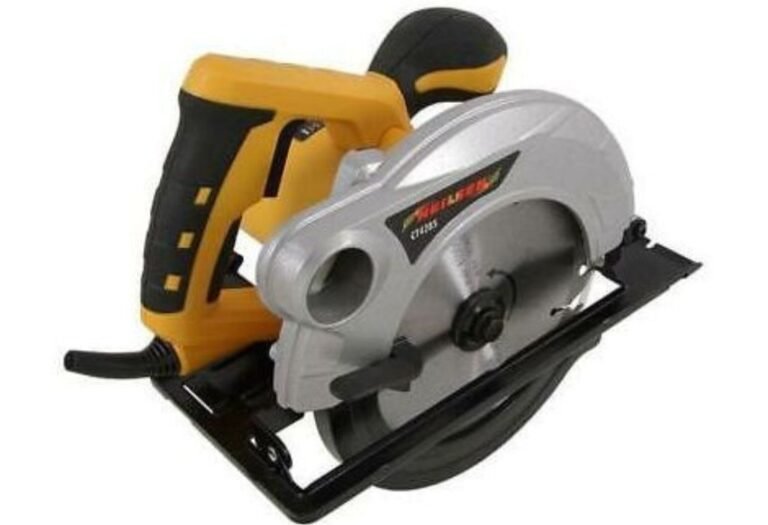
Circular saws are designed primarily for wood, but with the right setup, they can safely cut through certain metals. The key lies in understanding the limitations, choosing proper blades, and following strict safety rules.
According to a tool safety study, nearly 30% of circular saw accidents happen when users attempt to cut the wrong material. This shows how important it is to match the blade and technique with the task.
Metal cutting may seem intimidating, but modern technology and blade design have made it achievable even for home workshops. With a little preparation and care, your circular saw can become a versatile tool for both wood and metal projects.
This guide will teach you exactly when and how a circular saw can cut metal safely and efficiently. By the end, you will know how to handle metal cutting without sparks, damage, or fear.
Understanding the Limits of a Circular Saw
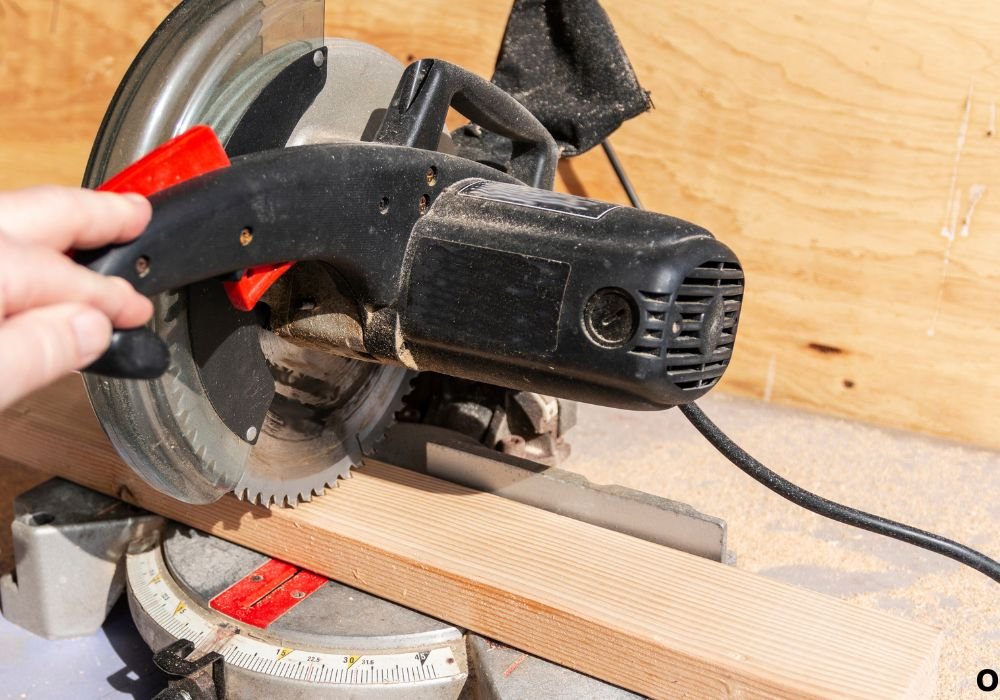
A circular saw is primarily built for cutting wood, but its powerful motor and spinning blade can also handle light metals under the right conditions. The trick is knowing which metals are safe and which are too tough for the tool.
The saw’s cutting ability depends on three factors: blade type, motor speed, and material thickness. When any of these are mismatched, the result can be sparks, binding, or blade damage.
Soft metals like aluminum, brass, or thin steel sheets are generally suitable for circular saws. However, thick or hardened metals can quickly overheat the blade and strain the motor.
Cutting metal produces more friction and heat than cutting wood. Without proper cooling or control, the blade can warp, lose sharpness, or even break.
The guard and base of most circular saws are designed for wood debris, not metal sparks. Using the wrong setup can melt parts or increase fire risk, so protective adjustments are crucial.
Understanding your saw’s power limits and metal compatibility is the first step to safe and effective cutting. Once you respect these boundaries, you can move forward with confidence and precision.
Choosing the Right Blade for Cutting Metal
The success of cutting metal with a circular saw depends entirely on the blade you use. A wood-cutting blade will burn, dull, or even break when forced through metal.
Metal-cutting blades are specially designed to handle heat, friction, and density. They often feature tungsten carbide or cermet-tipped teeth that stay sharp and cool under pressure.
Abrasive blades can cut through steel or iron but wear out quickly and generate excessive sparks. For cleaner results, use carbide-tipped blades that provide longer life and smoother finishes.
When selecting a blade, pay attention to the teeth-per-inch (TPI) rating. A higher TPI means finer cuts, while lower TPI blades cut faster but rougher, suitable for thick metal.
Check the RPM compatibility printed on the blade before installing it. A mismatch between the saw’s speed and the blade’s rating can lead to overheating or sudden breakage.
Investing in a high-quality metal blade is the smartest upgrade you can make for your circular saw. The right blade ensures safety, precision, and durability while expanding what your tool can do.
Preparing the Saw and Workspace for Metal Cutting
Before you cut metal with a circular saw, preparation is everything. A safe, organized workspace prevents accidents and ensures a clean, accurate cut.
Start by clearing the area of sawdust, flammable materials, and clutter. Metal sparks can easily ignite debris or cause burns if they land on wood or fabric.
Use sturdy clamps or a vice to secure the metal piece in place. Keeping the material stable prevents vibration, kickback, and uneven cuts during operation.
Wear proper protective gear, including safety goggles, ear protection, gloves, and a long-sleeved shirt. Cutting metal can produce sharp fragments, loud noise, and flying sparks that require full protection.
Make sure your circular saw is clean, lubricated, and equipped with a suitable metal-cutting blade. Check that the blade guard and safety lock are working properly before starting.
A well-prepared saw and workspace make metal cutting smooth, efficient, and safe. Taking a few minutes to set up properly can prevent costly mistakes and potential injuries.
How to Cut Metal with a Circular Saw Step-by-Step
Cutting metal with a circular saw is all about precision, patience, and preparation. Follow these steps to get clean, safe, and controlled cuts every time.
Start by marking your cutting line using chalk or a metal scribe. A clear, visible line helps you maintain accuracy throughout the cut.
Set the blade depth slightly deeper than the thickness of the metal sheet. This ensures the saw cuts through completely without straining the motor.
Position the saw so the blade starts just outside the marked line. Begin the cut slowly, allowing the blade to reach full speed before making contact with the material.
Maintain steady forward pressure without forcing the saw. Let the blade’s speed and teeth do the work while keeping your hands firmly on the handles.
After finishing the cut, let the blade stop spinning before lifting the saw away. Always inspect the blade afterward for heat marks or dull edges before using it again.
Best Metal Types You Can Cut with a Circular Saw
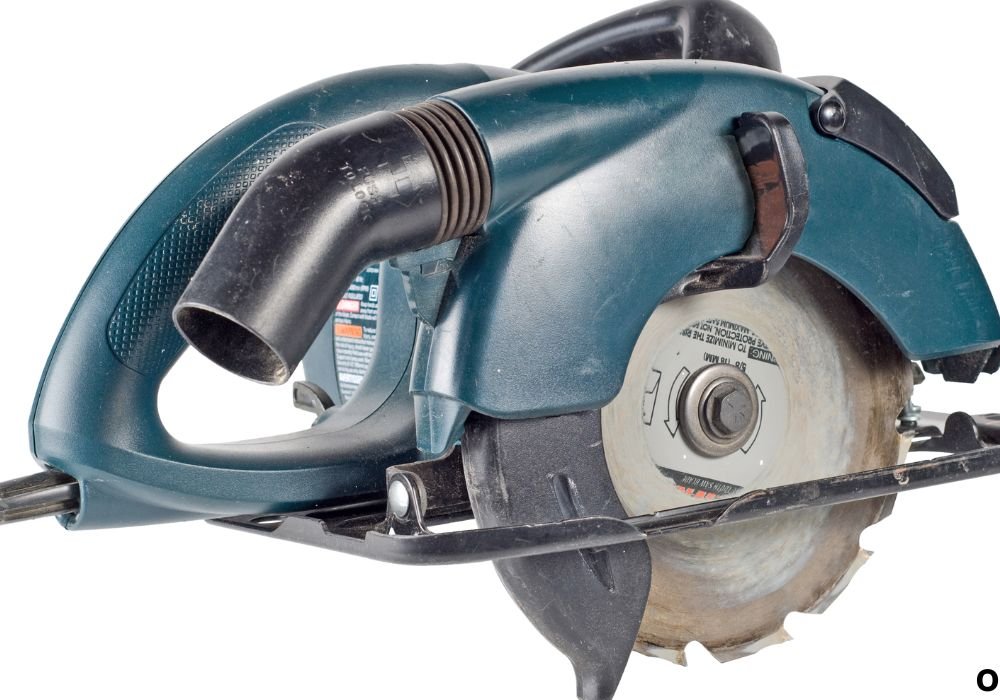
Not all metals are the same, and your circular saw handles some better than others. The key is knowing which types can be cut safely without damaging the tool.
Aluminum is one of the easiest metals to cut with a circular saw. It is lightweight, soft, and responds well to carbide-tipped blades designed for non-ferrous materials.
Mild steel sheets under one-eighth of an inch thick are also manageable. With a slower cutting speed and the right blade, you can achieve clean, spark-controlled cuts.
Galvanized steel and roofing panels can be cut effectively, though they may produce more burrs. Always use protective gear and clean edges afterward with a file.
Brass and copper are other workable metals that respond well to circular saws. Just be sure to use fine-tooth blades to prevent rough or jagged edges.
Avoid cutting hardened steel, stainless steel, or rebar. These materials are too dense and can cause blade overheating, warping, or motor strain.
Common Mistakes to Avoid When Cutting Metal
Many users damage their circular saws by overlooking simple precautions. Avoiding these mistakes ensures smoother cuts and longer tool life.
Never use a wood-cutting blade on metal. The teeth are not designed for hard materials and can break or overheat instantly.
Do not force the saw through the metal or rush the cut. Forcing increases friction, which dulls the blade and risks kickback.
Skipping proper safety gear is another major error. Sparks, metal shards, and loud noise can cause serious harm without protection.
Always clamp the material securely before cutting. A moving sheet or pipe can bind the blade and lead to accidents.
Lastly, do not ignore overheating signs such as smoke, burning smell, or discoloration. Allow the blade to cool between cuts to preserve its edge and performance.
Pro Tips for Safe and Smooth Metal Cuts
Professional metalworkers know that technique matters as much as the tool itself. The right habits will help you cut faster, cleaner, and with less wear on your saw.
Use a slower cutting speed when working with dense metals. This keeps the blade cooler and prevents sparks from overheating the motor.
Always keep a fire extinguisher or bucket of sand nearby. Even with careful work, sparks can ignite nearby debris or insulation.
Lubricate your blade occasionally with a few drops of cutting oil. It reduces friction, minimizes burrs, and extends blade life significantly.
Hold the saw firmly with both hands and maintain a balanced stance. Stability ensures smoother lines and better control during the entire cut.
After cutting, clean metal shavings off the saw immediately. Removing debris protects the vents and gears from buildup that could affect performance.
Frequently Asked Questions About Cutting Metal with a Circular Saw
1. Can a circular saw really cut metal?
Yes, it can cut soft and thin metals like aluminum, copper, and mild steel. The key is using a proper metal-cutting blade.
2. What blade should I use to cut metal with a circular saw?
Use a carbide-tipped or cermet-tipped metal-cutting blade. Avoid standard wood blades as they dull and overheat quickly.
3. Can a circular saw cut steel?
It can cut thin mild steel sheets under one-eighth of an inch. Thick or hardened steel should be avoided because it strains the motor.
4. Does cutting metal with a circular saw create sparks?
Yes, small sparks are normal. Keep your area clear of flammable materials and wear safety goggles.
5. Can I use a cordless circular saw for cutting metal?
Yes, but use lower speed settings and short cutting sessions. Cordless saws can overheat faster than corded ones.
6. Should I apply water or lubricant while cutting metal?
You can use cutting oil, but never water. Oil helps cool the blade and produces cleaner cuts.
7. Can I cut aluminum with a regular circular saw?
Yes, aluminum is soft enough for standard circular saws. Just use a fine-tooth blade and steady feed rate.
8. What safety gear should I wear when cutting metal?
Wear gloves, ear protection, long sleeves, and a face shield. Metal fragments can be sharp and extremely hot.
9. How do I prevent the blade from overheating?
Allow cooling breaks between cuts. Clean resin and debris regularly to keep airflow open around the blade.
10. Is it safe to cut galvanized steel with a circular saw?
Yes, but it releases fumes and sharp burrs. Work in a ventilated space and smooth the edges afterward.
11. How can I get a clean edge when cutting metal?
Use high-TPI blades and steady feed pressure. File or sand the edges afterward for a smooth finish.
12. Can cutting metal damage my circular saw?
Not if done correctly with the right blade and speed. Damage happens only when the tool is forced or overheated.
13. How thick of metal can a circular saw cut?
Most saws can handle up to one-eighth-inch sheet metal. Anything thicker should be cut with a metal-specific saw.
14. Should I remove the blade after cutting metal?
Yes, clean and store it separately to prevent corrosion. Inspect it before the next use to ensure it remains sharp.
15. Why is blade choice so important when cutting metal?
The blade determines heat, friction, and finish quality. A good blade ensures safety, precision, and long-lasting performance.
Conclusion: From Wood to Metal with Confidence
A circular saw can indeed cut metal, but only when used with the right blade, setup, and safety precautions. Understanding the limits of your saw is what keeps you both efficient and protected.
With the correct carbide or cermet-tipped blade, you can easily cut materials like aluminum, copper, and mild steel. These controlled cuts open the door to creative projects and professional results.
Preparation makes all the difference in safety and accuracy. A stable work surface, protective gear, and a clean environment help prevent sparks and uneven edges.
Proper technique and patience are your best allies when cutting metal. Letting the blade do the work reduces strain on the saw and produces cleaner, smoother lines.
Never overlook maintenance after a metal-cutting session. Cleaning the blade, checking for wear, and lubricating moving parts keep your saw in peak condition.
When handled with respect and care, a circular saw becomes a powerful all-purpose tool. With knowledge, practice, and safety, you can move confidently from wood to metal without hesitation.

I’m Michael R. Turner, the founder, lead writer, and passionate DIY enthusiast behind 101diytools.com. With years of hands-on experience in home improvement and power tools, I built this platform to share practical tips, in-depth guides, and honest reviews to help DIYers of all skill levels tackle projects with confidence and the right tools.