Best Type of Circular Saw for Beginners: Top Selection
Getting started on a DIY project should spark excitement—not trepidation of wielding a power tool that looks like it could run away. For many first-time tool buyers the challenge isn’t the wood or the cut, but selecting the best type of circular saw for beginners. The wrong choice can mean fatigue, wobbly cuts, and even safety risk.
Picture this: a new homeowner sets out to build a simple bookshelf. Armed with enthusiasm but little experience, the weight of a heavy saw becomes unwieldy, the cord tangles around tools, and the cut line slips off target. In contrast, the right saw feels like an extension of the arm—light, balanced, controllable. Studies show that blade size and ergonomics are key factors in beginner comfort and cut accuracy (see tool sizing guide).
Choosing a saw isn’t just about brand or price—it’s about fit. A saw that’s too large, too heavy or lacking safety features can slow progress and erode confidence. By contrast, a well-matched circular saw lets a beginner feel empowered, safe and precise on every cut. This guide will walk through what makes a circular saw truly beginner-friendly—from types, features and safety tips—to help you start smart, build skill, and maintain control with every project.
Why Choosing the Right Circular Saw Matters for Beginners
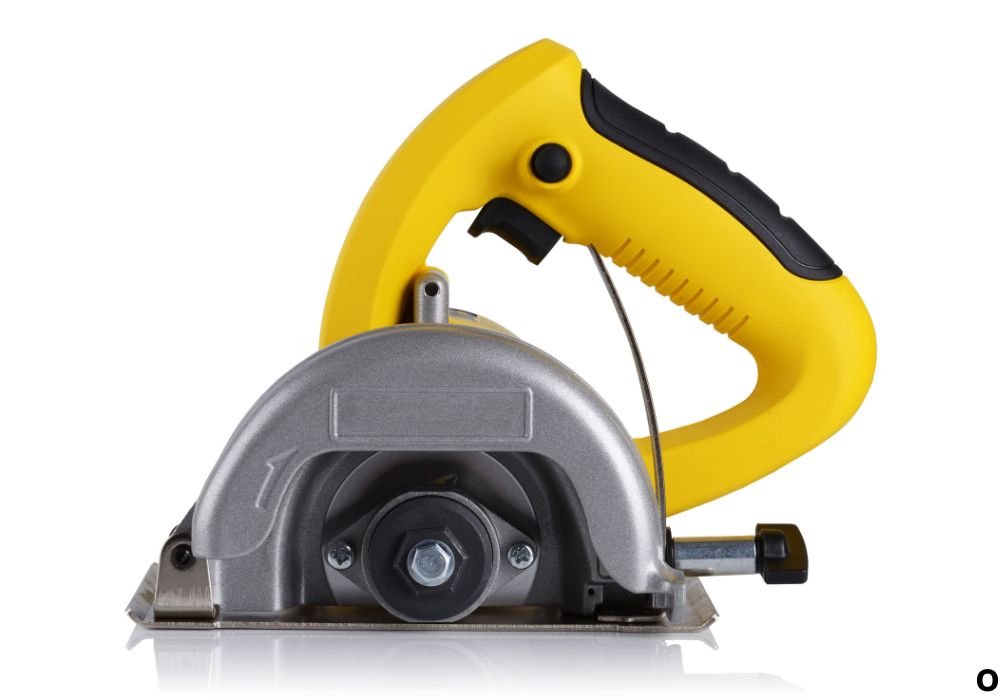
For beginners, power tools should build confidence—not fear. A circular saw that’s too large, too powerful, or unbalanced can make cutting awkward and even dangerous.
Many first-time DIYers underestimate how much control and visibility matter. A smaller, well-balanced saw lets you maintain your line easily and keeps fatigue low. It’s not about having the most power—it’s about precision and comfort.
Another key factor is safety. Features like electric brakes, blade guards, and sturdy base plates can prevent common beginner mistakes such as kickbacks and uneven cuts. The right saw doesn’t just help you cut wood—it helps you stay safe while learning.
What Are the Main Types of Circular Saws for Beginners
Circular saws come in a few primary types, each designed for different cutting styles and experience levels. Understanding them will help you pick a saw that matches your comfort zone.
Sidewinder (In-Line) Circular Saw
This is the most common and beginner-friendly type. The motor is mounted beside the blade, making the saw lightweight and easy to handle. It’s ideal for quick cuts, framing, or trimming boards.
Sidewinders are known for high RPMs (usually 5,000-6,000), meaning they cut smoothly with less vibration. Their compact shape makes them great for new users who want speed and simplicity without dealing with excess weight.
Worm-Drive Circular Saw
Worm-drive saws are heavier and more powerful. The motor sits behind the blade, using angled gears to create more torque. While professionals love them for cutting dense lumber, they’re not ideal for beginners due to their size and weight.
If you’re just starting out, a worm-drive may feel harder to control and can cause fatigue during longer cuts. Save this one for when you gain more experience.
Hypoid Circular Saw
A close cousin of the worm-drive, hypoid saws use spiral gears instead of worm gears. They’re quieter and need less maintenance but are still heavier than sidewinders. Beginners will appreciate their balance and durability once they’ve mastered lighter models.
Corded vs. Cordless Circular Saws
Corded saws offer constant power and are great for stationary workshop use. However, the cord can limit movement and may get in the way during projects.
Cordless saws, on the other hand, give you freedom to move. Modern lithium-ion batteries make them strong and long-lasting. For most beginners, a cordless saw with moderate voltage (18V or 20V) offers the best blend of power and portability.
Key Features to Look for in a Beginner Circular Saw
Selecting the best type of circular saw isn’t just about style—it’s about details that make cutting safer and smoother.
Blade Size and Cutting Depth
For beginners, the sweet spot is a 6½- to 7¼-inch blade. It’s large enough for most household projects but still easy to handle. Smaller blades are lighter and easier to control, while larger blades are heavier but can cut deeper materials.
A standard 7¼-inch saw cuts through 2-inch lumber in a single pass—perfect for home builds or carpentry tasks.
Weight and Ergonomics
A beginner’s saw should feel balanced and comfortable in both hands. Look for a model between 8–10 pounds. Heavier saws create fatigue and reduce control, while ultralight saws may vibrate more.
Ergonomic handles with rubber grips reduce hand strain and help maintain accuracy.
Safety Features
Beginner-friendly saws should always include:
- Electric Brake: Stops the blade within seconds after the trigger is released.
- Blade Guard: Shields your hand from debris and accidental contact.
- Safety Lock Switch: Prevents accidental start-ups.
- Bevel Lock: Holds the cutting angle firmly in place.
A saw with these features builds confidence while keeping you secure.
Ease of Adjustment
Beginners should look for saws with easy depth and bevel adjustments. A smooth lever or knob system helps you set precise cutting angles without fumbling. Clear measurement markings make a huge difference for clean results.
Power Source and Runtime
If you’re mostly working in one place, a corded model provides unlimited runtime. If you’ll be cutting outdoors or moving around, a cordless saw with long battery life (at least 4–5 Ah) offers convenience.
Price and Value
For beginners, balance cost and quality. You don’t need premium professional tools yet—just reliable performance and safety. Most entry-level circular saws between $70 and $150 offer excellent quality for new users.
Best Type of Circular Saw for Beginners – Our Recommendation
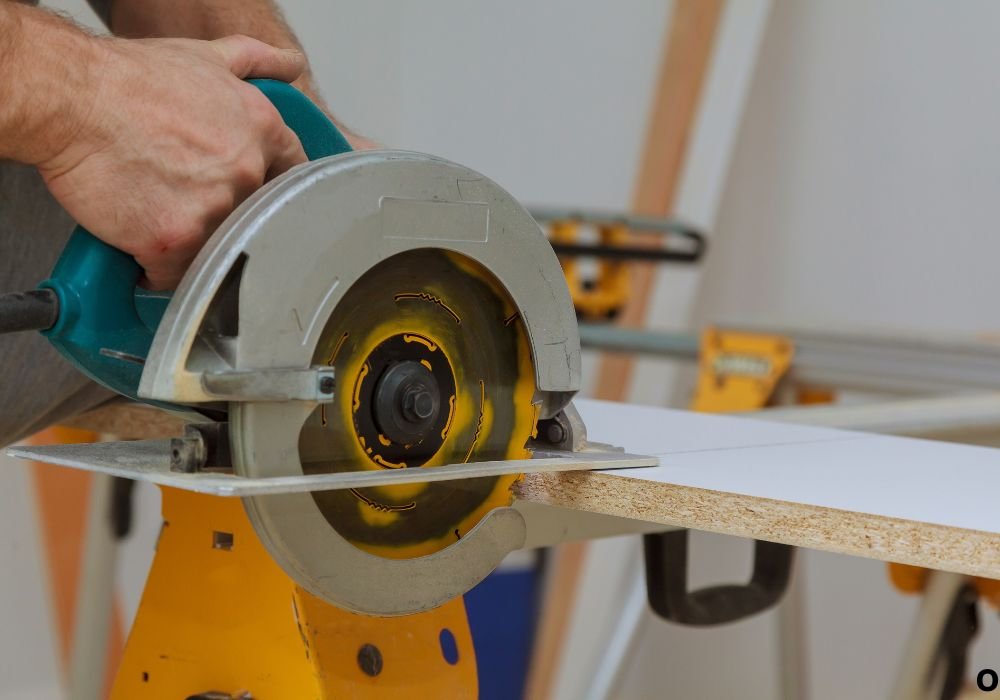
After comparing design, comfort, and learning curve, the sidewinder circular saw stands out as the best option for beginners.
It’s light, compact, and easy to guide. The side motor design ensures balance, and its higher blade speed delivers clean, precise cuts without jerking.
Pair it with a 7¼-inch blade and ergonomic handle, and you’ll have the perfect starter tool. Choose a corded sidewinder for workshop projects or a cordless one for flexible outdoor use.
This combination of portability, safety, and accuracy gives beginners the confidence to cut like pros.
How to Use Your First Circular Saw Safely and Effectively
Learning to handle your saw correctly is as important as picking the right one. Here are key tips every beginner should know:
- Use a steady stance. Keep your feet apart and body balanced.
- Two-hand control. Always use both hands for stability and to prevent twisting.
- Set the right blade depth. The blade should extend only about ¼ inch below the material.
- Keep the shoe flat. This prevents wobbling or binding mid-cut.
- Mark the line clearly. Use a pencil or chalk line for guidance.
- Avoid forcing the saw. Let the blade do the work; pushing too hard increases kickback risk.
- Clean after each use. Wipe off dust and debris to keep guards and vents clear.
With these habits, you’ll master control, accuracy, and safety in every project.
Budgeting and Buying Tips for Beginners
When buying your first circular saw, avoid overpaying for features you won’t use yet. Focus on reliability, comfort, and essential specs.
- Set a realistic budget. Around $80–$150 gets you excellent entry-level quality.
- Prioritize ergonomics. Test grip comfort before purchasing.
- Check brand support. Choose models with easily available replacement blades and parts.
- Include accessories. Straight edges, clamps, and safety gear are worth budgeting for.
- Skip luxury extras. Lasers, digital gauges, or pro-level torque are optional for beginners.
Remember, your first saw should teach control and accuracy—not overwhelm you with complexity.
Comparing Corded and Cordless Options for Beginners
Corded:
- Pros: Consistent power, no downtime.
- Cons: Less mobility, requires outlet access.
Cordless:
- Pros: Highly portable, easy to set up anywhere.
- Cons: Shorter runtime, battery costs.
If you plan most projects in your garage or workshop, a corded saw may serve you better initially. For outdoor work or limited space, a cordless model makes more sense.
Common Mistakes Beginners Should Avoid
- Using a dull blade: Always keep it sharp—dull blades burn wood and strain the motor.
- Skipping safety gear: Never cut without eye and ear protection.
- Cutting unsupported boards: Always secure material with clamps.
- Wrong depth settings: Too deep increases friction and kickback.
- Ignoring alignment: Keep the shoe edge along the guide line.
- Rushing cuts: Slow and steady yields accuracy and cleaner results.
Avoiding these errors will not only protect you but also extend your saw’s lifespan.
FAQs – Beginners Choosing a Circular Saw
What blade size should I start with?
A 7¼-inch blade is standard and handles most home projects.
Corded or cordless—which is easier?
Cordless is more convenient, but corded is simpler for long cutting sessions.
How powerful should my first saw be?
Look for at least a 12-amp corded or 18-volt cordless model for balanced performance.
Are expensive brands worth it?
Not necessarily. Mid-range models often offer the same safety and accuracy.
Can I upgrade blades later?
Yes, blade quality affects smoothness and cutting speed more than the saw itself.
What safety feature is a must?
An electric brake—it stops the blade quickly and adds control.
Should I start with a small or large saw?
Smaller, lighter saws are better for building confidence and precision.
Do I need a laser guide?
It’s helpful but not essential; mastering visual alignment is better long-term.
How do I maintain my saw?
Keep it clean, check screws, oil bearings occasionally, and store in a dry place.
When should I upgrade?
After 6–12 months of regular use, when you’re ready for more torque and features.
Conclusion – Start Smart, Stay Safe, Grow Your Skills
For any beginner stepping into woodworking or home renovation, the best type of circular saw combines balance, comfort, and safety. The sidewinder design with a mid-sized blade delivers the right mix of control and performance for first-time users.
Start small, focus on good cutting habits, and prioritize safety above speed. A well-chosen circular saw won’t just help you complete projects—it will inspire confidence in every cut you make.
Your first circular saw should feel like a trusted partner—powerful yet forgiving, precise yet simple. With the right tool in hand, every project becomes a chance to learn, improve, and create something truly your own.

I’m Michael R. Turner, the founder, lead writer, and passionate DIY enthusiast behind 101diytools.com. With years of hands-on experience in home improvement and power tools, I built this platform to share practical tips, in-depth guides, and honest reviews to help DIYers of all skill levels tackle projects with confidence and the right tools.