Are Latex Gloves Good for Electrical Work or Risky
A homeowner tightens a breaker screw wearing thin latex gloves, believing the rubber-like material offers protection. It seems logical, but in reality, this choice could prove dangerous.
The question often arises in DIY and professional settings: are latex gloves good for electrical work, or do they create a false sense of safety?
The truth is that latex disposables are not voltage-rated and are easily punctured, leaving wearers exposed to shock.
Electrical injuries remain a serious hazard. According to the U.S. Bureau of Labor Statistics, over 1,560 electrical injuries were recorded in U.S. workplaces in 2020, many of which required days away from work [BLS].
These incidents highlight the importance of proper protective equipment when working with energized systems.
Safety standards provide clear answers. Organizations such as OSHA and NFPA 70E require class-rated rubber insulating gloves, tested to withstand specific voltages, for energized work.
Latex or nitrile disposables are not designed for this purpose. Instead, they may be used as liners under proper insulating gloves to reduce sweat or for handling low-voltage electronics where electrostatic discharge is the greater risk [NFPA 70E].
The distinction matters because electrical hazards vary. Shock protection, arc-flash resistance, and ESD prevention each demand different PPE.
Misunderstanding these categories can lead to dangerous mistakes.
This guide explores whether latex gloves are good for electrical work, why standards recommend tested rubber insulating gloves, and how to choose the right protection for each hazard.
Readers will gain clarity on when latex is useful, when it is risky, and how to ensure safety in both DIY and professional tasks.
Are Latex Gloves Good for Electrical Work?
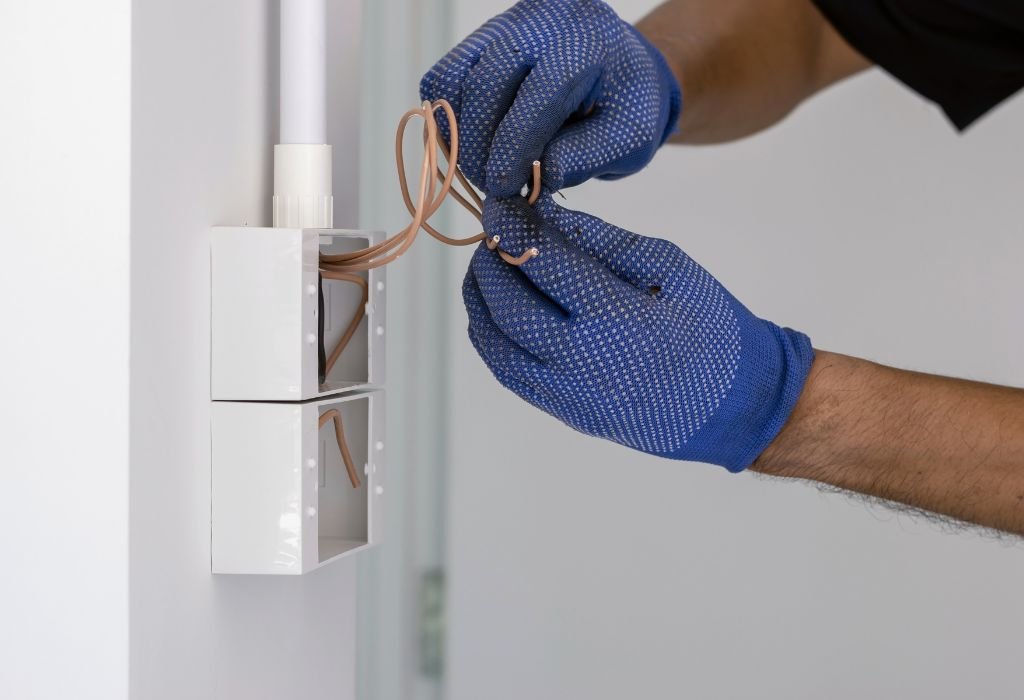
Latex gloves are not designed to protect against electrical shock. They are too thin, easily punctured, and lack the voltage rating required for energized work.
The only safe option for working on live circuits is to wear ASTM- or IEC-rated rubber insulating gloves with leather protectors. Latex may still have a place as a liner under insulating gloves to manage sweat, or in electronics labs for low-voltage, static-sensitive components.
Can latex gloves prevent electric shock?
No, they are not voltage-rated and cannot stop current from passing through.
What gloves should be used for electrical safety?
Class-rated rubber insulating gloves with leather protectors, as required by OSHA and NFPA 70E.
Are nitrile gloves better than latex for electrical work?
Neither is suitable, since both are meant for chemical or contamination protection, not shock.
When is latex acceptable?
As a liner inside rubber insulating gloves or for low-voltage electronics handling, not for energized electrical systems.
Can doubling latex gloves increase protection?
No, layering disposable gloves does not provide voltage resistance.
Standards You Must Know (OSHA, NFPA 70E, ASTM/IEC)
Safety regulations remove ambiguity about protective equipment. OSHA 1910.137 specifies the use of electrical protective equipment, while NFPA 70E outlines arc-flash risk assessment and PPE categories.
Rubber insulating gloves must meet ASTM D120 and IEC 60903 standards. These standards require regular proof testing to ensure gloves can withstand the rated voltage.
Who says latex gloves aren’t enough?
Both OSHA and NFPA 70E specify only voltage-rated rubber insulating gloves for electrical work.
What is proof testing?
It is a high-voltage test performed periodically to confirm gloves remain safe to use.
Do leather protectors matter?
Yes, they prevent cuts and abrasions that could compromise the insulating glove.
Are latex or nitrile gloves included in these standards?
No, they are excluded because they are not designed or tested for voltage.
How often should gloves be tested?
Every 6 months in service, or more often depending on employer policy.
Glove Classes and Voltage Ratings
Electrical gloves are categorized into classes based on the maximum voltage they can safely withstand. Choosing the right class ensures adequate protection for the task.
Classes range from 00 (up to 500V AC) to Class 4 (up to 36,000V AC). Workers must select gloves based on the highest possible exposure, not just the expected task.
Which class is common for residential work?
Class 0 gloves rated to 1,000V AC are often used.
Can stacking thin gloves equal a higher class?
No, ratings only apply to gloves tested and certified by ASTM or IEC.
Do gloves have separate DC ratings?
Yes, DC maximum use values are also listed and often slightly higher than AC.
What if voltage is uncertain?
Always assume the highest possible hazard and select gloves accordingly.
Is a higher class always better?
Not necessarily, as thicker gloves may reduce dexterity. Select the right class for the job.
Shock vs Arc Flash vs ESD
Not all electrical hazards are the same. Latex gloves are sometimes confused as protection, but each hazard demands specific PPE.
Shock hazards require voltage-rated insulating gloves. Arc flash hazards require head-to-toe arc-rated PPE, including gloves. ESD control focuses on protecting sensitive electronics, not the worker.
Are latex gloves arc-rated?
No, they provide no protection against arc flash.
Can ESD gloves replace insulating gloves?
No, they serve a completely different purpose.
Do I need both shock and arc PPE?
Yes, when both hazards exist, each must be addressed.
Is shock risk higher than arc flash?
Both are dangerous; arc flash can cause severe burns even without contact.
Do standards cover ESD?
No, ESD protection is separate from OSHA or NFPA safety requirements.
Materials 101: Latex, Nitrile, Neoprene, and Rubber
Disposable latex and nitrile gloves offer a barrier against dirt and chemicals but not voltage. Neoprene or PVC gloves may offer better chemical resistance but still are not substitutes unless rated.
Natural-rubber insulating gloves are the only gloves designed, tested, and rated for electrical safety. These gloves are thicker, reinforced, and regularly proof-tested.
Why do disposables fail?
They puncture easily and allow sweat to create conductive paths.
Is thicker household rubber safe?
No, unless it carries ASTM or IEC certification.
Can one glove protect from both chemicals and electricity?
Not alone. Workers may layer chemical gloves over rated rubber insulating gloves.
Are nitrile gloves safer than latex?
No, they are similar in purpose and limitations.
Do neoprene gloves offer voltage resistance?
Only if specifically rated as electrical insulating gloves.
How to Choose the Right Electrical Gloves
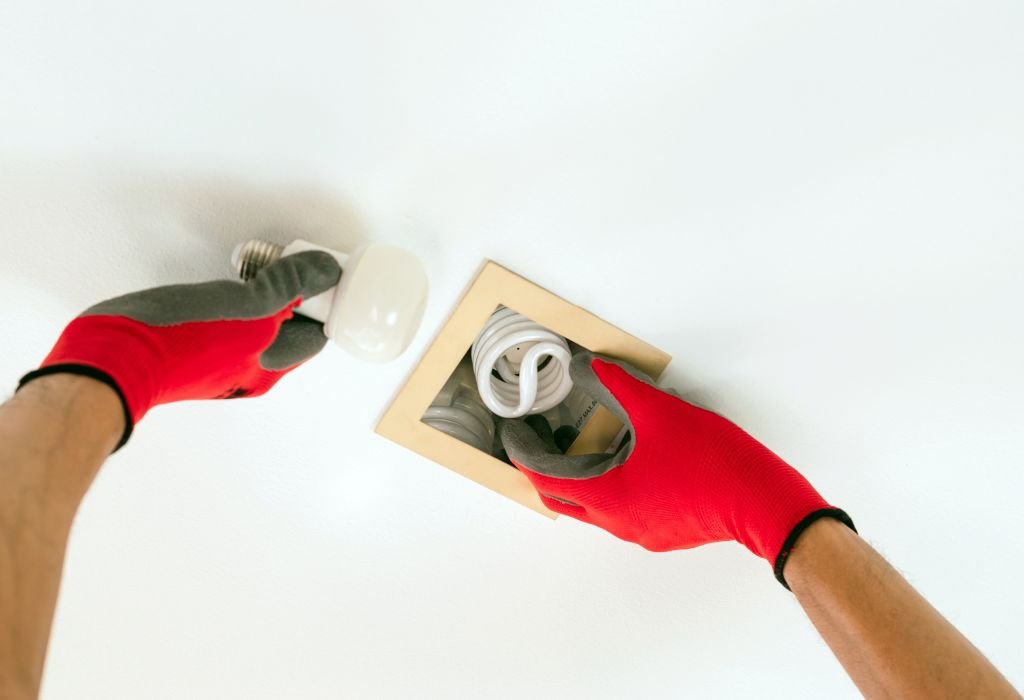
Choosing gloves involves more than voltage rating. Workers must consider fit, cuff length, and environmental conditions.
Leather protectors are mandatory to prevent damage. Moisture liners may be added for comfort, but only if they do not compromise safety.
How should gloves fit?
Snug without overstretching, with room for a liner.
Cotton vs latex liners?
Cotton or synthetic liners reduce sweat without allergy risks.
Do powdered liners matter?
Avoid powdered latex, as it can irritate skin and contaminate equipment.
Which cuff length is best?
Longer cuffs provide better arm coverage in panels and switchgear.
Can gloves be shared?
No, each pair should be assigned to one user for tracking and hygiene.
Inspection and Field Tests Before Each Use
Insulating gloves must be inspected before every use. Workers should inflate them with air and check for cuts, ozone cracking, or other damage.
Gloves must also be checked for cleanliness and proper date codes. Damaged or expired gloves must be removed from service immediately.
What is the air test?
Rolling the cuff and trapping air to check for leaks and weak spots.
How often should inspections be done?
Before each use, with formal retests every 6 months.
Can damaged gloves be repaired?
No, they must be replaced.
What if gloves are dirty?
Wash with mild soap and water; avoid harsh chemicals.
Do date codes matter?
Yes, manufacturers include them to track service life and testing schedules.
Care, Cleaning, and Storage
Proper care extends glove life and maintains safety. Gloves must be washed, dried away from heat, and stored properly.
Storage bags or tubes keep gloves upright and prevent damage from folding or pressure. Petroleum products, UV light, and sharp edges must be avoided.
Can harsh solvents be used for cleaning?
No, they weaken the rubber.
How should gloves be stored?
In protective bags, fingers upright, away from sunlight.
Do leather protectors need care too?
Yes, they must be kept clean to prevent grit from cutting the rubber.
Can gloves be folded for storage?
No, folding weakens the rubber and reduces safety.
What shortens glove life most?
Improper storage and contact with oils or solvents.
Low-Voltage Electronics and DIY Use
Latex gloves may have a role in electronics or DIY projects where shock risk is minimal. They can keep components clean and reduce static discharge when paired with ESD straps and mats.
For low-voltage circuits such as 12V automotive or battery-powered devices, latex offers cleanliness but not true safety from shock.
Are latex gloves fine for 12V automotive work?
Yes, for cleanliness, since shock hazard is low.
What about computer repair?
Use ESD-safe gloves and grounding measures to protect electronics.
Can latex protect in a 120V panel?
No, only class-rated insulating gloves are safe.
Do electricians ever use latex?
Yes, as liners under insulating gloves for comfort.
Are nitrile gloves better for DIY?
They are stronger for chemical resistance but still not voltage-rated.
Allergy and Skin Considerations
Latex allergies affect a portion of the population. Alternatives such as nitrile liners are safer for sensitive users.
Sweat buildup also creates discomfort and risk. Cotton liners are often used to reduce irritation and improve glove comfort.
What if gloves cause rash?
Switch to nitrile or cotton liners under insulating gloves.
Are powdered latex gloves safe?
Avoid them, as powders can irritate skin and contaminate equipment.
Can sweat reduce glove performance?
Yes, moisture can create conductive paths.
What is the best liner fabric?
Cotton or moisture-wicking synthetics.
Are nitrile liners safe for long use?
Yes, they reduce allergy risk and are durable.
Buying Guide: What to Look For
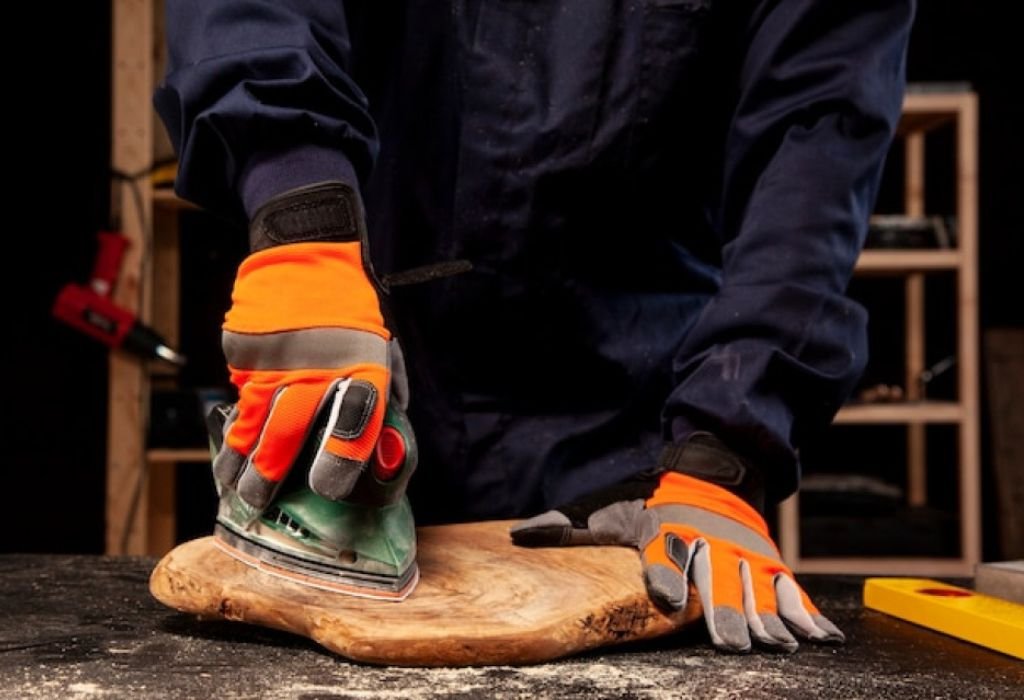
When buying electrical gloves, workers must check for ASTM or IEC markings, voltage class, manufacturer, and date code. Avoid unverified or counterfeit products.
Accessories such as leather protectors, storage bags, and inflators are also essential for proper use and maintenance.
Are cheap online gloves safe?
Only if clearly class-rated and tested to standards.
Which length is best?
Longer cuffs provide better coverage in high-voltage areas.
Do gloves come in sizes?
Yes, correct fit is crucial for comfort and dexterity.
Do I need sleeves too?
For certain tasks, NFPA 70E requires sleeves in addition to gloves.
What accessories are essential?
Leather protectors, storage bags, and inspection inflators.
Common Mistakes to Avoid
Many workers mistakenly believe latex or nitrile gloves are sufficient. This misconception creates a serious safety hazard.
Other mistakes include using damaged gloves, skipping inspections, or ignoring required test intervals.
What is the biggest DIY mistake?
Relying on latex gloves for live electrical work.
Can holes be patched with tape?
No, gloves must be replaced immediately.
Is turning off the breaker always enough?
Verify absence of voltage with a CAT-rated meter.
Can gloves past the test date be used?
No, expired gloves are not compliant.
Do thin liners replace protectors?
No, leather protectors are still required.
Conclusion
So, are latex gloves good for electrical work or risky? The answer is clear: latex gloves are risky for any energized electrical work because they are not voltage-rated.
Proper protection requires ASTM- or IEC-rated rubber insulating gloves with leather protectors. Latex or nitrile gloves may have roles as liners or for electronics, but never as primary PPE against shock.
By following OSHA and NFPA standards, inspecting gloves before use, and choosing the correct class, workers can stay safe while handling electrical hazards. Safety is never about convenience; it is about using the right equipment for the right job.

I’m Michael R. Turner, the founder, lead writer, and passionate DIY enthusiast behind 101diytools.com. With years of hands-on experience in home improvement and power tools, I built this platform to share practical tips, in-depth guides, and honest reviews to help DIYers of all skill levels tackle projects with confidence and the right tools.