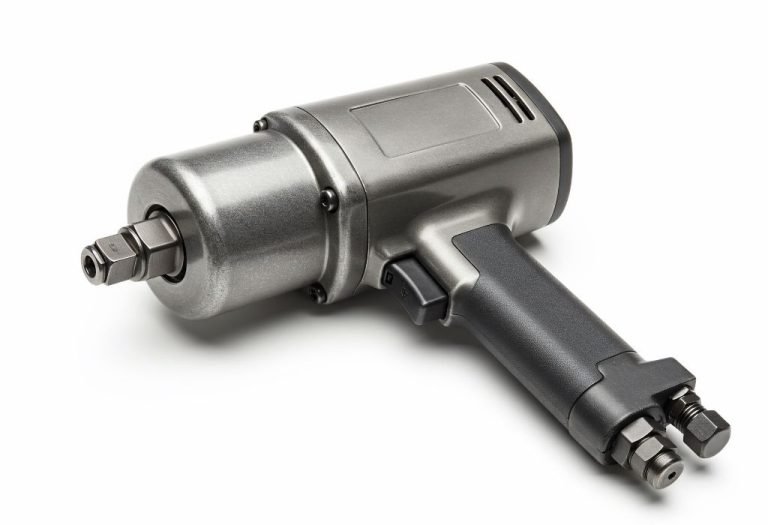
Are Electric Impact Wrenches Any Good for Jobs
A stubborn lug nut on the side of the road can quickly turn a minor repair into an exhausting ordeal.
Many drivers and mechanics face the same question: are electric impact wrenches any good when real torque is needed?
Once dominated by air-powered tools, the impact wrench market has seen a dramatic shift. Improvements in brushless motors and lithium-ion batteries have transformed electric models into serious contenders.
According to industry research, the cordless power tool market is expected to surpass $45 billion by 2030, with impact wrenches leading the charge (source).
But performance is about more than torque numbers printed on a box. Lug nuts on a standard car may require 80–150 ft-lb, while heavy-duty trucks can demand 400–500 ft-lb or more.
Some modern electrics claim to deliver over 1,000 ft-lb of breakaway torque, but how that translates into real-world usability can vary widely.
This article explores how electric impact wrenches compare to pneumatic tools, highlights their pros and cons, and explains when they are worth buying.
By the end, you’ll know whether an electric impact wrench can handle your jobs confidently—or if air tools still hold the upper hand.
What Is an Electric Impact Wrench?
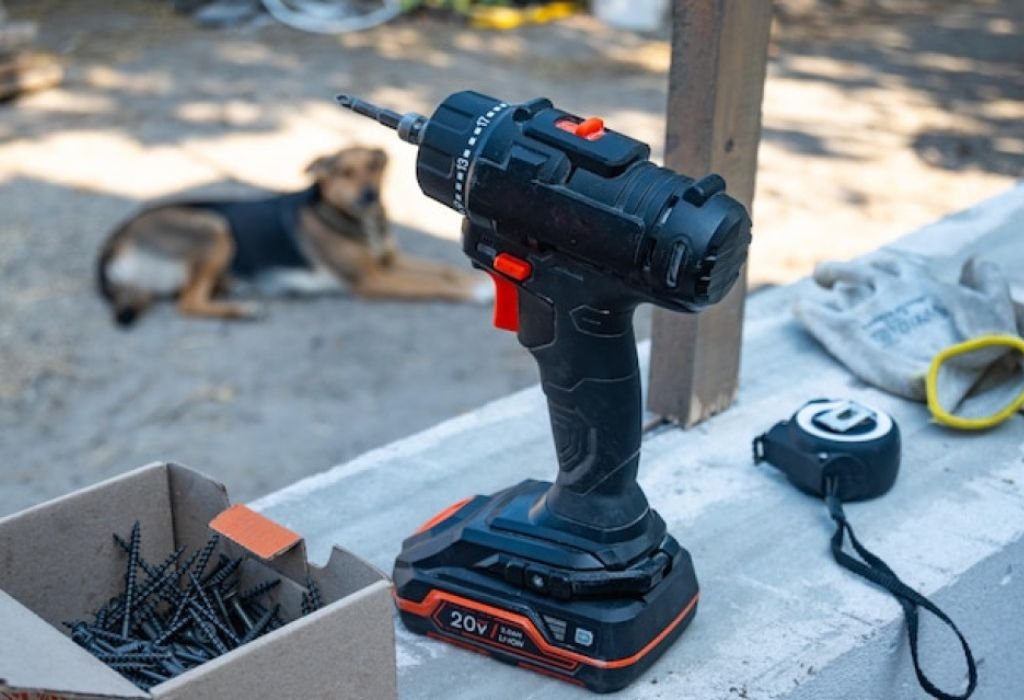
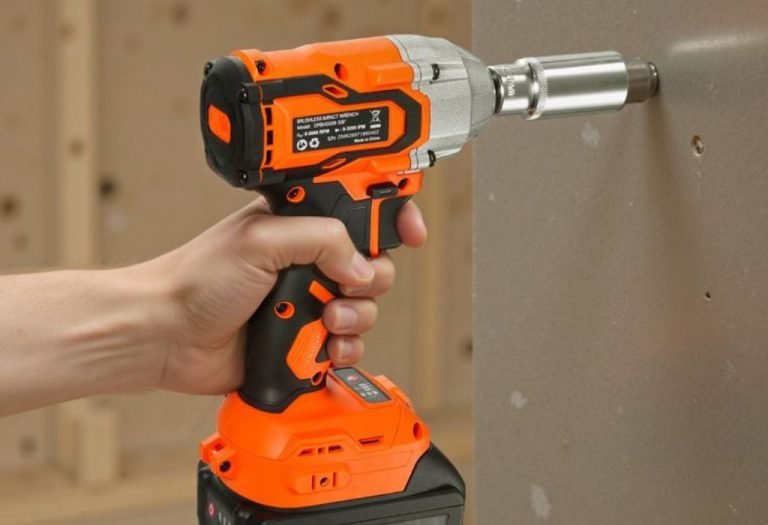
An electric impact wrench is a power tool designed to deliver rotational force with high torque output. Unlike drills, which provide steady turning power, impact wrenches use a hammering mechanism to apply sudden bursts of torque.
There are two main types: corded electric impact wrenches and cordless battery-powered impact wrenches. Corded models plug into a wall outlet and offer consistent power as long as electricity is available. Cordless models run on rechargeable lithium-ion batteries, providing mobility and flexibility.
Electric impact wrenches are widely used in automotive repair, construction, manufacturing, and home projects. Their ability to remove fasteners quickly and efficiently makes them a go-to choice for lug nuts, bolts, and heavy-duty screws.
These tools are often compared to pneumatic wrenches, which require air compressors and hoses. While air tools once dominated professional shops, electric alternatives are gaining ground due to convenience, reduced setup, and lower long-term costs.
Do electric impact wrenches replace air tools completely?
Not entirely—pneumatics still dominate heavy industrial use.
Are corded or cordless models better?
Corded versions provide steady power, but cordless tools offer unmatched portability.
Can they be used for home projects?
Yes, they are highly effective for automotive and DIY use.
Are they safer than air tools?
Generally, yes, since they avoid high-pressure air lines.
How Much Torque Do You Need for Lug Nuts?
Torque requirements vary based on the type of vehicle and fastener. Most passenger cars require 80–150 ft-lb of torque for lug nuts. SUVs and light trucks typically need 140–250 ft-lb, while heavy-duty trucks may demand 400–600 ft-lb or more.
Choosing the right impact wrench depends on these requirements. If a wrench delivers less torque than required, lug nuts may remain loose, which is unsafe. Over-torquing can strip threads or damage studs, creating another costly problem.
Modern electric impact wrenches can produce torque levels exceeding 1,000 ft-lb of breakaway force, which is more than enough for most lug nut applications. However, advertised torque ratings don’t always reflect sustained real-world performance.
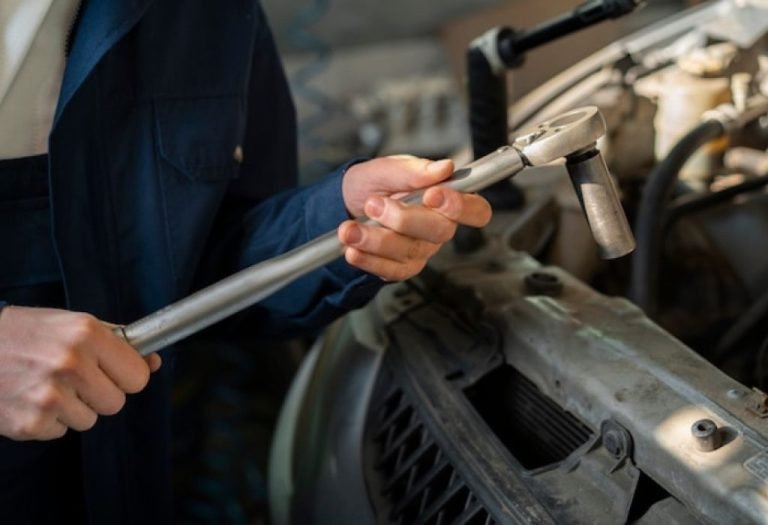
It’s important to consult the OEM torque specifications for your vehicle before choosing a tool. Using a torque wrench for final tightening ensures accuracy and safety.
Can an electric impact wrench loosen stuck lug nuts?
Yes, most mid-range models can handle standard automotive lug nuts.
Do I still need a torque wrench?
Yes, for final tightening to manufacturer specifications.
What happens if I over-torque?
You risk damaging studs or warping brake components.
Are high-torque models always better?
Not necessarily—choose torque that matches your job.
Pros of Electric Impact Wrenches
Electric impact wrenches offer several distinct advantages over pneumatic alternatives. First, they provide portability. Cordless models allow mechanics to work anywhere without dragging around compressors and hoses.
Second, they are cost-effective in the long run. While initial purchase prices may be higher, there are no compressor maintenance or air supply costs.
Third, modern models with brushless motors are efficient and powerful, delivering torque levels once thought impossible for battery tools. They also feature variable speed triggers, electronic controls, and ergonomic designs.
Finally, they are user-friendly. Plug-and-play operation or rechargeable batteries make them ideal for DIY users, roadside emergencies, and small shops.
Are electric impact wrenches beginner-friendly?
Yes, they are easier to set up than air tools.
Do they save time?
Yes, they can remove lug nuts in seconds.
Are they quieter than air wrenches?
Yes, they produce less noise and vibration.
Can they handle professional use?
Many high-end models are now shop-ready.
Cons of Electric Impact Wrenches
Despite their advantages, electric impact wrenches have limitations. One major drawback is battery life. Heavy use can drain batteries quickly, requiring multiple packs for extended jobs.
Another issue is heat buildup. Continuous operation can cause motors to overheat, reducing efficiency and lifespan. Pneumatic wrenches avoid this problem with air cooling.
Cordless models are also heavier than air tools due to large batteries. This can cause fatigue during prolonged use. Additionally, corded models sacrifice portability since they rely on an outlet.
Finally, while torque ratings are impressive, real-world performance may not always match claims. Factors like battery charge, socket fit, and fastener condition affect results.
Do batteries last long enough for big jobs?
With spare packs, yes—but single batteries may drain fast.
Are corded models better for garages?
Yes, if portability isn’t a concern.
Can electric wrenches overheat?
Yes, especially during continuous heavy-duty use.
Are they as durable as air tools?
Not always—air tools often last longer in industrial use.
Comparing Electric vs Pneumatic Impact Wrenches
Electric and pneumatic impact wrenches each have strengths. Pneumatics deliver consistent torque without battery concerns, making them reliable for assembly lines and auto shops.
Electric impact wrenches, however, win in convenience and versatility. They require no air supply, making them more practical for mobile mechanics and DIY users.
In terms of cost, electric tools save money by eliminating compressors and reducing setup time. For users who don’t already own an air system, electric tools are often the smarter choice.
Ultimately, the right tool depends on the environment. Shops with existing air infrastructure may stick with pneumatics, while individuals benefit most from electric models.
Which is stronger: pneumatic or electric?
Pneumatics usually provide steadier torque, but electrics are catching up.
Which is cheaper in the long term?
Electric models, since they don’t need compressors.
Which is better for DIY?
Electric impact wrenches, thanks to portability.
Do professionals use electric models?
Yes, especially mobile and roadside technicians.
Best Uses for Electric Impact Wrenches
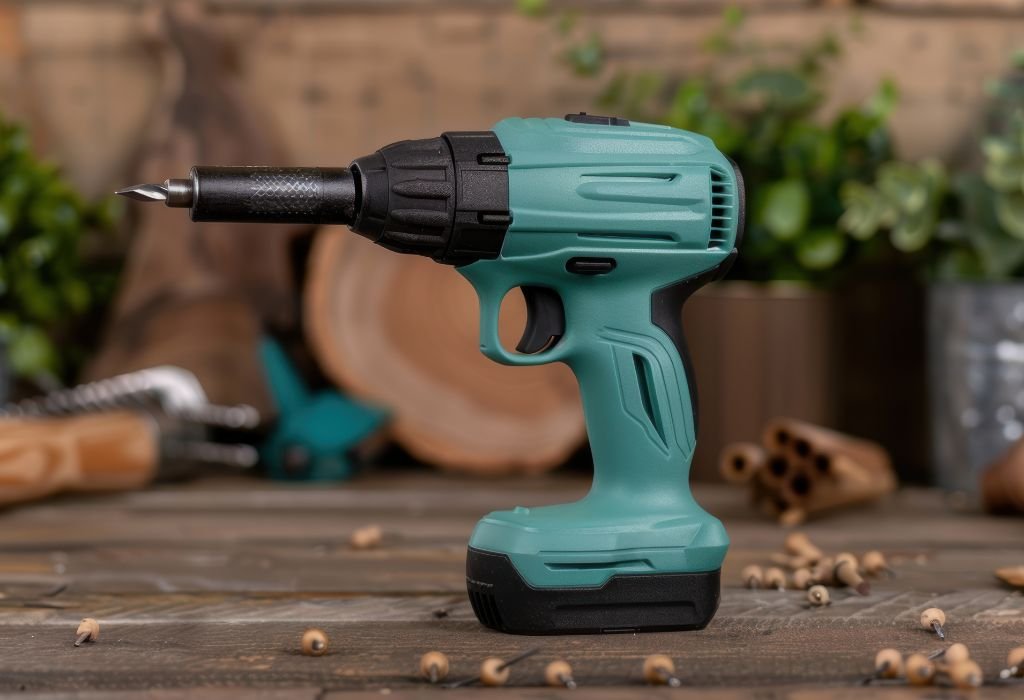
Electric impact wrenches excel in automotive repair, particularly for lug nuts, suspension work, and engine bolts. Cordless models are ideal for roadside tire changes.
They are also effective in construction and assembly, where fastening large bolts and anchors is required. Farmers, landscapers, and heavy equipment operators also find them useful.
DIY enthusiasts benefit from their versatility, handling projects from deck building to furniture assembly where high torque is needed.
However, they may not be ideal for continuous production lines or environments requiring 24/7 heavy-duty use. Pneumatics still dominate in those areas.
Can I use one for tire changes?
Yes, they are excellent for lug nuts.
Are they good for suspension work?
Yes, provided torque matches specifications.
Can they be used in construction?
Yes, especially for anchor bolts and large fasteners.
Are they worth it for homeowners?
Absolutely, if you often deal with stubborn bolts or car repairs.
Conclusion
So, are electric impact wrenches any good? The answer is a strong yes—for most users. Modern models deliver impressive torque, portability, and ease of use that rival pneumatic tools in many situations.
They shine for automotive repair, DIY projects, and mobile mechanics, offering convenience without compressors or hoses. However, for nonstop industrial use, air tools still lead in durability and consistency.
Choosing between corded and cordless depends on your needs: cordless for portability, corded for steady power. Pairing your impact wrench with a torque wrench ensures safe and accurate results.
In the end, electric impact wrenches are no longer just “good enough.” For many, they are the best option available today.

I’m Michael R. Turner, the founder, lead writer, and passionate DIY enthusiast behind 101diytools.com. With years of hands-on experience in home improvement and power tools, I built this platform to share practical tips, in-depth guides, and honest reviews to help DIYers of all skill levels tackle projects with confidence and the right tools.