Are Cordless Heat Guns Any Good for DIY Projects?
You’re midway through a project and need a heat gun. Instead of dragging out an extension cord, the idea of a cordless heat gun sounds tempting.
Cordless tools promise convenience, flexibility, and speed. For many DIYers, they seem like the perfect solution for quick fixes and outdoor tasks.
But are cordless heat guns any good compared to their corded counterparts? The answer depends on what you expect and how you plan to use them.
Heat guns are versatile tools used for shrinking tubing, stripping paint, thawing pipes, and crafting. Traditionally, corded models dominate because of their constant power supply.
Cordless heat guns, powered by rechargeable batteries, offer portability. You can use them anywhere without being tied to a power outlet.
However, they often have shorter run times and lower maximum heat output. These factors limit their usefulness for heavy-duty or extended jobs.
For quick tasks like softening adhesives or heat-shrinking wire tubing, they work surprisingly well. For stripping large areas of paint or industrial applications, they may struggle.
According to tool market reports, cordless power tool sales have grown steadily by over 7% annually. Cordless heat guns are part of this trend, appealing to users who prioritize mobility.
This guide explores whether cordless heat guns are any good, covering their strengths, weaknesses, and ideal uses so you can decide if they’re right for your toolbox.
What Is a Cordless Heat Gun?

A cordless heat gun is a portable tool powered by rechargeable batteries. It produces hot air for various heating applications.
Unlike corded models, it does not need a direct power outlet. This makes it more versatile in outdoor or remote settings.
Most cordless heat guns use lithium-ion batteries. These provide strong but limited bursts of power.
They usually reach lower maximum temperatures than corded versions. This affects performance on demanding jobs.
Cordless designs focus on lightweight and ergonomic use. They are easier to handle for small, quick projects.
They often include adjustable nozzles for different applications. These can direct airflow for precision work.
Understanding what a cordless heat gun is helps clarify its purpose. It is designed for convenience, not for replacing heavy-duty corded models.
What powers a cordless heat gun?
Rechargeable lithium-ion batteries.
Does it need a wall outlet?
No, it runs without cords.
Is it lighter than a corded one?
Yes, portability is a main advantage.
Do they heat as much as corded models?
No, their temperature range is usually lower.
Pros of Cordless Heat Guns
Portability is the biggest advantage. You can use them anywhere, even without electricity.
They are excellent for outdoor tasks. Projects like thawing frozen pipes or heat-shrinking car wiring benefit from mobility.
Cordless heat guns are quick to set up. You don’t waste time untangling cords or finding outlets.
They are safer in tight spaces. Without cords, there is less tripping or tangling risk.
For short tasks, they are efficient. Battery power is enough for small, precise jobs.
Many cordless models are compact and lightweight. This reduces fatigue during longer use.
Some models heat quickly despite being cordless. They are ready in under 10 seconds for small jobs.
For DIYers who value convenience, cordless heat guns are very good.
Why choose cordless over corded?
For portability and convenience.
Are they good for outdoor use?
Yes, they excel in outdoor projects.
Do they heat quickly?
Yes, some models heat in seconds.
Are they safer than corded models?
Yes, with fewer cord hazards.
Cons of Cordless Heat Guns
Battery life is limited. Most cordless heat guns run for 10 to 20 minutes per charge.
They often lack the maximum heat of corded models. This reduces performance on tough materials.
Continuous heavy use drains batteries quickly. This interrupts large projects.
Replacement batteries are expensive. Buying spares increases total cost.
Cordless heat guns may struggle with industrial work. They are not designed for long, high-intensity use.
Heating time may be slower than corded models. Some require up to a minute to reach full temperature.
They may have fewer temperature settings. Precision control is often reduced compared to corded versions.
These drawbacks make cordless heat guns less ideal for professionals.
How long does the battery last?
Usually 10 to 20 minutes.
Do they get as hot as corded guns?
No, maximum temperatures are lower.
Are batteries expensive?
Yes, replacements can be costly.
Are they good for heavy work?
No, they are better for light jobs.
Best Uses for Cordless Heat Guns
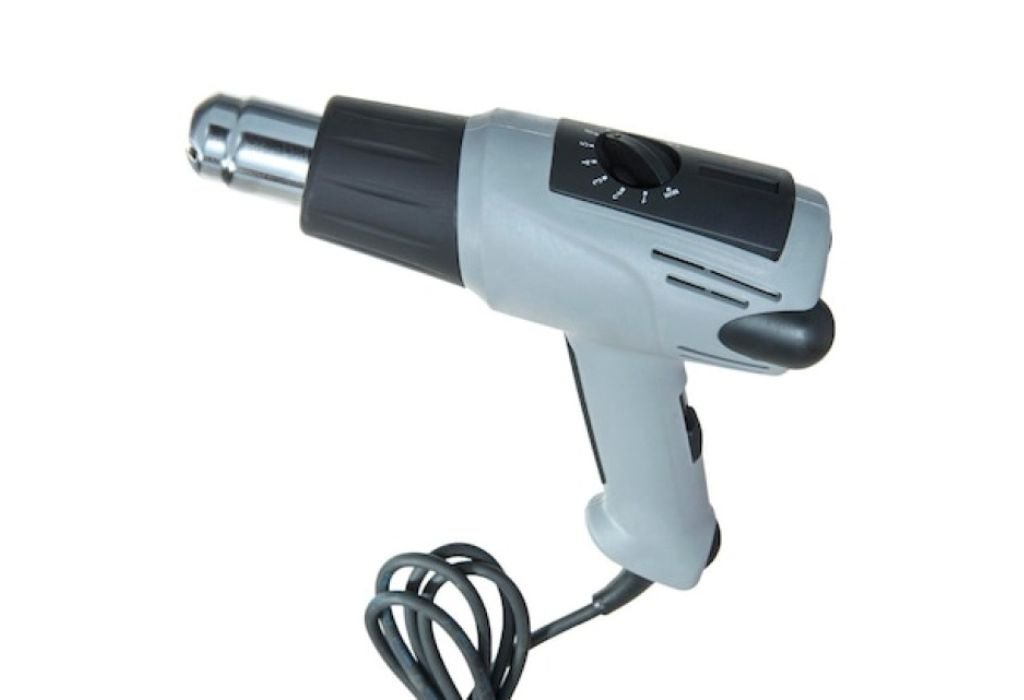
Cordless heat guns shine in small, quick tasks. Shrinking electrical tubing is one of their most common uses.
They are handy for automotive repairs. Heat-shrinking car wiring or loosening bolts works well with them.
They are useful for craft projects. Tasks like vinyl wrapping or embossing are ideal for cordless heat guns.
Outdoor jobs benefit from cordless designs. Thawing frozen locks or pipes without an outlet becomes simple.
They are good for household fixes. Removing stickers, labels, or adhesives can be done easily.
Camping and fieldwork use them too. They can light fires or soften materials when outdoors.
For professionals, they serve as backup tools. Quick spot jobs are easier with cordless convenience.
They are not replacements for corded guns. They are supplementary tools for mobility-focused tasks.
What jobs suit cordless heat guns?
Shrinking tubing, crafts, and light repairs.
Are they good for automotive use?
Yes, especially for wiring.
Can they be used outdoors?
Yes, they are excellent outdoors.
Do professionals use them?
Yes, but mostly for small tasks.
Comparing Cordless vs Corded Heat Guns
Corded heat guns deliver higher heat output. They maintain consistent power without battery limits.
Cordless heat guns trade power for portability. They are best for quick and mobile tasks.
Corded models are better for heavy-duty jobs. Paint stripping or industrial use requires steady, high heat.
Cordless models are more convenient for on-the-go work. Their freedom from outlets is a big advantage.
Corded versions usually cost less long-term. No need for expensive replacement batteries.
Cordless models require charging downtime. Extra batteries help, but add cost.
Corded guns offer more temperature settings. Cordless versions often keep controls simple.
Each type has a place, depending on the project.
Which is more powerful?
Corded heat guns.
Which is more portable?
Cordless heat guns.
Which costs more long-term?
Cordless, due to batteries.
Which has better controls?
Corded models, with more settings.
Tips for Getting the Best Results with Cordless Heat Guns

Charge batteries fully before each use. A weak battery reduces heat output.
Keep spare batteries if possible. This prevents interruptions during projects.
Use the right nozzle attachments. They improve precision and focus heat where needed.
Work in short bursts. This conserves battery life and prevents overheating.
Avoid heavy-duty tasks. Stick to projects within the tool’s capacity.
Store batteries properly. Keep them in a cool, dry place to extend lifespan.
Clean the nozzle regularly. Residue buildup can affect performance.
With good habits, cordless heat guns perform well.
How do I extend battery life?
Keep batteries charged and stored properly.
Do nozzle attachments help?
Yes, they improve accuracy.
Can I use them continuously?
Not for long, they are for short tasks.
Do I need spare batteries?
Yes, for uninterrupted work.
Conclusion
Cordless heat guns are convenient, portable, and versatile for small projects. They are very good for quick jobs where mobility matters most.
Their limitations include short battery life and lower maximum heat. These make them less suitable for large or industrial projects.
For DIYers, hobbyists, and mobile repairs, they are worth adding to the toolbox. For professionals handling heavy-duty work, a corded heat gun is still the best option.
For anyone asking, “are cordless heat guns any good,” the answer is yes — if you choose the right jobs for them. They are excellent for light, portable use but not a full replacement for corded models.

I’m Michael R. Turner, the founder, lead writer, and passionate DIY enthusiast behind 101diytools.com. With years of hands-on experience in home improvement and power tools, I built this platform to share practical tips, in-depth guides, and honest reviews to help DIYers of all skill levels tackle projects with confidence and the right tools.