Are Corded Impact Wrenches Any Good in Real Use?
A mechanic plugs in a corded impact wrench, ready to take on a rusted bolt. No batteries, no compressor—just direct power from the outlet. The question is clear: are corded impact wrenches still any good today?
Corded tools used to dominate garages and workshops. They offered reliable power without worrying about charging batteries. Even now, they deliver steady torque as long as the cord is connected, making them dependable for many jobs.
Still, the tool market has shifted. Cordless impact wrenches now outsell corded versions, thanks to improved batteries and portability. Pneumatic tools remain the top choice in professional shops where air systems are standard. That leaves corded models in a middle ground.
For some users, this middle ground makes sense. Corded impact wrenches don’t lose strength over time like batteries do. They also cost less upfront than many high-end cordless kits, which require multiple batteries and chargers.
But there are trade-offs. Cords limit mobility, especially when working outside or in tight spaces. They can be heavy and awkward, and most lack the brushless motor technology that cordless models now feature.
So, are corded impact wrenches still worth buying? The answer depends on your needs. For a home garage with easy access to outlets, they remain reliable and budget-friendly. For professionals or mobile users, cordless or pneumatic tools may be the better choice.
In this article, we’ll examine corded impact wrenches in real-world use. From performance and cost to comparisons with cordless and air models, you’ll see whether they still deserve a place in today’s toolkits.
What Is a Corded Impact Wrench?
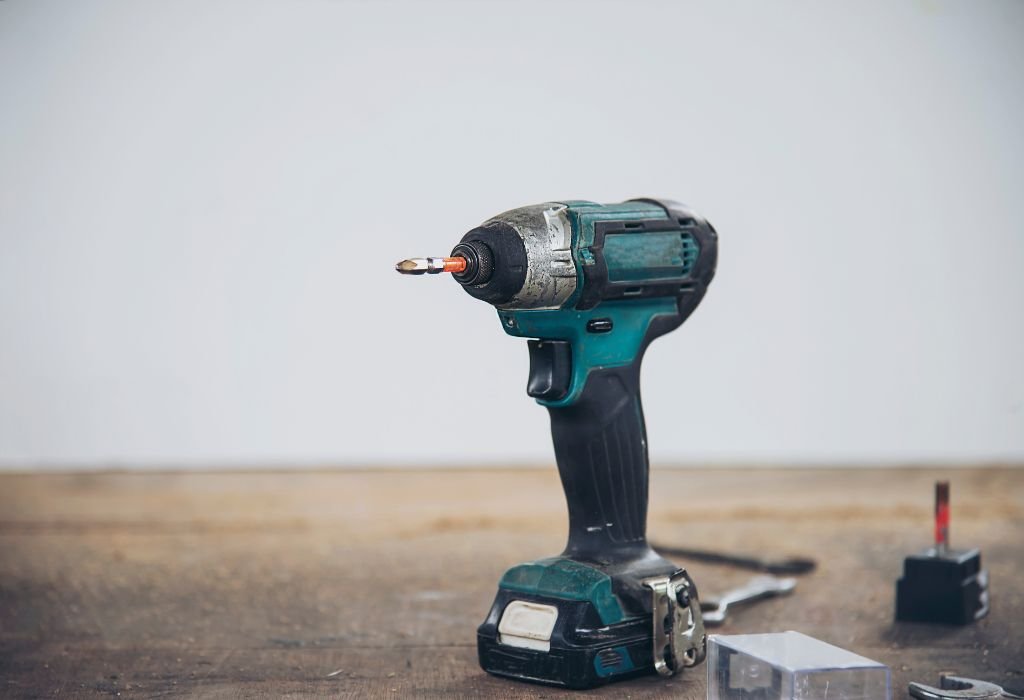
A corded impact wrench is a power tool that plugs directly into an electrical outlet. Unlike cordless models, it doesn’t rely on batteries, and unlike pneumatic wrenches, it doesn’t need an air compressor.
Inside, an electric motor spins a hammer-and-anvil mechanism that delivers bursts of torque. This makes it effective for loosening stuck fasteners or tightening bolts with consistent force.
Most corded models feature a simple trigger switch, forward/reverse settings, and a fixed power cord. They typically come in ½-inch drive sizes, making them suitable for automotive and general repair work.
While cordless tools dominate the market, corded impact wrenches remain attractive for users who want steady, unlimited power without worrying about recharging or air supply.
Why People Still Consider Corded Impact Wrenches
Despite the rise of cordless tools, corded impact wrenches still have a place in many garages. Their biggest appeal is unlimited runtime. As long as there’s an outlet nearby, you can work without worrying about drained batteries.
They also eliminate the cost of buying and replacing batteries. For budget-conscious buyers, this makes corded models an attractive option. The upfront investment is often lower than a cordless kit with extra battery packs.
Another reason is consistent power delivery. Corded impact wrenches don’t fade in strength the way battery-powered models can. Every pull of the trigger delivers the same torque output, which is reassuring during longer tasks.
For people with a fixed workshop setup, a corded tool can be a practical choice. It offers steady performance without the extra accessories that cordless or pneumatic models require.
Real-World Performance of Corded Impact Wrenches
Corded impact wrenches perform reliably when there’s steady access to electricity. They can remove lug nuts, tighten bolts, and handle most garage tasks with ease. Unlike cordless tools, they don’t lose power over time, which makes them dependable for long sessions.
In automotive repair, they work well for routine jobs like wheel changes or brake replacements. However, when tackling extremely rusted or oversized bolts, their torque may not match high-end cordless or pneumatic models.
For DIYers, the performance is often more than enough. Home garages benefit from their consistent output, and the lack of downtime makes them appealing for weekend projects. For professional shops, though, mobility and higher torque needs often push users toward air or cordless tools instead.
Advantages of Corded Impact Wrenches
Corded impact wrenches provide unlimited runtime. As long as they’re plugged in, you’ll get continuous power without waiting for recharges.
They also deliver consistent torque. Unlike batteries that fade, corded models maintain steady output from start to finish.
Another advantage is lower cost. They’re usually cheaper than cordless kits, which often require spare batteries and chargers.
Maintenance is simple. With no batteries to manage and fewer moving parts than air tools, corded wrenches are easy to keep running.
For occasional mechanics and DIY users, these benefits make corded impact wrenches a practical choice.
Limitations and Weak Points
Corded impact wrenches come with trade-offs that limit their appeal. The biggest drawback is mobility—you’re tied to an outlet, which can be restrictive in large garages or outdoor work. Extension cords help but add clutter and tripping risks.
Another issue is bulk and weight. Many corded models are heavier than cordless tools, making them harder to maneuver in tight spaces. This can lead to fatigue during longer tasks.
Technology is also behind. Most corded wrenches lack brushless motors and smart electronics, features now common in cordless tools. That means less efficiency and fewer performance controls.
Finally, they are less practical for professional mechanics. In busy shops where portability, speed, and high torque matter most, cordless or pneumatic tools are usually preferred.
Corded vs Cordless vs Air Impact Wrenches
When choosing an impact wrench, it helps to compare the three main options: corded, cordless, and pneumatic. Each has clear strengths and weaknesses.
Corded vs Cordless
Cordless wrenches are portable and convenient, powered by lithium-ion batteries. They’ve become the most popular choice thanks to improved torque and brushless motors. However, batteries fade over time and need recharging. Corded models, by contrast, deliver steady power at a lower cost but lack mobility.
Corded vs Pneumatic (Air)
Pneumatic wrenches are the standard in professional shops. They offer the highest torque, long lifespan, and nonstop reliability with a compressor. But they require a full air system, which adds cost and setup. Corded tools can’t match the raw strength of air wrenches, but they are easier for homeowners who only need an outlet.
In short, corded impact wrenches sit in the middle. They are stronger and steadier than many cordless budget models but less powerful and flexible than air tools.
Who Should Buy a Corded Impact Wrench?
Corded impact wrenches are a good fit for DIY mechanics who mainly work at home. If you’re doing tire rotations, brake jobs, or small repairs in a garage with easy access to outlets, they’re reliable and affordable.
They also suit budget-conscious buyers. For people who don’t want to spend on batteries or air compressors, corded models provide dependable torque at a lower cost.
Another group that benefits are occasional users. If you only need an impact wrench a few times a month, a corded version is often enough without over-investing in a cordless platform.
Professionals may find them less practical, but as a backup tool, a corded wrench can still be useful when batteries run low or air tools aren’t available.
When to Avoid Corded Impact Wrenches
Corded impact wrenches aren’t the best fit for everyone. If you often work outdoors or in areas without easy access to outlets, the cord quickly becomes a limitation. Portability is a major reason many users prefer cordless tools.
They’re also less practical for professional mechanics. In busy auto shops where speed, flexibility, and high torque are essential, pneumatic or high-end cordless models are more reliable.
If you handle heavy-duty industrial tasks, corded wrenches may fall short. Their torque output is decent, but not on par with pro-grade air or advanced cordless models.
In short, corded impact wrenches make sense for fixed garage setups and budget-conscious DIYers, but not for mobile work or demanding professional use.
Expert Tips for Using Corded Impact Wrenches
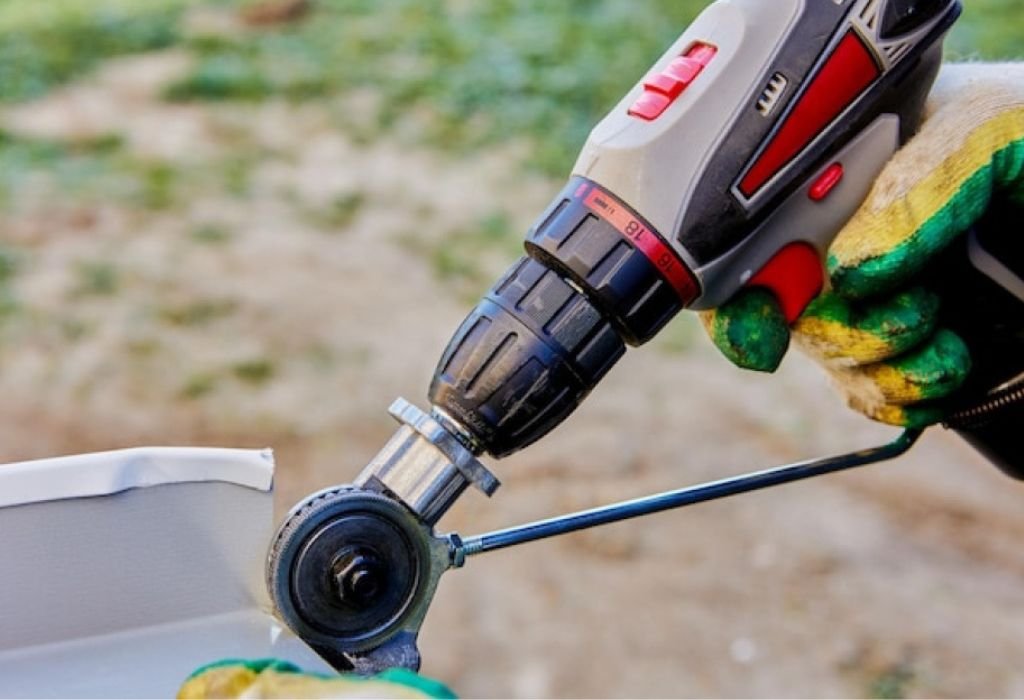
To get the most out of a corded impact wrench, start by using the right extension cord. A heavy-duty cord prevents power drop, which can reduce torque.
Always secure the cord safely. Keep it clear of wheels, sharp edges, and moving parts to avoid damage or tripping hazards.
Use impact-rated sockets only. Standard sockets can shatter under torque, creating safety risks.
Take breaks during long jobs. While corded tools don’t overheat as quickly as cordless batteries, the motor can still get warm under heavy loads.
Finally, store the tool in a dry place and inspect the cord regularly. A damaged cord can lower performance and create electrical hazards..
FAQs About Corded Impact Wrenches
1. Are corded impact wrenches powerful enough for lug nuts?
Yes, most models provide enough torque to remove standard lug nuts with ease.
2. Do corded impact wrenches last long?
With proper care, they last for years since there are no batteries to degrade.
3. Are corded impact wrenches outdated?
Not entirely. While cordless dominates today, corded models still serve well in fixed garage setups.
4. Can a corded impact wrench replace an air tool?
For light and medium tasks, yes. But for heavy-duty industrial jobs, air tools remain stronger.
5. How much torque do corded impact wrenches deliver?
Many deliver between 200–450 ft-lb, enough for home and light automotive work.
6. Are corded impact wrenches better than cordless?
They provide steady power and cost less, but cordless offers more portability.
7. Do corded impact wrenches overheat?
They can heat up with extended use, but not as quickly as battery tools under strain.
8. Are corded impact wrenches heavy?
Yes, many are bulkier and heavier than cordless models, which can cause fatigue.
9. Can you use a corded impact wrench outdoors?
Yes, but you’ll need a safe extension cord and weather-protected outlet.
10. Who makes the best corded impact wrenches today?
Brands like DeWalt, Porter-Cable, and Makita still offer reliable corded models.
11. Do professionals still use corded impact wrenches?
Rarely. Most pros prefer cordless or pneumatic tools for flexibility and higher torque.
12. Are corded impact wrenches worth buying?
Yes, if you want consistent power at a low cost and don’t need portability.
Conclusion
Corded impact wrenches may not be the most popular choice today, but they still hold value. They provide steady torque, unlimited runtime, and lower upfront costs compared to cordless or pneumatic tools.
For home garages and occasional DIY repairs, they remain reliable and practical. Their simplicity makes them easy to maintain, and they don’t require extra investment in batteries or compressors.
However, for professionals or heavy-duty users, their limitations are clear. Lack of portability, lower torque compared to air tools, and outdated technology make them less appealing in demanding environments.In the end, corded impact wrenches are good tools in the right setting. If you want dependable power at a budget price and don’t mind the cord, they can still be a smart buy

I’m Michael R. Turner, the founder, lead writer, and passionate DIY enthusiast behind 101diytools.com. With years of hands-on experience in home improvement and power tools, I built this platform to share practical tips, in-depth guides, and honest reviews to help DIYers of all skill levels tackle projects with confidence and the right tools.