Are Air Impact Wrenches Better for Heavy Duty Jobs?
A mechanic leans into a stubborn lug nut, straining with a cordless impact wrench. The battery sputters, the torque falls short, and frustration mounts. Moments later, the same job is finished effortlessly when an air impact wrench roars to life, breaking the fastener loose in seconds. This familiar scene highlights a debate that’s been around for years: are air impact wrenches really better for heavy duty jobs?
Air impact wrenches have been a cornerstone in auto shops, tire service centers, and construction sites for decades. Known for their raw torque and endurance, these tools are powered by compressed air rather than batteries or electrical cords. According to industry data, many professional garages still rely on pneumatic tools, with air impact wrenches producing torque levels that often exceed 1,000 ft-lb, making them indispensable for handling lug nuts, truck bolts, and industrial fasteners.
At the same time, cordless and electric impact wrenches have surged in popularity, offering mobility and convenience without the need for bulky air compressors. In fact, market research shows cordless power tools now account for more than 50% of professional tool sales worldwide, reflecting a shift toward portability and efficiency. Yet, when it comes to the most demanding tasks, professionals still reach for air-powered solutions.
So, where does that leave the everyday mechanic or DIY enthusiast? Understanding whether air impact wrenches are truly better requires looking beyond the specs and considering torque, durability, cost, and real-world applications. This article breaks down the advantages, limitations, and use cases of air impact wrenches to help you decide if they’re the right fit for heavy duty work.
What Is an Air Impact Wrench?
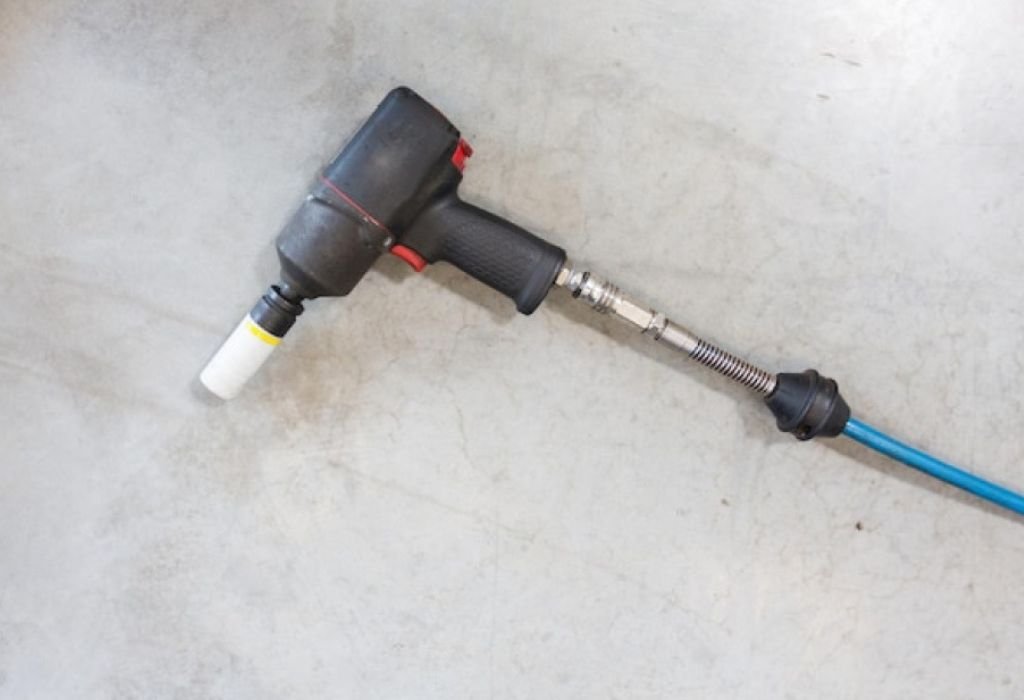
An air impact wrench is a high-torque tool powered by compressed air. Unlike cordless or electric models, it doesn’t rely on batteries or electrical current. Instead, it uses an air motor connected to a hammer-and-anvil mechanism that delivers powerful, repeated bursts of force to loosen or tighten fasteners.
These tools are widely used in automotive repair, construction, and heavy machinery industries. Their design makes them durable, lightweight, and capable of running continuously without overheating, provided there is a steady supply of compressed air.
How do air impact wrenches generate torque?
They convert compressed air into mechanical energy. The air motor spins rapidly and engages the hammer mechanism, producing sudden impacts that multiply torque.
Why are they more compact than electric ones?
Air motors don’t require bulky batteries or electric motors, so the overall tool body is lighter and slimmer while still delivering high torque.
Air vs. Cordless Impact Wrenches
Cordless impact wrenches have grown in popularity because of their portability and convenience. They rely on rechargeable lithium-ion batteries, making them ideal for quick jobs or work in places where an air compressor isn’t available. However, when it comes to sustained heavy-duty work, air impact wrenches still hold the advantage.
Air models deliver higher torque consistently without the downtime of recharging batteries. They also handle continuous use better, which is why tire shops and professional garages rely on them daily. Cordless models, while powerful, can lose performance as the battery drains, and replacement batteries add extra cost.
Which is more powerful: air or cordless?
Air impact wrenches generally deliver higher torque and maintain it for longer periods, while cordless versions are improving but often can’t match the top-end power of air tools.
Are air tools lighter than cordless models?
Yes. Air impact wrenches are typically lighter because they don’t carry heavy batteries, making them easier to handle over extended periods.
Air vs. Electric (Corded) Impact Wrenches
Corded electric impact wrenches offer steady power without worrying about batteries, making them more reliable than cordless options for medium-duty work. They plug directly into a power outlet, which gives them continuous operation as long as electricity is available. However, they still fall short when compared to air impact wrenches in terms of torque and durability for heavy-duty applications.
Air impact wrenches are designed to handle rugged, nonstop use in workshops. They produce higher torque, last longer under stress, and don’t overheat as quickly as corded tools. In contrast, electric models are bulkier, generate less torque, and can wear out faster if pushed to their limits.
Do corded models deliver as much torque as air tools?
No. While corded electric wrenches are stronger than many cordless models, they rarely match the torque output of professional-grade air impact wrenches.
Which lasts longer in professional use?
Air impact wrenches typically outlast corded versions, especially in environments where the tool is used continuously, such as automotive shops or factories.
Are Air Impact Wrenches Better for Heavy Duty Jobs?
Air impact wrenches are built for demanding tasks. They consistently deliver higher torque than most cordless and corded models. This makes them the preferred choice for jobs like removing lug nuts, suspension bolts, and truck fasteners.
They also handle long hours of work without losing power, provided there’s a steady air supply. That reliability is why professional shops and industrial settings continue to use them daily.
What makes air impact wrenches ideal for lug nuts and suspension work?
Their torque output and endurance allow them to loosen or tighten stubborn fasteners with ease.
Do professionals still prefer air over cordless?
Yes. While cordless tools are convenient, professionals often rely on air impact wrenches for the toughest jobs.
Advantages of Air Impact Wrenches
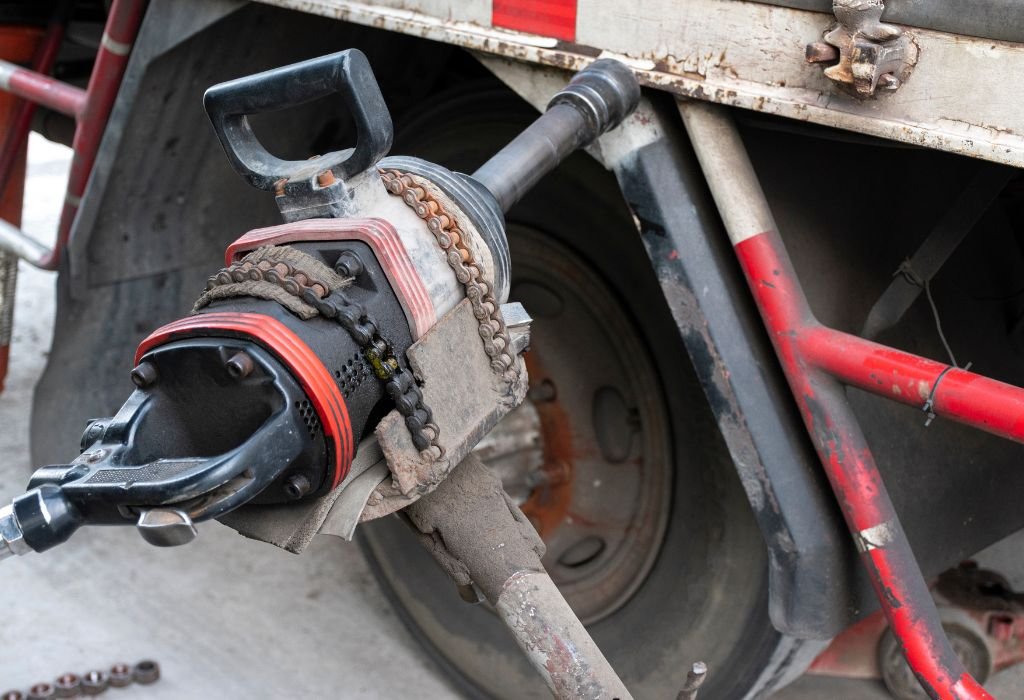
Air impact wrenches bring several benefits that make them stand out for heavy-duty use. They deliver high torque without relying on batteries, meaning power remains consistent throughout long tasks.
They are usually lighter than cordless models, since they don’t carry heavy batteries or motors. This reduces user fatigue during extended work. Air tools also run cooler and rarely overheat, making them more reliable in nonstop shop environments.
With proper oiling and care, air impact wrenches can last for years. Many mechanics consider them cost-effective in the long run, especially for frequent use.
Are air impact wrenches cost-effective for workshops?
Yes. Their durability and low maintenance make them a smart investment for professionals.
How much air pressure do they need to run effectively?
Most require 90 PSI, though larger models may need higher CFM and PSI ratings.
Limitations of Air Impact Wrenches
Despite their power, air impact wrenches have drawbacks. They require a compressor, hoses, and fittings, which adds cost and setup time. This makes them less practical for mobile use.
They are also noisier than cordless or corded tools, which can be an issue in small garages. The compressor itself needs maintenance, adding to the overall upkeep.
Can homeowners use them without a full compressor system?
Not effectively. A strong compressor is necessary to deliver proper torque.
Are they too noisy for small garages?
Yes. Without ear protection, the noise can be uncomfortable for long use.
Factors to Consider Before Choosing One
Before investing in an air impact wrench, think about your work environment. A professional shop with a compressor setup benefits the most, while a small home garage may not.
Frequency of use also matters. For daily heavy-duty jobs, air tools are the clear choice. For occasional use, cordless may be more practical.
Budget plays a role too. While the wrench itself is affordable, the cost of a quality compressor and accessories can be high.
Do you need a large compressor for heavy-duty tasks?
Yes. Larger compressors ensure consistent PSI and CFM for demanding jobs.
What PSI and CFM rating should you look for?
Most air wrenches need at least 90 PSI and around 4–6 CFM to work effectively.
Real-World Examples of Heavy Duty Jobs
Air impact wrenches shine in industries where torque and reliability matter most. In auto repair shops, they are the standard tool for removing and tightening lug nuts quickly.
Truck and tractor maintenance also depends on air tools. Their high torque is essential for loosening massive bolts found on heavy vehicles.
In industrial settings, they are used for equipment assembly and repair, where continuous power is crucial. Construction crews rely on them for fastening large structural bolts.
Why are air tools dominant in tire shops?
They allow mechanics to remove and reinstall tires rapidly without battery delays.
Do truck mechanics rely on air tools exclusively?
Mostly, yes. The torque needed for large bolts often exceeds what cordless or corded tools can handle.
Expert Tips for Using Air Impact Wrenches Safely
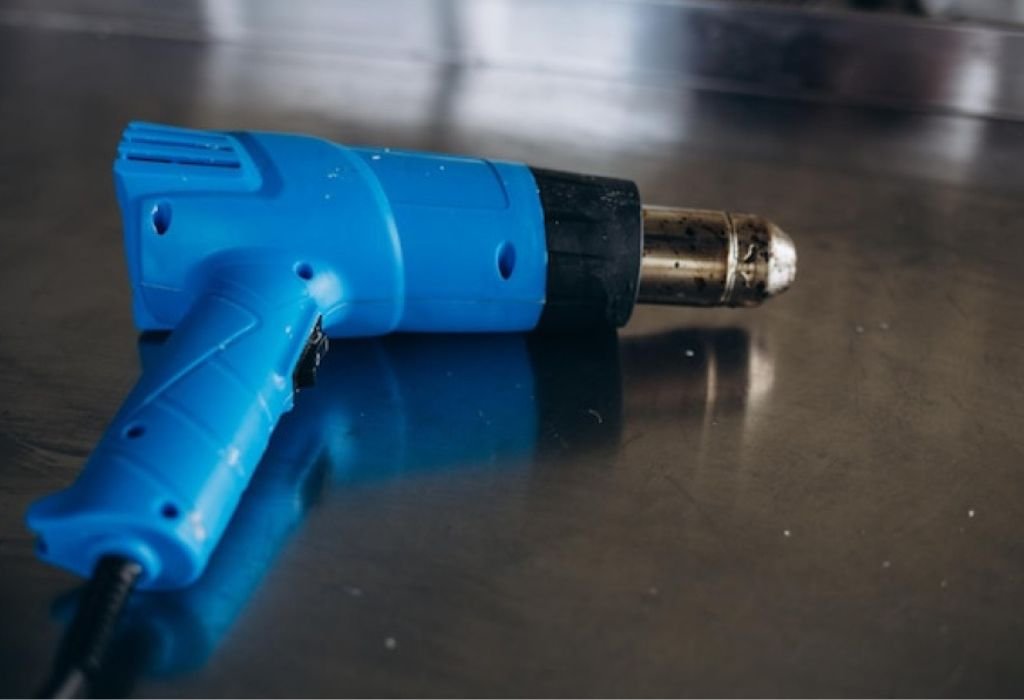
Using an air impact wrench correctly ensures both safety and tool longevity. Always check your compressor settings before starting. Too much pressure can damage the tool, while too little reduces performance.
Lubrication is key. A few drops of air tool oil before each use keep the internal parts moving smoothly. Regular maintenance extends the lifespan of both the wrench and the compressor.
Choose impact-rated sockets to avoid cracks or breakage under high torque. Safety gear like gloves, eye protection, and earplugs should always be part of your setup, especially in busy workshops.
FAQs About Air Impact Wrenches
1. Are air impact wrenches better than cordless for heavy duty jobs?
Yes. Air models deliver higher torque and last longer under continuous use, making them ideal for demanding work.
2. What size air compressor do I need for an air impact wrench?
Most wrenches require at least 90 PSI and 4–6 CFM, though larger wrenches may need more airflow.
3. Do air impact wrenches require a lot of maintenance?
Not much. A few drops of oil before each use and occasional cleaning keep them in good shape.
4. Why are air impact wrenches used in tire shops?
They provide the speed and torque needed to remove and reinstall lug nuts quickly and reliably.
5. Are air impact wrenches lighter than cordless tools?
Yes. Without heavy batteries, they are usually easier to handle for long periods.
6. Can I use a small portable compressor with an air impact wrench?
Not effectively. Small compressors often can’t deliver enough PSI and CFM for proper performance.
7. Do air impact wrenches overheat?
Rarely. They run cooler than electric models since compressed air powers the motor.
8. What sockets should I use with an air impact wrench?
Always use impact-rated sockets. Standard sockets may crack under high torque.
9. Are air impact wrenches noisy?
Yes. They produce more noise than electric models, so hearing protection is recommended.
10. Can air impact wrenches be used at home?
Yes, but you’ll need a suitable compressor. For occasional use, cordless tools may be easier.
11. Do professionals still prefer air impact wrenches?
Absolutely. Many auto shops, truck service centers, and industrial sites rely on them daily.
12. Are air impact wrenches cost-effective?
Yes. While the compressor adds upfront cost, the tool’s durability and long life make it a smart investment.
Conclusion
Air impact wrenches remain one of the best choices for heavy duty jobs. Their ability to deliver consistent high torque, run continuously, and last for years makes them a favorite in auto shops, trucking, and industrial work.
Cordless and corded tools have their advantages, especially in portability and convenience, but they rarely match the raw strength of air models for demanding tasks. For professionals who handle tough fasteners daily, air impact wrenches are still the go-to solution.
If you’re working in a shop with a compressor setup, an air impact wrench is a long-term investment worth making. For occasional home use, cordless may be more practical, but when it comes to serious heavy duty work, air is hard to beat.

I’m Michael R. Turner, the founder, lead writer, and passionate DIY enthusiast behind 101diytools.com. With years of hands-on experience in home improvement and power tools, I built this platform to share practical tips, in-depth guides, and honest reviews to help DIYers of all skill levels tackle projects with confidence and the right tools.