Can a VFD Power a Wide Belt Sander Safely?
Woodworkers often face a major challenge when trying to power heavy-duty machines like a wide belt sander—especially if their shop runs on single-phase power. The sander’s motor demands high torque and stable current, but upgrading the entire electrical system can be costly and complicated.
That’s when the question arises: can a VFD power a wide belt sander safely? A Variable Frequency Drive (VFD) is designed to control motor speed and torque by adjusting the frequency and voltage of the supplied power. It offers precise control, smoother starts, and energy efficiency.
According to industry data, VFD-controlled systems can reduce energy use by up to 30% while minimizing wear on belts and bearings. For workshops operating multiple machines, that translates into significant long-term savings.
Picture this: your 25-horsepower wide belt sander sits idle because your shop lacks three-phase power. Installing a properly sized VFD could revive it—allowing variable speed sanding, smoother belt starts, and better finish consistency.
However, pairing a VFD with such a powerful machine isn’t always straightforward. Incorrect sizing, poor cooling, or wiring mistakes can lead to overheating, reduced torque, or even permanent damage. This guide explains how to do it right—so your VFD-powered sander runs efficiently and safely for years.
What Is a VFD and Why Use One for a Motor Drive?

A Variable Frequency Drive (VFD) is an electronic device that converts incoming power and precisely controls an AC motor’s speed and torque. It works by changing the frequency and voltage of the electricity feeding the motor.
VFDs are used across industries to improve performance, reduce energy consumption, and protect motors from high starting currents. For woodworking shops, they’re especially useful for converting single-phase power to three-phase power.
What does a VFD do?
It regulates motor speed by adjusting electrical frequency, allowing fine control for various loads and materials.
Why would a shop use a VFD?
To achieve smoother starts, prevent electrical surges, and control belt speed for different sanding needs.
How is it different from a motor starter?
A starter only switches power on or off, while a VFD continuously manages motor behavior.
Can a VFD work on small and large motors?
Yes, VFDs range from small 1 HP units up to large industrial drives for 100 HP or more.
What are the safety benefits of using a VFD?
It reduces mechanical stress, protects wiring, and prevents voltage drops during startup.
What Does a Wide Belt Sander Demand from Its Drive System?
A wide belt sander is one of the most power-hungry machines in any woodshop. Its motor drives a heavy sanding drum and a long abrasive belt that constantly fights friction and load.
This kind of equipment requires stable torque, constant speed, and strong power delivery to ensure consistent sanding quality. Any variation in torque or belt speed can result in uneven finishes, burning, or premature belt wear.
What size motor does a wide belt sander usually have?
Most industrial models use motors between 15 and 40 HP, depending on the width and design.
Why is speed and torque consistency so critical?
Because fluctuations cause sanding marks, inconsistent finishes, and mechanical stress.
Do most sanders use three-phase motors?
Yes, almost all large sanders rely on three-phase motors for smoother power delivery and better reliability.
What happens if the drive system isn’t strong enough?
It can cause belt slip, motor overheating, and slower recovery under heavy loads.
Can changing speed improve sanding results?
Yes, adjusting belt speed helps tailor sanding aggressiveness for different materials and grits.
Can a VFD Power a Wide Belt Sander Safely?
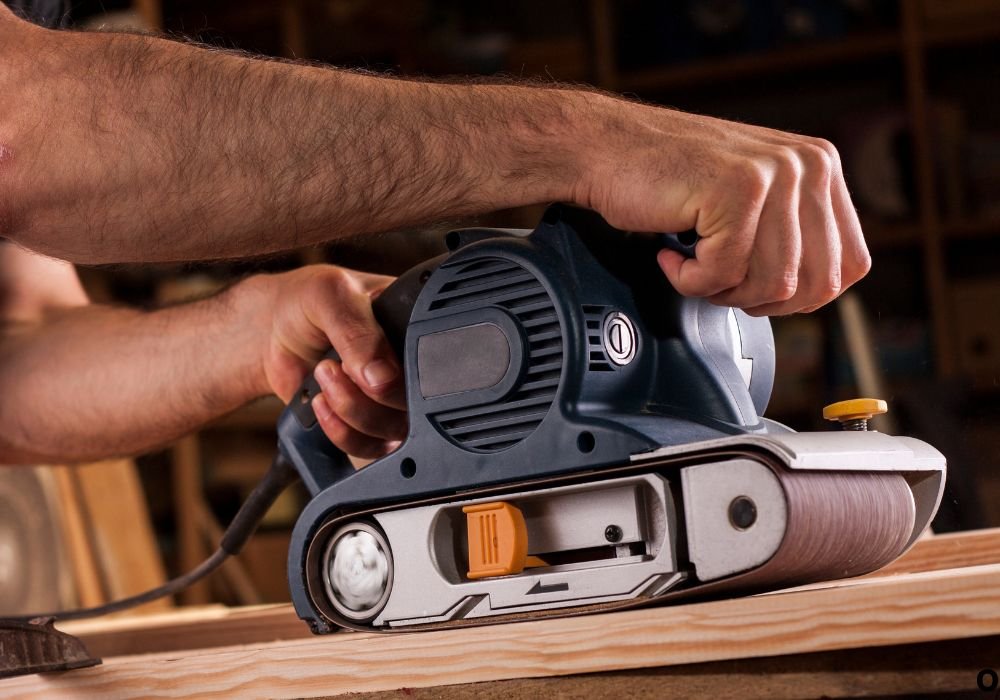
In most cases, yes — a properly sized and configured VFD can safely power a wide belt sander. But the keyword is “properly.” Matching motor specs, current draw, and cooling capacity is essential.
The VFD must be rated equal to or higher than the motor’s horsepower and handle peak current loads without overheating. Undersized or misconfigured VFDs can lead to dangerous operating conditions.
Does voltage and phase have to match?
Yes. The VFD output must match the motor’s rated voltage and phase (usually 230V or 460V three-phase).
Is motor insulation and cooling important?
Absolutely. Motors not designed for inverter duty can overheat at low speeds due to poor cooling.
Do mechanical loads affect VFD selection?
Yes. A wide belt sander’s heavy drum and belt tension require a drive with high overload tolerance.
Should the VFD exceed the motor’s HP rating?
Yes, by about 10–20% to handle startup torque and prevent overload trips.
What safety protections are required?
Over-voltage, over-current, phase loss, and thermal protection must be active in the VFD setup.
Step-by-Step: How to Install a VFD for a Wide Belt Sander
Installing a VFD correctly ensures both performance and safety. It involves careful wiring, configuration, and testing.
- Check motor specifications – Verify voltage, full-load current, and motor type (inverter-rated preferred).
- Select the correct VFD size – Choose a drive with equal or greater horsepower and overload capacity.
- Ensure proper input power – For single-phase shops, use a VFD capable of converting single-phase to three-phase output.
- Wire according to manual – Follow the wiring diagram for power, grounding, and control connections.
- Program drive parameters – Set motor voltage, amperage, acceleration/deceleration times, and max frequency.
- Test the system under no load first – Observe motor rotation, ramp-up time, and temperature.
- Gradually apply load – Increase sanding pressure while monitoring current draw and belt response.
What happens if the VFD is not programmed properly?
Incorrect settings can cause slow startup, overcurrent faults, or erratic belt speeds.
Should you add external filters or reactors?
Yes, for long cable runs or sensitive electronics, use line reactors or EMI filters to reduce interference.
Do VFDs need extra cooling?
Yes, large units require clean air circulation or separate enclosures to prevent overheating.
Is grounding important?
Extremely. Poor grounding can cause static buildup or electronic faults in both the drive and the sander.
Should you consult a technician?
Yes, professional wiring and testing ensure compliance with safety codes and manufacturer warranties.
Common Problems When Using a VFD with a Wide Belt Sander
Even with a properly installed system, some issues can arise due to heavy loads or improper settings. Understanding these challenges helps prevent damage and downtime.
What if the VFD is undersized?
It will trip frequently or overheat under load, risking both the drive and the motor.
Can running at low speeds cause overheating?
Yes. The motor fan moves less air at low speeds, so extra cooling may be necessary.
Why does the belt lose tracking or speed control?
Improper ramp settings or unstable voltage can affect torque consistency.
Can harmonics affect nearby tools?
Yes. VFDs create electrical noise that can interfere with other sensitive equipment.
How can maintenance prevent problems?
Clean the VFD enclosure regularly, check fan filters, and inspect wiring and belt tension every few months.
Benefits of Using a VFD for a Wide Belt Sander
When done right, pairing a VFD with a wide belt sander brings noticeable advantages for both safety and performance.
What are the main benefits?
Energy savings, adjustable belt speeds, soft start operation, and extended machine lifespan.
Can you fine-tune sanding performance?
Yes. VFDs allow precise speed adjustments for hardwoods, veneers, or fine finishing tasks.
Does it improve safety?
Soft start and overload protection reduce mechanical shock and prevent sudden motor failures.
Can it lower operational costs?
Yes. Energy-efficient control lowers electrical bills and maintenance costs.
Is noise reduced?
Yes. Controlled acceleration and smoother torque make operation quieter and steadier.
When You Should Avoid Using a VFD
Despite its benefits, not every setup is suitable for VFD use. In some cases, the risk outweighs the reward.
When should you avoid using a VFD?
If the motor isn’t inverter-rated, or if the sander uses multiple motors sharing one load system.
Can older motors be incompatible?
Yes. Older motors may lack insulation for inverter frequencies and overheat quickly.
What about extremely high horsepower machines?
VFDs over 50 HP require advanced wiring, cooling, and circuit protection—often best handled by professionals.
Does local power quality matter?
Yes. Poor voltage stability can cause nuisance trips or drive faults.
Is there a limit to long cable runs?
Yes. Excessive cable length between VFD and motor can create voltage spikes and EMI interference.
Conclusion
So, can a VFD power a wide belt sander safely? Yes—if you size it correctly, wire it properly, and configure the settings with care. A VFD can transform your sanding setup by offering smoother operation, adjustable speed, and significant energy savings.
For most workshops, the key is preparation. Know your motor specs, choose an inverter with enough capacity, and follow manufacturer guidelines during installation. When done right, a VFD doesn’t just make your machine work—it makes it work smarter.
If your goal is to boost sanding consistency, protect your equipment, and cut energy costs, a properly installed VFD is one of the smartest upgrades you can make in your shop.

I’m Michael R. Turner, the founder, lead writer, and passionate DIY enthusiast behind 101diytools.com. With years of hands-on experience in home improvement and power tools, I built this platform to share practical tips, in-depth guides, and honest reviews to help DIYers of all skill levels tackle projects with confidence and the right tools.