
Why You Should Power Wash Deck Before Sanding
A weathered deck often tells the story of countless summers, backyard gatherings, and changing seasons. Over time, the sun, rain, and foot traffic strip away its once-vibrant finish, leaving behind gray boards and peeling stains.
Many homeowners rush to grab a sander, eager to revive that faded beauty, yet overlook one essential step — power washing. This small but crucial task determines whether your restoration will last months or many years.
When a deck isn’t cleaned before sanding, debris and residue cling to the surface, clogging sandpaper and embedding grime deeper into the wood. A survey by the North American Deck and Railing Association found that more than 60% of premature deck coating failures result from improper preparation.
That single statistic highlights how much a clean surface matters. Properly power washing before sanding ensures a smoother finish, stronger stain adhesion, and a longer-lasting result.
Think of your deck like a canvas. Before an artist begins painting, they make sure the surface is clean and smooth.
Power washing does exactly that — it resets the deck’s surface, revealing fresh wood beneath layers of dirt, mildew, and worn finish. Without it, sanding becomes an uneven battle against contamination rather than preparation for perfection. Understanding why you should power wash deck before sanding is key to achieving a result that not only looks professional but also withstands the elements.
What Power Washing Actually Does
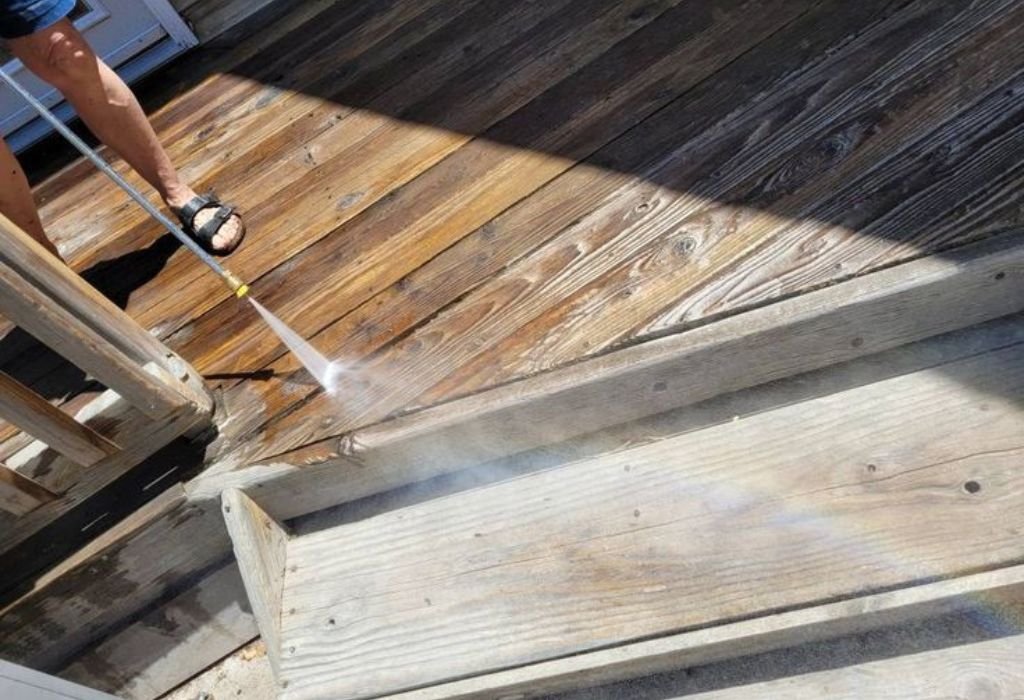
Power washing a deck involves more than spraying water. It’s a methodical process that uses controlled water pressure to remove dirt, mildew, old stain, and gray fibers that naturally develop on wood exposed to weather. Each pass of the nozzle restores the deck closer to its original grain, preparing it for sanding and refinishing.
Regular cleaning methods rarely reach the embedded grime or deteriorated layers of finish that accumulate in wood pores. A proper power wash penetrates deeper, eliminating contaminants that could later compromise your new coating. It helps restore the wood’s natural tone while opening pores so that stain and sealer can penetrate more evenly.
Wood fibers soften slightly after washing, which raises the surface texture. This is where sanding complements the process. Instead of scraping through dirt and old finish, sanding now smooths freshly cleaned wood, ensuring an even texture. That’s why professionals always emphasize cleaning before sanding — it transforms preparation from guesswork into precision.
Why You Should Power Wash Deck Before Sanding
The main reason to power wash before sanding lies in adhesion. Finishes, stains, and sealers need direct contact with clean wood fibers to bond effectively. Dirt, mold, or deteriorated stain acts as a barrier, preventing this bond and leading to peeling or uneven color. A power-washed deck exposes clean cellulose, giving the next layers something to hold onto.
Skipping the cleaning stage creates long-term issues. When old coatings remain under new finishes, trapped moisture can cause bubbling and early deterioration. Sanding without washing simply presses contaminants deeper into the surface, creating a patchy and inconsistent base. By removing them first, you allow sanding to level the surface rather than fight it.
Another advantage is efficiency. A deck that has been properly power washed requires less sanding effort, saving both time and abrasive material. The process also helps highlight damaged boards or loose nails that may otherwise go unnoticed beneath layers of dirt. Recognizing and fixing these problems early prevents structural issues and ensures uniform sanding results.
A clean surface also improves stain absorption. Stain applied to an unwashed deck sits unevenly on oily residues or mildew. Once cleaned, the pores of the wood open naturally, welcoming finish products more evenly. This ensures color uniformity, smoother texture, and longer resistance to sun and rain.
Timing and Technique of Power Washing
Timing plays a significant role in deck preparation. You should choose a clear, dry day when temperatures are moderate and humidity is low. Power washing immediately after rainfall or in extreme heat can lead to inconsistent drying, making sanding more difficult. The goal is to let the deck dry thoroughly afterward — typically 24 to 48 hours depending on weather and wood type.
The correct pressure level is crucial. Softwoods like pine or cedar can be damaged by excessive force, so experts recommend using a pressure washer set around 1200 to 1400 PSI. Hardwoods may tolerate slightly higher settings, but the principle remains: clean, don’t carve. Always maintain a consistent distance between the nozzle and the surface, generally about 8 to 12 inches.
Spray along the wood grain rather than across it. Moving with the grain prevents splintering and uneven etching. Wide-fan nozzles distribute pressure evenly, while narrow tips concentrate force and risk gouging. If mildew or algae is present, use a mild deck cleaner designed for wood rather than bleach, which can damage the fibers.
Once the deck is clean, patience becomes your next tool. Allow full drying time before sanding. Moisture trapped in the wood will clog sandpaper and prevent even smoothing. Professionals often use a moisture meter to ensure levels are below 15% before sanding begins. This simple check guarantees a flawless surface that’s ready for refinishing.
How Sanding Complements Power Washing
After the deck is fully dry, sanding refines the surface by removing raised fibers caused by water pressure. Power washing lifts these fibers slightly, exposing fresh wood. Sanding smooths them down, leaving a uniform surface for staining. The process transforms the deck from rough and weathered to clean and polished.
The ideal sandpaper grit typically ranges from 60 to 80 for most decks. Coarser grits remove heavy fiber raise and stubborn residue, while finer grits are used for finishing passes. Orbital or drum sanders can handle large flat areas, while smaller detail sanders or sanding sponges work around railings and corners.
Sanding after washing also eliminates any small imperfections left behind. When the deck hasn’t been cleaned, sanding can seal dirt beneath the surface. After power washing, each stroke of the sander works directly on bare wood, ensuring even results.
Once sanding is complete, it’s essential to remove dust completely. Fine wood dust can interfere with stain absorption just as dirt would. A blower or shop vacuum followed by a light rinse helps achieve a spotless surface. Allow the deck to dry once more before applying stain or sealer. This final step solidifies all previous work, ensuring the finish bonds tightly and evenly.
Common Mistakes to Avoid
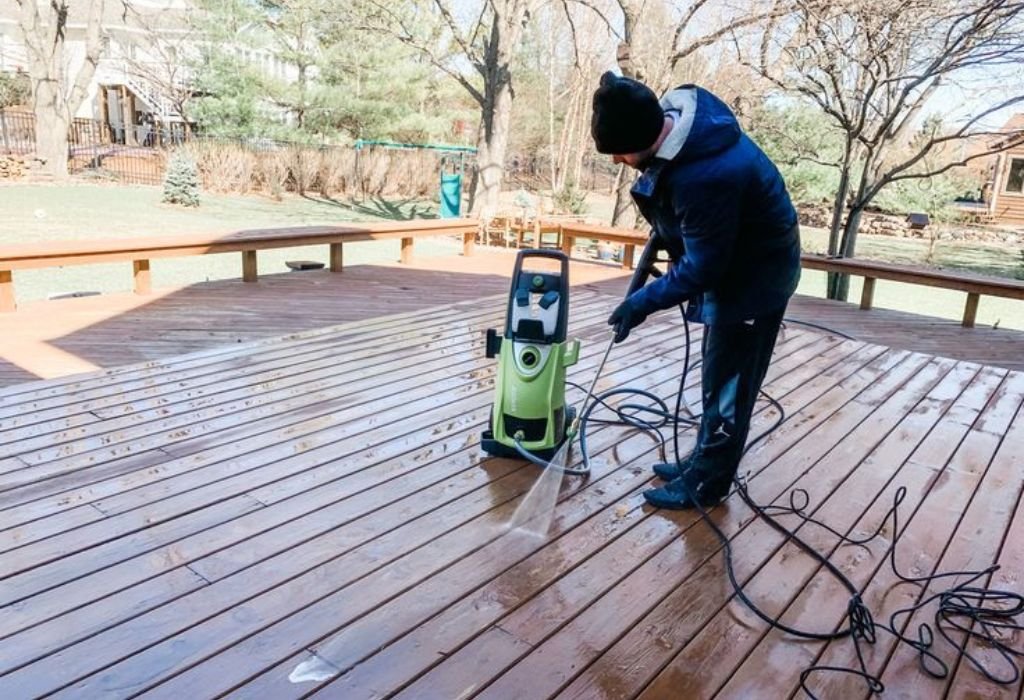
One of the most frequent mistakes homeowners make is using excessive pressure while washing. Too much PSI tears wood fibers, leaving behind visible grooves and rough patches that no amount of sanding can completely fix. Power washing should lift dirt, not destroy wood. Maintaining proper distance and motion keeps the deck intact.
Another common error is sanding while the deck is still damp. Moist wood clogs sandpaper almost instantly, creating uneven patches and streaks. Always verify dryness before beginning. Even a deck that feels dry on the surface can hold hidden moisture within its boards. Waiting an extra day can make a difference between a professional-looking result and one that deteriorates quickly.
Some also skip cleaning altogether, believing that sanding will take care of dirt and discoloration. However, sanding a dirty deck only embeds contaminants deeper. This not only shortens the life of the finish but can also cause blotchy areas once stain is applied. Cleaning first prevents these hidden flaws from surfacing later.
Neglecting inspection is another pitfall. Before power washing, loose boards, nails, and screws should be secured. If they aren’t, water pressure and sanding can worsen structural weaknesses. Fixing these issues first ensures that cleaning and sanding go smoothly.
Finally, rushing the drying process is an often-overlooked mistake. Some attempt to speed it up using heaters or direct sunlight, but uneven drying can warp boards and leave inconsistent moisture levels. Natural air drying remains the safest and most effective approach.
Environmental and Safety Considerations
Power washing should be performed responsibly. Deck cleaners and runoff water can affect surrounding plants and soil. Whenever possible, use biodegradable cleaning products specifically designed for wood surfaces. They dissolve mildew and grime without releasing harsh chemicals.
Wear protective eyewear, gloves, and non-slip shoes to prevent injuries. The combination of high-pressure water and wet wood can create slippery conditions. Keep electrical equipment away from the work area and make sure hoses are secured to avoid tripping hazards.
If your deck sits above landscaped areas, cover nearby plants with tarps or plastic sheeting. Rinse them afterward to dilute any overspray. Small measures like these preserve your garden while keeping the cleaning process environmentally safe.
How Proper Preparation Extends Deck Lifespan
Decks face relentless wear from sunlight, rain, and temperature swings. Proper maintenance, including power washing and sanding, directly influences how long the structure lasts. According to home improvement research, decks that are cleaned and refinished on schedule can last twice as long as those neglected or poorly prepped.
A clean surface not only improves appearance but also prevents rot. Mold and mildew thrive in dirt-filled cracks, holding moisture against the wood. Power washing removes these spores, while sanding helps seal the surface against future intrusion. When followed by a quality stain or sealer, the deck becomes resistant to water absorption and ultraviolet degradation.
By contrast, skipping the preparation steps often leads to premature fading, flaking, and warping. The finish may peel within months, forcing another round of maintenance. Properly cleaned and sanded wood, on the other hand, allows stain to penetrate deeply and lock in color. The result is a richer tone that resists peeling even under harsh weather.
Regular upkeep — typically annual cleaning and refinishing every few years — preserves structural integrity and aesthetics. With consistent care, a wooden deck can maintain its beauty and strength for decades.
Best Practices for Long-Term Deck Maintenance
Maintaining your deck’s longevity means embracing a cycle of care. Begin each season by inspecting for dirt, mold, or peeling areas. Power wash gently to clear away buildup, then assess whether sanding or refinishing is necessary. Light sanding between seasons can refresh the surface without requiring a full restoration.
Choose cleaning products and stains appropriate for your deck’s wood type. For example, cedar and redwood benefit from semi-transparent finishes that highlight natural grain, while pressure-treated pine may need more durable sealers. Always follow manufacturer directions for application and drying times.
Store furniture and planters off the deck during rainy months. Standing water accelerates wear and encourages mildew growth. A clean, unobstructed surface allows airflow and reduces moisture retention.
Finally, schedule a deep clean and re-seal every two to three years. Consistency is the secret to avoiding costly repairs. Power washing before each new coat ensures that every layer bonds to clean wood, maximizing protection and visual appeal.
Why the Sequence Matters Most
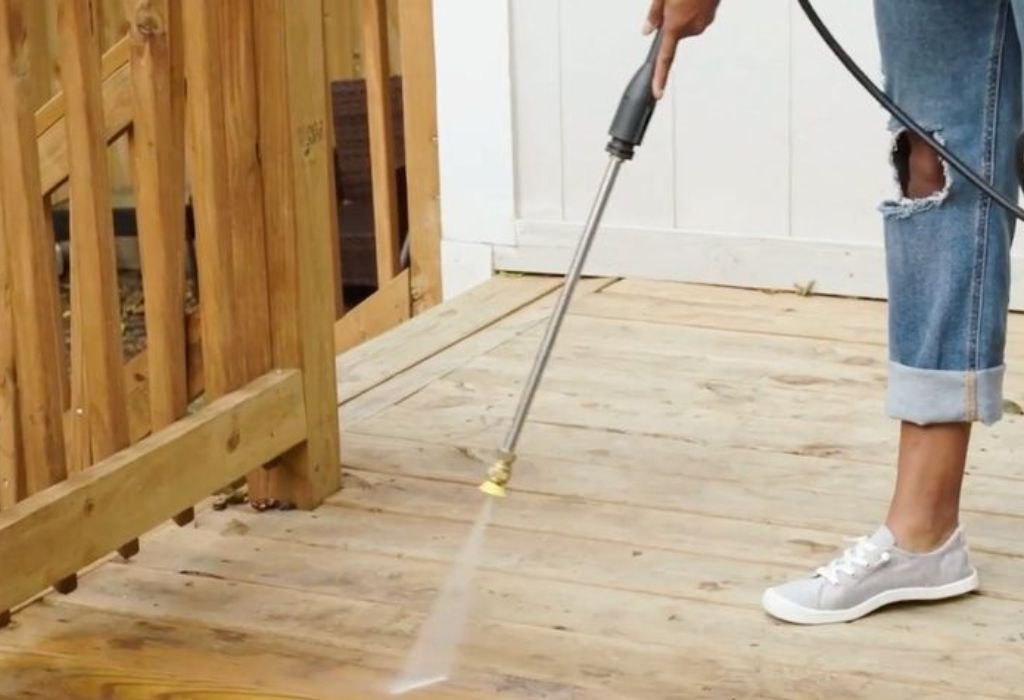
The success of any deck refinishing project depends largely on doing each step in the correct order. Power washing removes the contaminants, drying stabilizes moisture, sanding refines the surface, and finishing seals everything in place. Skipping or rearranging these steps disrupts the process.
When you power wash deck before sanding, you’re not just cleaning; you’re preparing the wood to respond better to sanding and coating. It’s the same principle contractors use for floors and siding — start with a clean, solid base. This ensures uniformity, adhesion, and durability, reducing the likelihood of future peeling or cracking.
Following this sequence also saves time. A deck that’s been thoroughly washed sands faster because debris no longer dulls sandpaper or clogs machines. Less effort and fewer materials mean lower overall costs.
More importantly, this method safeguards your investment. Replacing a deck can cost thousands, while routine maintenance costs a fraction. A single afternoon spent power washing properly can add years to your deck’s life.
Conclusion
Every wooden deck eventually shows signs of age, but with the right preparation, restoration becomes straightforward and rewarding. Understanding why you should power wash deck before sanding is the first step toward professional-grade results. Cleaning removes grime, mold, and old stain; sanding smooths and perfects the surface; staining seals and protects it all.
When you follow this proven sequence — clean, dry, sand, and finish — your deck not only looks rejuvenated but also stands stronger against time and weather. A well-maintained deck enhances outdoor living and increases property value, all while saving money on premature repairs.
Take advantage of the next sunny weekend to begin. Gather your tools, clear the surface, and start with a gentle yet thorough power wash. Allow the deck to dry completely, sand to perfection, and apply your finish evenly. The reward will be a deck that welcomes every season with renewed beauty and resilience.

I’m Michael R. Turner, the founder, lead writer, and passionate DIY enthusiast behind 101diytools.com. With years of hands-on experience in home improvement and power tools, I built this platform to share practical tips, in-depth guides, and honest reviews to help DIYers of all skill levels tackle projects with confidence and the right tools.