How Many Nm for Impact Wrench Is Really Needed
Every DIY mechanic or workshop owner faces the same question before buying an impact wrench — how many Nm for impact wrench is really enough? Choosing the correct torque rating can mean the difference between effortlessly removing a rusty bolt and stripping the threads on your car’s wheel studs.
In simple terms, Newton-metres (Nm) represent how much twisting force your impact wrench can deliver. Yet, most buyers overlook this detail and pick the most powerful model on the shelf, believing higher torque always means better performance. In reality, selecting the right torque range depends on the task, drive size, and the material you are working with.
Statistics show that over-tightening fasteners causes nearly 30 % of mechanical failures in automotive assemblies .This highlights why understanding torque values is not just about power — it’s about safety, precision, and tool longevity.
Imagine loosening a wheel nut torqued at 150 Nm with a 300 Nm cordless wrench. The process feels effortless, quick, and controlled. But if you use a 1000 Nm industrial model for the same job, you risk damaging the threads, sockets, or even the rim. The goal is to match your tool’s power to the job’s actual demand, not to overpower it.
This guide breaks down everything you need to know about how many Nm for impact wrench is ideal for each application — from tightening car lug nuts to handling heavy-duty truck bolts. By the end, you’ll know exactly which torque range fits your needs, saving both money and metal.
What Does Nm Mean and Why It Matters for an Impact Wrench
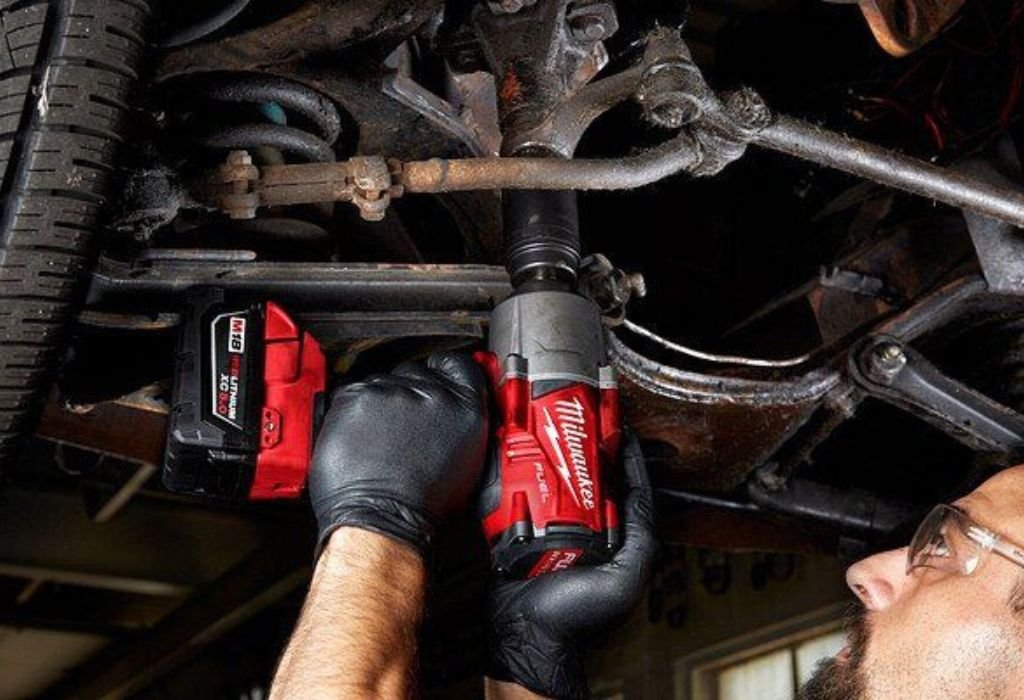
Before deciding how many Nm for impact wrench you actually need, it’s important to understand what “Nm” means. Newton-metres (Nm) measure torque — the twisting force that causes an object to rotate. In simpler terms, it’s the amount of strength your tool applies to turn a bolt or nut. The higher the Nm value, the more power the impact wrench delivers to break loose or tighten fasteners.
Most professionals also use foot-pounds (ft-lb) as an alternative unit. One Nm equals about 0.738 ft-lb. Understanding both helps you interpret tool specifications because manufacturers often list ratings in either or both units. For example, an impact wrench rated at 400 Nm provides roughly 295 ft-lb of torque, enough for most automotive tasks.
However, the torque figure on a box doesn’t always reflect real-world performance. Impact wrenches usually list maximum torque, working torque, and nut-busting torque. Maximum torque is the highest momentary force the motor can generate. Working torque indicates consistent usable power during normal operation, and nut-busting torque represents the peak force when loosening stubborn bolts. Confusing these ratings often leads buyers to choose the wrong model for their needs.
Torque matters because using too little power can leave bolts under-tightened, while excessive torque can strip threads or snap fasteners. In automotive and industrial jobs, the right torque directly affects safety and reliability. By understanding what Nm actually measures and how it translates into real performance, you’ll be better equipped to judge whether a 300 Nm or 1000 Nm impact wrench truly fits your work requirements.
Typical Nm Ranges for Impact Wrench Applications
Not every job requires the same level of torque. The right Nm for impact wrench depends on what you’re tightening or loosening, the drive size, and the type of material involved. Below are the typical ranges across different categories.
Light-Duty (Cars and Motorcycles)
For basic automotive maintenance, a compact 3/8-inch or 1/2-inch impact wrench rated between 100 Nm and 250 Nm is sufficient. Most car lug nuts are torqued to around 110–190 Nm, depending on manufacturer specifications (source). This means a 250 Nm wrench easily covers these needs while remaining lightweight and easy to control.
Motorcycle applications require even less torque, usually 40–120 Nm for axle and engine bolts. A lower-torque model prevents over-tightening and component damage.
Medium-Duty (SUVs and Light Trucks)
Vehicles with larger wheels, thicker bolts, and higher torque specs need more power. A ½-inch drive wrench in the 400–800 Nm range is ideal for these tasks. These tools can remove wheel nuts torqued to 200 Nm or more and handle suspension and chassis components that require extra force (source).
Cordless models in this category, such as high-torque lithium-ion impact wrenches, often advertise 700–900 Nm of maximum torque but deliver around 500–600 Nm working torque — enough for most heavy DIY and professional automotive jobs.
Heavy-Duty (Commercial Trucks, Machinery, Industrial Work)
For large trucks, agricultural equipment, and industrial bolts, power levels jump significantly. Tools with 800–2000 Nm torque ratings are common, with 3/4-inch or 1-inch drives providing the muscle required. Pneumatic impact wrenches are typical in these scenarios because of their consistent power delivery and durability.
According to Ingersoll Rand, one of their 1-inch industrial air models produces up to 2715 Nm (about 2000 ft-lb) of torque, capable of breaking free even rust-fused bolts (source). Such power levels are unnecessary for average vehicle maintenance but crucial for construction and fleet work.
Why the Range Varies So Much
The wide range exists because several variables affect required torque — bolt size, thread condition, lubrication, and drive size. A corroded bolt demands far more force than a new, clean fastener. Additionally, pneumatic tools often outperform cordless ones because air power delivers steadier torque.
Understanding these ranges ensures you pick a wrench that matches your real tasks, not just one with the biggest numbers on paper.
How to Choose the Right Nm Rating When Buying an Impact Wrench
Selecting the right torque rating can feel overwhelming, but breaking it down by need makes the decision simpler.
Step 1: Assess Your Workload
Ask what type of fasteners you usually handle. Occasional tire rotations or furniture assembly only need around 150–250 Nm, while mechanical or truck work demands 600 Nm or more.
Step 2: Match Drive Size to Your Needs
Drive size indicates how much torque the tool can handle.
- 3/8-inch: light tasks (100–200 Nm)
- 1/2-inch: standard automotive work (200–800 Nm)
- 3/4-inch or 1-inch: heavy or industrial jobs (800 Nm–2000 Nm)
Each step up adds power but also weight and cost (source).
Step 3: Consider Tool Type — Cordless vs Pneumatic
Cordless impact wrenches are more convenient and now nearly as powerful as air models. A 500–800 Nm cordless unit handles most vehicles comfortably. Pneumatic wrenches, however, deliver consistent torque without battery limits and excel in continuous, high-torque applications.
Step 4: Avoid Over-Specifying Torque
Buying the highest Nm model might seem smart, but it can be counter-productive. High-torque tools are heavier, more expensive, and harder to control. They can damage smaller bolts and wear out sockets faster. Use only as much torque as needed to complete the job safely (source).
Step 5: Check Manufacturer Specifications
Always read the torque breakdown in the datasheet. Many list max forward torque, reverse torque, and nut-busting torque separately. Understanding these distinctions prevents unrealistic expectations and helps you compare tools accurately.
Step 6: Always Finish with a Torque Wrench
An impact wrench is perfect for loosening or quickly tightening bolts, but final tightening should be done with a manual torque wrench. It ensures exact specification compliance, especially on wheels and structural components.
Step 7: Balance Price and Performance
For home mechanics, a mid-range cordless 400–600 Nm tool provides ample performance. Professionals who handle heavy jobs daily can justify 800 Nm+ air or hybrid models. The goal is to find the sweet spot between convenience, durability, and the level of torque required.
Common Mistakes and Misconceptions About How Many Nm for Impact Wrench
Mistake 1: Believing More Torque Is Always Better
Many assume higher torque equals better performance. However, excessive power can shear fasteners or deform components. For smaller bolts, a lighter wrench around 200 Nm provides better control and safety.
Mistake 2: Ignoring Real-World Working Torque
Marketing numbers often highlight “maximum torque,” but everyday use relies on working torque. That’s usually 60–70 % of the max rating. Choosing based only on inflated specs can disappoint when the wrench struggles on tough bolts.
Mistake 3: Confusing Impact Wrench with Torque Wrench
An impact wrench provides speed and power, but it’s not designed for exact torque calibration. Always finish tightening with a torque wrench to meet manufacturer recommendations and prevent over-torqueing.
Mistake 4: Using Non-Impact Sockets
Regular chrome sockets can crack or shatter under repeated impact blows. Always use impact-rated sockets that match your tool’s torque capacity to maintain safety.
Mistake 5: Ignoring Drive Size Compatibility
Using a large-torque wrench on small fasteners creates unnecessary stress. Match the drive size and torque output to the fastener type to extend both tool and socket life.
Practical Examples and Use-Cases
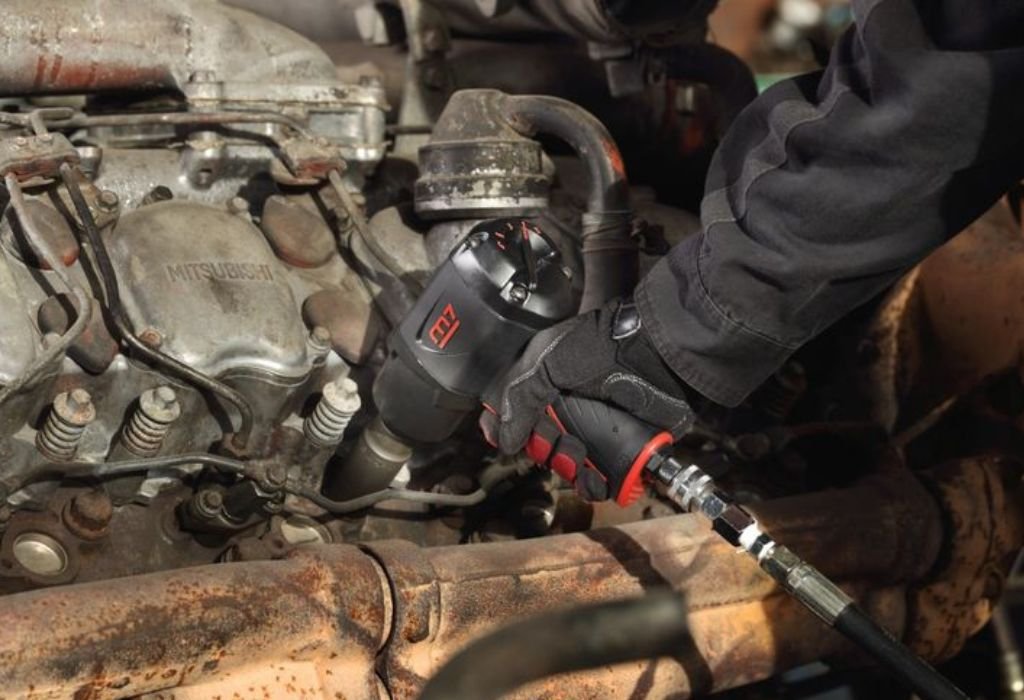
Example 1: Car Wheel Lug Nuts
Most car lug nuts tighten between 110 Nm and 150 Nm. A 300 Nm cordless impact wrench easily removes them without damage. Perfect for weekend tire changes or brake maintenance.
Example 2: SUV or Light Truck Suspension
These components may require 400–700 Nm. Choose a mid-to-high torque 1/2-inch impact wrench for efficient removal and installation.
Example 3: Heavy Truck or Machinery Bolts
Bolts on trailers, tractors, or machinery often exceed 1000 Nm. Here, a 3/4-inch pneumatic wrench rated for 1500–2000 Nm performs best, especially for rusted or oversized fasteners.
Example 4: Industrial or Construction Equipment
Steel-frame assembly or structural work can require 2000 Nm+. Specialized 1-inch impact wrenches handle these extreme conditions safely and efficiently.
Safety and Efficiency Tips
Always wear gloves and eye protection when using an impact wrench. Maintain stable footing and let the tool’s hammer mechanism do the work. Periodically clean and lubricate the tool to maintain torque accuracy. After tightening, confirm critical bolts using a calibrated torque wrench to ensure safety compliance.
Summary and Recommendation
The question how many Nm for impact wrench doesn’t have a single answer because torque needs vary by task. Yet, general ranges provide a reliable guide:
| Application | Drive Size | Ideal Torque Range (Nm) |
| Motorcycle & small engine work | 3/8-inch | 40 – 120 Nm |
| Passenger car maintenance | 1/2-inch | 100 – 250 Nm |
| SUV & light truck service | 1/2-inch | 400 – 800 Nm |
| Commercial truck & machinery | 3/4-inch | 800 – 1500 Nm |
| Industrial & construction bolts | 1-inch | 1500 – 3000 Nm |
Choosing an impact wrench that fits within these ranges ensures reliable performance without excess cost or weight. Always verify the working torque and ensure compatibility with your most frequent task.
When in doubt, pick a wrench offering 20 % more torque than your toughest job requires. This margin provides flexibility without overshooting safe limits.
Conclusion
Understanding how many Nm for impact wrench is truly needed helps avoid wasted money, broken bolts, and stripped threads. Torque isn’t just about raw power; it’s about precision, control, and safety.
Select a wrench that matches your typical workload, use impact-rated sockets, and always finish tightening with a torque wrench. By aligning the right torque range with your specific job, you’ll gain maximum efficiency, longer tool life, and a smoother workflow — no matter what you’re building, fixing, or restoring.

I’m Michael R. Turner, the founder, lead writer, and passionate DIY enthusiast behind 101diytools.com. With years of hands-on experience in home improvement and power tools, I built this platform to share practical tips, in-depth guides, and honest reviews to help DIYers of all skill levels tackle projects with confidence and the right tools.