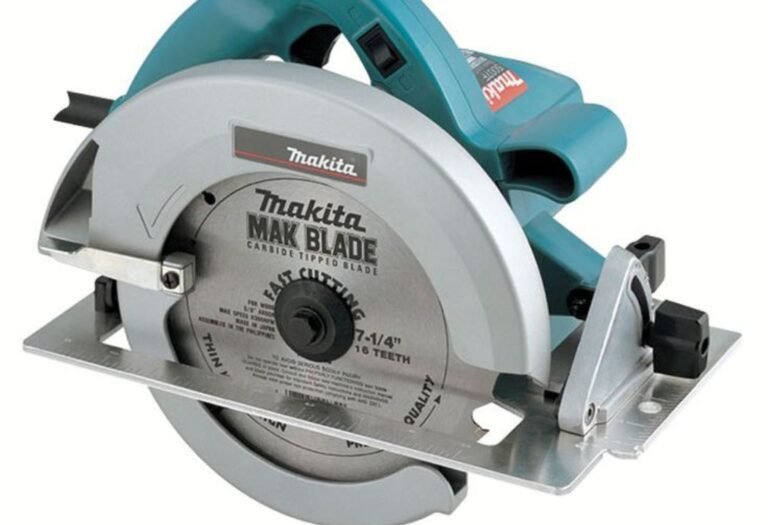
Are Electric Impact Wrenches Good and Reliable
In every garage and workshop, there comes a moment when a stubborn bolt refuses to move no matter how hard it’s turned. That’s when many people wonder whether switching to an electric impact wrench could be the answer. The question often asked is simple yet important — are electric impact wrenches good enough to handle real-world jobs?
Modern electric impact wrenches have transformed how mechanics, construction workers, and DIY enthusiasts approach fastening and loosening tasks. Unlike traditional manual tools, these machines deliver rotational force combined with rapid hammering impacts to break free even the most rusted fasteners. According to a 2025 Car and Driver test, some cordless electric models now deliver over 1,200 ft-lb of breakaway torque, rivaling mid-range pneumatic systems. Source
The rise of brushless motors and high-capacity lithium-ion batteries has made electric impact wrenches more powerful and portable than ever. Users no longer need bulky air compressors or long hoses to reach tight spaces. As a result, electric tools are finding their way into tire shops, home garages, and even professional assembly lines.
However, power alone doesn’t determine reliability. Factors like torque control, battery longevity, and motor efficiency decide whether an electric impact wrench truly performs as advertised. A study by ToolGuyd found that over 65% of tool owners now prefer cordless electric wrenches for convenience, but many still debate their long-term durability. Source
This article explores whether electric impact wrenches are genuinely good — and whether they can replace pneumatic models for everyday use. From performance comparisons to durability insights, it uncovers what makes these tools reliable choices for both professionals and weekend builders.
What Is an Electric Impact Wrench?
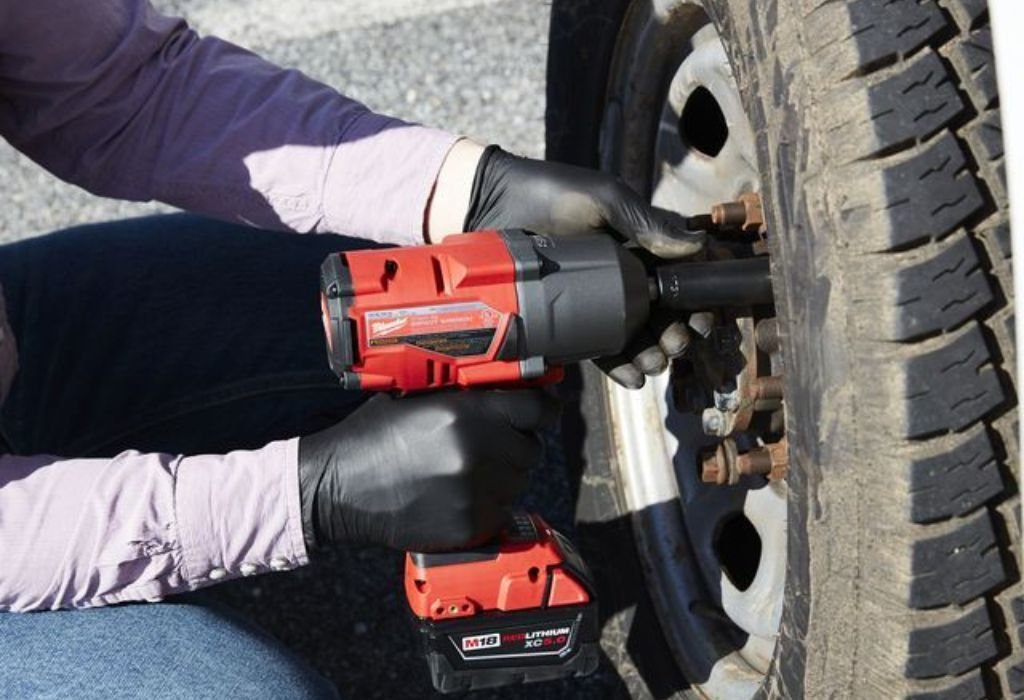
An electric impact wrench is a high-torque power tool designed to tighten or loosen nuts and bolts effortlessly. It delivers short, strong bursts of rotational force, allowing users to break free even seized or rusted fasteners without excessive manual effort.
Unlike manual wrenches that rely on muscle power, electric impact wrenches use a motor-driven hammering mechanism to generate consistent torque. The result is a tool that can deliver several hundred foot-pounds of torque in seconds, making it invaluable in automotive repair, metalworking, and heavy equipment maintenance.
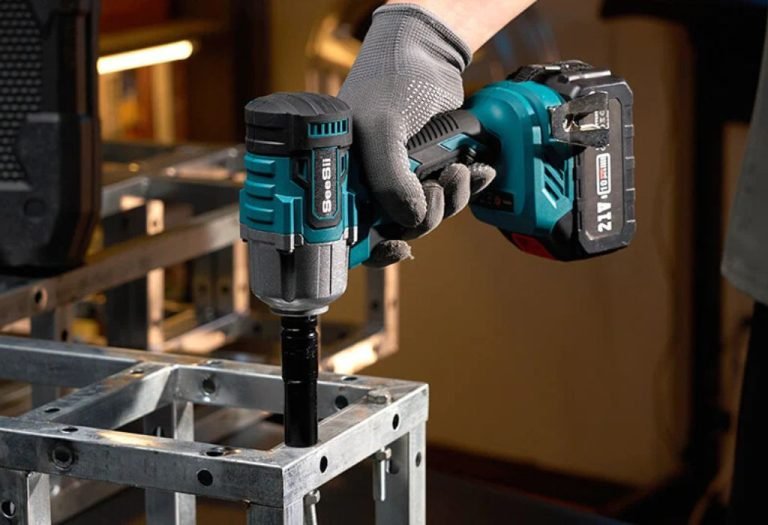
There are two main types: corded and cordless. Corded models plug directly into an outlet and offer continuous power, making them ideal for workshop environments. Cordless models, on the other hand, are powered by rechargeable lithium-ion batteries and provide unmatched portability — a major reason why many users ask are electric impact wrenches good for field work or on-the-go jobs.
Most electric impact wrenches use a ½-inch drive size, suitable for tasks like removing car lug nuts or assembling machinery. Higher-end versions come with ¾-inch or 1-inch drives for industrial applications that demand greater torque. The technology behind them — especially brushless motors — ensures better energy efficiency and reduced wear compared to brushed counterparts.
When compared with pneumatic impact wrenches, electric models eliminate the need for bulky air compressors and hoses. This difference gives them a clear advantage in terms of mobility, setup time, and noise reduction.
Yet, the simplicity of operation doesn’t mean compromise in power. Many modern electric impact wrenches now match or even exceed the torque levels of mid-range air tools, proving that electric power can compete head-to-head with compressed air systems in real performance scenarios.
Are Electric Impact Wrenches Good? Performance & Reliability
The performance of electric impact wrenches has improved dramatically over the past decade. Early models were often dismissed as underpowered, but today’s brushless and high-voltage systems have closed the gap between electric and pneumatic designs.
Performance – Power, Torque & Usability
Torque is the heart of every impact wrench. High-end cordless units like the Milwaukee M18 Fuel or DeWalt DCF899 can generate over 1,000 ft-lb of fastening torque, which is more than enough for wheel lugs, suspension bolts, or machinery assembly. Source
For DIYers, a mid-torque electric wrench usually provides ample power for home maintenance or automotive repairs. Adjustable speed settings allow users to control torque precisely, reducing the risk of over-tightening or stripping threads. The ergonomic grip and balanced design of newer models also reduce fatigue during prolonged use.
Reliability – Durability, Build Quality & Maintenance
When evaluating reliability, two factors matter most: build materials and motor technology. Electric impact wrenches with brushless motors generate less heat, have fewer moving parts, and require minimal maintenance compared to brushed motors. Many brands now design casings using reinforced composite shells that resist drops, vibration, and dust exposure.
Durability also depends on usage frequency. For occasional home use, even budget-friendly electric wrenches can last several years. Professionals using the tool daily may need heavy-duty models with heat-resistant rotors and advanced cooling systems. Regular lubrication and using the correct impact sockets further extend lifespan.
Limitations & Challenges
Despite their power, electric impact wrenches are not perfect. Cordless models depend on battery life, and prolonged heavy-duty work can drain power quickly. Large-scale industrial operations may still prefer pneumatic tools for continuous duty cycles.
Electric models can also feel heavier due to the integrated motor and battery pack. Tight spaces can be challenging when the tool’s head length exceeds several inches. However, compact and right-angle versions now exist to solve this issue.
In short, modern electric impact wrenches are powerful and reliable — but they must be chosen according to task requirements.
Pros and Cons of Electric Impact Wrenches
Pros
Electric impact wrenches deliver significant advantages over older technologies. The absence of air hoses or compressors makes them portable and easy to set up anywhere. Cordless versions allow mechanics to work in driveways, parking lots, or rooftops without external equipment.
Advanced brushless motors increase efficiency and torque consistency, while lithium-ion batteries maintain voltage stability even at low charge levels. According to Popular Mechanics, the best cordless impact wrenches in 2025 now feature variable-speed triggers and electronic brake systems for safety and precision. Source
Electric impact wrenches are also quieter, reducing workplace noise and fatigue. Their minimal maintenance requirements — no oiling or air-hose connections — make them ideal for homeowners or occasional users.
Cons
Battery runtime remains the biggest limitation. Heavy usage can quickly deplete even large 5.0 Ah or 8.0 Ah packs, requiring backup batteries for continuous work. Some models also exhibit torque fade when batteries near depletion.
While most mid-range electric wrenches provide adequate power, they still lag behind industrial pneumatic versions in torque per dollar. Corded versions restrict movement, and the cords can be inconvenient in tight work areas.
Electric wrenches also cost more upfront than manual or pneumatic counterparts, especially once spare batteries and chargers are included. However, for most users, the trade-off is worthwhile given the mobility and time savings.
Value Summary
For typical automotive and home repair tasks, electric impact wrenches provide outstanding value. Their mix of portability, convenience, and power makes them ideal for mechanics, construction crews, and DIYers. For continuous heavy-duty applications, pneumatic systems still dominate, but the performance gap continues to narrow each year.
How to Choose a Good Electric Impact Wrench
Buying the right model determines whether the tool will meet expectations. Here’s how to identify the features that make an electric impact wrench truly good and reliable.
Key Specs to Consider
- Torque Rating: Match torque to your tasks. Light automotive use requires 250–400 ft-lb, while truck or equipment work may need 800–1,200 ft-lb.
- Impact Rate: A higher IPM (impacts per minute) ensures smoother loosening of seized bolts.
- Drive Size: ½-inch is standard for cars; ¾ or 1-inch drives handle industrial bolts.
- Motor Type: Choose brushless for longer life and efficiency.
- Battery Voltage & Capacity: Cordless units between 18 V and 24 V offer good balance between power and runtime.
- Weight & Balance: Ergonomic designs with rubberized grips reduce strain during repetitive work.
Application-Based Selection
Different users have different needs. A compact ⅜-inch model suits furniture assembly or light fastening. Automotive enthusiasts prefer mid-torque ½-inch versions for wheel nuts. Heavy-equipment technicians often use ¾-inch corded or 60 V cordless tools for industrial bolts.
Consider the frequency of use. Occasional users can opt for affordable consumer-grade models, while professionals should invest in heavy-duty or brushless designs.
Brand & Support
Reputable brands like DeWalt, Milwaukee, Makita, Bosch, and Ryobi offer better warranty coverage and service networks. Compatibility with existing battery platforms (e.g., M18, 20V MAX, LXT) saves long-term costs.
Buying from authorized dealers also ensures access to replacement batteries, chargers, and parts — essential for maintaining reliability over years of service.
Maintenance & Safety Tips
Use only impact-rated sockets to prevent breakage. Avoid overtightening by selecting proper torque settings or using a torque wrench for final tightening. Keep battery terminals clean, store packs at room temperature, and recharge before full depletion to preserve lifespan.
Routine cleaning after dusty jobs and periodic inspection of hammer mechanisms also extend motor life.
Practical Use Cases: DIY, Automotive, Professional
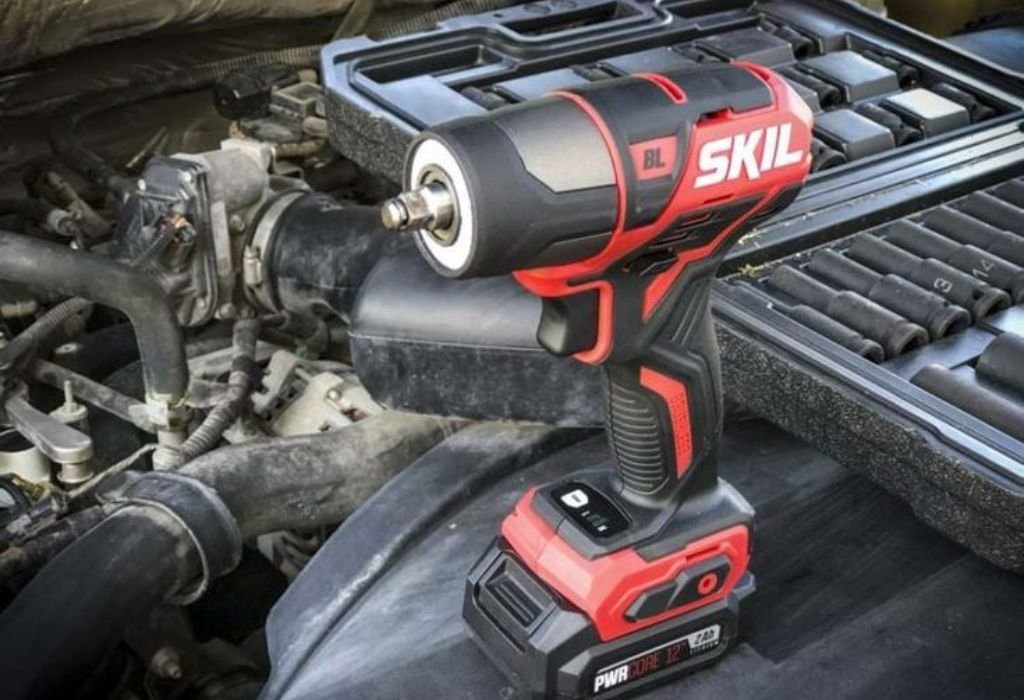
DIY and Home Use
For homeowners, electric impact wrenches make assembly and repair tasks far easier. Whether tightening anchor bolts, building decks, or repairing lawn-equipment blades, these tools save time and reduce strain.
Their plug-and-play nature means no compressor setup or air-line management. For occasional users wondering are electric impact wrenches good, the answer is yes — especially when convenience outweighs extreme torque demands.
Automotive and Garage Use
In automotive repair, electric impact wrenches shine. They remove lug nuts, brake-caliper bolts, and suspension fasteners in seconds. Tests by Car and Driver revealed that high-torque cordless models can outperform air tools when portability is required. Source
Mechanics appreciate reduced noise and vibration, as well as the ability to switch between modes quickly. The availability of compact versions allows easier access around wheel wells and undercarriages.
Professional and Industrial Use
Professionals working in manufacturing, construction, or fleet maintenance increasingly rely on electric impact wrenches. Corded models provide continuous torque for assembly lines, while cordless versions offer flexibility for remote sites.
Although pneumatic tools still dominate in high-volume production environments, electric options reduce maintenance costs and simplify logistics by removing the need for compressed-air systems.
Are Electric Impact Wrenches Good and Reliable? Final Verdict
So, are electric impact wrenches good? The evidence overwhelmingly suggests yes. With brushless motors, advanced batteries, and smart torque control, modern electric models deliver exceptional performance for most users.
They offer a rare balance of power, convenience, and reliability. For DIYers and mechanics, the cordless category is especially appealing — fast, portable, and capable of tackling jobs once reserved for air-powered tools.
Still, expectations should align with intended use. Continuous industrial applications may favor pneumatic systems, while all-round workshops can confidently rely on electric versions for everyday work. With proper care and correct model selection, these wrenches can last years of consistent service.
Conclusion
If you’ve been wondering are electric impact wrenches good, the answer is a confident yes. They provide an efficient, portable, and increasingly powerful alternative to traditional air tools.
Electric impact wrenches combine strength with simplicity — offering high torque without compressors or hoses. Their versatility suits home garages, workshops, and professional job sites alike.
Before purchasing, evaluate torque needs, battery life, and brand reliability to ensure lasting performance. For most users, an electric impact wrench represents one of the most practical and rewarding power-tool investments available today.

I’m Michael R. Turner, the founder, lead writer, and passionate DIY enthusiast behind 101diytools.com. With years of hands-on experience in home improvement and power tools, I built this platform to share practical tips, in-depth guides, and honest reviews to help DIYers of all skill levels tackle projects with confidence and the right tools.