What Is a Hog Ring Anvil on an Impact Wrench
Sockets flying off or slipping during tough jobs is a common frustration for mechanics. The key to preventing this may lie in the type of anvil your impact wrench uses.
Many users assume all impact wrench anvils are the same, but the mechanism can significantly affect performance, safety, and efficiency. According to industry data, improper socket retention accounts for up to 15% of impact wrench mishaps in automotive repair (source).
This article explains what a hog ring anvil is, how it works, compares it with pin detent anvils, explores real-world applications, and provides tips for maintenance and troubleshooting. Understanding this mechanism ensures secure socket retention, faster workflow, and safer operations.
What Is an Anvil on an Impact Wrench?
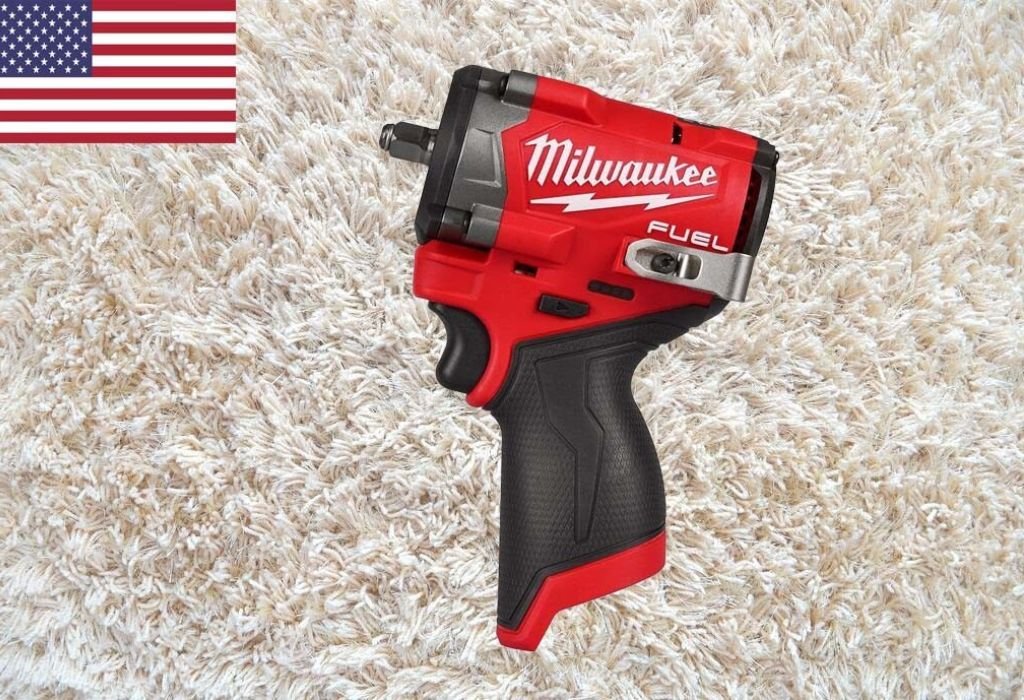
An anvil is the component of an impact wrench that holds and drives the socket. It transfers torque from the wrench to the fastener while keeping the socket securely in place.
Anvils are typically made from hardened steel and come in standard square drive sizes such as 1/2-inch and 3/8-inch. The design affects both torque transfer and socket retention, influencing how efficiently and safely a tool operates.
What is the main function of an anvil?
It transfers torque from the tool to the socket while keeping it securely held.
What sizes are common?
1/2-inch and 3/8-inch square drives are industry standard.
Does anvil type affect performance?
Yes. Design influences torque efficiency and socket retention.
Why is the anvil hardened?
To resist wear and maintain performance under high torque conditions.
What Is a Hog Ring Anvil?
A hog ring anvil uses a spring-loaded metal ring to lock the socket in place. This mechanism allows the socket to snap onto the anvil securely while enabling fast removal.
Compared with pin detent anvils, hog ring systems are faster, safer, and more reliable. They reduce the risk of accidental socket release and provide consistent torque transfer.
How does a hog ring anvil work?
A spring-loaded ring holds the socket firmly until removed.
Can you swap sockets quickly?
Yes. The spring retention allows faster changes than pin detent systems.
Is it compatible with all sockets?
Most standard sockets fit, but deep or specialty sockets may require verification.
Does it improve safety?
Yes. It reduces the chance of sockets flying off during high-torque applications.
Why choose a hog ring over pin detent?
Faster socket changes and stronger retention under heavy torque conditions.
Pin Detent vs Hog Ring Anvils
Pin detent anvils use a small spring-loaded pin to lock sockets in place. While effective, they can wear over time or fail under extreme torque.
Hog ring anvils provide faster socket changes and improved retention, making them ideal for heavy-duty automotive or industrial applications. Torque transfer efficiency is similar for both, but hog ring designs reduce wobble slightly.
Is pin detent less secure?
Sometimes. It may fail under high torque or if the pin wears.
Which is faster to change sockets?
Hog ring anvils allow quicker changes due to the spring mechanism.
Which is more durable?
Hog ring anvils generally last longer under repeated high-torque use.
Does torque transfer differ?
Both are effective, but hog ring may slightly reduce wobble.
Which do professional mechanics prefer?
Hog ring anvils are preferred for automotive and heavy-duty tasks.
Applications of Hog Ring Anvils
Hog ring anvils are widely used in automotive repair, especially for lug nuts and suspension bolts. Industrial assembly lines also favor them for efficiency and safety.
They reduce downtime by allowing quick socket swaps and secure retention during high-torque operations. Mechanics and shop owners value these anvils for both speed and reliability.
Are hog ring anvils good for lug nuts?
Yes. They hold sockets firmly under high torque.
Can they be used in workshops?
Absolutely. They are common in professional garages and industrial tools.
Do they work with deep sockets?
Yes, but always check compatibility with the anvil.
Do they reduce accidental socket release?
Yes. The spring ensures sockets stay secure even under vibration.
Maintenance and Best Practices
Regular maintenance extends the life of a hog ring anvil. Clean the anvil and ring to remove debris, and lubricate lightly to prevent rust and friction.
Inspect the spring regularly. Replace it if sockets begin to slip or the retention weakens. Avoid exceeding the tool’s rated torque to prevent damage.
How often should I maintain the anvil?
Check and clean it before heavy use sessions.
Can the spring wear out?
Yes. Replace it if sockets start slipping.
Does lubrication help?
Yes. It reduces friction and extends the life of the mechanism.
Is disassembly recommended?
Only if you are experienced or following manufacturer instructions.
Troubleshooting Common Problems
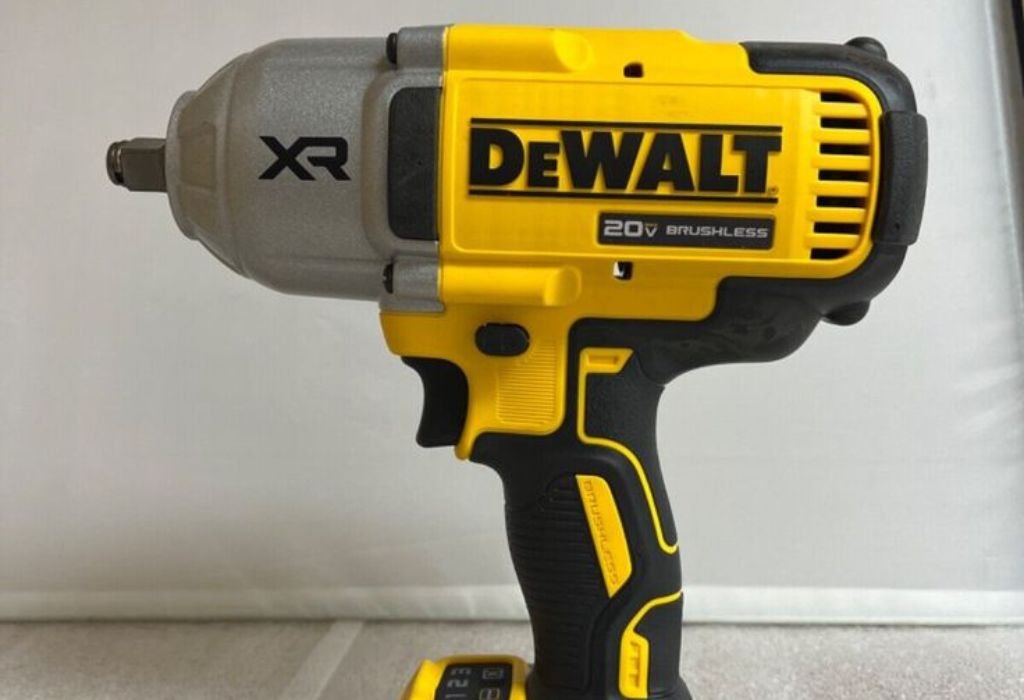
Sockets may stick, fall off, or rotate in the anvil due to wear, debris, or excessive torque. Check the ring and spring regularly and ensure proper socket seating.
Why does the socket not stay in place?
The spring may be weak, or debris may be blocking the ring.
Can a hog ring break?
Rarely, but metal fatigue or corrosion can cause failure.
What if the socket rotates in the anvil?
Check fit and ensure the ring is properly seated.
Can heavy torque damage the mechanism?
Yes. Exceeding the tool rating can deform or weaken the ring.
Future Trends and Innovations
New materials and alloys improve hog ring durability and spring retention. Quick-release systems are evolving, with digital torque feedback and advanced ergonomics.
Battery improvements allow cordless tools to sustain higher torque, further enhancing efficiency and reliability. Expect future models to dynamically adjust torque to application and socket type.
Conclusion
A hog ring anvil provides secure socket retention, fast changes, and consistent torque transfer. Compared with pin detent anvils, it offers speed, reliability, and improved safety.
Mechanics and DIY enthusiasts benefit from understanding the advantages of this anvil type. Choosing the right anvil for your impact wrench enhances workflow, prevents accidents, and maximizes the tool’s performance.

I’m Michael R. Turner, the founder, lead writer, and passionate DIY enthusiast behind 101diytools.com. With years of hands-on experience in home improvement and power tools, I built this platform to share practical tips, in-depth guides, and honest reviews to help DIYers of all skill levels tackle projects with confidence and the right tools.