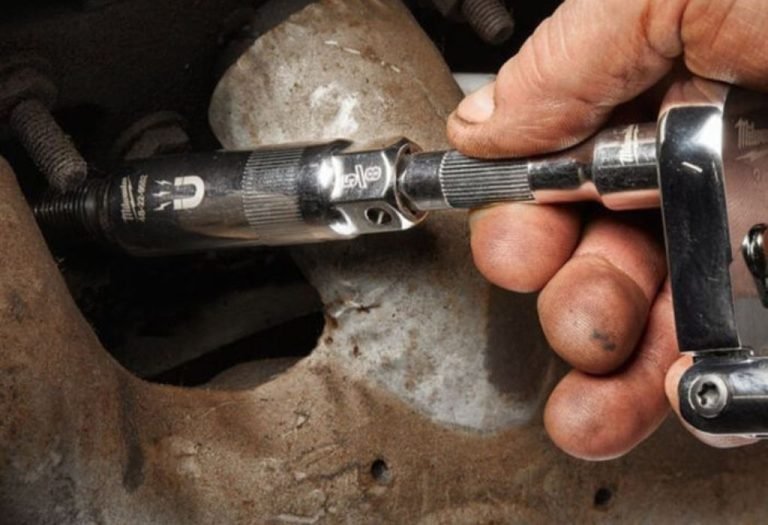
What Is a Friction Ring on an Impact Wrench Tool
Impact wrenches are indispensable for mechanics, DIY enthusiasts, and construction professionals.
Yet, many users overlook a small internal component — the friction ring — that plays a key role in torque control.
Understanding the friction ring helps prevent over-torquing, reduces fastener damage, and extends tool life.
Despite its size, this component significantly influences how force is transmitted from the motor to the anvil.
Data from tool performance studies show that inconsistent torque delivery is a common cause of stripped bolts and worn tools (source).
A properly functioning friction ring ensures smooth, consistent torque, protecting both the wrench and the fasteners.
In this article, we will explore what a friction ring on an impact wrench does, the types available, how it functions, common issues, maintenance, and real-world applications.
Understanding the Friction Ring
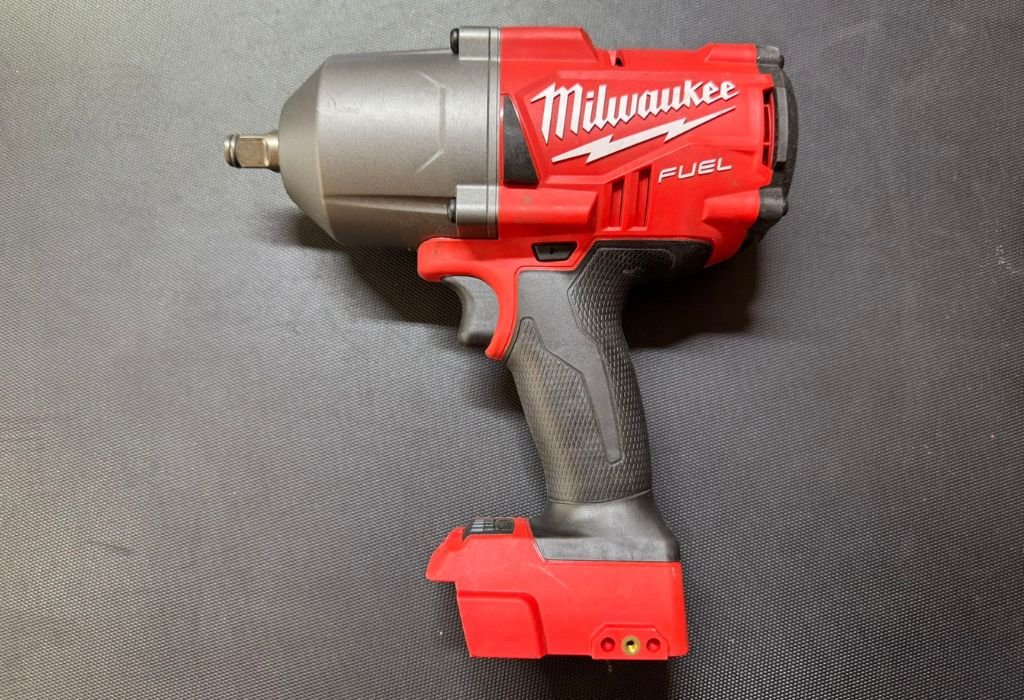
A friction ring is a small, circular component inside the impact wrench that regulates torque transmission.
It sits between the hammer mechanism and the anvil, controlling how the wrench delivers force.
By managing friction, it ensures each impact is smooth and prevents sudden torque spikes that could damage fasteners or internal components.
It acts as a buffer that modulates force pulses, allowing consistent torque output.
What exactly is a friction ring?
A ring that creates controlled friction to manage torque delivery.
Where is it located in the impact wrench?
Between the hammer mechanism and the anvil.
Why is it important for torque control?
Prevents over-tightening and maintains consistent output.
Does it wear out over time?
Yes, frequent use can degrade the ring.
Can a friction ring be replaced?
Most models allow replacement as part of routine maintenance.
Types of Friction Rings
Friction rings differ in material and design depending on the wrench type.
Common materials include hardened steel, high-strength polymers, and composite alloys.
Steel rings provide maximum durability and heat resistance.
Polymer or composite rings reduce noise and deliver smoother torque but may wear faster.
Are all friction rings metal?
No — some use polymer composites for quieter operation.
Which type lasts the longest?
Hardened steel rings offer the best longevity.
Do different rings affect torque feel?
Yes — some provide smoother torque delivery, others stiffer impacts.
Can the wrong type damage the wrench?
Incorrect material may increase wear on internal components.
Is there a standard size?
No — size and thickness vary by impact wrench model.
Function of a Friction Ring in Torque Management
The friction ring absorbs shock and smooths torque pulses.
It balances impact frequency and intensity to maintain consistent performance.
Without it, sudden torque spikes could damage fasteners or internal components.
It essentially acts as a buffer, regulating the force that reaches the bolt with each impact.
How does it protect the anvil?
Reduces stress and prevents deformation.
Does it prevent over-torquing?
Yes — by moderating torque transmission.
Can it improve accuracy?
Smoother torque pulses improve fastening consistency.
Is it critical for cordless vs pneumatic wrenches?
Both benefit, but cordless tools rely on it more to manage battery-limited torque.
Does friction ring wear affect torque output?
Yes — worn rings can reduce torque and cause erratic performance.
Common Issues with Friction Rings
Friction rings wear down over time from heat, vibration, and heavy use.
Symptoms include inconsistent torque, unusual noises, or slippage during operation.
Misalignment or overheating accelerates wear and reduces efficiency.
Failing friction rings can compromise both the wrench and fasteners.
What are the signs of a worn friction ring?
Reduced torque, inconsistent impacts, or unusual noise.
Can overheating damage the ring?
Yes — excessive heat can deform or degrade the material.
Is vibration a symptom of ring failure?
Often — uneven torque causes vibration during operation.
Can improper use accelerate wear?
Yes — prolonged heavy use can shorten ring life.
Do all impact wrenches show these symptoms?
Not always — high-end models often have better heat dissipation and durability.
Maintenance and Replacement Tips
Regular maintenance keeps friction rings functional and prolongs tool life.
Inspect the ring every 6–12 months, especially for frequently used tools.
Clean the ring with a soft brush and apply suitable lubrication.
Replace worn or damaged rings promptly to maintain consistent torque output.
How often should the friction ring be inspected?
Every 6–12 months depending on usage frequency.
Can you clean the ring yourself?
Yes — use a soft brush and lubricant.
What’s the proper replacement procedure?
Follow the manufacturer’s instructions for disassembly and installation.
Is it safe to continue using a worn ring?
No — it can reduce torque control and risk fastener damage.
Do replacement rings come with all impact wrench models?
Most brands provide model-specific replacements.
Real-World Applications and User Experience
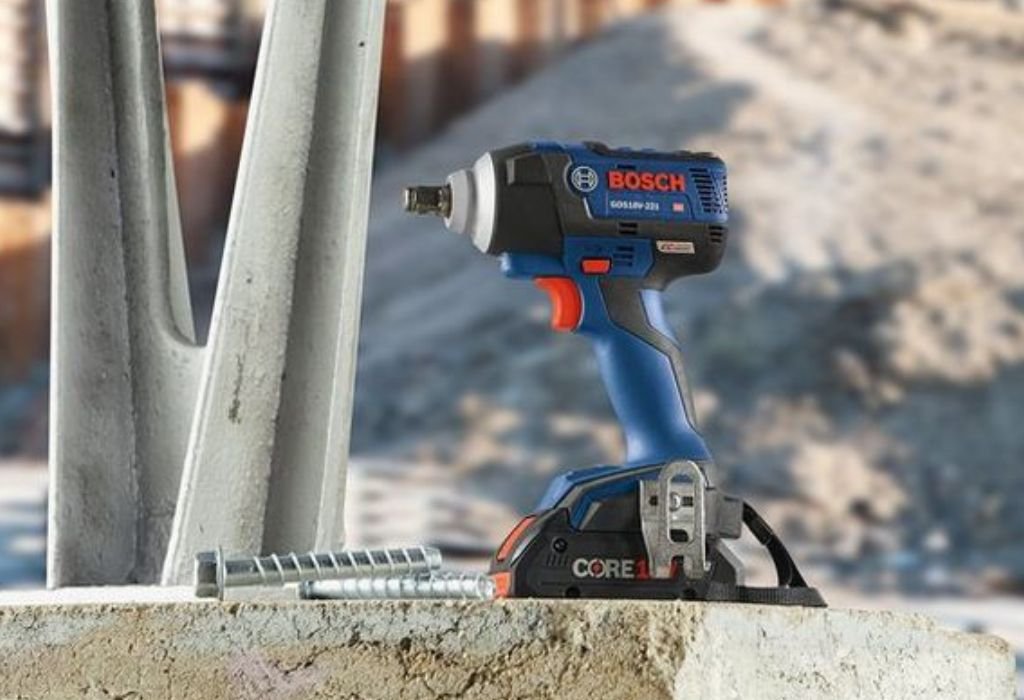
Impact wrenches with well-maintained friction rings provide consistent torque delivery.
Users report smoother operation, reduced noise, and less over-torquing during automotive or construction tasks.
Professional mechanics rely on friction rings to protect fasteners and improve workflow efficiency.
Even DIY enthusiasts notice improved torque consistency and less tool fatigue.
Does the friction ring improve fastener consistency?
Yes — especially for repetitive fastening tasks.
Do DIY users notice the difference?
Experienced users often report smoother operation.
Is it important for professional use?
Critical — it reduces wear on both the wrench and fasteners.
Can a worn ring cause tool failure?
Yes — uneven torque stresses other components leading to failure.
Are some impact wrenches better designed to protect friction rings?
Yes — premium models include enhanced cooling and better load distribution.
Frequently Asked Questions
What is a friction ring on an impact wrench?
A small component that manages torque transfer and smooths impact delivery.
Does it affect torque output?
Yes — it ensures consistent and controlled torque.
Can a friction ring wear out?
Over time, friction rings degrade and require replacement.
Are all impact wrenches equipped with friction rings?
Most modern models include them, especially mid-to-high torque tools.
Is replacement difficult?
No — with manufacturer guidance, replacing the ring is straightforward.
Conclusion
Friction rings are small but vital components in impact wrenches.
They ensure smooth torque delivery, protect fasteners, and extend tool life.
Understanding what a friction ring on an impact wrench does allows both DIYers and professionals to maintain their tools effectively.
Regular inspection, cleaning, and timely replacement keep your wrench performing reliably.
Pay attention to wear, maintain proper lubrication, and operate within torque limits.
A properly maintained friction ring ensures consistent, safe, and efficient operation across all fastening tasks.

I’m Michael R. Turner, the founder, lead writer, and passionate DIY enthusiast behind 101diytools.com. With years of hands-on experience in home improvement and power tools, I built this platform to share practical tips, in-depth guides, and honest reviews to help DIYers of all skill levels tackle projects with confidence and the right tools.