What Is a Brushless Impact Wrench and Why Buy
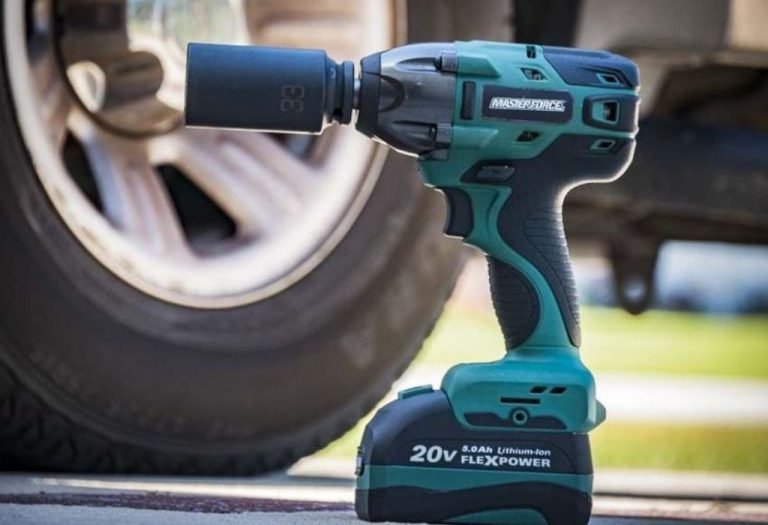
Every DIY enthusiast and professional mechanic has faced the same challenge: stuck lug nuts, rusted bolts, or repetitive fastening tasks. The thought of a tool that delivers high torque efficiently while preserving battery life and longevity is hard to ignore. But what is a brushless impact wrench, and is it worth buying for your workshop?
Impact wrenches have long been staples in automotive and construction work, offering fast, high-torque performance. A 2023 Power Tool Insights report revealed that brushless power tools now account for over 60% of new cordless tool sales (source), highlighting their growing popularity.
Brushless technology promises a tool that runs cooler, lasts longer, and delivers more power from the same battery. These tools reduce friction, increase energy efficiency, and minimize wear, making them ideal for frequent or heavy-duty applications.
This guide will explore how brushless impact wrenches work, their advantages over traditional brushed tools, key specifications, use cases, and tips for choosing the right model. By the end, you’ll know whether a brushless impact wrench is a must-have for your workshop.
What Is an Impact Wrench?
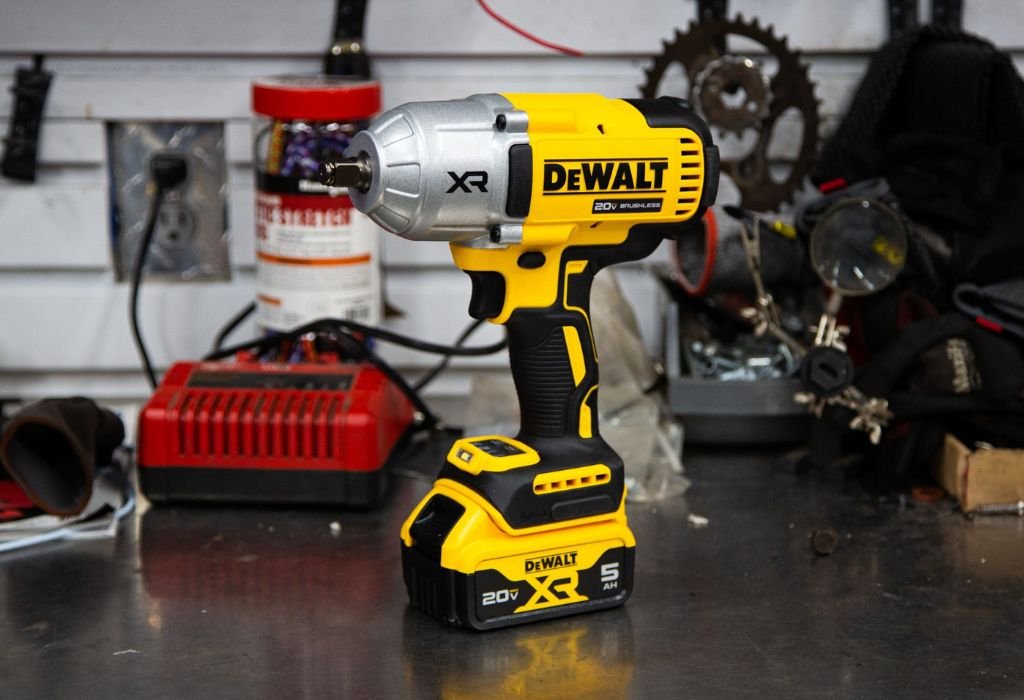
An impact wrench is a power tool designed to deliver high torque through an internal hammering mechanism. Unlike a standard socket wrench, it can loosen or tighten nuts and bolts quickly and efficiently.
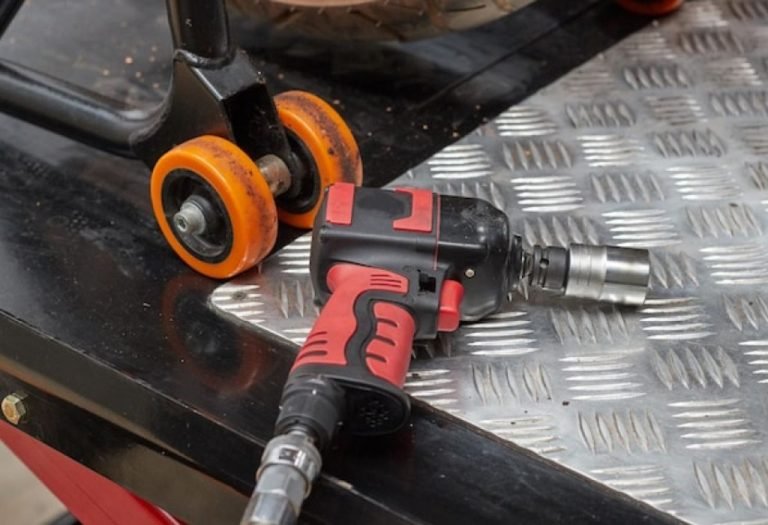
Impact wrenches come in different power types, including pneumatic, corded electric, and cordless. Their primary use is in automotive repair, heavy machinery maintenance, and construction, where high torque is required to handle stubborn fasteners.
What does “impact” mean in an impact wrench?
It refers to the tool’s hammer mechanism that delivers sudden bursts of rotational energy to increase torque.
What power types exist?
Corded electric, pneumatic (air-powered), and battery-powered cordless models.
Why are impact wrenches commonly used on lug nuts?
Because they provide enough torque to loosen tight nuts quickly without straining the user.
What Makes a Brushless Impact Wrench?
Brushless Motor Explained
A brushless DC motor (BLDC) operates without brushes. Instead, it uses electronic commutation to control the rotor’s movement. This reduces friction, heat generation, and mechanical wear, making the motor more efficient and longer-lasting.
Components & Control Electronics
Brushless impact wrenches include an electronic speed controller that manages the rotor position, power delivery, and torque output. Sensors like Hall effect sensors detect the rotor’s position, allowing precise motor control. This ensures smoother operation, efficient energy use, and better performance.
Why Use a Brushless Motor in an Impact Wrench?
- Increased energy efficiency and longer battery life.
- Higher torque per watt, enabling better performance.
- Reduced heat and friction, extending tool longevity.
- Lower maintenance, as there are no brushes to wear out.
What is a brushless motor?
A motor that uses electronic control instead of mechanical brushes.
How does it differ from a brushed motor?
Brushless motors eliminate brush friction, which improves efficiency and reduces wear.
Do brushless motors last longer?
Yes, they generate less heat and have fewer moving parts prone to wear.
Does brushless technology increase torque?
Indirectly, as more energy is delivered effectively to the output shaft.
Brushless vs Brushed: Comparison & Trade-offs
Brushless impact wrenches outperform brushed models in efficiency, runtime, and durability. They also run cooler and provide more torque for the same battery capacity.
However, brushless tools are more expensive and have complex electronics that may cost more to repair. Brushed models are simpler, cheaper, and sufficient for light or occasional tasks.
Are brushless impact wrenches always better?
Not always — heavy use favors brushless, but for casual tasks, brushed tools may suffice.
Why are brushless tools more expensive?
They include advanced electronics, sensors, and more complex components.
Do brushed tools still have merit?
Yes, especially for DIYers or low-frequency use.
Key Specifications & Selection Criteria
Torque Ratings & Types
Torque is the most important specification. Breakaway torque and fastening torque determine what size fasteners the tool can handle.
Speed, RPM & Impacts per Minute (IPM)
Higher RPM and IPM allow faster work but require skill and control. The combination of speed and torque ensures efficiency without damaging fasteners.
Battery & Power System
Voltage and amp-hour ratings influence performance and runtime. Brushless motors optimize energy, extending battery life while maintaining peak torque.
Tool Durability & Maintenance
Look for robust gear trains, electronic protections like overheat and stall prevention, and quality casings. Proper maintenance ensures longevity.
Ergonomics & Usability
Weight, balance, grip, trigger control, torque modes, and LED indicators affect user comfort and precision.
What torque is needed for car lug nuts?
Typically 100–200 ft-lbs.
Is more RPM always better?
Not always — it must match control and task requirements.
How does battery voltage impact performance?
Higher voltage provides more power but may reduce runtime if not managed efficiently.
What durability features should be prioritized?
Metal housing, thermal protection, and robust electronics.
Applications & Use Cases
Automotive & Tire Service
Ideal for lug nuts, suspension bolts, and engine fasteners, providing high torque for quick removal and installation.
Construction, Machinery & Maintenance
Used for bolted structural joints, heavy assembly tasks, and maintenance work requiring high torque.
DIY, Workshop & Home Use
Useful for furniture assembly, bike maintenance, and small engine repairs. Brushless technology improves battery efficiency and reduces tool wear.
Limitations & When Not to Use
Not ideal for precision torque applications or continuous rotation tasks. Overdriving fasteners can damage threads or components.
Can a brushless impact wrench damage fasteners?
Yes, if torque is too high or uncontrolled.
Is it suitable for precision tightening?
No, a torque wrench is better for accurate torque settings.
Tips, Best Practices & Maintenance
- Always use impact-rated sockets.
- Clean vents and motor housing regularly.
- Avoid overheating by taking pauses during heavy work.
- Maintain battery health by proper charging and storage.
- Use correct torque settings to avoid overdriving.
- Inspect internal components and update firmware if supported.
Why are impact sockets required?
They absorb torque impulses safely.
How to avoid overheating?
Use short bursts, allow cooling, and ensure proper airflow.
Any battery care tips?
Store partially charged, avoid extreme temperatures, and maintain proper cycles.
Is a Brushless Impact Wrench Worth Buying? Decision Guide
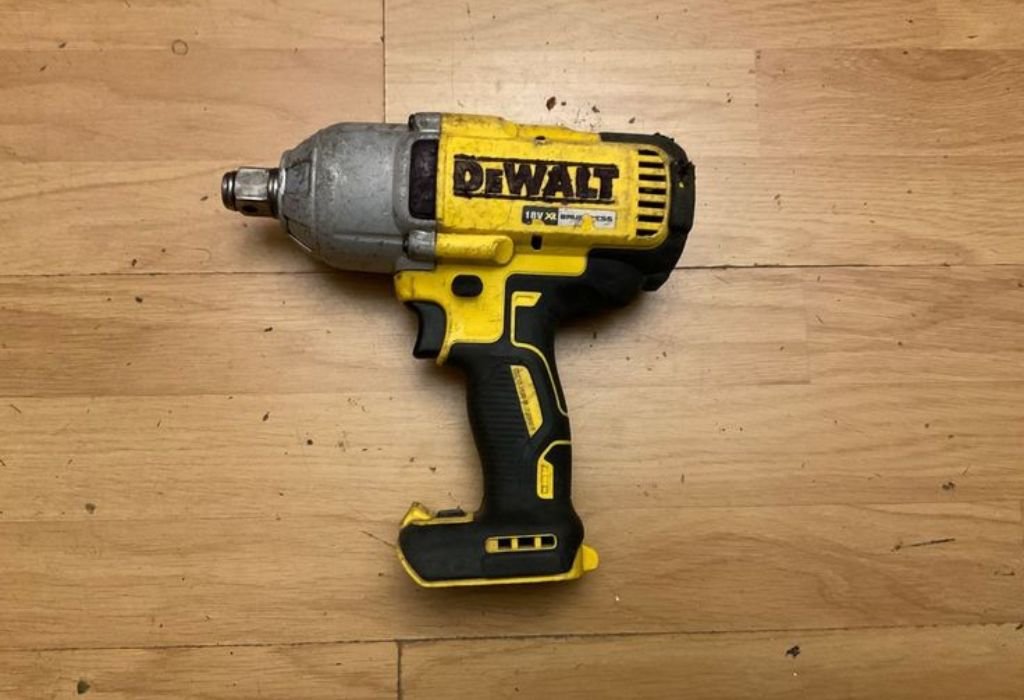
Brushless impact wrenches are ideal for users who frequently work with high-torque fasteners or require long battery life and low maintenance. For occasional DIYers, a brushed model may suffice, but professionals benefit from the efficiency, torque, and durability of brushless models.
Example scenarios: automotive repair shops, heavy construction, and industrial maintenance favor brushless for repeated or heavy-duty tasks.
Frequently Asked Questions
What is better: brushless or brushed impact wrench?
Brushless offers efficiency, longevity, and performance; brushed is simpler and cheaper.
How much more runtime does brushless give?
Typically 20–50% longer per charge depending on battery capacity.
Are brushless impact wrenches harder to repair?
Slightly, due to electronics, but mechanical parts are often still serviceable.
Can you convert a brushed tool to brushless?
No, it requires a full motor and electronics redesign.
Is a cordless brushless impact wrench enough, or is pneumatic better?
For most DIY and medium-duty tasks, cordless brushless is sufficient; pneumatic is better for continuous industrial use.
Conclusion
A brushless impact wrench is a high-efficiency, durable, and powerful tool that delivers superior performance compared to brushed models. It is ideal for frequent, high-torque applications, offering longer runtime, better torque, and lower maintenance.
For hobbyists or occasional users, brushed impact wrenches remain a viable option due to lower cost and simpler repair. However, for professionals or heavy users, the advantages of brushless technology often justify the investment.
With proper setup, maintenance, and usage, a brushless impact wrench becomes a reliable companion in automotive repair, construction, and DIY projects, making tough fasteners easier to handle and work more efficient.

I’m Michael R. Turner, the founder, lead writer, and passionate DIY enthusiast behind 101diytools.com. With years of hands-on experience in home improvement and power tools, I built this platform to share practical tips, in-depth guides, and honest reviews to help DIYers of all skill levels tackle projects with confidence and the right tools.