Is a 3/8 Impact Wrench Worth It for Your Work
Imagine working in a tight engine bay or under a car, struggling with stubborn bolts, and realizing your tool is either too bulky or too weak. For many DIYers and hobbyists, the idea of a smaller, more maneuverable impact wrench is appealing.
Enter the 3/8 impact wrench. Its compact size and moderate torque promise to handle everyday fastening tasks without the weight and bulk of larger 1/2-inch models. But the real question remains: is a 3/8 impact wrench worth it, or will it leave you stranded on tough jobs?
Reviews and forum discussions highlight mixed experiences. Some users praise its portability and ability to manage light to medium automotive and workshop tasks. Others report limitations when trying to remove rusted or oversized fasteners.
A 2024 survey by Pro Tool Reviews found that nearly 58% of DIY mechanics prefer compact impact wrenches for lighter work, while 42% reported struggling with torque limitations on larger bolts (source). These numbers illustrate both the appeal and the boundaries of mid-torque tools.
For anyone considering a 3/8 impact wrench, understanding its capabilities, trade-offs, and ideal applications is critical. This article examines performance, build quality, real-world use, comparisons with larger tools, and expert recommendations, giving you the clarity to decide if it belongs in your toolbox.
Understanding the 3/8 Impact Wrench: What It Is & Specs
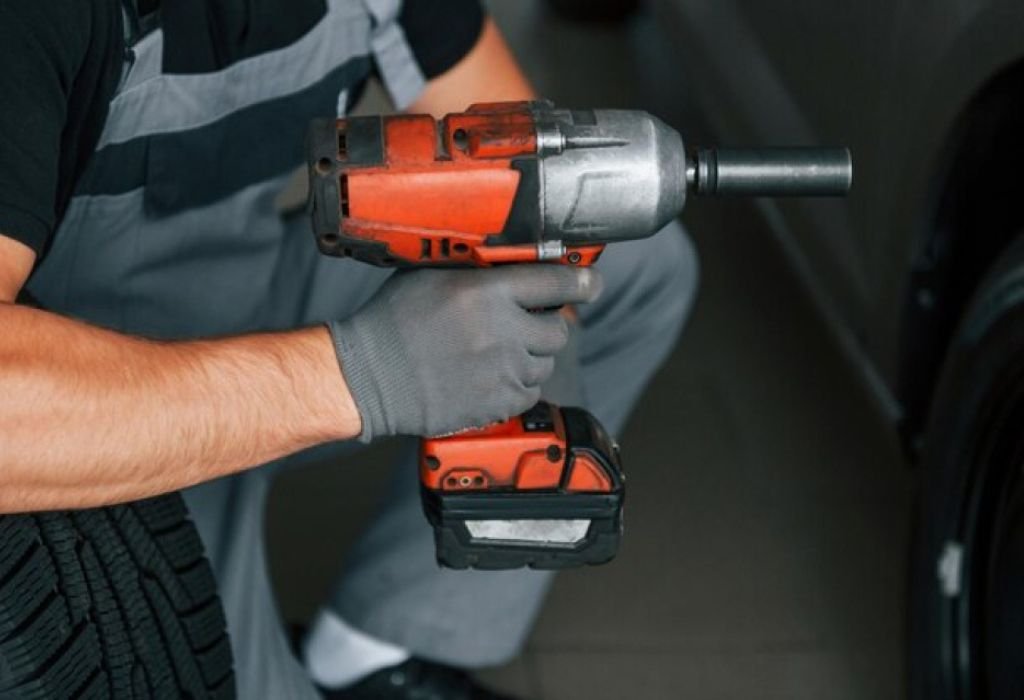
The 3/8-inch impact wrench refers to the square drive size, not the overall power or torque. This smaller form factor allows for greater maneuverability, especially in tight spaces where a 1/2-inch unit might be too bulky.
Most 3/8 impact wrenches provide moderate torque, typically between 80–150 ft-lbs, sufficient for many automotive and DIY applications. They often feature multiple speed settings to balance power and control, and weigh significantly less than larger models, making them easier for extended work.
Is “3/8” just about the square drive size?
Yes — it refers to the 3/8-inch drive portion that connects to compatible sockets.
What torque range do 3/8 impact wrenches typically offer?
Moderate torque, often enough for light to medium fastening tasks.
How does size and weight compare to 1/2 impact wrenches?
They are lighter and more compact, ideal for overhead or confined jobs.
What socket sizes are compatible with a 3/8 drive?
Standard 3/8-inch impact sockets work; adapters exist but may reduce efficiency.
Does drive size affect tool lifespan?
Smaller drives may reduce stress under light use, but longevity still depends on build quality.
Performance & Real-World Power
Torque and speed define the performance of a 3/8 impact wrench. Users report that these tools excel with light and medium bolts but struggle with stubborn or rusted fasteners.
Breakaway torque is often higher than fastening torque, helping remove stuck nuts, while variable speed modes improve control during delicate tasks. In a ToolBoxBuzz test, 3/8-inch units averaged 120 ft-lbs of breakaway torque, whereas lower-end 1/2-inch models produced about 150 ft-lbs (source).
For most automotive work, 3/8 impact wrenches handle engine accessory bolts, brake caliper bolts, and smaller suspension components effectively. However, heavy-duty lug nuts or industrial fasteners often exceed their torque capacity.
Can a 3/8 impact remove lug nuts?
Yes, on smaller cars or lightly torqued nuts, but not reliably on heavy-duty vehicles.
Does it struggle with rusted or seized bolts?
Yes — larger corrosion or oversized bolts may exceed its torque limits.
How stable is its output under load?
It can drop when pushed close to maximum torque or if battery/power sags.
Is breakaway vs fastening torque symmetric?
Not always — breakaway is usually higher for easier removal, while fastening torque is more controlled.
Is speed control good on 3/8 models?
Most mid-torque impacts offer multiple speed modes to improve control.
Pros, Cons & Trade-Offs of Choosing a 3/8 Impact
The 3/8 impact wrench offers a balance between power and portability. Its lightweight design reduces fatigue, and the lower torque limits prevent over-tightening small fasteners.
Drawbacks include limited maximum torque, potential underperformance on heavy-duty bolts, and reduced future-proofing for increasingly demanding projects. Many users adopt a dual-tool strategy, pairing a 3/8 impact for general tasks with a 1/2-inch unit for heavy applications.
What are the biggest advantages of a 3/8 impact wrench?
Compactness, lighter weight, better for mid-range bolts.
What are the main disadvantages?
Torque limit, underperformance on large or rusted fasteners.
Is it safe to use in tight or overhead spaces?
Yes — small form factor aids maneuverability.
Will it damage smaller fasteners?
Less likely to overdo them than higher torque models.
Do pros ever use 3/8 impacts?
Yes, often as a secondary or backup tool.
Use Cases Where a 3/8 Impact Wrench Excels
3/8 impact wrenches shine in light to medium automotive work, household repairs, and compact workshop projects. They handle engine accessories, interior fasteners, brake calipers, and many DIY construction tasks.
Forums report that 3/8 units are particularly useful in engine bays, tight suspension areas, and overhead work where heavier tools are cumbersome (reddit.com).
Can it handle most automotive engine fasteners?
Yes — for many engine bolts, a 3/8 unit is sufficient.
Is it good for suspension or brake bolts?
Yes, for mid-size bolts; heavy-duty bolts may exceed its limits.
Will it work for DIY and home projects?
Absolutely — most fastening tasks fall within its range.
Is it good for electrical or appliance fasteners?
Yes — its control prevents over-torque on delicate applications.
Should it replace a manual ratchet entirely?
Not always — manual torque checks are still recommended for precision.
Build Quality, Durability & Reliability
Most 3/8 impact wrenches feature durable motors, often brushless, with mid-grade gear sets designed for moderate torque. Users report that build quality varies across brands, with premium models offering better internals, ergonomics, and longer lifespan.
Common failure points include clutch wear, gear stress, and battery sag. Proper maintenance, controlled usage, and quality sockets help maximize longevity.
Do 3/8 impact wrenches wear out quickly?
Under heavy use — yes; moderate use extends lifespan.
What are common failure points?
Clutch gear wear, motor strain, battery issues.
Does brand quality make a big difference?
Absolutely — premium brands use stronger materials.
Is warranty and service support reliable?
Often yes — check availability of replacement parts.
Can regular maintenance prolong life?
Yes — cleaning, avoiding overload, and proper battery care help.
Comparing 3/8 vs 1/2 (and Other Drives)
Drive size impacts torque, weight, and applications. A 3/8 impact is compact and easier to handle, but a 1/2-inch unit provides more torque for heavy-duty tasks.
Many mechanics carry both sizes, using the 3/8 for interior, engine, or light work, and the 1/2 for wheel lugs, axles, or stubborn fasteners. Adapters exist, but they can reduce efficiency and stress the smaller tool.
Why choose 1/2 over 3/8?
For higher torque and heavy-duty fasteners.
Can 3/8 ever match a 1/2 in output?
Occasionally mid-torque 3/8 units approach lower 1/2 performance, but not consistently.
Do professionals carry both sizes?
Yes — for flexibility across tasks.
Are adapters safe to use?
They work, but can reduce efficiency.
Is 3/8 good enough for daily use?
Yes for many users, but repetitive heavy tasks may justify a 1/2.
Tips to Maximize Value from a 3/8 Impact Wrench
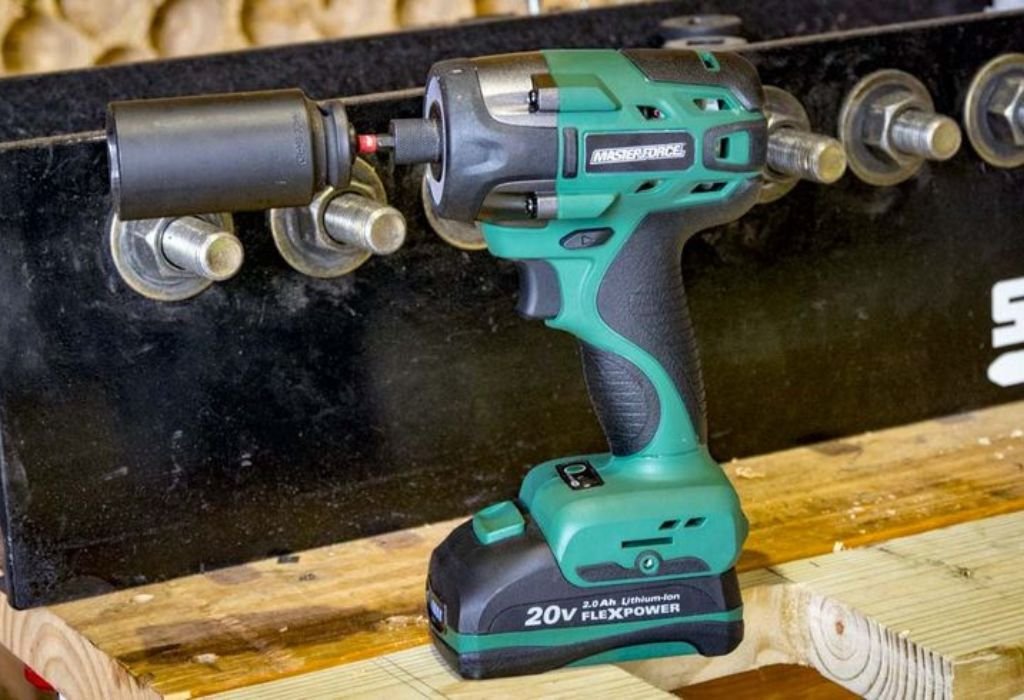
Select a reputable brand with solid torque ratings and ergonomic design. Test the tool on light fasteners before heavy use to ensure proper function. Use it gradually, avoid overloading, and maintain it regularly to prolong lifespan.
What specs to check before purchase?
Breakaway torque, fastening torque, speed modes, weight.
Should the tool be run in first?
Yes — light cycles help seat internal components.
How to avoid overloading?
Ramp torque gradually, back off if stuck.
How often should maintenance be done?
Clean and inspect every few months or after heavy use.
Is it wise to use backup torque wrench?
Yes — verify final torque on critical fasteners.
Final Verdict — Is a 3/8 Impact Wrench Worth It?
The answer is yes for most DIYers, hobbyists, and light automotive users. It offers excellent portability, sufficient torque for medium-duty tasks, and precise control for delicate fasteners.
For heavy-duty mechanics or industrial use, it may be insufficient on large fasteners or in prolonged applications. Users with diverse tasks may benefit from owning both 3/8 and 1/2 units.
Is a 3/8 impact wrench a good value?
Yes — for moderate tasks, it’s highly useful.
Will it replace a 1/2 permanently?
Only in limited settings — heavy work still requires 1/2.
Should every toolbox have one?
Yes, especially for tight or mid-torque applications.
When is it not worth it?
For heavy-duty industrial bolts or repeated high-torque tasks.
Is the trade-off favorable?
For most DIY and light automotive users, absolutely.
Conclusion
A 3/8 impact wrench delivers strong value in compact, moderate-torque applications. It is perfect for DIYers, hobbyists, and many automotive tasks, though it cannot fully replace a larger 1/2-inch tool for heavy-duty jobs.
Its portability, control, and moderate torque make it a worthy addition to any toolbox. With proper maintenance and realistic expectations, a 3/8 impact wrench can last years and handle the majority of everyday fastening needs efficiently.

I’m Michael R. Turner, the founder, lead writer, and passionate DIY enthusiast behind 101diytools.com. With years of hands-on experience in home improvement and power tools, I built this platform to share practical tips, in-depth guides, and honest reviews to help DIYers of all skill levels tackle projects with confidence and the right tools.