Is 400 Nm Torque Good for an Impact Wrench Tool
Getting a bolt stuck halfway or overtightened is every mechanic’s frustration. The question often arises: is 400 Nm torque good for impact wrench use?
Many assume a higher torque rating always guarantees performance. However, real-world application and tool design determine whether 400 Nm is sufficient. According to automotive torque standards, typical passenger car lug nuts require around 108–135 Nm (source).
This article explores when 400 Nm is adequate, the types of bolts it can handle, tool selection criteria, and how to maximize safety and efficiency.
What Does Torque Mean in an Impact Wrench Context?
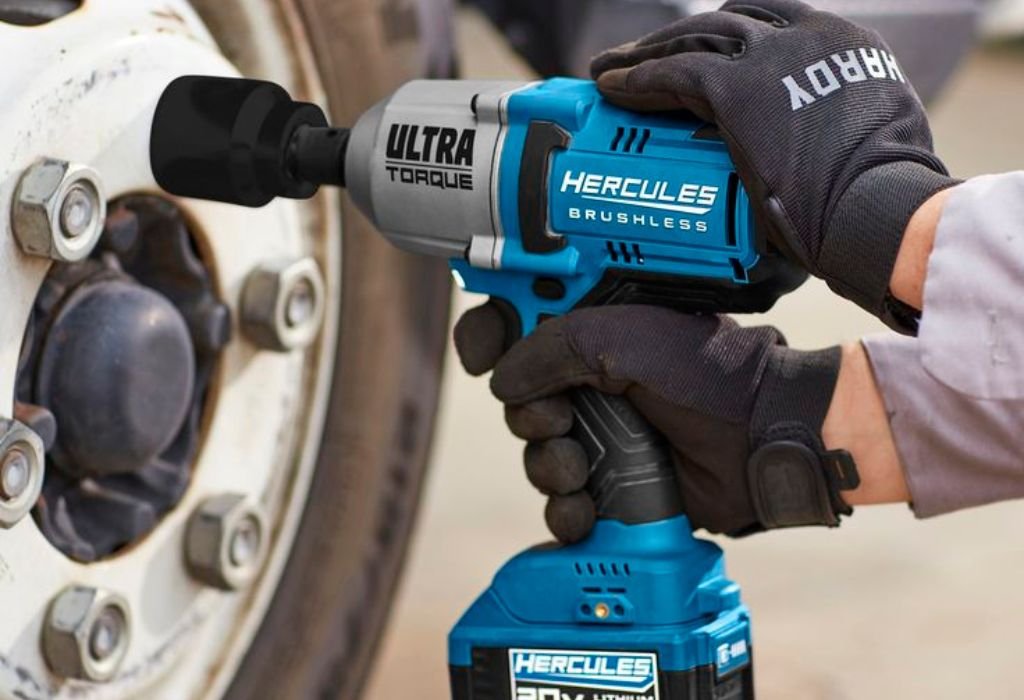
Torque is the rotational force a wrench applies to a fastener. In impact wrenches, torque is generated in short pulses by a hammer-and-anvil mechanism, not as continuous force.
Torque is measured in Newton-metres (Nm) or foot-pounds (ft-lb), with peak torque representing the maximum force applied briefly. Working torque is usually lower due to friction and tool mechanics.
Is peak torque the same as working torque?
No. Peak torque is the maximum burst, whereas working torque is what the fastener actually experiences.
Why do they use Nm?
Newton-metre is the SI unit standard, providing consistent measurement across tools.
Does higher torque always mean better performance?
Not always. Excess torque can strip threads or damage components.
How does the impact mechanism affect torque?
It delivers short, rapid bursts that multiply rotational force without continuous pressure.
Typical Torque Ranges for Common Applications
Different fasteners require varying torque levels. Passenger car lug nuts typically need 108–135 Nm, while truck or heavy machinery nuts can require 600 Nm or more.
400 Nm falls in the “mid-torque” range, suitable for most passenger cars, motorcycles, and light trucks. High torque applications, like hub nuts or suspension bolts on heavy vehicles, exceed this threshold.
What torque do car lug nuts typically need?
Approximately 108–135 Nm for most passenger vehicles.
Are heavy trucks needing more than 400 Nm?
Yes. Many truck fasteners require 600–1000 Nm.
Which jobs push torque beyond 400 Nm?
Hub nuts, large suspension components, and rusted fasteners.
Is 400 Nm overkill for small tasks?
Sometimes. Overpowered wrenches can damage threads or deform bolts.
Evaluating 400 Nm Torque — Good, Adequate, or Insufficient?
A 400 Nm impact wrench can loosen most passenger car lug nuts and medium-duty bolts. Its main advantage is a margin over typical torque requirements, reducing effort and time.
However, some heavy-duty bolts, especially corroded or oversized fasteners, may require higher torque. Cordless tools delivering 400 Nm may also see reduced output due to battery limitations.
Can a 400 Nm wrench break most lug nuts?
Yes, it can easily handle standard passenger vehicle lug nuts.
Will it struggle on rusted hub nuts?
Possibly. Rusted or seized fasteners may need more torque or an auxiliary tool.
Is tool durability impacted at 400 Nm?
Repeated maximum usage can produce heat and wear, shortening tool lifespan.
Should you choose a higher torque model for safety margin?
Yes, especially for varied tasks or heavy-duty applications.
Factors That Affect How “Good” 400 Nm Actually Is
Tool Efficiency & Torque Losses
Internal friction and mechanical inefficiencies reduce actual output. Real-world torque may be significantly lower than the rated 400 Nm.
Speed, Impact Rate & RPM
Higher impact rate improves the ability to break bolts, even if torque is lower. Matching speed to fastener type optimizes performance.
Battery & Power Source Limitations
In cordless models, battery voltage and discharge rate directly affect achievable torque. Pneumatic tools deliver more consistent torque but require compressors.
Application Conditions & Leverage
Extensions, socket length, and thread condition impact effective torque. Lubrication and clean threads improve efficiency.
Does internal friction reduce output torque?
Yes, real torque is lower than the tool’s rated spec.
Can impact rate compensate for lower torque?
Partially. More impacts per second help loosen bolts.
Do weak batteries limit torque?
Yes. Low voltage or current reduces performance.
Does using extension bars affect torque delivery?
Yes, longer bars reduce effective torque and introduce flex.
Choosing the Right Impact Wrench: 400 Nm or Upgrade?
Tool selection should consider regular tasks, torque margin, weight, and budget. 400 Nm is ideal for medium-duty automotive work, but not for heavy trucks or industrial machinery.
Mid-torque wrenches are lighter and more affordable, while high-torque models provide headroom for tough jobs. Battery-powered 400 Nm wrenches may require longer charge times under repeated heavy use.
Should a home mechanic settle for 400 Nm?
Yes, for most passenger vehicles and moderate tasks.
When should you consider upgrading?
Upgrade when regularly handling heavy-duty bolts or seized fasteners.
Is extra torque worth extra cost?
Yes, if heavy or unpredictable work is expected.
How to future-proof your tool choice?
Select models with torque settings and modular options for adaptability.
Real-World Examples and Case Studies
Examples of 400 Nm tools include D20 400 Nm brushless models and Coofix 400 Nm impact wrenches. User reports confirm they can loosen car lug nuts and light truck bolts reliably.
Heavier fasteners or rusted bolts occasionally require additional leverage or a higher torque tool. Using extensions or adapters can reduce effective torque.
Which 400 Nm models are on market?
D20 20V brushless and Coofix 400 Nm cordless impact wrenches.
Did users say it was enough?
For most home or medium-duty jobs, yes; heavy-duty bolts sometimes need extra power.
Which jobs pushed it beyond limits?
Hub nuts, large suspension components, rusted or oversized bolts.
Can extensions degrade performance?
Yes, added length introduces flex and reduces torque at the fastener.
Maintenance, Safety & Best Practices
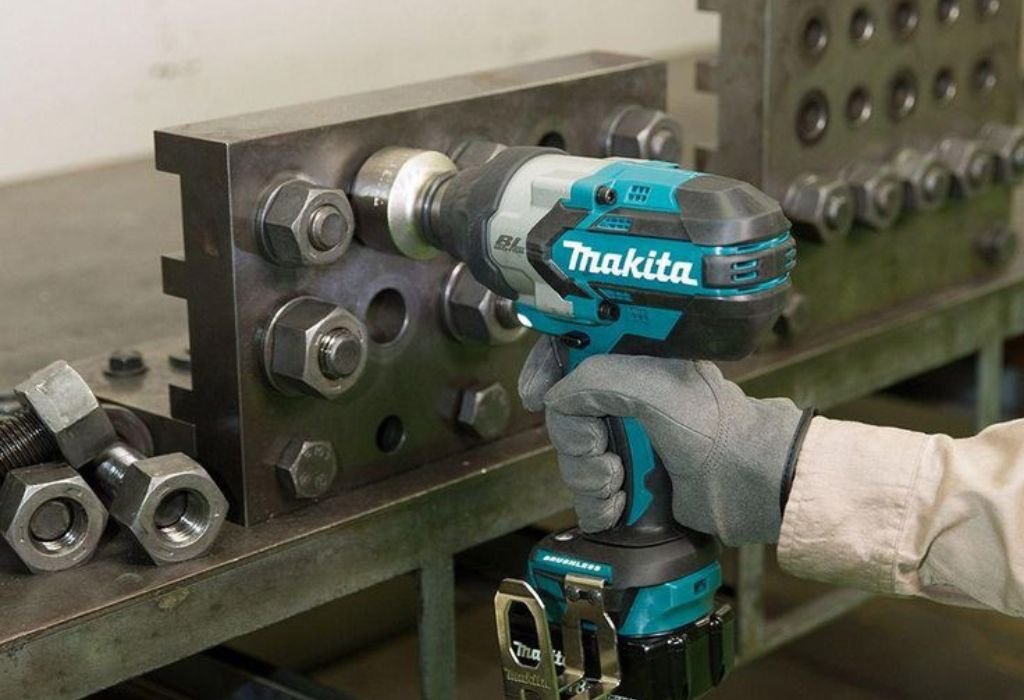
Always use correct sockets and torque limiters. For critical bolts, finish with a torque wrench to avoid over-tightening.
Battery care, cooling periods, and avoiding repeated max-torque operation increase tool longevity. Proper safety includes wearing gloves and eye protection when working with high torque.
Should you use a torque stick after impact?
Yes, it prevents overtightening and ensures correct final torque.
Can you damage parts with 400 Nm?
Yes, especially on weak or rusted fasteners.
How to maintain battery for consistent torque?
Store partially charged, avoid deep discharge, and check contacts.
Does heat worsen torque performance?
Yes, overheating reduces output and increases wear.
Future Trends in Impact Wrench Torque
Brushless motors and smart torque sensors are emerging, allowing more precise torque control. Digital feedback enables monitoring torque application in real-time.
Battery improvements provide sustained torque with lighter tools. Expect tools to adapt torque dynamically to fastener type in future designs.
Conclusion
So, is 400 Nm torque good for an impact wrench? For most passenger vehicles and medium-duty automotive applications, yes.
Heavy trucks, rusted fasteners, or industrial tasks may require higher torque tools. Choosing the right impact wrench involves balancing torque, speed, application, and safety. Proper maintenance and correct technique ensure 400 Nm delivers reliable, precise results every time.

I’m Michael R. Turner, the founder, lead writer, and passionate DIY enthusiast behind 101diytools.com. With years of hands-on experience in home improvement and power tools, I built this platform to share practical tips, in-depth guides, and honest reviews to help DIYers of all skill levels tackle projects with confidence and the right tools.