Is 200 Nm Torque Good for an Impact Wrench Use
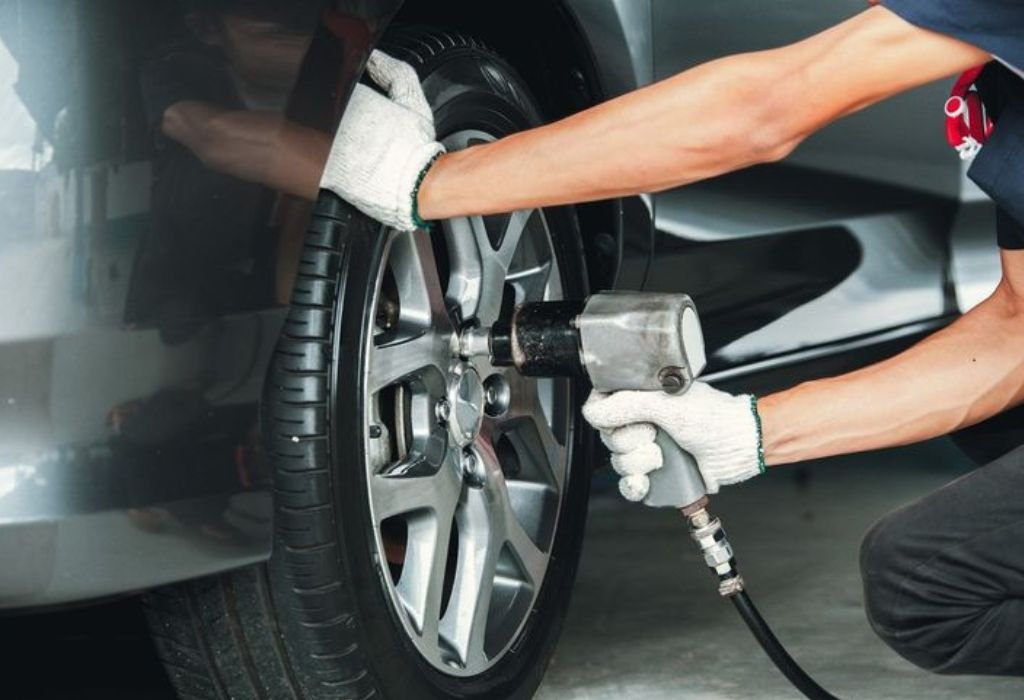
Picture struggling with a stubborn lug nut—your impact wrench struggles or slips. The question arises: is 200 Nm torque good enough to handle real-world fasteners?
Many users compare impact wrenches by their spec sheet torque, yet 200 Nm may not mean the tool will perform to that level under load. Understanding how torque specs translate to actual performance is critical.
According to tool tests, many routine automotive jobs require 100–190 Nm of torque—so 200 Nm might seem sufficient. (powertools.ingersollrand.com)
This blog will break down what “200 Nm torque” really means for an impact wrench, how to interpret specs, where it is adequate, and when it falls short. Let’s start with defining torque in this context.
Understanding Torque in Impact Wrenches

Torque for an impact wrench measures twisting force delivered to fasteners. But the published “200 Nm” is rarely the full story in practical operation.
What does 200 Nm torque mean?
It’s the nominal twisting force the manufacturer claims the wrench can deliver under ideal conditions.
Is that maximum or working torque?
Usually it’s peak or theoretical—actual working torque is lower due to losses.
What is breakaway or nut-busting torque?
The torque the tool can deliver to loosen a fastener already tightened.
What is the difference between fastening and loosening torque?
Fastening torque is what the tool can apply to tighten; loosening torque is what it can overcome.
Why do real-world torque results differ from specs?
Losses in friction, tool inefficiencies, socket fit, and fastener condition reduce effective torque.
Typical Torque Requirements for Common Tasks
To judge whether 200 Nm is sufficient, compare it to typical torque requirements in real tasks like lug nuts or machinery bolts. Many automotive lug nuts require 80‑140 ft‑lb (≈ 108‑190 Nm). (powertools.ingersollrand.com)
How much torque for car lug nuts?
Often specified at 80–100 ft‑lb (108–135 Nm) for many passenger cars.
What torque do truck or heavy equipment nuts need?
They demand significantly higher torque—well above 200 Nm.
Are there bolts needing less than 200 Nm?
Yes—smaller machinery or specialty fasteners often require lower torque.
Is 200 Nm enough for general DIY work?
For many home automotive tasks, yes—if conditions are ideal.
What tasks will 200 Nm struggle with?
Highly seized bolts, large structural hardware, or bolts in corrosion.
Pros and Limitations of 200 Nm Torque
A 200 Nm impact wrench offers decent power for many lighter demands, but it has inherent limits. Its effectiveness depends on build quality, torque control, and consistency.
What are the benefits of a 200 Nm impact wrench?
Lighter weight, lower cost, sufficient for many ordinary tasks.
What are its limitations?
It may not loosen jammed or large fasteners under real stress.
How does 200 Nm fare under continuous use?
Heat, drop in efficiency, and reduced torque may emerge over time.
Does 200 Nm allow torque control?
Some wrenches allow setting lower torque modes so 200 Nm can be moderated.
Is durability affected by rating?
Tools rated for higher torque generally have more robust internals and last longer at a given load.
Comparing 200 Nm with Higher Torque Models
To see whether 200 Nm is “good,” compare with more powerful models and see where they succeed or fail. High-torque impact wrenches often go well above 500 Nm or more. (toolstop.co.uk)
What torque do heavy-duty wrenches output?
Many models reach 300–950 Nm or beyond.
How much margin do professionals prefer?
A 20–50% torque buffer ensures performance under less-than-ideal conditions.
Do higher torque models weigh more?
Yes—higher torque often means heavier, bulkier builds.
Are they more expensive?
Absolutely — the premium rises as torque capacity increases.
Is high torque always beneficial?
Not necessarily—excess torque can strip threads or over-stress components.
How to Interpret an Impact Wrench Spec Sheet
Understanding spec sheet jargon helps decide whether 200 Nm is realistic. Look for “working torque,” “nut-busting,” “impact rate (IPM),” and “drive size.”
What’s “impact rate (IPM)”?
Impacts per minute—how often the hammer strikes produce torque.
Why is drive size important?
A ½‑inch drive can transmit torque more efficiently than smaller drives.
What’s a torque control mode?
Built-in settings to limit output, preventing over-tightening.
Is “working torque” more relevant than “peak”?
Yes — working torque reflects sustained performance.
Are specs always honest?
Some manufacturers inflate peak figures—independent tests matter.
Case Studies & Real-World Tests
Practical examples show whether 200 Nm suffices or fails. Real-world testing often reveals gaps between specifications and usefulness.
Test: removing lug nuts with 200 Nm
May struggle if nuts are overtorqued, rusted, or aged.
Test: loosening a seized bolt
200 Nm often fails compared to high-torque tools.
Test: general fastening on machinery
Works well when threads are clean and torque demands are moderate.
Test: continuous duty use
Tool may heat up and drop torque output over cycles.
What do user reviews say?
Many DIYers say 200 Nm works for day-to-day use but fails under heavy stress.
Tips to Make 200 Nm Work Better
Even if 200 Nm is borderline, applying smart technique and proper setup can maximize performance.
Use high-quality sockets and fittings
Reduces losses and ensures torque reaches the fastener.
Lubricate and clean threads
Lower friction means required torque drops.
Preload bolts or loosen by hand first
Reduces burden on the wrench.
Avoid relying fully on impact wrench
Use a torque wrench for final torque accuracy.
Cycle tool briefly when stuck
Let the tool rest, or pulse it to regain torque performance.
When 200 Nm Is Not Enough — Upgrading or Alternatives
Knowing when a 200 Nm tool is insufficient helps you upgrade wisely. Sometimes a torque multiplier or a higher-capacity wrench is required.
When should you upgrade?
If nuts consistently fail to budge or fasteners are large, upgrade.
Is a torque multiplier useful?
Yes — it can multiply torque without needing a big tool.
Are hybrid or pneumatic tools alternatives?
Pneumatic or hydraulic impact wrenches offer much higher torque.
Does battery voltage matter?
Higher voltage models often deliver more sustained torque.
Should you rent a higher torque tool?
For occasional heavy tasks, renting is cost-effective.
Future Trends & Innovations in Impact Torque
Advances in motor control, sensors, and materials may push modest tools beyond current limits. Smart torque management and adaptive electronics may change how 200 Nm behaves.
Will electronic torque control improve accuracy?
Yes — adaptive sensing can modulate output to match demand.
Could stronger materials lighten high-torque tools?
Emerging alloys may deliver more torque without weight penalty.
Is servo or closed-loop control coming?
Potentially — real-time feedback may regulate torque more precisely.
Will battery tech affect torque ceilings?
Better battery density lets compact tools deliver higher power.
Are torque‑stick style adapters evolving?
Smarter adapters may limit torque more reliably in future.
Conclusion
A 200 Nm impact wrench can be effective for many light-to-moderate applications, especially in automotive and general DIY. But real-world factors often reduce effective torque below spec.
Compare your required torque for tasks, check real tests, and consider margin when choosing tools. If 200 Nm feels limiting, explore higher-torque models, torque multipliers, or smarter control systems.

I’m Michael R. Turner, the founder, lead writer, and passionate DIY enthusiast behind 101diytools.com. With years of hands-on experience in home improvement and power tools, I built this platform to share practical tips, in-depth guides, and honest reviews to help DIYers of all skill levels tackle projects with confidence and the right tools.