How to Use Electric Impact Wrench the Right Way
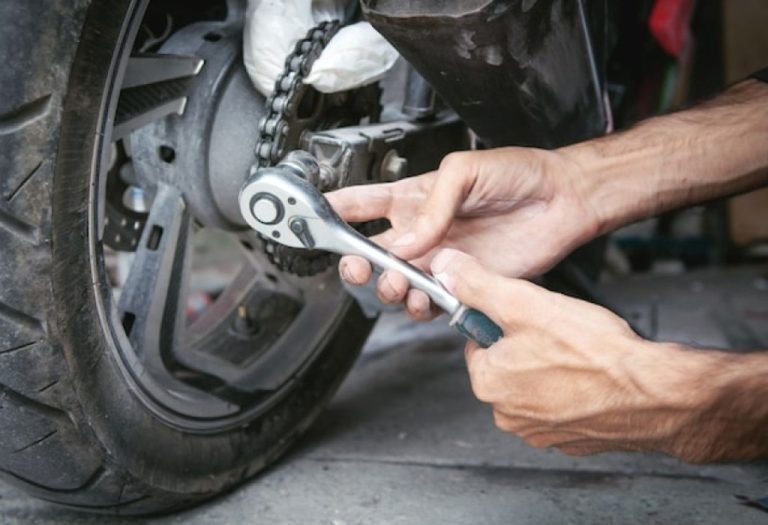
A rusted lug nut refuses to budge no matter how much force is applied with a hand wrench.
Sweat builds, frustration rises, and the job that should take minutes starts feeling impossible.
That’s when most DIYers reach for their electric impact wrench — but few truly know how to use it the right way.
Electric impact wrenches are built for power, delivering rapid bursts of torque that can break loose the toughest bolts.
However, the same force that makes them effective can also strip threads or snap fasteners if misused.
According to Popular Mechanics, modern electric models can deliver over 300 ft-lbs of torque, enough to shear a small bolt in seconds.
Many beginners confuse impact wrenches with drills, thinking both tools perform the same function.
The difference lies in the internal hammering mechanism that generates sudden impacts to rotate the fastener with minimal user effort.
That means proper handling and torque control are essential for precision and safety.
Studies show that over 40% of DIY mechanics overtighten bolts, leading to damaged threads and weakened components .
By learning how to use an electric impact wrench correctly, you can avoid costly mistakes, extend tool life, and ensure reliable tightening on every job.
In this guide, you’ll discover how to choose the right sockets, adjust torque settings, and apply proper techniques for both loosening and tightening.
Whether you’re changing tires, assembling furniture, or repairing equipment, mastering this tool will turn every tough task into a smooth, controlled operation.
What Is an Electric Impact Wrench and How It Works
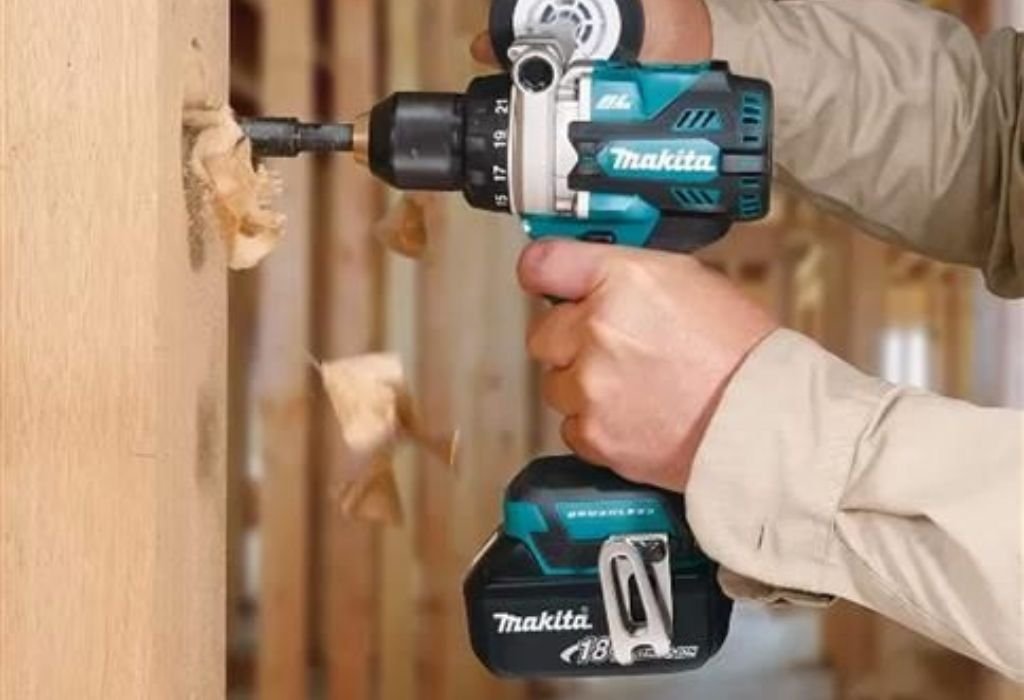
An electric impact wrench is a high-torque power tool designed to loosen or tighten bolts using short, repeated bursts of force.
It uses a hammer-and-anvil mechanism that stores rotational energy and releases it instantly when resistance is detected.
A. Definition and Function
The hammering mechanism delivers tremendous torque without straining the user’s wrist.
Unlike drills, impact wrenches are optimized for heavy-duty fastening tasks rather than precision drilling.
What is an electric impact wrench?
It’s a power tool that applies rotational force in powerful, rapid impacts to move stuck or tight bolts.
How is it different from a drill?
A drill provides continuous rotation; an impact wrench delivers bursts of torque.
Why is it called “impact”?
Because it uses internal impacts to deliver high torque with minimal user effort.
Do all impact wrenches use electricity?
No, pneumatic and hydraulic versions exist too, but electric models dominate home and auto use.
Where is it most useful?
Automotive repair, construction, maintenance, and assembly work.
B. Types of Electric Impact Wrenches
Electric impact wrenches come in two main types — corded and cordless.
Each serves different needs depending on mobility, torque requirements, and power availability.
What’s the difference between corded and cordless?
Corded models offer consistent power; cordless versions provide flexibility and portability.
Which produces more torque?
Corded models usually deliver slightly higher continuous torque.
Are cordless tools strong enough for lug nuts?
Yes, many cordless models exceed 250 ft-lbs — enough for most vehicles.
Which type suits home garages best?
Cordless tools offer convenience and reduce tripping hazards.
Can corded impact wrenches handle industrial bolts?
Yes, especially when rated for 7–10 amp operation.
Safety Precautions Before Using an Electric Impact Wrench
Safety always comes before speed.
Electric impact wrenches generate strong rotational force, and mishandling them can lead to damaged hardware or injury.
A. Preparation and Workspace Setup
Before operating, inspect your wrench, cords, sockets, and bolts.
Work on a stable surface with good lighting and wear proper protection.
Should gloves be worn?
Yes, to prevent vibration strain and improve grip.
Is eye protection necessary?
Absolutely — sockets can crack, sending debris flying.
Can the wrench be used outdoors?
Only if dry and away from moisture.
Should you check the power cord?
Yes, damaged cords are a major safety risk.
Do batteries need full charge?
Yes, for consistent torque and runtime.
B. Understanding Torque and Safety Limits
Torque measures twisting force, and misuse can destroy hardware quickly.
Most electric impact wrenches can exceed safe limits for standard bolts.
Can it over-tighten bolts?
Yes, easily if trigger control is poor.
What happens when torque is too high?
Bolts stretch, threads strip, or components crack.
Should you finish tightening with a torque wrench?
Always — impact wrenches are for speed, not precision.
How to prevent over-torqueing?
Use short trigger bursts and torque sticks.
Are built-in torque controls accurate?
They help but still need manual verification.
How to Use an Electric Impact Wrench Step-by-Step
Learning the right sequence ensures safe, controlled operation every time.
A. Setup and Preparation
Start by selecting the correct impact-rated socket and attaching it securely to the anvil.
Avoid standard chrome sockets since they can shatter under impact.
What kind of sockets are required?
Use black-oxide impact sockets only.
Should you lubricate the anvil?
A drop of oil improves efficiency and longevity.
Do extension bars affect performance?
Yes, they slightly reduce torque delivery.
Can adapters be used?
Only impact-rated ones to avoid twisting.
Should you warm up the tool?
No need — just avoid starting under heavy load instantly.
B. Loosening Bolts
Attach the socket firmly and apply steady pressure while squeezing the trigger in short bursts.
Let the hammering action do the work — not your strength.
Can it remove rusted bolts?
Yes, apply penetrating oil and allow a few minutes before use.
Is constant trigger pressure safe?
No, use bursts to avoid overheating or rounding bolts.
Can you switch direction easily?
Yes, use the forward/reverse switch near the trigger.
Is more torque always better?
No, excess torque can snap stubborn bolts.
Can an impact wrench replace a breaker bar?
Yes, for most automotive and heavy-duty tasks.
C. Tightening Bolts
Start each bolt by hand to prevent cross-threading, then snug it gently with the wrench.
Never rely on impact torque for the final tightening stage.
Can you torque lug nuts with it?
Yes, but final tightening must be with a torque wrench.
Why start bolts by hand?
It ensures proper alignment.
What’s the best tightening pattern for wheels?
Use a star pattern for even pressure.
Are torque sticks useful?
Yes, they limit torque automatically.
Should bolts be checked later?
Yes, recheck after 25–50 miles of driving.
Common Mistakes to Avoid
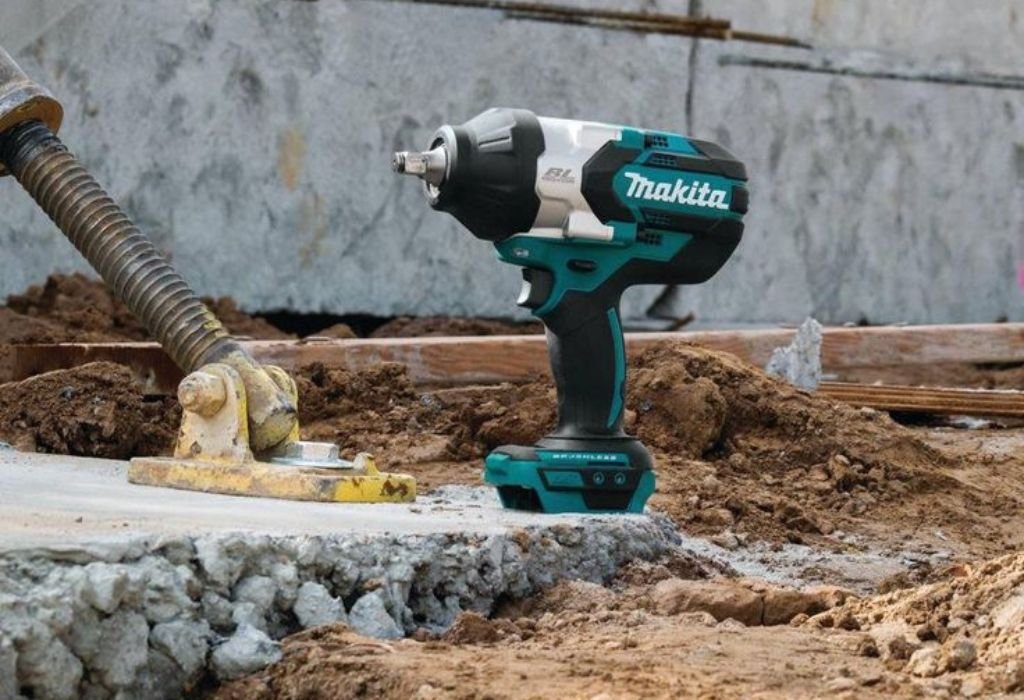
Even experienced DIYers make errors when learning how to use electric impact wrench effectively.
Avoiding these will extend tool life and prevent damage.
A. Using Wrong Sockets
Regular sockets are not designed to absorb impact force.
They may crack, deform, or injure the user.
Can chrome sockets be used?
No — they’re unsafe under impact stress.
Difference between impact and standard sockets?
Impact sockets have thicker walls and resilient material.
Does socket size matter?
Yes, an incorrect fit rounds fasteners.
Should sockets be lubricated?
Use minimal oil only.
Are deep sockets better?
Yes, for recessed or long-thread bolts.
B. Over-Tightening
Excess torque is the most frequent mistake.
It can ruin both bolts and the tool’s internal mechanism.
Can “feel” replace a torque gauge?
Never — it’s inaccurate.
Do all bolts need torque specs?
Yes, especially for automotive applications.
Is one torque setting enough for all tasks?
No, settings vary by bolt size and material.
Can over-tightening cause wheel loss?
Yes, stretched studs can fail on the road.
Should you rely on the wrench’s rated torque?
No, real output fluctuates with battery level and angle.
C. Poor Handling and Posture
Proper stance and grip prevent tool kickback and fatigue.
How to hold it correctly?
Two hands — one for control, one for support.
Can wrists absorb vibration?
No, keep them straight and relaxed.
What to do if the wrench jerks?
Release the trigger instantly.
Do anti-vibration gloves help?
Yes, they reduce strain during long jobs.
Why does posture matter?
It improves stability and accuracy.
Electric vs Pneumatic Impact Wrench
Both serve similar purposes, but their power delivery and maintenance differ.
A. Performance and Convenience
Electric models are plug-and-play, while pneumatic versions require air compressors.
Which delivers higher torque?
Pneumatic models typically do.
Are electric versions more convenient?
Yes, no hoses or compressors needed.
Can electric wrenches overheat?
Yes, after long continuous use.
Are air tools lighter?
Yes, due to simpler internal structure.
Which suits beginners better?
Electric — simpler and safer setup.
B. Cost and Maintenance
Electric tools are low-maintenance compared to air-powered ones.
Which costs more long-term?
Air systems — compressors add expense.
Do electric motors require oil?
No, they’re sealed and maintenance-free.
How long does a quality impact wrench last?
Several years with proper care.
Do air hoses affect power?
Yes, long hoses reduce PSI and torque.
Is electric more energy-efficient?
Yes, especially in home garages.
Maintenance Tips for Longer Tool Life
Good care ensures consistent performance and safety.
A. After Each Use
Clean, inspect, and store the tool properly.
Should you wipe dust and grease?
Yes, prevents buildup around vents.
Can compressed air clean it?
Yes, but avoid forcing debris inward.
Is post-use lubrication needed?
Lightly oil the anvil occasionally.
Should you unplug or remove the battery?
Always disconnect power after use.
Can you store it in a cold garage?
Yes, if kept dry and covered.
B. Routine Maintenance
A few minutes of inspection keeps performance consistent.
How often to check brushes?
Every 6 months for frequent users.
Do bearings need grease?
Yes, follow manufacturer intervals.
Can you replace brushes yourself?
Yes, most are accessible behind caps.
Should torque output be tested?
Yes, verify accuracy periodically.
Can minor vibration mean internal wear?
Yes, service it before it worsens.
Troubleshooting Common Problems
Understanding simple fixes prevents downtime.
A. Power or Torque Drop
If the tool feels weaker than usual, start with basic checks.
Why does torque drop suddenly?
Battery or electrical connection issues.
Can overheated motors cause power loss?
Yes, thermal cutoffs protect from burnout.
Does using long cords matter?
Yes, voltage drop lowers performance.
Are worn sockets a factor?
Yes, poor contact wastes torque.
What’s the fix?
Inspect, clean, and replace damaged parts.
B. Excessive Noise or Vibration
Some vibration is normal, but harsh shaking signals a problem.
Is clicking noise bad?
No, that’s the hammer mechanism.
When is vibration dangerous?
If tool shakes violently or loses control.
Can lubrication fix noise?
Often — use recommended grease.
Is squealing a warning sign?
Yes, it may mean bearing wear.
Should you continue using a noisy tool?
No, service it immediately.
Smart Applications and Pro Tips
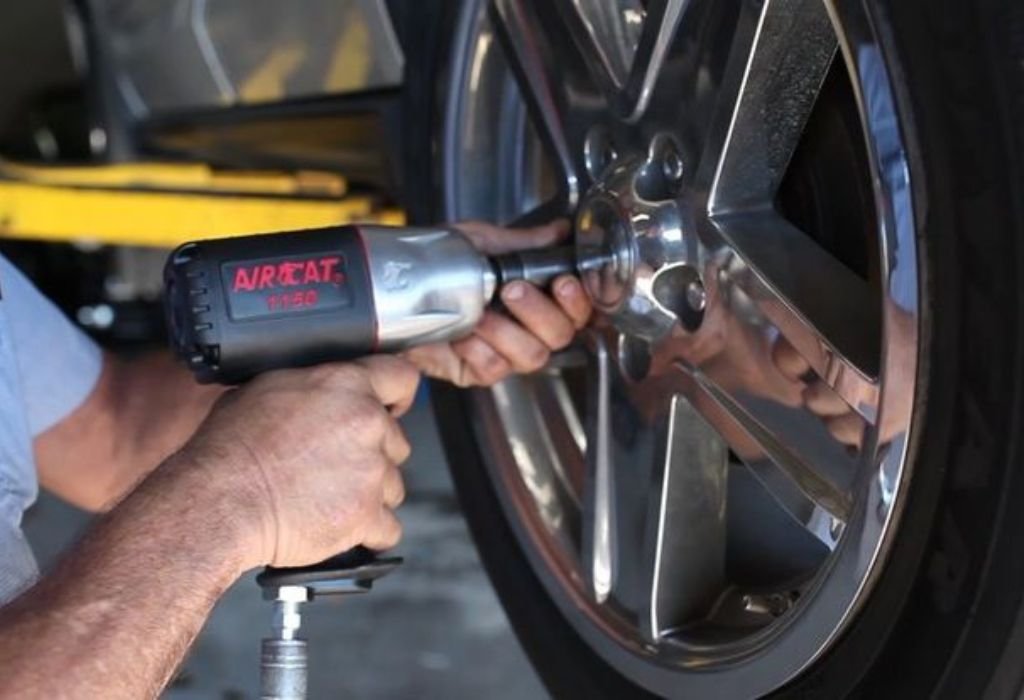
Maximize efficiency and precision with these expert habits.
A. Best Use Cases
Electric impact wrenches excel in automotive and DIY repair.
Can they remove lug nuts?
Yes, within rated torque capacity.
Can you use them on furniture?
Yes, for heavy-duty assembly tasks.
Do they work for concrete anchors?
Yes, with appropriate socket size.
Are they good for delicate parts?
Use lowest speed or switch to hand tools.
Can they replace manual ratchets?
Yes, for most tightening jobs.
B. Expert Tips
Technique matters as much as power.
Can you hold the trigger continuously?
No, use bursts for control.
Should bolts be lubricated?
Yes, lightly for easy future removal.
Does reverse torque differ?
Usually higher to break loose fasteners.
Do long cords affect torque?
Yes, use heavy-gauge extension cords.
Can torque adapters improve accuracy?
Yes, they provide consistent tightening results.
Conclusion
Knowing how to use electric impact wrench the right way turns tough mechanical work into effortless progress.
This versatile tool delivers immense torque, but only when handled with respect and control.
By using the correct sockets, regulating torque, and following safety steps, you’ll protect your fasteners and extend tool life.
Finish tightening with a torque wrench, clean your equipment, and store it properly after every use.
Whether changing tires or tackling your next DIY project, remember — precision always beats power.
Use your electric impact wrench wisely, and every bolt will come off or go on exactly as it should.

I’m Michael R. Turner, the founder, lead writer, and passionate DIY enthusiast behind 101diytools.com. With years of hands-on experience in home improvement and power tools, I built this platform to share practical tips, in-depth guides, and honest reviews to help DIYers of all skill levels tackle projects with confidence and the right tools.