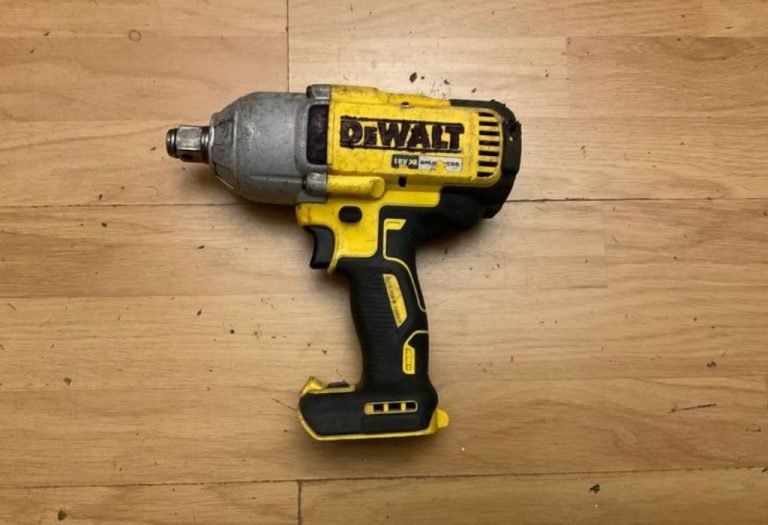
How to Use DeWalt Impact Wrench for Best Results
A stubborn bolt can turn a simple repair into an hour-long struggle.The more you twist, the more it resists until your arm aches and the wrench barely moves.
That’s when a DeWalt impact wrench transforms frustration into effortless power.
This tool delivers high-torque rotational force that loosens even the most rusted or over-tightened fasteners in seconds.
It’s the same reason automotive shops, contractors, and DIYers rely on it for everything from tire changes to building projects.
According to ToolGuyd, modern DeWalt impact wrenches can produce up to 700 ft-lbs of fastening torque, making them one of the most efficient cordless tools in their class.
But owning one isn’t enough — knowing how to use a DeWalt impact wrench correctly is what unlocks its true potential.
Too much trigger pressure can strip threads or damage fittings, while using the wrong socket can lead to accidents and wasted effort.
The key lies in understanding torque control, drive size, and technique.
Unlike drills or drivers, an impact wrench relies on short bursts of power called impacts to maintain control and prevent slippage.
That unique motion gives it strength and precision when handled properly.
According to DeWalt, brushless motors also improve efficiency and runtime by up to 50% compared to older models.
In this guide, you’ll learn step-by-step how to use a DeWalt impact wrench safely and effectively for any project.
From choosing the right model and setup to mastering torque settings and maintenance, every section will help you get professional-level results — even at home.
Understanding How a DeWalt Impact Wrench Works
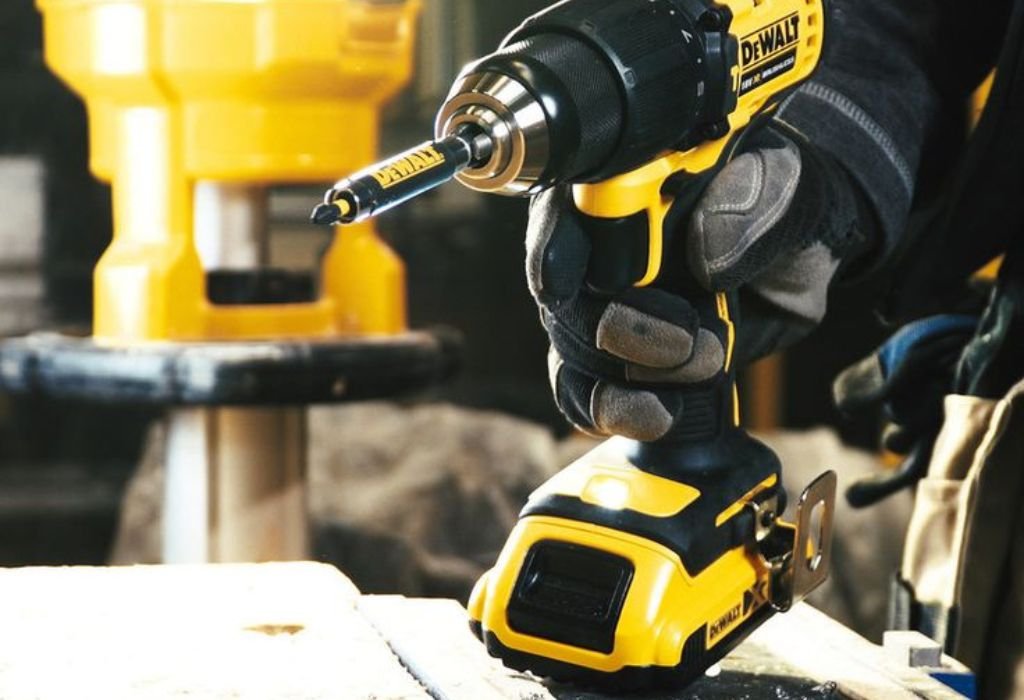
A DeWalt impact wrench uses a combination of rotational force and percussive impacts to deliver massive torque.
Inside the tool, a hammer mechanism rapidly strikes an anvil that transmits torque to the socket and bolt head.
This design allows the tool to apply high torque without transferring excessive vibration to the user.
Unlike a drill that delivers constant torque, an impact wrench applies power in controlled bursts to reduce strain on the motor and wrist.
Cordless DeWalt models use brushless motors, which adjust power output depending on resistance.
This feature increases efficiency and protects the motor from overheating during tough jobs.
What makes an impact wrench different from an impact driver?
An impact wrench delivers higher torque using square drives, while a driver uses hex bits for screws.
Can it replace a torque wrench?
No, it’s used for fastening and removal, not final torque calibration.
What’s the advantage of brushless design?
It provides more runtime, less heat, and longer motor life.
Why does it make a hammering noise?
That sound is the internal hammer striking the anvil to generate torque.
Can it handle rusted bolts?
Yes, high-torque bursts easily break free corroded fasteners.
Choosing the Right DeWalt Impact Wrench Model
DeWalt offers multiple impact wrench models designed for different applications.
Each model varies in torque output, drive size, and weight, so the right choice depends on the work type.
The 1/2-inch drive is ideal for automotive and heavy-duty mechanical jobs, while the 3/8-inch model fits tighter spaces.
Compact 1/4-inch versions are perfect for light assembly or small home repairs.
For maximum performance, choose a brushless XR model paired with a high-capacity 20V MAX battery.
This combination delivers consistent power even under heavy load.
Which DeWalt impact wrench is best for lug nuts?
The DCF899 or DCF894 1/2-inch models are powerful enough for car tires.
What’s the difference between 3/8 and 1/2 drive sizes?
A 3/8 fits smaller bolts, while a 1/2 handles large fasteners.
Are all DeWalt batteries interchangeable?
Yes, 20V MAX batteries work across most cordless DeWalt tools.
Should I choose high torque or mid torque?
Mid-torque is best for general use; high-torque is ideal for stuck or industrial bolts.
Is weight an issue for long use?
Lighter models reduce fatigue but may offer slightly less power.
Safety and Setup Before Use
Before using the wrench, inspect it for cracks, loose parts, or worn sockets.
Always use impact-rated sockets, as regular chrome sockets can shatter under pressure.
Wear safety glasses and gloves to protect against flying debris or slipping tools.
If working in tight spaces, tie back loose clothing and secure your workspace.
Ensure your battery is fully charged and locked in place before starting.
If your model includes variable speed or torque settings, begin with the lowest setting and adjust as needed.
Can I use standard sockets?
No, they can crack or slip — always use impact-rated sockets.
Do I need hearing protection?
Yes, prolonged use produces loud impacts that can damage hearing.
Should I use thread lubricant?
For rusted or exposed bolts, applying anti-seize improves removal.
Can gloves affect control?
No, they improve grip and prevent vibration strain.
Why start on low torque?
It allows better control and avoids damaging fasteners.
Step-by-Step: How to Use a DeWalt Impact Wrench
Attach the correct socket to the anvil and make sure it locks securely.
Insert a fully charged battery and select the correct forward or reverse direction.
Hold the tool firmly with both hands to control recoil.
Align the socket straight with the bolt head to prevent rounding or slippage.
Pull the trigger gently until the tool begins to impact.
For tightening, stop once the bolt is snug and finish with a torque wrench for precision.
How do I loosen a tight bolt?
Apply short bursts of power until the bolt breaks free.
Can I use the wrench on delicate parts?
Yes, use low-speed mode to prevent overtightening.
What direction should the switch face?
Forward tightens, reverse loosens — check markings before starting.
How long should I hold the trigger?
Just until the bolt loosens or tightens; avoid prolonged hammering.
What if the wrench stops mid-job?
The battery may be drained or the overload protection engaged.
Removing Lug Nuts and Stubborn Bolts
Lug nuts are the most common test for an impact wrench’s power.
Always start by loosening them slightly with a breaker bar if they’re rusted or cross-threaded.
Set your wrench to reverse mode and apply 30–40 PSI of air-equivalent torque if using pneumatic adapters.
For cordless models, select the high-torque setting and pulse the trigger in short bursts.
Why won’t the lug nut loosen?
It may be over-torqued or rusted; use penetrating oil and wait a few minutes.
Can it damage wheel studs?
Only if you hold the trigger too long or use the wrong socket size.
Should I loosen lug nuts in a pattern?
Yes, loosen in a star pattern to avoid wheel warping.
Can I use it on aluminum wheels?
Yes, but lower the torque setting to avoid marring surfaces.
How long does removal take?
Usually 1–2 seconds per lug once proper contact is made.
Tightening Bolts the Right Way
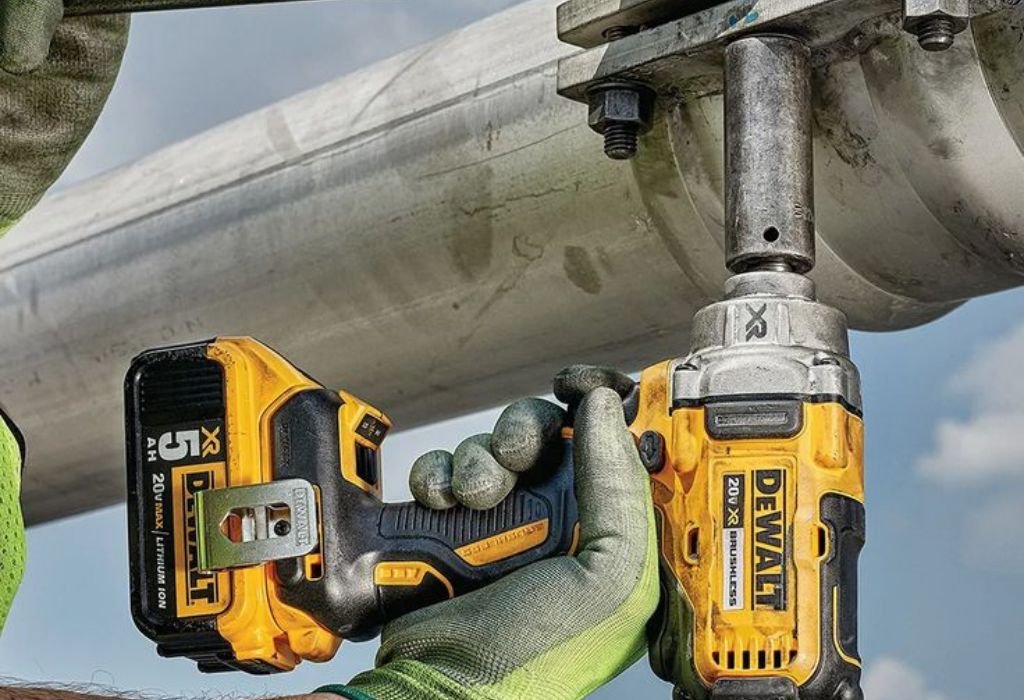
An impact wrench should never be used for final tightening.
Its power can exceed bolt specifications and cause thread damage.
Use it to snug the fastener, then follow up with a torque wrench to apply manufacturer-recommended specs.
Always tighten bolts in a cross or star pattern for even pressure distribution.
Can I torque bolts accurately with an impact wrench?
No, it’s only for preliminary tightening.
Why use a torque wrench after?
It ensures uniform pressure and prevents fastener failure.
What happens if I over-torque?
Threads can stretch or break, leading to costly repairs.
Which mode should I use for reassembly?
Low-speed or precision mode helps avoid overtightening.
Can I use torque sticks?
Yes, they limit torque automatically when used with impact tools.
Using Accessories for Better Results
DeWalt impact wrenches support various accessories to enhance performance.
Common ones include impact extensions, universal joints, torque sticks, and protective boots.
Using an XR high-capacity battery extends runtime and maintains torque output.
Protective rubber boots prevent scratches and reduce vibration.
What accessories improve efficiency?
Torque sticks, magnetic sockets, and LED attachments.
Do extensions reduce torque?
Slightly, especially longer ones; keep extensions short for maximum power.
Are universal joints safe?
Yes, but use them only for moderate torque applications.
What’s the benefit of DeWalt XR batteries?
They deliver consistent power and longer life under load.
Can I add a belt clip or hook?
Yes, most models include attachment points for convenience.
Maintenance and Storage Tips
After every use, wipe the tool clean and remove debris from vents.
Inspect the anvil and sockets for wear or distortion.
Charge and store batteries in a cool, dry environment.
Avoid exposing them to extreme heat or cold for extended periods.
Lubricate the hammer mechanism occasionally if the manual recommends it.
Never submerge or pressure-wash the tool.
How often should I clean it?
After each job to prevent dust buildup.
Can it be oiled like air tools?
Cordless models don’t require oiling unless specified by DeWalt.
Why does torque feel weak over time?
Check for worn sockets or a low battery.
Should batteries be stored full or half-charged?
Around 50–70% is ideal for long-term storage.
Can it be stored vertically?
Yes, as long as it’s secure and away from moisture.
Common Mistakes to Avoid
Many beginners misuse the impact wrench by overtightening or cross-threading bolts.
Others use non-impact sockets that crack under high torque.
Holding the trigger continuously instead of pulsing reduces control.
Ignoring vibration or heat buildup can shorten motor life.
Why do sockets crack?
They’re not impact-rated or fitted properly.
Why won’t my bolt come off?
You may be spinning the wrong direction or the nut is cross-threaded.
Can impact wrenches strip threads?
Yes, with too much torque or poor alignment.
Is heat from prolonged use normal?
Some warmth is fine, but stop if it becomes too hot to touch.
What’s the biggest mistake new users make?
Relying on the wrench alone without using a torque wrench afterward.
Troubleshooting Performance Issues
If your DeWalt impact wrench stops spinning, first check the battery charge.
Weak or low-voltage batteries cause intermittent power loss.
Inspect the trigger and switch area for dust buildup.
If the motor feels sluggish, the internal brushes or electronics may need service.
Why does my wrench stop mid-use?
It may have hit the overload protection limit.
Why is torque inconsistent?
Battery voltage drops or poor socket contact can cause variation.
Why won’t it go in reverse?
The direction switch may be partially engaged or stuck.
Why does it spark internally?
A small spark is normal, but heavy sparking indicates motor wear.
Can weather affect performance?
Yes, extreme cold reduces battery efficiency.
Safety Recap and Best Practices
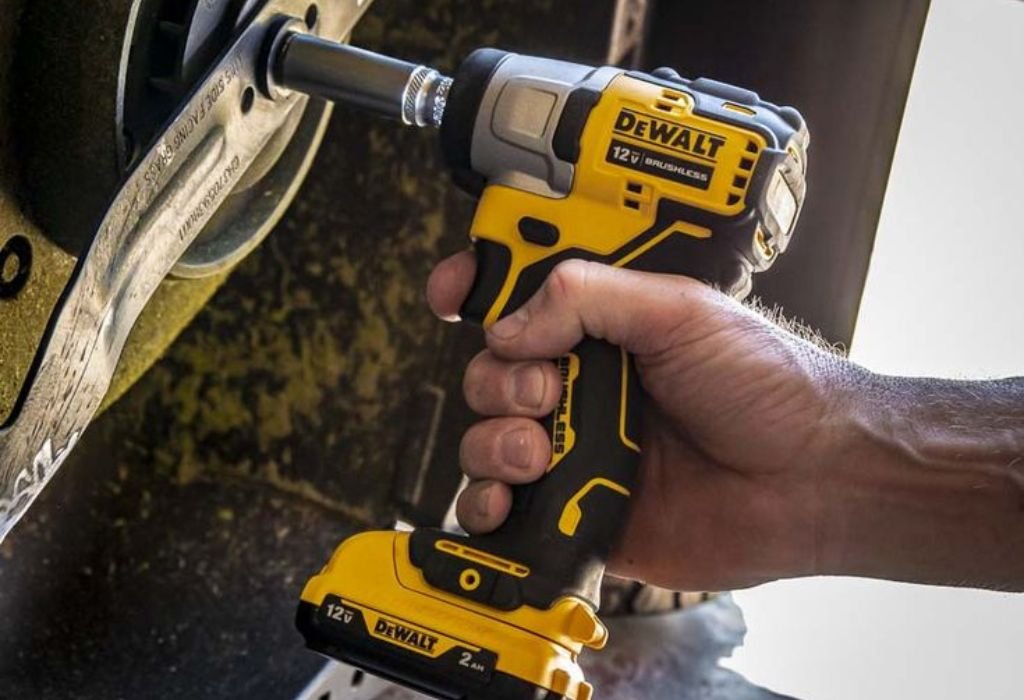
Always wear eye protection and gloves when operating power tools.
Keep a firm grip and maintain a stable stance.
Avoid using the wrench on wet or slippery surfaces.
After long sessions, let the motor cool before storage.
Can sparks ignite near fuel?
Yes, never use impact tools near flammable materials.
How do I reduce vibration fatigue?
Use cushioned gloves and take short breaks.
Should I store it with a socket attached?
No, it can strain the anvil and deform the socket.
Can kids use it under supervision?
Only trained adults should handle high-torque tools.
Is the LED work light safe in dark areas?
Yes, it improves visibility and accuracy during work.
Conclusion
Learning how to use a DeWalt impact wrench correctly transforms your projects from slow to seamless.
By mastering torque control, socket selection, and safety practices, you can handle any fastening job efficiently.
Always start with low torque, pulse the trigger for control, and finish tightening with a torque wrench.
Clean and maintain your tool regularly to extend its life and reliability.
Whether changing tires, assembling furniture, or tackling a major construction task, the DeWalt impact wrench gives you precision power in your hands.
Use it wisely — and every bolt will turn with confidence.

I’m Michael R. Turner, the founder, lead writer, and passionate DIY enthusiast behind 101diytools.com. With years of hands-on experience in home improvement and power tools, I built this platform to share practical tips, in-depth guides, and honest reviews to help DIYers of all skill levels tackle projects with confidence and the right tools.