How to Use Cordless Impact Wrench Effectively
A rusted lug nut finally cracks loose after a burst of metallic taps.
Excitement turns to caution as the question becomes how to use cordless impact wrench safely and with control.
This tool delivers short, powerful blows that loosen stuck hardware without straining arms.
Used well, it speeds tire changes, suspension work, and stubborn fasteners in minutes.
Wrong sockets can shatter and cause injury, so impact-rated sockets are essential.
Manufacturers and safety bodies stress the right accessories and PPE for powered fastening.
Cordless models include modes that cap power, slow spin after break-free, or pause to prevent over-tightening.
Finishing to specification with a torque wrench remains the standard on critical joints.
Wheel service has an extra rule that protects studs and rims.
New wheels should be re-torqued after a short driving interval to account for seating.
Batteries matter as much as features.
Low charge or cold packs reduce output, so fresh, warm packs keep removal torque consistent.
Technique makes the difference between quick work and costly damage.
Hand-start threads, keep the socket square, use short trigger bursts, and finish with a torque wrench.
This guide explains settings, sockets, and setups used by pros every day.
Each section shows how to use cordless impact wrench for removal and assembly with clear steps, quick Q&A, and safety notes.
Impact wrench basics: what the tool does
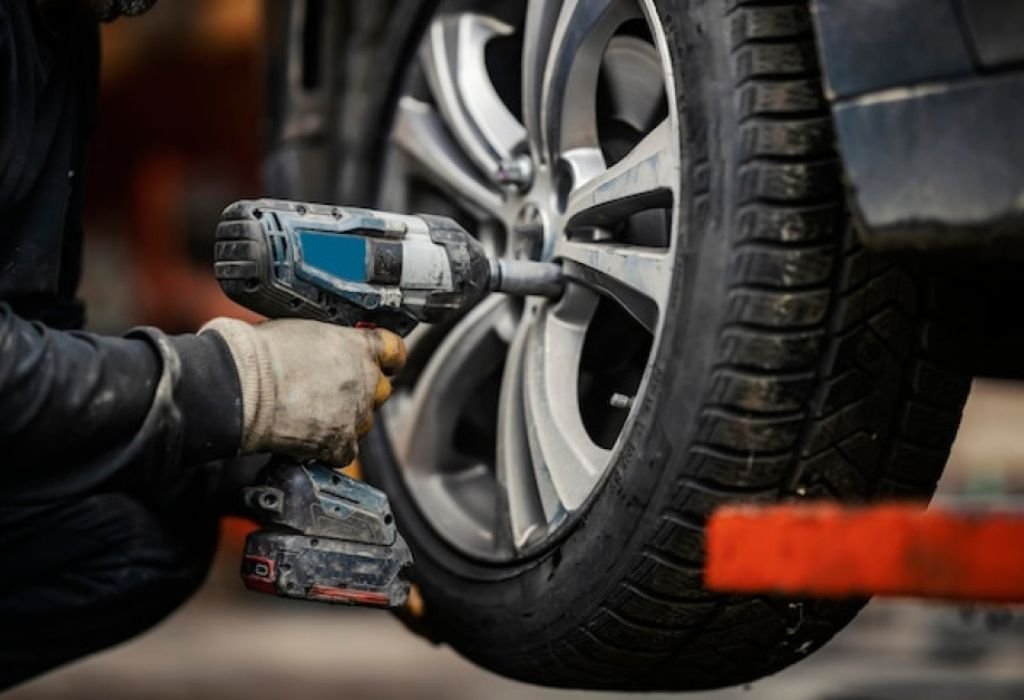
A cordless impact rotates a mass that repeatedly strikes an anvil to deliver pulsed torque.
Those impacts break friction on stuck fasteners and maintain rotation under load.
Breakaway torque for loosening is usually higher than tightening torque.
Mode settings change speed and impact rate but are not calibrated torque values.
What is breakaway torque?
The reverse force needed to start a stuck fastener moving.
Can an impact replace a torque wrench?
No, use the impact to snug and a torque wrench to verify final spec.
Why does the tool “hammer”?
Short blows multiply torque without constant wrist twist.
Do higher modes equal exact torque numbers?
No, they are power levels, not precise torque outputs.
Does battery charge affect performance?
Yes, low or cold batteries reduce torque noticeably.
Safety and setup essentials for how to use cordless impact wrench
Wear eye protection and keep hands clear of the rotating socket.
Work on stable ground, chock wheels when lifting vehicles, and support with rated stands.
Use impact-rated sockets only, never chrome hand sockets on an impact.
Check the socket retention type and confirm the fit on the fastener before applying power.
Why impact sockets?
Their steel and wall thickness handle repeated blows safely.
Gloves or bare hands?
Use snug gloves that will not snag on rotating parts.
Vehicle stability tips?
Chock, break lugs slightly before lifting, and support with stands.
Is PPE really necessary?
Flying debris and fragments make glasses non-negotiable.
How tight should sockets fit?
Use exact size so corners are supported by a six-point profile.
Sockets, adapters, and extensions
Choose six-point impact sockets that fully engage the nut or bolt head.
Thin-wall impact sockets protect alloy wheels where clearance is tight.
Keep adapters and extensions short to prevent torque loss and wobble.
Use wobble extensions only when necessary and at the lowest mode that completes the task.
Chrome socket okay in a pinch?
No, risk of cracking and injury is high.
Will long extensions reduce power?
Yes, they flex and absorb impact energy.
Metric or SAE when both feel close?
Always use the exact standard for the fastener.
What makes thin-wall sockets special?
They maintain engagement while clearing rim recesses.
Pin detent or friction ring?
Pin detent holds tighter, friction ring swaps faster.
Batteries and power management
Charge packs fully before heavy work and keep contacts clean.
High-capacity packs sustain output longer and resist voltage sag.
Cold batteries deliver less power and charge slowly.
Warm packs to room temperature for consistent removal force.
Does Ah rating matter?
Higher Ah maintains voltage under load for longer.
Why does performance fade mid-job?
State of charge and heat reduce available torque.
Mixing brands wise?
Use packs and chargers designed for the tool platform.
How should batteries be stored?
Cool, dry locations and partial charge extend life.
Any maintenance on terminals?
Keep them clean and free of corrosion for low resistance.
Controls and modes: how to use cordless impact wrench features

Most tools offer multiple speed and impact levels for precision.
Some add Precision or Assist modes that pause, slow, or limit power to protect hardware.
Reverse assist slows rotation once a nut breaks free to prevent fling-off.
Forward precision caps impacts near seating to reduce over-tightening.
Which mode for assembly?
Start with the lowest mode that moves the fastener smoothly.
Which mode for stuck fasteners?
Use the highest mode and best-fitting six-point socket.
LED light useful?
It helps aim and alignment in tight spaces.
App or custom profiles helpful?
Saved profiles improve consistency for repeat tasks.
Change modes while running?
Stop the trigger, then select to avoid abrupt behavior.
Fastening technique without over-torquing
Start every nut or bolt by hand until a few threads are engaged.
Seat the socket fully, hold the tool square, and pulse the trigger as the head nears seating.
Stop at kiss-fit rather than hammering hard against the seat.
Switch to a calibrated torque wrench and tighten to specification.
Why hand-start first?
It prevents cross-threading and false torque.
Pulse or hold the trigger wide open?
Short bursts give control near the end.
How to avoid galling on stainless hardware?
Use proper lubricant and lower mode during seating.
Do torque sticks finish the job?
They can seat lugs but final torque still needs verification.
What pattern for wheels?
Use a star pattern for even clamping.
Removing stubborn fasteners
Apply penetrating oil and allow time to work where appropriate.
Choose a tight six-point impact socket and keep the tool aligned with the fastener axis.
Use high mode and maintain steady pressure until hammering frees the joint.
Add heat or shock only where safe for surrounding components.
Breakaway spec guarantees removal?
Results vary with rust, threadlocker, and battery state.
Nut just spins the stud?
Support the backside or use locking pliers to hold the stud.
Head starts to round?
Stop and move to a flank-drive or extractor solution.
Extension required in a wheel well?
Keep it short and use a wobble only if clearance demands it.
Safety reminder while loosening?
Expect sudden release and keep fingers clear of edges.
Wheels and lug nuts: a quick recipe for how to use cordless impact wrench
Crack each lug loose a quarter turn before lifting the vehicle.
Lift, support, and remove lugs in a star pattern using a thin-wall impact socket.
Reinstall lugs by hand and seat each in low or medium mode with short bursts.
Lower the vehicle and finish with a torque wrench to the specified value, then re-torque after initial driving.
Which socket finish for alloy wheels?
Use non-marring thin-wall impact sockets.
Torque sticks worth it?
Use a value under spec to seat, then verify with a torque wrench.
Why re-torque wheels later?
Seating and thermal cycles can relax clamping force.
Can an impact over-tighten studs?
Yes if used aggressively without verification.
What about locking lugs?
Use the matching key and keep it seated fully.
Troubleshooting weak, wobbly, or inconsistent results
If the tool feels weak, swap to a fresh battery and shorten the stack of adapters.
Inspect sockets and extensions for wear that causes wobble and power loss.
Check mode selection since low modes limit impacts on purpose.
Examine the anvil and detent for wear that lets sockets slip.
Tool weak only at the end of the day?
Battery sag and heat are likely.
Socket flies off during hammering?
Use the correct retention style and good condition sockets.
Random over-tightening during assembly?
Use precision mode and always finish with a torque wrench.
Burning smell present?
Let the tool cool and verify nothing is binding.
Chatter louder than usual?
Inspect the anvil and replace worn accessories.
Care and maintenance that protect performance
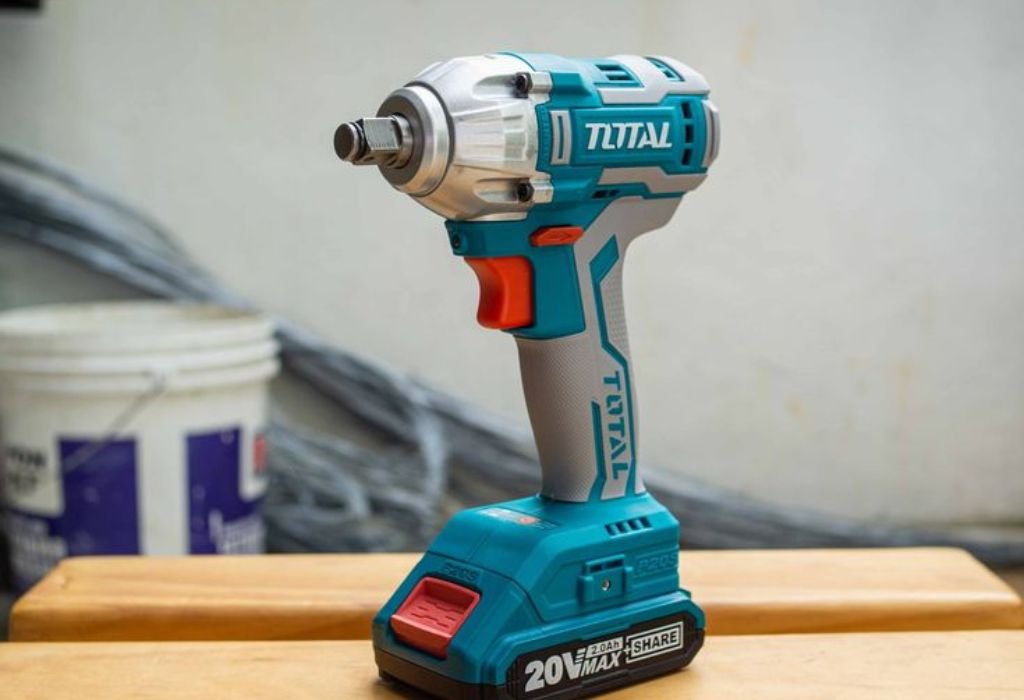
Keep the anvil clean, inspect the detent or friction ring, and replace cracked sockets immediately.
Store batteries at moderate charge and temperature for longevity.
Wipe dirt from vents and avoid immersing the tool in solvents or oil.
Check for firmware or app updates if your model supports profiles.
Grease needed on the anvil?
Follow the manual, since many require only cleanliness.
Drop damage concerns?
Inspect the housing and rotation smoothness before continued use.
How often to replace sockets?
Replace at the first sign of cracks, rounding, or excessive wobble.
Charger care tips?
Keep vents clear and avoid hot, enclosed areas.
Storage best practice?
Separate tool and battery in a dry case away from metal clutter.
Rapid-fire FAQs
How to use cordless impact wrench for assembly without damage?
Use the lowest mode that seats hardware, then torque to spec.
What size impact for passenger vehicles?
A mid-torque 1/2 inch model with quality sockets covers most tasks.
Chrome sockets ever safe on impacts?
No, always use impact-rated sockets.
Retorque wheels after new install?
Yes, re-check after an initial driving interval.
Do adapters reduce torque?
Yes, keep stacks short and solid.
Conclusion
Mastering how to use cordless impact wrench comes down to the right socket, the right mode, and disciplined technique.
Start every fastener by hand, keep the tool square, pulse near seating, and verify final torque with a torque wrench.
Use impact-rated accessories, fresh batteries, and short extensions for consistent power.
Retorque wheels after initial driving and inspect gear often so safety and accuracy remain high.
With these habits, removals are quick, installs are precise, and hardware lasts longer.
The result is confident control on every job without guesswork.

I’m Michael R. Turner, the founder, lead writer, and passionate DIY enthusiast behind 101diytools.com. With years of hands-on experience in home improvement and power tools, I built this platform to share practical tips, in-depth guides, and honest reviews to help DIYers of all skill levels tackle projects with confidence and the right tools.