How to Remove Lug Nuts with an Impact Wrench
You’re stranded on the roadside with a flat tire, gripping a rusty lug wrench that refuses to budge a single bolt.
Each pull feels harder than the last, and panic sets in as traffic rushes by.
This is one of the most common challenges faced by drivers and DIYers alike — stubborn lug nuts that seem welded in place.
Traditional tools often lack the leverage or torque needed to free them, especially when corrosion, over-tightening, or heat expansion come into play.
According to Tire Review Magazine, improper wheel torque is responsible for nearly 20% of wheel stud failures in vehicles each year .
When lug nuts are overtightened by pneumatic shop tools, the breakaway torque required to remove them can double or even triple the manufacturer’s specification.
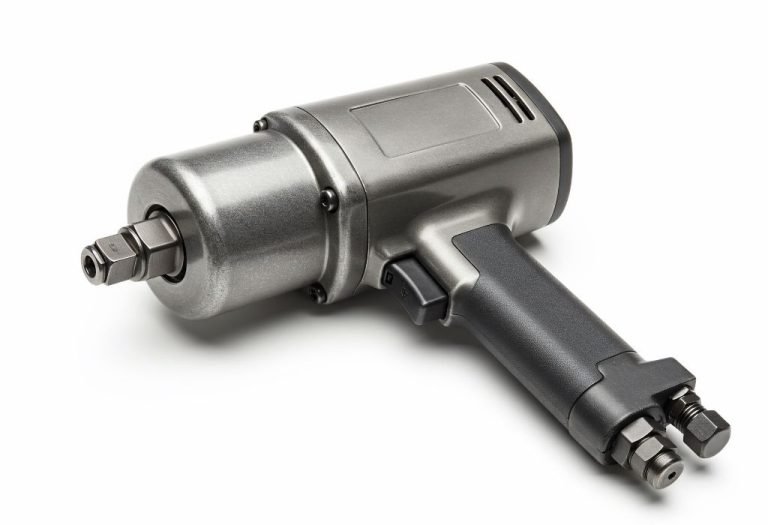
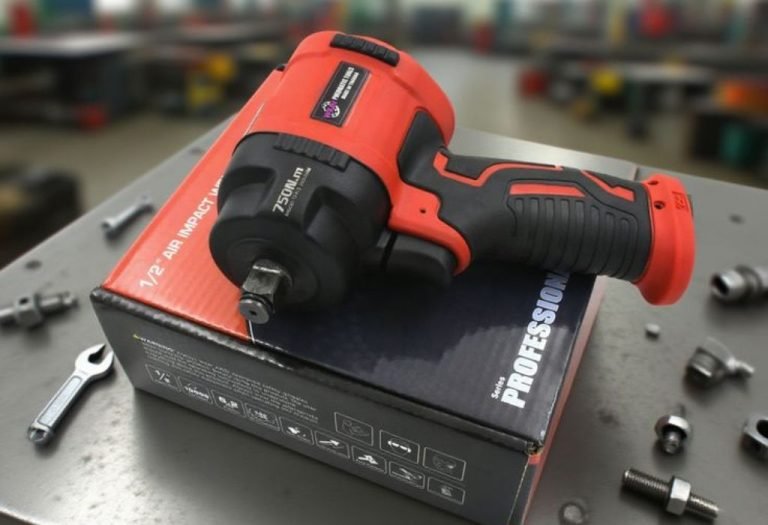
That’s where an impact wrench becomes a game changer.
With its rapid hammering mechanism, it delivers short, controlled bursts of high torque — enough to loosen even the most seized nuts without damaging the studs.
The key, however, isn’t just raw power.
Using the right size socket, correct technique, and understanding how to pulse the trigger make all the difference between effortless removal and stripped threads.
This guide explains everything about how to remove lug nuts with an impact wrench — from setup and safety to torque control and troubleshooting stuck bolts.
By the end, you’ll know exactly how to remove lug nuts like a professional mechanic, safely and efficiently, every single time.
Tools and Setup You Need Before You Start
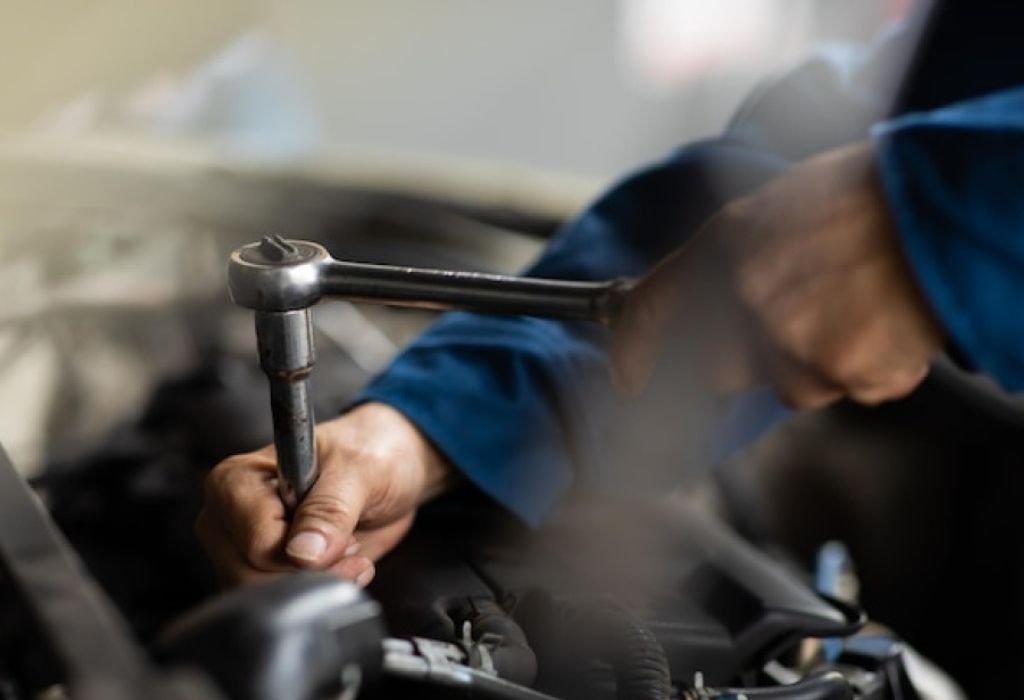
Preparation ensures both safety and efficiency before removing lug nuts.
Having the correct tools and setup prevents damage to your wheels and equipment.
What size impact wrench is best for lug nuts?
A 1/2-inch drive impact wrench rated between 300 and 600 ft-lbs of torque is ideal for cars and SUVs.
Do I need impact sockets?
Yes. Impact-rated 6-point sockets resist cracking and grip the nut’s flats securely.
Cordless or air impact for home use?
Cordless mid-torque or high-torque impact wrenches offer convenience, while air tools are better for shop environments.
What else should be ready?
Wheel chocks, a proper jack, jack stands, penetrating oil, gloves, and safety glasses are essential.
Do extensions reduce power?
Yes. Keep extensions short and impact-rated to avoid torque loss or twisting.
Make sure your battery or air compressor is fully charged and rated for the tool’s specifications.
Proper setup is half the battle when working on stubborn lug nuts.
Understand Lug Nut Torque and Why Some Don’t Budge
Torque values determine how tightly the lug nuts hold your wheels.
When over-tightened, they can become nearly impossible to loosen without power tools.
Why are lug nuts so tight?
Shops often overtighten using pneumatic tools, and corrosion further seizes the threads.
What is breakaway torque?
Breakaway torque is the force required to start loosening a fastener, usually higher than the tightening torque.
Does rust really matter?
Yes. Rust and oxidation act like glue, bonding the nut to the stud.
Can an impact wrench damage studs?
Only if used improperly or with the wrong socket size.
Should I loosen lugs on the ground or in the air?
Crack them loose while the vehicle is on the ground, then lift it for full removal.
Understanding torque helps you apply the right technique and tool setting without causing damage.
Step-by-Step: How to Remove Lug Nuts with an Impact Wrench
1. Position and Secure the Vehicle
Park on flat ground, engage the parking brake, and chock the opposite wheels.
Safety is crucial before applying power tools near tires.
2. Prep the Lug Nuts
Clean off debris using a wire brush.
Apply penetrating oil and let it soak for 5–10 minutes.
3. Seat the Socket and Set the Tool
Use a snug-fitting impact socket.
Align the wrench squarely with the lug nut to prevent slippage.
4. Pulse Technique and Order
Use short bursts instead of holding the trigger down continuously.
Work in a star pattern for even pressure distribution.
5. Finish Removal and Wheel Handling
Once all nuts are loose, lift the vehicle with a jack and remove the nuts fully.
Store them in a clean container to prevent loss or dirt contamination.
How long should penetrating oil sit?
Wait at least 3–10 minutes to allow it to break rust bonds.
Should I hold the trigger nonstop?
No. Short bursts deliver more controlled torque and reduce stud strain.
What if one lug still won’t move?
Reapply oil, tap the socket with a hammer, and use higher torque settings.
Can I mix socket sizes that “almost fit”?
Never. Using the wrong size rounds off the nut edges.
Do I remove all lugs fully before jacking?
Crack them loose first, then lift for complete removal.
Troubleshooting Stubborn or Rounded Lug Nuts
Even the strongest impact wrench struggles if the nut is damaged or rusted beyond movement.
Proper troubleshooting avoids broken studs and stripped threads.
The socket slips — what now?
Switch to a 6-point impact socket or a dedicated bolt extractor.
Heat or cold for seized lugs?
Brief heat from a torch expands the nut; avoid overheating near tires.
Will a breaker bar help?
Yes. Pre-loosen with a breaker bar, then finish with your impact wrench.
Could this lug be left-hand thread?
Yes, some vehicles and trailers use reverse-thread nuts on one side.
When should I stop and call a pro?
If studs twist or wheel locks deform, professional removal is safer.
Patience, correct tools, and technique always outperform brute force.
Safety Essentials You Must Follow
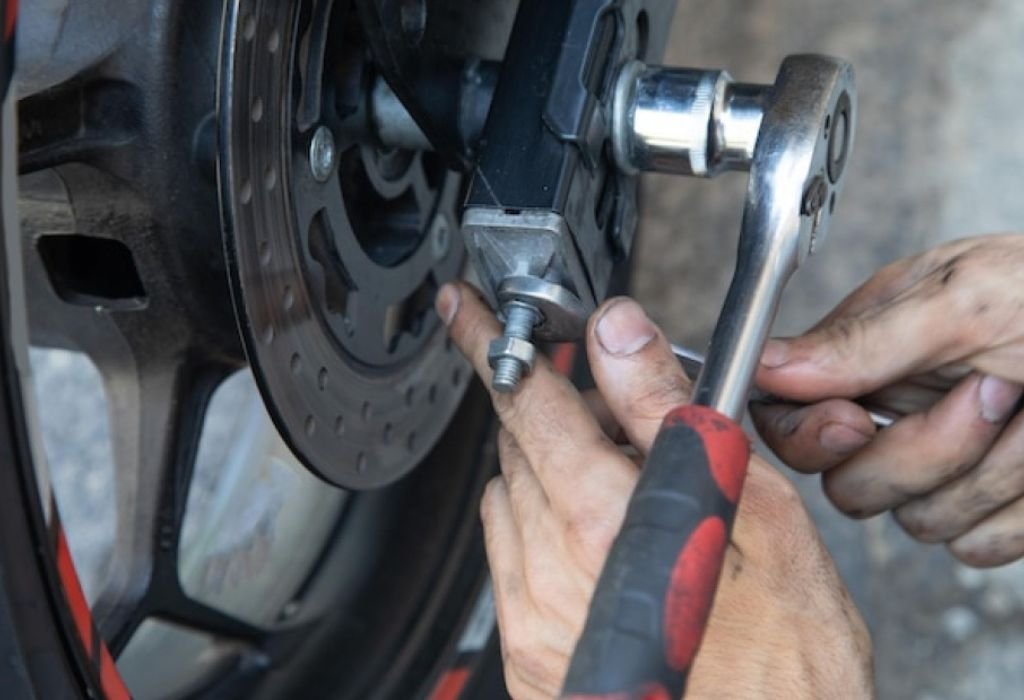
Impact wrenches can remove lugs in seconds, but misuse can cause serious harm.
Proper safety habits ensure both tool control and personal protection.
Do I need eye protection?
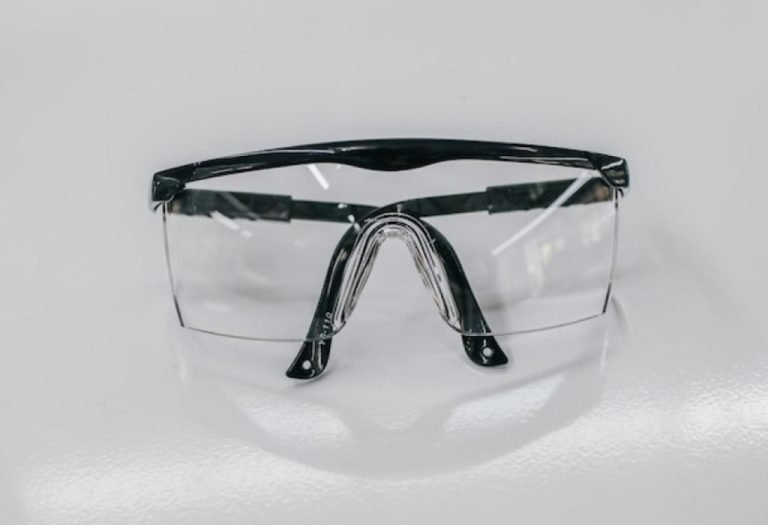
Always. Rust, metal chips, or debris can eject at high velocity.
Where do I place my hands?
Hold the wrench body, not the socket, and keep fingers clear of spinning parts.
Can I trust the scissor jack alone?
Never. Always support with rated jack stands.
Is full trigger safe right away?
Start slow and build up torque with short bursts.
Should I work on a slope?
Avoid slopes. If unavoidable, double-chock and orient uphill.
Safety first ensures every removal stays efficient and injury-free.
After Removal — Cleaning, Inspection, and Reinstallation
Inspect all wheel studs and nuts for wear or damage.
Clean surfaces before reassembly for better torque accuracy.
Do I lube wheel studs?
Follow manufacturer recommendations — lubricants can alter torque values.
How tight should the impact seat the nuts?
Just snug them. Final torque must be applied with a torque wrench.
Star pattern or circular?
Always tighten in a star pattern for balanced pressure.
What if a stud is stretched?
Replace immediately; reusing damaged studs risks wheel failure.
Can I reuse rounded lug nuts?
No. Replace them to ensure proper socket engagement next time.
A few minutes of inspection prevents future roadside emergencies.
Cordless vs Pneumatic: Which Impact Wrench Works Best?
Both cordless and air-powered wrenches remove lug nuts effectively, but each has pros and cons.
Choosing depends on frequency of use and working environment.
How much torque do I need for lugs?
300–600 ft-lbs breakaway torque suits cars and SUVs; heavy trucks may need 800+.
Do batteries affect power?
Yes. Fully charged lithium-ion batteries maintain maximum torque.
What PSI/CFM for air impacts?
Most 1/2-inch pneumatic models perform best around 90 PSI with high CFM.
Are compact 1/2-inch impacts enough?
Yes, for light vehicles. Larger wrenches handle heavier applications.
Does hose length matter?
Shorter, wider hoses maintain airflow and consistent pressure.
Cordless tools offer portability, while pneumatic delivers continuous power for professional garages.
Accessories That Make Removal Easier
The right accessories enhance tool performance and prevent damage to wheels or hardware.
Should I use torque sticks to remove lugs?
No. Torque sticks limit tightening torque, not removal power.
Are thin-wall sockets safe?
Yes, when impact-rated. They protect alloy wheels from scratches.
Do universal joints waste torque?
They can; keep angles shallow for best power transfer.
Is anti-seize good on lugs?
Only if the vehicle manual approves; otherwise, it alters torque specs.
What penetrant works best?
Any quality brand works — give it time to soak for best results.
Good accessories improve workflow and reduce wear on your impact wrench.
Common Mistakes to Avoid
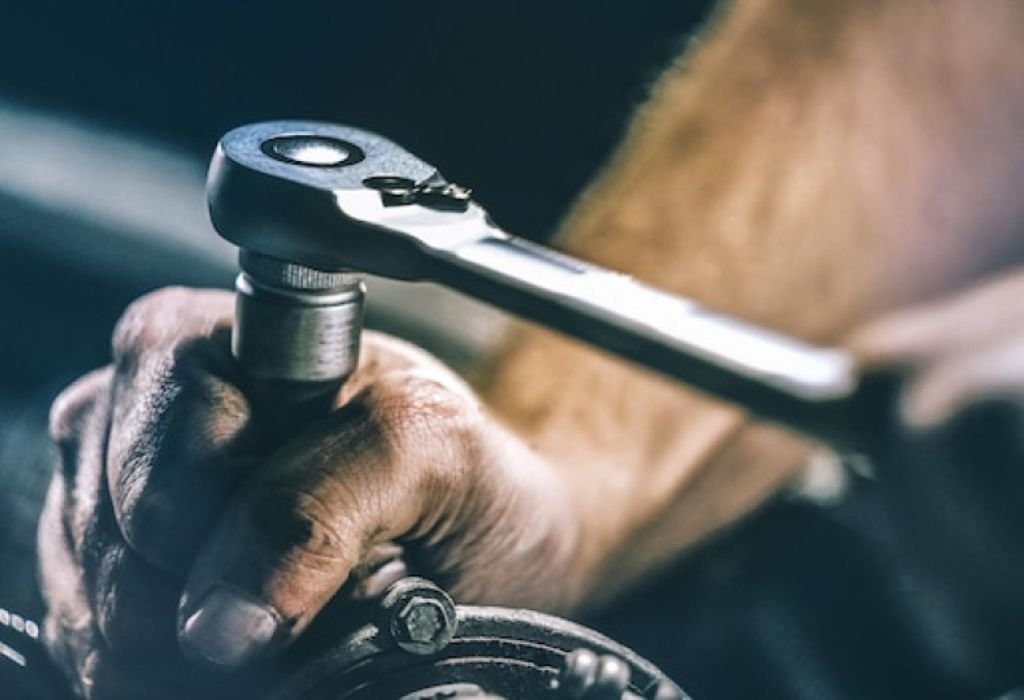
Missteps during removal can cause costly damage to studs, sockets, or tools.
Avoiding these errors keeps your work safe and efficient.
Why did my socket crack?
It was likely a chrome hand socket not rated for impact.
Why did the nut round off?
The socket wasn’t seated squarely or was the wrong size.
Why won’t the wheel come off after lugs are removed?
Rust between the wheel hub and rim may be bonding them together.
Is it okay to final-tighten with the impact?
No. Always use a torque wrench for precise torque application.
Why did the stud snap?
Excessive torque or corrosion weakened it before removal.
Learn from common mistakes to make your next job smoother and safer.
Final Torque — Reinstallation Done Right
Reinstalling wheels correctly is just as important as removing them safely.
Proper torque ensures balanced clamping and vibration-free driving.
What torque should I use?
Consult the vehicle manual — most cars use 80–140 ft-lbs.
Do I need to re-torque later?
Yes. Recheck torque after 50–100 miles of driving.
Can I use a digital torque wrench?
Yes. Digital tools provide consistent, precise readings.
Should I torque on the ground or lifted?
Final torque should always be applied with the wheel on the ground.
What if specs aren’t available?
Look up OEM torque data by model; never guess tightening force.
Proper reinstallation prevents future wheel vibration or stud fatigue.
Conclusion
Removing lug nuts with an impact wrench combines technique, preparation, and safety.
The right tool, socket, and setup save time and prevent frustration.
Short trigger bursts, correct socket alignment, and gradual power application make removal clean and efficient.
For tough cases, patience, penetrant, or heat work better than brute force.
After reinstalling, always finish tightening with a torque wrench to manufacturer specifications.
This ensures balanced pressure, extended stud life, and reliable performance.
Mastering how to remove lug nuts with an impact wrench transforms one of the hardest vehicle maintenance tasks into a quick, confident job.

I’m Michael R. Turner, the founder, lead writer, and passionate DIY enthusiast behind 101diytools.com. With years of hands-on experience in home improvement and power tools, I built this platform to share practical tips, in-depth guides, and honest reviews to help DIYers of all skill levels tackle projects with confidence and the right tools.