How to Remove a Bolt Without an Impact Wrench
You’re halfway through a repair when your wrench stops cold.
A single stubborn bolt refuses to move no matter how much force you apply.
The impact wrench is sitting in someone else’s toolbox — miles away.
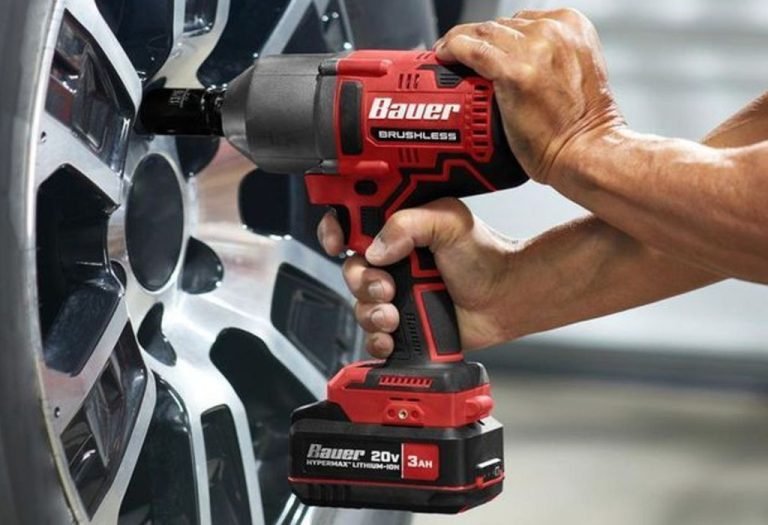
Now you’re left wondering how to remove a bolt without an impact wrench before the job grinds to a halt.
This is one of the most common frustrations in DIY garages and workshops.
Rusted threads, seized fasteners, or overtightened bolts can turn a simple task into a test of patience and strength.
Even experienced mechanics admit that these bolts can be the hardest to free without damaging the part.
But with the right tools and techniques, you can loosen even the most stubborn fasteners safely and efficiently.
According to the National Association of Corrosion Engineers (NACE), corrosion causes an estimated $2.5 trillion in global losses each year (NACE.org).
Rusted and seized bolts are part of that hidden cost — small but frustrating mechanical problems that stop big jobs in their tracks.
Thankfully, the solution doesn’t always require expensive pneumatic tools or electricity.
You just need the right strategy, a bit of patience, and an understanding of torque, friction, and thread movement.
This guide walks you step-by-step through practical, expert-approved methods to remove a bolt without an impact wrench.
You’ll learn how to use leverage, heat, penetrating oil, extractors, and smart mechanical tricks to get the job done right.
By the end, you’ll have every method you need to conquer seized bolts — safely and efficiently.
Quick Answer — Best Ways to Remove a Bolt Without an Impact Wrench
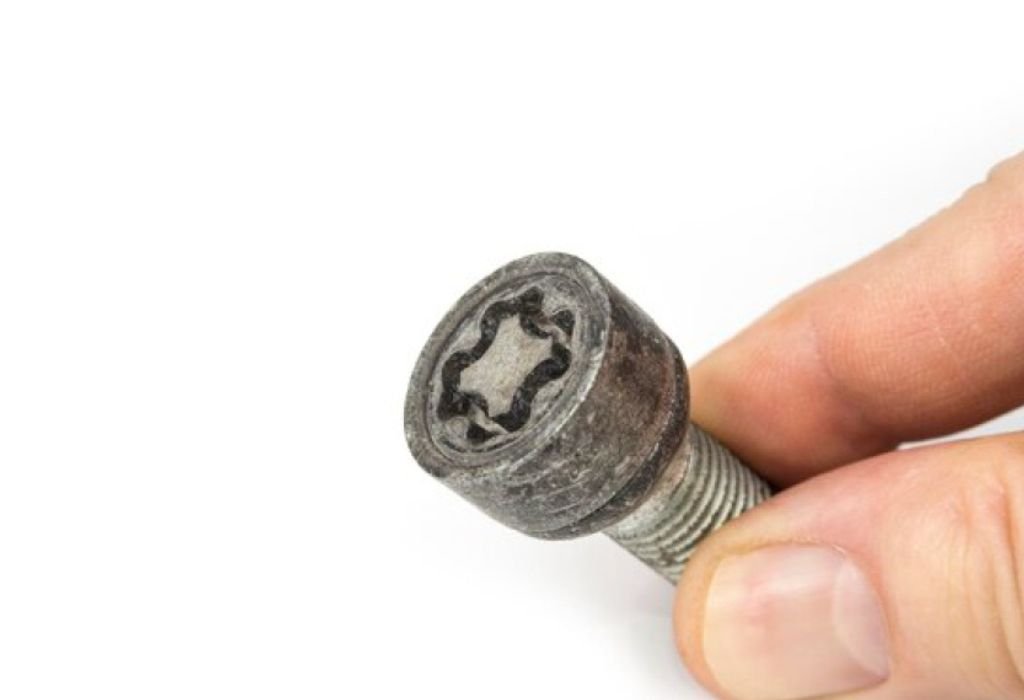
When an impact wrench isn’t available, the key is controlled torque, not brute force.
A combination of penetrating oil, leverage, heat, and vibration can outperform even power tools if applied properly.
Proven Methods Include:
- Soak the bolt in penetrating oil for 15–30 minutes.
- Use a breaker bar with a six-point socket for maximum grip.
- Add a cheater pipe to increase leverage.
- Apply heat and cool cycles to break corrosion bonds.
- Use shock loading with a hammer for micro-vibration.
- If all else fails, try bolt extractors or cutting tools.
What’s the fastest method without an impact wrench?
Use penetrating oil and a breaker bar for maximum torque.
How long should I let penetrating oil soak?
At least 15 minutes — or overnight for heavily rusted bolts.
Can heat damage parts?
Only if applied for too long; focus heat on the nut, not nearby seals.
What should I do if the bolt head rounds off?
Switch to an extractor socket immediately.
Should I try tightening the bolt first?
Yes — a tiny tighten can often “crack” the rust and make loosening easier.
Tools You’ll Need
You don’t need fancy gear — just solid, heavy-duty hand tools and patience.
Core Tools
- Breaker bar (½-inch drive): for steady torque.
- Six-point sockets: grip better than twelve-point.
- Box-end wrenches: great for tight areas.
- Pipe wrench or locking pliers: for rounded heads.
Supporting Tools
- Penetrating oil (PB Blaster, Liquid Wrench, or Kroil).
- Propane or MAP-Pro torch for gentle heat.
- Freeze-off spray to shrink metal after heating.
- Hammer and punch for shock loading.
- Bolt extractor sockets or easy-outs for stripped fasteners.
Can I use a ratchet instead of a breaker bar?
Only for light jobs — ratchets can break under heavy torque.
Why are six-point sockets better?
They grip the bolt flats and prevent rounding.
Can WD-40 replace penetrating oil?
Not effectively — use products made for rust removal.
Should I use power drills with extractor bits?
Only on low speed; keep steady torque.
Are extensions bad for torque?
Long extensions flex and reduce torque, so keep the setup short.
Step 1 — Preparation Is Everything
A good start can make or break your success.
Preparation loosens microscopic rust bonds and helps oil seep deeper into threads.
- Brush off rust and dirt with a wire brush.
- Apply penetrating oil generously around the bolt head.
- Tap the bolt lightly with a hammer to help oil penetrate.
- Wait 15–30 minutes or reapply several times for older bolts.
- Ensure you’re turning in the correct direction — left to loosen.
Why does tapping the bolt help?
It sends vibrations that allow the oil to seep between threads.
Can I use vinegar as a rust dissolver?
It helps with light rust but not for tight mechanical bonds.
How long should I let the oil work?
At least 30 minutes — longer for severe corrosion.
Do I need to clean the bolt first?
Yes, clean metal helps oil and tools grip better.
Should I wear gloves?
Yes — penetrating oils are chemical irritants.
Step 2 — Leverage and Controlled Torque
When brute force fails, mechanical advantage wins.
A breaker bar or cheater pipe multiplies your strength safely.
How to Do It
- Use the correct six-point socket for a snug fit.
- Attach a breaker bar and keep it straight with the fastener.
- Slip a cheater pipe (a sturdy metal tube) over the bar for more leverage.
- Pull slowly and steadily — never jerk.
- Brace your stance and keep your hand clear in case the bolt releases suddenly.
How long should the cheater pipe be?
Two to three feet gives enough leverage without bending tools.
Is pulling or pushing better?
Pull — it gives better control and avoids injuries.
Can breaker bars snap?
Only low-quality ones; use chrome-vanadium steel.
Does longer always mean better leverage?
Up to a point — beyond three feet, stability drops.
Can I use a jack handle as a cheater pipe?
Yes, it’s a common and safe substitute.
Step 3 — Heat and Cool Cycles
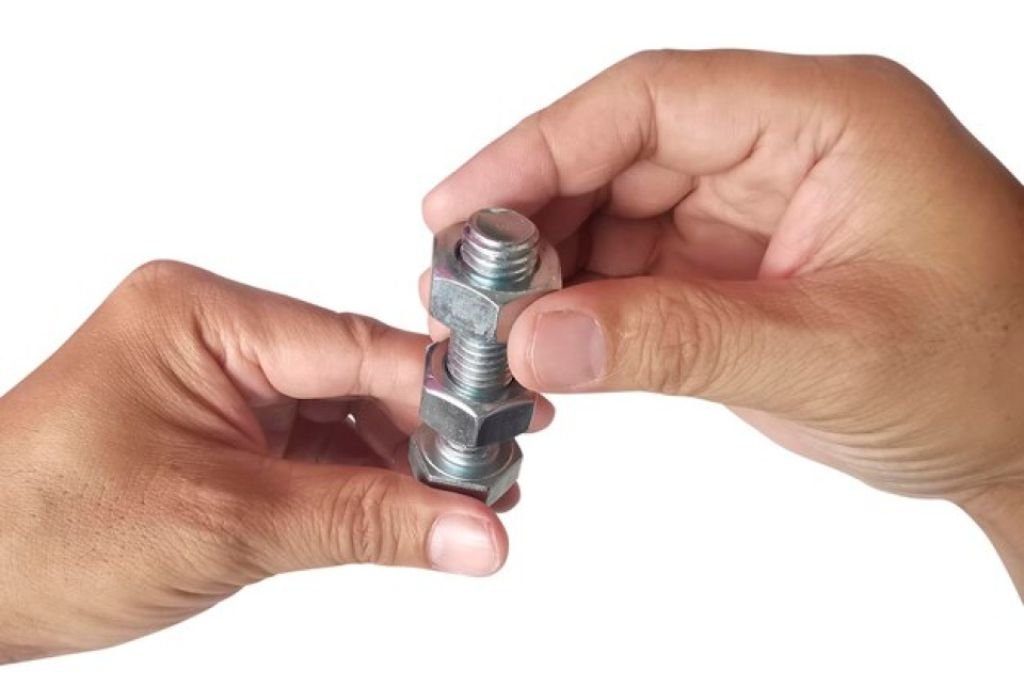
If leverage alone doesn’t work, add temperature manipulation.
Heat expands metal; cooling contracts it — breaking corrosion bonds.
How to Apply Heat Safely
- Aim the torch at the nut or surrounding area — not plastic parts.
- Heat for 30–60 seconds until the metal is warm, not glowing.
- Apply penetrating oil after it cools slightly — never on open flames.
- For extra effect, use freeze-off spray after heating to contract the bolt.
- Retry with your breaker bar.
Can I use a hairdryer or heat gun?
A heat gun can work for smaller bolts; avoid open flame near fuel lines.
What temperature is safe?
Keep below 400°F for aluminum and 600°F for steel parts.
Does candle wax really help?
Yes — melted wax can wick into threads and act as a lubricant.
Can I overheat bolts?
Yes, over-heating weakens metal and burns coatings.
Should I wear eye protection?
Always — rust or oil can pop during heating.
Step 4 — Shock and Vibration Method
Sometimes, vibration breaks the bond better than force.
This method mimics an impact wrench’s effect using hand tools.
Steps
- Preload the wrench or breaker bar slightly.
- Strike the handle near the socket joint using a hammer.
- Repeat short, controlled taps to “shock” the threads.
- Alternate tighten/loosen movements.
- Reapply penetrating oil midway.
Does this really replace an impact wrench?
Yes, it replicates the vibration pattern that breaks rust adhesion.
What type of hammer is best?
A dead-blow or ball-peen hammer works best.
Can this damage the socket?
Only if misaligned — keep the hammer near the pivot point.
Should I use safety goggles?
Yes, always.
Can I use a mallet instead?
Yes, for lighter tasks or aluminum surfaces.
Step 5 — Use Extractor Tools (If the Head Is Stripped)
If the bolt head rounds off, you’ll need extraction tools.
Extractor sockets or easy-outs grip damaged heads tightly.
How to Do It
- Tap the extractor socket firmly onto the rounded head.
- Turn slowly with a breaker bar.
- If the head is broken, drill into the center with a left-hand bit.
- Insert the spiral extractor and turn counterclockwise.
- Once loosened, back it out gently.
Can extractors break?
Yes — always drill deep enough for a firm bite.
Left-hand or standard drill bits?
Left-hand bits often unscrew the bolt while drilling.
What if the extractor snaps?
Use carbide burrs or take it to a machine shop.
Can I heat before extraction?
Yes, mild heat expands metal and helps release it.
Should I use oil during drilling?
Yes — keeps bits cool and reduces friction.
Step 6 — Cutting or Splitting (Last Resort)
When nothing else works, sacrifice the bolt — not the part.
Options
- Nut splitter: splits the nut without harming threads.
- Cutoff wheel or hacksaw: carefully slice the head.
- Chisel and hammer: crack rusted nuts open.
- Oscillating multi-tool: clean, controlled cuts.
Will cutting damage the part?
Only if you go too deep — stop at the nut surface.
What’s a nut splitter?
A tool that cracks nuts cleanly without damaging studs.
Can I reuse the bolt?
No — replace it with a new, properly graded fastener.
Can I use an angle grinder?
Yes, but wear goggles and gloves.
Should I apply oil before cutting?
Yes — it reduces sparks and friction.
Step 7 — Safety First
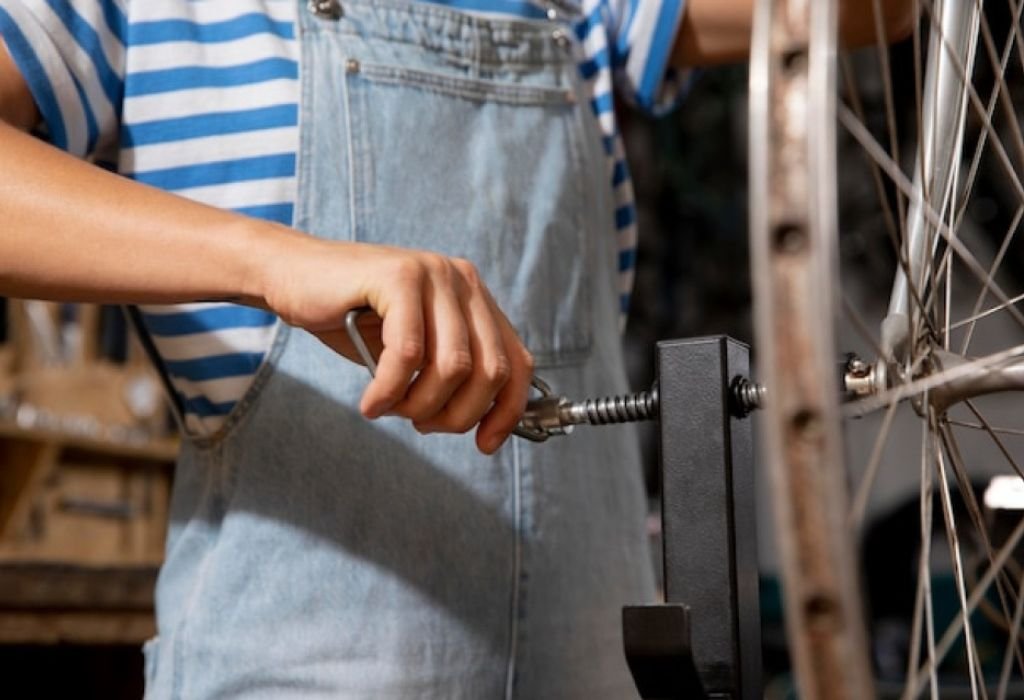
Stuck bolts are annoying — but safety comes first.
A single slip or spark can cause injury or damage.
Safety Checklist
- Wear gloves and ANSI-approved eye protection.
- Keep a fire extinguisher nearby when using heat.
- Ensure good ventilation for fumes.
- Work on a stable surface or jack stand.
- Never pull toward your body.
Can penetrating oil catch fire?
Yes — let vapors clear before heating.
Is it safe to use heat indoors?
Only in well-ventilated spaces.
What’s the biggest mistake DIYers make?
Rushing or using mismatched sockets.
Should I lubricate new bolts later?
Yes, with anti-seize to prevent future rust.
How do I prevent stripped heads?
Always use the correct socket size and angle.
Step 8 — Prevent Future Seizing
Now that the bolt is out, prevent it from sticking again.
- Clean the threads with a wire brush or die.
- Apply anti-seize compound before reinstalling.
- Use threadlocker where vibration is common.
- Avoid over-tightening — follow torque specs.
- Store your tools clean and dry to avoid contamination.
Should I use anti-seize on all bolts?
No — only on exposed or high-temperature areas.
Can threadlocker and anti-seize be used together?
Never — they serve opposite purposes.
How do I torque without a torque wrench?
Use a reference chart and feel method for small bolts.
Should I replace rusted bolts immediately?
Yes — always use fresh hardware.
Is stainless better?
Yes, for moisture-prone environments, but apply anti-seize to prevent galling.
Conclusion
Learning how to remove a bolt without an impact wrench is a skill every DIYer should master.
With the right combination of penetrating oil, leverage, heat, and patience, even the most stubborn fasteners can be freed safely.
Avoid brute force, use steady torque, and escalate methods carefully to prevent damage.
Finish every job by cleaning threads, applying anti-seize, and tightening correctly — your future self will thank you.
Whether you’re in a garage, driveway, or construction site, these methods will get that bolt out — no impact wrench required.

I’m Michael R. Turner, the founder, lead writer, and passionate DIY enthusiast behind 101diytools.com. With years of hands-on experience in home improvement and power tools, I built this platform to share practical tips, in-depth guides, and honest reviews to help DIYers of all skill levels tackle projects with confidence and the right tools.