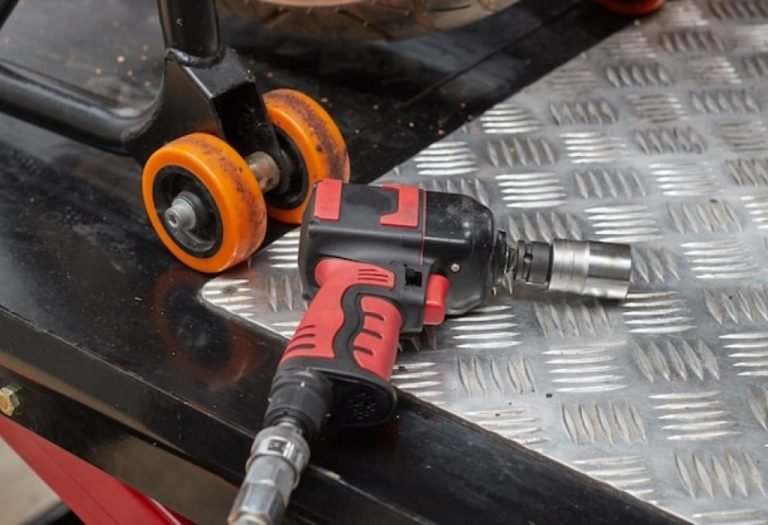
How to Oil Earthquake XT Impact Wrench Correctly
Your Earthquake XT impact wrench is built for serious torque, but without proper oiling, even the toughest tools lose their bite.
Many DIYers and mechanics notice their wrench slowing down or losing power after a few months — not because it’s worn out, but because it’s running dry.
Friction and heat quietly grind away at internal vanes and bearings every time the tool operates without enough lubrication.
Over time, this lack of oil can cause corrosion, stuck rotors, and premature failure that costs far more to repair than it does to prevent.
Regular oiling is not optional — it’s the lifeline of every pneumatic tool.
According to tool maintenance experts, up to 70% of air tool failures are caused by poor or inconsistent lubrication .
A few drops of oil before each use are all it takes to keep your Earthquake XT running smoothly, reducing friction and ensuring consistent torque.
It also helps seal internal components, preventing moisture from the compressor air from creating rust and residue buildup.
Imagine being in the middle of a repair job and your wrench suddenly loses speed or starts hissing air.
That moment of frustration can often be traced back to one small mistake — forgetting to oil it.
The right maintenance routine not only restores lost power but can also extend tool life by several years.
And the best part? It takes less than a minute to do correctly.
In this guide, you’ll learn exactly how to oil your Earthquake XT impact wrench the right way.
We’ll cover which oil to use, how often to apply it, the proper steps to follow, and common mistakes to avoid.
By the end, you’ll know how to keep your tool performing like new — powerful, smooth, and ready for any job.
Why Oiling Your Earthquake XT Impact Wrench Matters
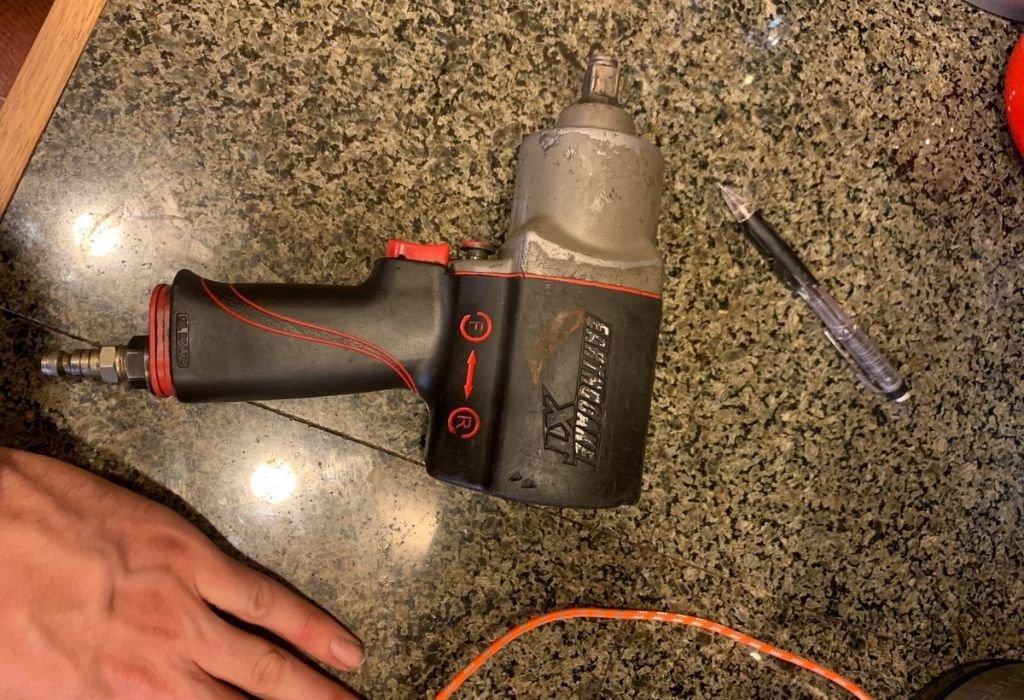
Every time compressed air spins your wrench, it moves internal vanes, bearings, and seals at high speed.
Without oil, these metal parts grind against each other, generating heat and friction that slowly tears down performance.
Over time, the vanes lose efficiency, torque weakens, and the wrench begins to stall or leak air.
A dry wrench also allows moisture from the air compressor to settle inside, which leads to internal rust and sticking.
Oiling prevents these problems by creating a thin protective film inside the wrench.
It reduces friction, disperses heat, and ensures the air motor spins freely under pressure.
Regular lubrication also prevents carbon buildup from air impurities and keeps the wrench running at full torque output.
When done daily, this small habit drastically increases tool lifespan and reliability.
What happens if you don’t oil an impact wrench?
It causes internal wear, corrosion, and performance loss.
How often should you oil an Earthquake XT?
Before every use or daily if used regularly.
Does oiling increase torque?
Yes, because lubrication reduces friction and allows the motor to reach full RPMs.
Can dry tools rust internally?
Yes, compressed air carries moisture that causes rust if parts are unprotected.
What Type of Oil Should You Use for Earthquake XT
Using the right oil is just as important as oiling itself.
Earthquake XT wrenches are pneumatic tools that require non-detergent air tool oil, not engine or motor oil.
Air tool oil has special additives that prevent corrosion and resist moisture, which are vital for compressed air systems.
The wrong oil can thicken, attract dust, and damage internal seals.
The best options are ISO 32 or SAE 10-grade air tool oils.
Popular brands like Harbor Freight Air Tool Oil, Lucas Air Tool Oil, or Marvel Mystery Oil perform well.
These oils are lightweight and allow free movement of the rotor vanes without buildup.
Avoid using automotive oils or WD-40, as they don’t provide long-term lubrication and can dry out parts.
Can I use WD-40 instead?
No, it evaporates and offers no lasting lubrication.
Is motor oil safe for impact wrenches?
No, it’s too thick and can damage seals and restrict air flow.
What’s a safe alternative in emergencies?
Marvel Mystery Oil can be used if air tool oil isn’t available.
How much oil should I use each time?
Add 3–5 drops before each use.
Step-by-Step Guide – How to Oil Earthquake XT Impact Wrench Correctly
Oiling your Earthquake XT impact wrench is quick and simple.
Follow these precise steps to keep your tool running at top efficiency.
Step 1 – Disconnect the Air Supply
Always start by turning off your air compressor and disconnecting the hose.
This ensures safety and prevents sudden air bursts while adding oil.
Hold the tool firmly and make sure all remaining air is released from the lines.
Clean any dirt or debris from the air inlet before moving to the next step.
Step 2 – Add Oil to the Air Inlet
Turn the wrench upright with the air inlet facing up.
Add 3 to 5 drops of high-quality air tool oil directly into the inlet hole.
Let gravity pull the oil inside so it coats the internal rotor and vanes.
Avoid overfilling — too much oil can restrict airflow and lower performance.
Step 3 – Reconnect and Run the Tool Briefly
Attach the air hose again and let the wrench run for 10–15 seconds.
This spreads the oil evenly inside the motor housing.
Listen for smoother, faster operation as the oil distributes through the moving parts.
Wipe off any excess oil that escapes through the exhaust port.
Step 4 – Clean the Exterior and Exhaust Port
Use a clean, lint-free cloth to remove oil from the exterior of the tool.
Check for leaks around the trigger, air hose fitting, and exhaust vents.
A clean tool surface prevents dust from mixing with oil residue.
Store the wrench in a dry, clean area after oiling.
How often should I oil my Earthquake XT?
Before every use or every 8 hours of continuous operation.
Do I oil after use too?
Yes, add 2 drops before storage to prevent corrosion.
Can over-oiling harm the tool?
Yes, excess oil can clog the exhaust or lower torque.
Do I need to disassemble the wrench?
No, oiling through the air inlet is sufficient.
How to Maintain Air Supply and Moisture Control
Even perfectly oiled tools can suffer if the air supply is dirty or wet.
Moisture, dirt, and oil residue from the compressor can mix and create sludge inside the wrench.
This not only reduces performance but also leads to rust and internal blockage.
To avoid this, always maintain your air system along with regular oiling.
Install a filter-regulator-lubricator (FRL) unit between the compressor and hose.
The filter removes debris and water vapor before it reaches your wrench.
The regulator keeps air pressure stable, and the lubricator automatically adds oil during operation.
This system ensures clean, consistent airflow and keeps the tool internally protected.
Why is my wrench spitting oil or water?
It means your compressor tank has moisture buildup.
How do I remove moisture from air lines?
Drain your compressor tank daily and use an inline moisture trap.
Should I use an automatic oiler?
Yes, it provides constant lubrication during extended use.
Does humidity affect air tools?
Yes, it speeds up rust and shortens tool life if oiling is inconsistent.
Signs You’re Oiling Incorrectly
If your Earthquake XT still feels sluggish or leaks oil, your technique might need adjustment.
Too much or too little oil both create performance problems.
Pay attention to small signs that reveal improper lubrication.
Identifying them early can save your tool from damage.
Excessive oil from the exhaust means you’re adding too much.
Weak performance after oiling suggests you might be using the wrong oil type.
Sticky triggers or slow spin usually indicate oil isn’t reaching internal vanes.
Consistent cleaning and proper drop amounts fix most of these problems.
Why is oil coming out of the exhaust?
You’ve added too much oil or the exhaust filter is clogged.
My wrench feels weak after oiling — why?
You might be using thick oil or low air pressure.
Does oil color matter?
No, but clear oils make it easier to see contamination.
Can wrong oil damage seals?
Yes, detergent or motor oils degrade rubber seals over time.
How Often to Oil and Maintain Your Earthquake XT
The frequency of oiling depends on how often you use the tool.
For professional mechanics who use it daily, oiling should be part of the startup routine.
For weekend DIYers, oiling before and after use is enough.
Neglecting maintenance even for a few weeks can lead to performance drop or rust formation.
Below is a general schedule:
- Light Use (occasional): Before and after use.
- Moderate Use (weekly): Every 2–3 sessions.
- Heavy Use (daily): Before every job and after long shifts.
Always store the tool after adding a few drops to the air inlet.
This ensures a protective oil layer remains during downtime.
Consistent oiling maintains full torque and reduces internal friction.
It also prevents seals from drying and cracking over time.
Do I need to oil between jobs?
Not unless the tool sits unused for several hours.
What if my wrench sits for months?
Add a few drops before storage and again before next use.
Is there a way to tell if it’s dry?
A squealing sound or loss of torque indicates dryness.
Can too much oil cause problems?
Yes, it can clog air passages and create sputtering.
Advanced Care Tips for Long-Term Durability
Beyond regular oiling, some simple habits will make your Earthquake XT last years longer.
Always disconnect the air hose after use to release pressure.
Store your wrench in a dry, dust-free environment to prevent corrosion.
Avoid leaving it on cold concrete floors where condensation can form.
Use synthetic air tool oil in humid regions for better moisture protection.
Check your air compressor pressure gauge regularly to prevent over-pressurization.
Inspect air hoses for leaks or cracks that might lower PSI output.
Clean the air filter at least once a month to maintain steady airflow.
How long can an Earthquake XT last with proper care?
Up to 10 years or more with consistent maintenance.
Can the tool be rebuilt?
Yes, rebuild kits are available from Harbor Freight for internal refresh.
Should I lube other air tools the same way?
Yes, the same oiling principles apply to ratchets and grinders.
Can I use an inline lubricator?
Yes, it’s ideal for shops with frequent tool use.
Common Mistakes to Avoid
Even experienced users make small errors that affect tool health.
Avoiding these can prevent long-term damage and keep your wrench performing like new.
Never use automotive motor oil or WD-40.
They are too thick and strip protective coatings from the internal metal surfaces.
Do not forget to drain moisture from your compressor tank.
Neglected water buildup mixes with oil and forms sludge inside your tool.
Avoid applying oil to the wrong ports such as the exhaust.
Always apply oil only through the air inlet port.
Do not overtighten air fittings; it damages threads and seals.
Clean external oil residue to prevent dust accumulation.
Is WD-40 good for air tools?
No, it’s a solvent and not a true lubricant.
What if I don’t drain my compressor tank?
Moisture will mix with oil and damage your wrench internally.
Can I over-oil the tool?
Yes, it leads to clogging and reduced airflow.
Should I oil new tools?
Yes, new wrenches still need lubrication before their first use.
Troubleshooting – When Oil Doesn’t Solve the Problem
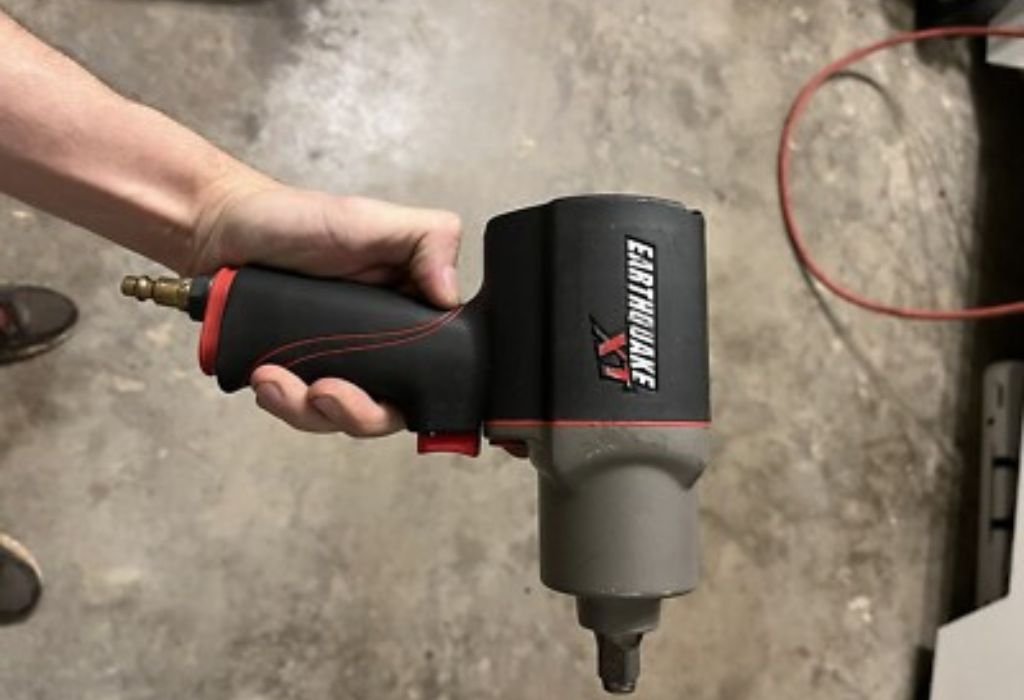
Sometimes oiling isn’t enough to fix reduced performance.
If your Earthquake XT still feels weak after maintenance, other factors may be at play.
Low compressor PSI, worn rotor vanes, or air hose leaks can all mimic lubrication issues.
Identifying the real cause early prevents further wear.
Start by checking your air pressure — it should be 90 PSI for most models.
Inspect hoses and fittings for cracks or leaks that reduce air delivery.
Clean or replace air filters if airflow feels restricted.
If the wrench still struggles, internal parts like seals or rotors may need replacement.
Why is my wrench still weak after oiling?
Air pressure or internal wear could be the issue.
Can I repair it myself?
Yes, but only if you have experience disassembling air tools.
Where can I get replacement parts?
Harbor Freight offers Earthquake XT rebuild kits and internal components.
Should I use grease instead of oil?
No, grease clogs air passages and reduces performance.
Conclusion – Small Drops, Big Difference
A few drops of oil can make a huge difference in the performance and lifespan of your Earthquake XT impact wrench.
Proper lubrication keeps torque strong, prevents friction, and protects delicate components from corrosion.
Neglecting oiling even for a few sessions can shorten tool life and cost more in repairs.
Regular maintenance is the simplest way to ensure your wrench performs like new for years.
Remember, oiling isn’t just routine — it’s essential protection for your investment.
Make it a habit to add those few drops before every use and after each session.
Pair that with clean air supply and regular compressor drainage, and your Earthquake XT will never let you down.
A little oil today saves you from major repairs tomorrow — a small step that guarantees big results.

I’m Michael R. Turner, the founder, lead writer, and passionate DIY enthusiast behind 101diytools.com. With years of hands-on experience in home improvement and power tools, I built this platform to share practical tips, in-depth guides, and honest reviews to help DIYers of all skill levels tackle projects with confidence and the right tools.