How to Oil Central Pneumatic Impact Wrench Right
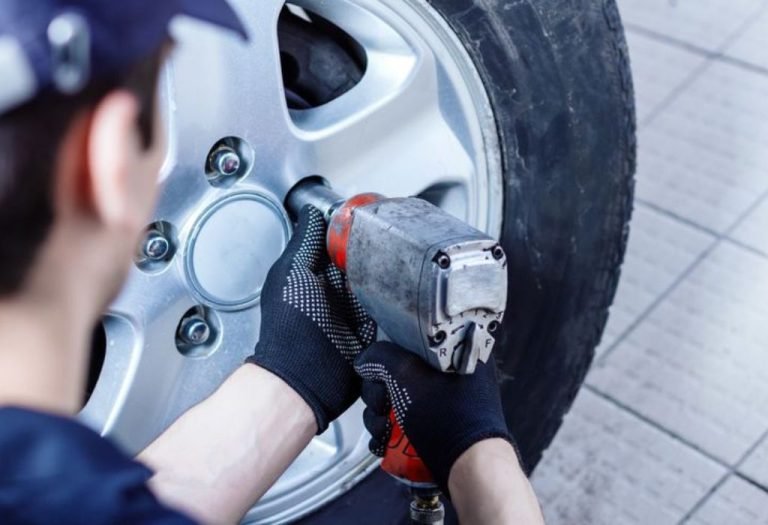
A mid-brake-job impact wrench suddenly sounds harsh and loses punch. The fix often begins with learning how to oil central pneumatic impact wrench components the right way.
Dry vanes and a hungry hammer steal torque faster than most expect. A 30-second oil routine can restore smooth blows and protect the motor for years.
Most pneumatic impacts are engineered to deliver rated performance at about 90 psi measured at the tool while flowing. Regulators should be set under load, not at idle (Chicago Pneumatic).
Daily lubrication is small but critical. Many manufacturers advise a few drops of air tool oil before use and additional drops during heavy, continuous duty (Ingersoll Rand Air Tool Maintenance).
Central Pneumatic manuals specify pneumatic tool oil through the air inlet only. Using motor oil or penetrants can swell seals or create a fire risk (Harbor Freight Manual Library).
Hammer mechanisms have different needs than the air motor. Some models call for periodic white lithium grease in the hammer case, while others remain oil-only per the manual.
Clean, dry air preserves the oil film that makes power possible. Draining moisture and filtering particulates keep vanes from scuffing and bearings from rusting.
This guide breaks the process into simple routines. Manual inlet oiling, FRL lubricator setup, and hammer greasing are covered step by step with clear safety notes.
Readers will learn the exact oil type, drop count, and pressure checks that bring consistency back. Troubleshooting tips catch weak output, muffler saturation, and restriction issues early.
By the end, maintaining torque will feel quick and repeatable. The wrench will hit smoother, run quieter, and last longer on every project.
Why Oiling Matters on a Central Pneumatic Impact Wrench
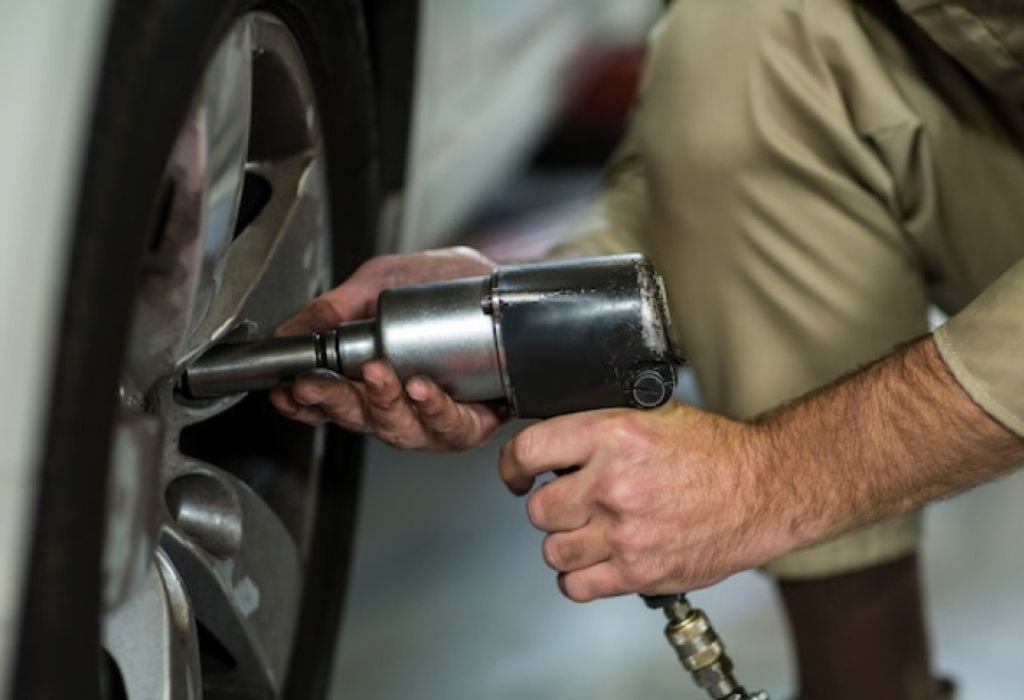
Air motors use sliding vanes that need a thin oil film to seal and spin. Without oil, friction rises, heat climbs, and power falls.
The hammer mechanism also benefits from proper lubrication. Fresh lube cushions blows and keeps the anvil striking cleanly.
What happens if the tool runs dry?
Vanes wear, seals harden, and output drops fast.
Does oiling increase torque?
It restores efficiency so the tool reaches rated power.
Is any light oil acceptable?
No, use only pneumatic tool oil designed for air motors.
How often should DIY users oil the tool?
Before each session and again during long continuous use.
Is greasing the same as oiling?
No, oil feeds the motor through the inlet; grease services the hammer case.
What Oil to Use and What to Avoid
Choose a quality air tool oil with anti-rust and anti-foam additives. Typical products are thin, flow well, and do not attack seals.
Avoid motor oil, ATF, and penetrating oils. Wrong lubricants can swell O-rings and raise fire risk at the exhaust (Harbor Freight Manual Library).
Why not use WD-40 or motor oil?
They are not formulated for air motors and can damage seals.
Is brand critical?
Use any reputable oil labeled specifically for air tools.
Does viscosity matter?
Yes, a light oil is preferred for fast distribution.
Can compressor oil be substituted?
No, it is not intended for air motors.
Need extra additives?
Air tool oil already includes what the motor needs.
How to Oil Central Pneumatic Impact Wrench: Manual Inlet Oiling
This is the quickest way to protect performance. It takes less than a minute and fits any shop setup.
Keep the process consistent and the wrench will sound smoother within seconds.
- Disconnect the air line.
- Hold the tool upright and add 4–6 drops of air tool oil into the air inlet.
- Reconnect air and pulse the trigger 2–3 seconds to circulate.
- Wipe exhaust residue and resume work.
Where should the oil go exactly?
Into the air inlet only, not on the trigger or anvil.
How many drops per session?
Usually 4–6 drops is enough for DIY tasks.
When to add more oil?
Every hour during heavy continuous use.
Can over-oiling hurt performance?
Yes, excess oil can saturate the muffler and reduce airflow.
Should the tool be stored after oiling?
A light pulse before storage leaves a protective film inside.
Inline FRL Lubricator Setup for Consistent Oiling
A Filter Regulator Lubricator automates oiling and keeps pressure stable. It also removes water that can strip oil from vanes.
Set the regulator to 90 psi at the tool while flowing, then adjust the lubricator to deliver a small steady drip (Chicago Pneumatic).
Where should the FRL sit in the airline?
As close to the tool drop as practical for accurate control.
How many drops per minute are typical?
Start near 2 drops per minute and tune for your tool.
What if the gauge reads 90 psi at idle?
Verify pressure while holding the trigger wide open.
Does hose size matter for lubrication?
Yes, 3/8 in high-flow hose keeps the oil mist moving.
How often should the bowl be drained?
Daily in humid shops to protect the wrench.
Greasing the Hammer Mechanism on Central Pneumatic
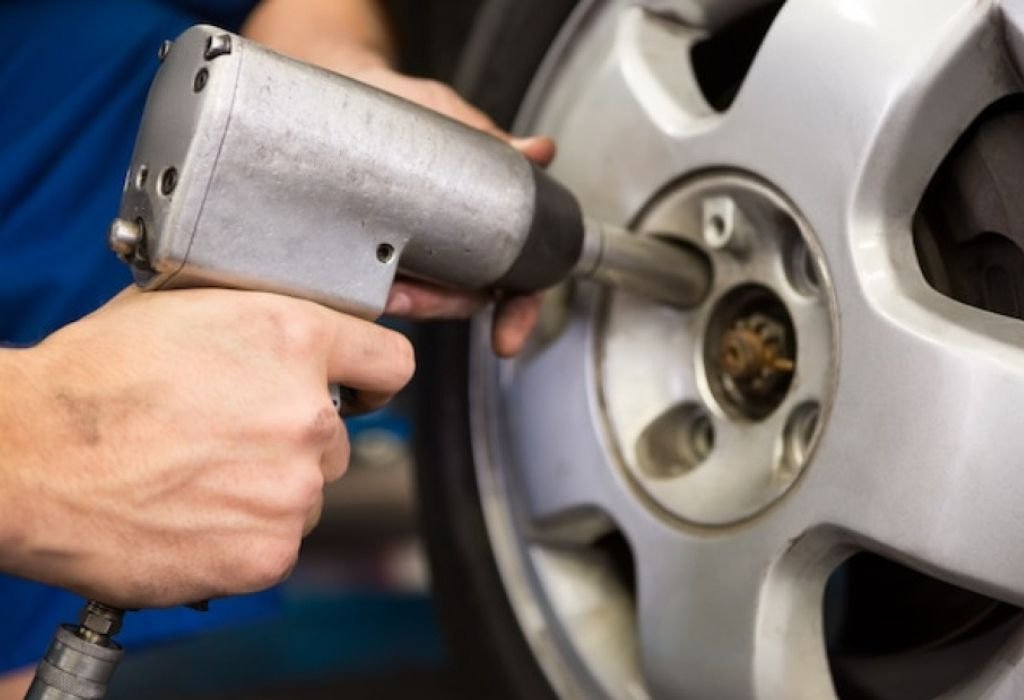
Some Central Pneumatic models specify white lithium grease in the hammer case. Others are sealed or use oil-only service per the manual.
Follow the specific model instructions to avoid over-greasing and drag. When in doubt, check the manual for quantity and interval.
How often should the hammer be greased?
At the interval listed in the manual or when blows feel harsh.
What happens with too much grease?
Power drops because grease resists motion and traps debris.
Is lithium grease always correct?
Use the grease type named by your manual.
Can the hammer be serviced at home?
Yes if the manual provides steps and torque specs.
Should oil be added to the hammer case?
Use the medium specified for that cavity only.
Air Supply Essentials That Protect Lubrication and Torque
Air quality affects lubrication, noise, and power. Proper pressure and flow keep oil in the motor instead of the exhaust.
Use 3/8 in high-flow couplers and short hose runs to limit pressure drop. Measure pressure at the tool while it is running for accuracy (Chicago Pneumatic).
Static vs running pressure, which is right?
Set pressure with the trigger held down.
Why does power fade mid-pull?
Starved CFM or water in the line strips the oil film.
Do cheap couplers matter?
Yes, small bores choke flow and reduce hits.
What is the minimum hose size for a 1/2 in impact?
Use 3/8 in hose and high-flow fittings.
Any daily air-care habits to adopt?
Drain the compressor tank and filter bowls.
Cleaning and Storage After Oiling
Wipe off exhaust residue so grit does not stick. Cap the air inlet if the tool will sit for long periods.
Store upright after a final two-second pulse. Light internal oil protects vanes and bearings from moisture.
Why wipe the tool after use?
Oil film can trap dust that accelerates wear.
Can the muffler clog with oil?
Yes, over-oiling saturates the filter media.
Is vertical storage necessary?
Helpful after oiling to prevent pooling.
How to protect the anvil?
Lightly oil the square and clean the detent.
Should sockets be stored on the anvil?
Remove them to prevent side load on the detent.
Troubleshooting After Oiling
If the wrench still feels weak, confirm running pressure, hose size, and coupler bore. Check the hammer cavity for dry grease or contamination.
Inspect the inlet screen and muffler for blockage. Bad vanes or anvil wear may require a rebuild kit.
Still weak after proper oiling and 90 psi?
Verify compressor CFM and reduce hose length.
Rattles but does not hit hard under load?
Grease the hammer per the manual.
Oil sprays from the exhaust heavily?
Use fewer drops and replace a saturated muffler.
Water mist at startup?
Drain the tank and add filtration or a dryer.
Tool surges as the trigger is held?
Look for sticking vanes or contaminated oil.
Safety Notes When Oiling a Pneumatic Impact Wrench
Disconnect air before adding oil or grease. Keep oils away from sparks and hot surfaces.
Use impact-rated sockets and proper eye and ear protection. Follow the manual for all service steps.
Can oiling be done with the hose connected?
No, disconnect for safety.
Is any household oil safe here?
No, use only air tool oil.
Gloves recommended?
Wear snug gloves and avoid loose clothing.
What if the wrong oil was used once?
Flush with air tool oil and monitor seals.
Is the exhaust flammable?
Yes if the wrong oil is used.
Maintenance Schedule and Quick Checklist
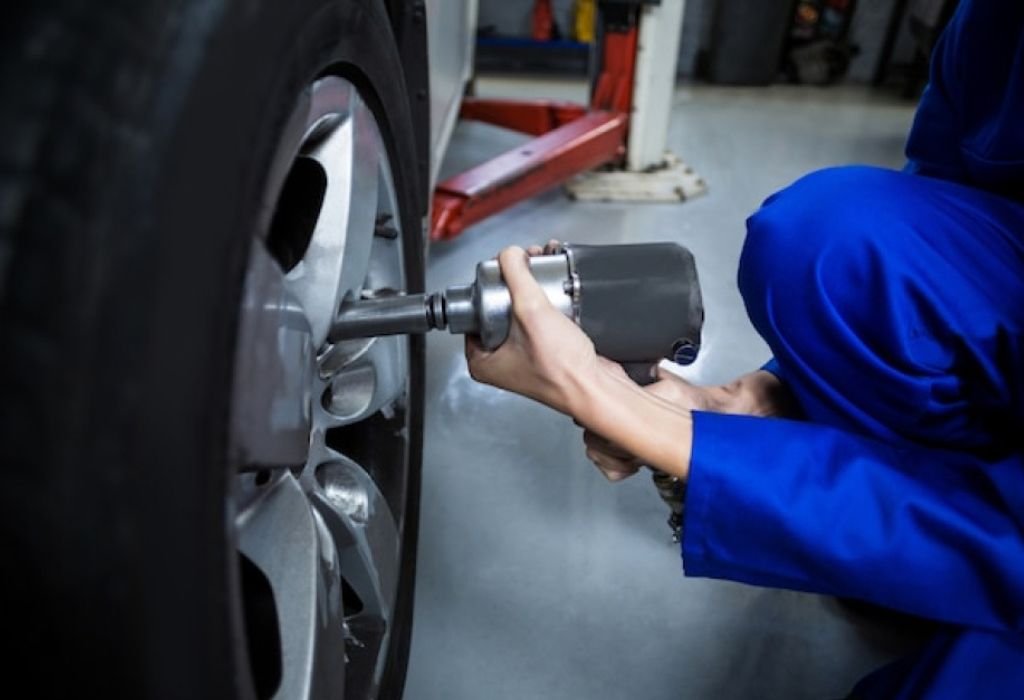
A simple routine keeps the tool reliable. Post this checklist near the airline.
Daily tasks and periodic service are short and repeatable with minimal tools.
Daily before use
Add 4–6 drops of air tool oil in the inlet and pulse the trigger.
During continuous duty
Add a couple of drops each hour or use an FRL lubricator.
Weekly
Drain compressor and filter bowls, check hose wear, and inspect couplers.
Monthly or as needed
Grease the hammer mechanism if your model requires it.
Storage
Pulse a drop through the inlet and cap the port.
Quick Q&A
What is the fastest step that helps most?
A few drops in the inlet before any job.
How to verify pressure accurately?
Read the gauge while the trigger is held down.
What is the best upgrade for consistency?
An FRL set close to the tool.
How to extend muffler life?
Avoid over-oiling and replace when saturated.
Which accessories improve airflow?
High-flow couplers and 3/8 in hose.
Conclusion: How to Oil Central Pneumatic Impact Wrench Right
Correct lubrication brings back smooth, hard hits and consistent torque. The routine is simple and pays off in tool life and quieter operation.
Add a few drops of air tool oil through the inlet before each session. Set 90 psi at the tool while flowing, drain moisture, and use an inline lubricator when working all day.
Grease the hammer case only if your model calls for it. Wipe, pulse, and store upright so internal parts stay protected.
Your results will be cleaner, faster, and more repeatable on every project. Learning how to oil central pneumatic impact wrench gear properly turns a tired tool into a dependable shop workhorse.
One habit to keep forever?
Oil the inlet before every use.
How to prevent power loss mid-job?
Maintain running pressure and use high-flow fittings.
When is grease needed?
Only when the manual specifies hammer service.
What confirms success quickly?
Smoother sound and stronger hits within seconds.
What to avoid at all costs?
Substituting non-pneumatic oils in the air inlet.

I’m Michael R. Turner, the founder, lead writer, and passionate DIY enthusiast behind 101diytools.com. With years of hands-on experience in home improvement and power tools, I built this platform to share practical tips, in-depth guides, and honest reviews to help DIYers of all skill levels tackle projects with confidence and the right tools.