How to Choose Impact Wrench That Suits Your Work
Choosing the right impact wrench can make the difference between effortless precision and endless frustration.
Many DIYers and professionals waste money on tools that are either too weak for the job or unnecessarily overpowered. Knowing how to choose impact wrench correctly ensures you get the best performance, comfort, and value from your investment.
Across workshops and garages, impact wrenches have become essential for loosening stubborn bolts, tightening lug nuts, and tackling heavy-duty assembly tasks.
Yet with so many models on the market—cordless, pneumatic, brushless, compact, and high-torque—it’s easy to feel overwhelmed. A mismatched wrench can lead to stripped fasteners, damaged equipment, or wasted energy.
According to Pro Tool Reviews, the power of an impact wrench is often judged by torque output, measured in foot-pounds (ft-lb). The right torque level depends entirely on what you’re working on: automotive lug nuts may need around 250–400 ft-lb, while industrial bolts could require over 1,000 ft-lb. Meanwhile,
Car and Driver highlights how ergonomic design and weight can dramatically affect long-term usability, especially during repetitive tasks.
This guide will simplify every factor involved—from torque and drive size to motor type, power source, and handling comfort.
By the end, you’ll know how to choose impact wrench that perfectly matches your workload, prevents fatigue, and delivers reliable tightening power every time. Whether you’re fixing cars, building furniture, or maintaining machinery, the right tool will transform how you work.
Understanding the Basics: What Is an Impact Wrench?
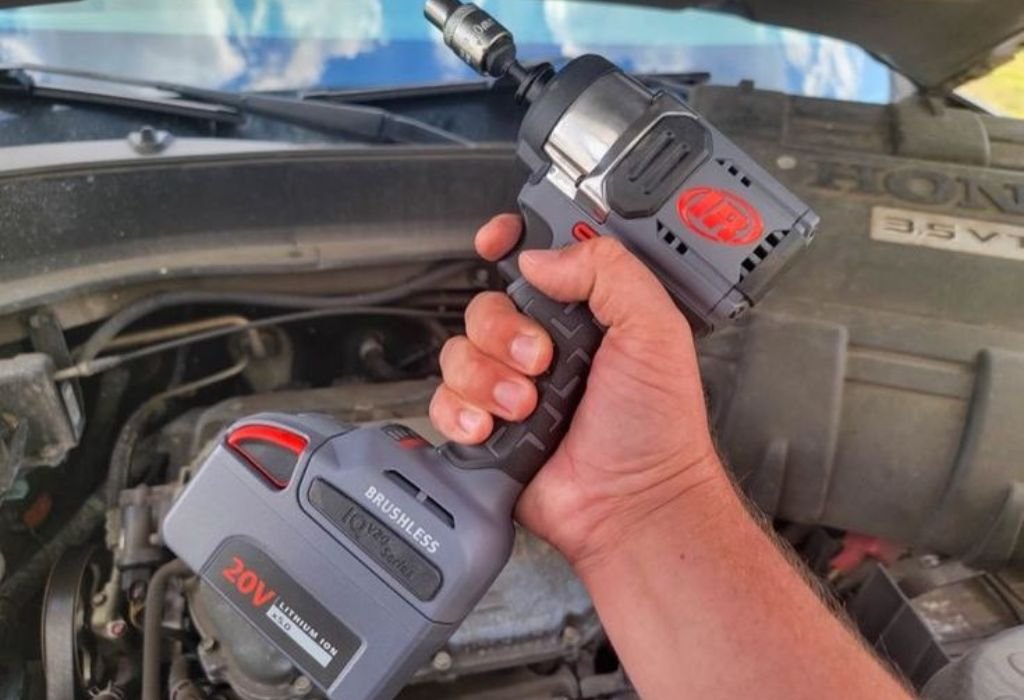
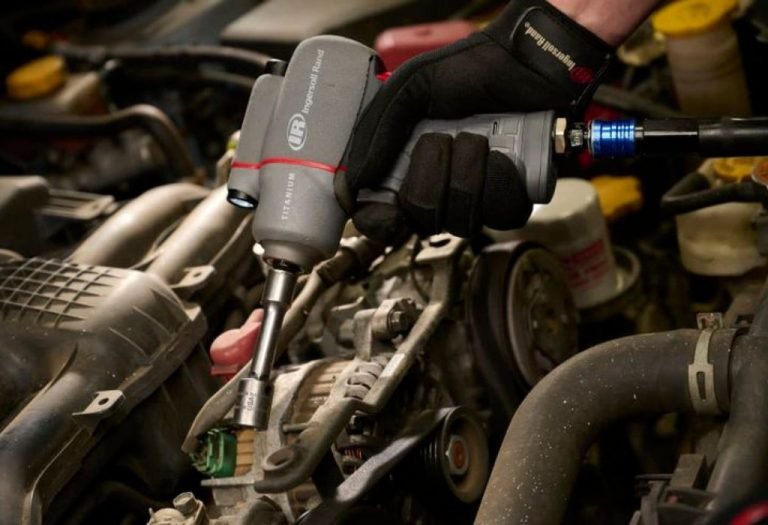
An impact wrench is a high-torque power tool designed to loosen or tighten nuts, bolts, and fasteners that a regular wrench can’t handle efficiently. Unlike standard drills, it delivers short, strong bursts of rotational force called “impacts,” allowing you to remove stubborn or rusted bolts without straining your wrist. When learning how to choose impact wrench, it’s essential to understand how this mechanism works and why it’s different from similar tools.
Inside every impact wrench lies a hammer-and-anvil system. The motor builds rotational energy, and the hammer strikes the anvil repeatedly, creating the rapid impacts that generate high torque. This design gives the wrench its signature power while minimizing user fatigue. As a result, mechanics, construction workers, and DIYers rely on impact wrenches to handle demanding fastening jobs with accuracy and speed.
Impact wrenches come in several types — pneumatic (air-powered), cordless (battery), corded electric, and hydraulic. Pneumatic models are popular in auto shops for their consistent power, while cordless versions have gained attention for their portability and ease of use. Choosing between them is one of the first steps in deciding how to choose impact wrench suited to your tasks.
To gauge performance, focus on three core specifications: torque (ft-lb or Nm), rotations per minute (RPM), and impacts per minute (IPM). Torque determines how much twisting force the tool produces, RPM controls the speed, and IPM affects how quickly it delivers bursts of power. These numbers, along with build quality and ergonomics, define the overall efficiency and durability of an impact wrench.
Match Your Application Before You Buy
Before comparing specifications, identify how and where you’ll use your impact wrench. This step saves money and ensures optimal performance.
Common Use Cases
- Automotive repair: Removing lug nuts, suspension bolts, and engine parts.
- Construction: Tightening structural fasteners or assembling steel frames.
- Industrial maintenance: Handling large bolts on machinery or heavy equipment.
- Home workshop: DIY furniture, small engine repairs, or simple mechanical tasks.
Each application requires a specific torque range and drive size. Automotive work, for example, generally falls between 250–600 ft-lb, while industrial environments may demand up to 1,500 ft-lb or more.
Estimate Required Torque
Torque is the heart of every impact wrench. Choosing too little power means stuck bolts; too much, and you risk damaging fasteners. For example:
- Light-duty jobs: 100–200 ft-lb
- Automotive use: 250–600 ft-lb
- Heavy machinery: 800–1,200 ft-lb
When deciding how to choose impact wrench, match your torque needs to the toughest fastener you’ll handle. Always allow a small buffer (around 10–20% higher torque) to ensure reliable performance without stressing the tool.
Key Specifications to Compare
Torque: Maximum vs Breakaway
Many brands advertise both maximum torque and breakaway torque. Maximum torque represents sustained power during fastening, while breakaway torque—often 20–30% higher—measures how much force the tool can deliver in short bursts to loosen a stubborn bolt.
If your goal is removing rusted nuts or industrial fasteners, prioritize higher breakaway torque. But for precision work, look for models with torque control settings. Understanding these numbers will guide you on how to choose impact wrench with the right balance between strength and control.
Drive and Socket Size
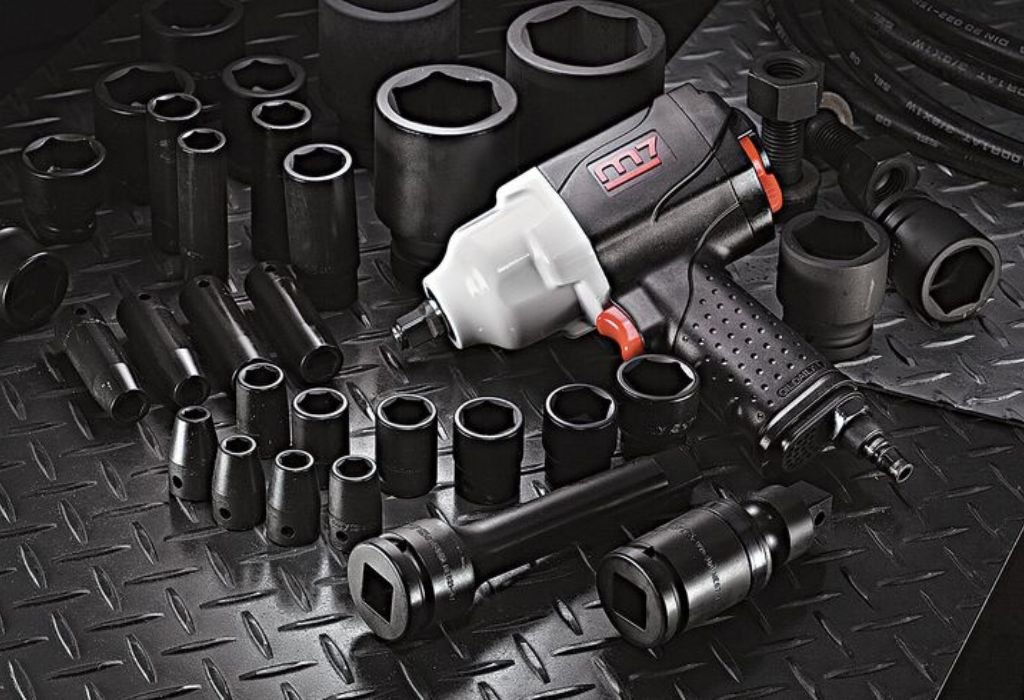
Drive size determines socket compatibility and power potential. The most common are:
- ¼-inch drive: Light, compact; ideal for electronics and small machinery.
- ⅜-inch drive: Medium-duty; general repairs and home use.
- ½-inch drive: Most versatile; suits automotive and construction tasks.
- ¾-inch or 1-inch drive: Heavy-duty; used in truck or industrial maintenance.
A ½-inch drive is often the best all-around option for most users. Larger drives add torque but also increase weight.
Speed and Impact Rate
Speed is measured in RPM, while the impact rate (IPM) indicates how many blows the hammer delivers each minute. Faster speeds are ideal for repetitive fastening, while higher IPM provides smoother performance when breaking bolts. For general tasks, look for 1,500–2,000 RPM and 2,000–3,000 IPM.
Motor Type: Brushless vs Brushed
Brushless motors are more efficient, quieter, and last longer than brushed motors. They also produce less heat and require less maintenance. Though slightly more expensive, brushless impact wrenches deliver consistent torque output even under heavy load—an advantage worth paying for.
If you plan to use your tool frequently, a brushless model is the smarter long-term investment.
Power Source Options
- Cordless (Battery): Convenient and portable; modern lithium-ion batteries offer long runtime and quick charging. Great for fieldwork or mobile use.
- Pneumatic (Air): Provides the most consistent torque; best for workshops with air compressors. Requires hoses and regular oiling.
- Corded Electric: Reliable and maintenance-free, but limited mobility due to power cords.
- Hydraulic: Extremely powerful; used in specialized industrial or construction settings.
When learning how to choose impact wrench, consider how often you’ll use it and whether you have access to power or air.
Ergonomics, Weight, and Balance
Power means nothing if the tool causes fatigue. Check grip design, trigger sensitivity, and overall balance. Lightweight models (3–6 lbs) are ideal for extended use, while heavier ones (8–12 lbs) are better suited for stationary tasks.
A rubberized, vibration-dampening handle enhances comfort and control. Always hold the wrench before purchasing if possible — it should feel natural in your hand.
Durability and Warranty
High-quality impact wrenches are made from forged aluminum or reinforced composites. Look for sealed housing to protect internal components from dust and moisture. Reliable brands typically offer 2–5 years of warranty, showing confidence in their build quality.
Durability becomes especially critical for pneumatic tools, which face intense vibration and moisture exposure from air compressors.
Noise and Vibration
Impact wrenches are inherently noisy — some models exceed 100 dB. However, many now feature mufflers, anti-vibration handles, or soft-start technology to reduce discomfort. Using hearing protection and impact-rated gloves is always recommended.
Price vs Value
The right tool doesn’t have to be the most expensive. Compare warranty, performance, and comfort rather than focusing solely on price. Entry-level cordless models start around $100, while professional-grade tools can exceed $400.
Evaluate cost per use — if you’ll use it daily, invest in quality. For occasional DIY tasks, a mid-range cordless model offers the best balance of affordability and reliability.
Step-by-Step: How to Choose Impact Wrench
- Define Your Application — Identify the main purpose: automotive, DIY, industrial, or construction.
- Determine Torque Requirements — Choose a model with at least 10–20% more torque than your toughest fastener needs.
- Select Drive Size — ½-inch for general use, smaller for precision, larger for industrial jobs.
- Pick a Power Source — Cordless for portability, pneumatic for shop work, corded for consistent performance.
- Compare Motor Type and Features — Prefer brushless motors for longevity and efficiency.
- Check Ergonomics and Weight — Comfortable handling reduces fatigue and improves accuracy.
- Review Brand Reputation and Warranty — Stick with trusted manufacturers like DeWalt, Milwaukee, Makita, or Ingersoll Rand.
- Set a Budget — Avoid overpaying for unnecessary features; match tool to actual workload.
Following these steps ensures you understand not just how to choose impact wrench, but how to choose the right one for your unique tasks.
Choosing by Use Case
| Use Case | Recommended Torque | Drive Size | Power Source | Notes |
| Automotive / Tires | 250–600 ft-lb | ½ inch | Cordless / Pneumatic | Most versatile setup for mechanics. |
| Home / DIY | 150–300 ft-lb | ⅜ inch | Cordless | Compact and lightweight for small repairs. |
| Heavy Equipment | 800–1,200 ft-lb | ¾ inch | Pneumatic / Hydraulic | Ideal for construction and truck maintenance. |
| Industrial Bolting | 1,000+ ft-lb | 1 inch | Pneumatic / Hydraulic | For maximum torque and durability. |
This quick reference helps narrow down options quickly when evaluating specifications or browsing online catalogs.
Mistakes to Avoid
- Ignoring torque requirements: Buying underpowered models leads to stripped bolts or incomplete fastening.
- Choosing based on price alone: Cheap tools often lack consistency and long-term reliability.
- Overlooking compatibility: Make sure your sockets and accessories match the drive size.
- Skipping safety gear: High-torque tools can cause wrist strain or hearing damage.
- Forgetting battery or compressor costs: Accessories often add up; factor them into your total budget.
Avoiding these mistakes ensures your investment lasts longer and performs better.
Maintenance Tips to Extend Lifespan
- Regular Cleaning: Wipe down after use and remove debris from vents or housing.
- Lubricate Moving Parts: For pneumatic tools, add a few drops of air tool oil daily.
- Battery Care: Don’t overcharge; store lithium-ion batteries in a cool, dry place.
- Check Fasteners: Inspect bolts, sockets, and couplings to prevent wear.
- Avoid Overheating: Give the tool rest intervals during prolonged use.
Consistent maintenance ensures your impact wrench performs reliably for years, regardless of brand or power source.
Conclusion
Selecting the right tool begins with understanding how to choose impact wrench that matches your real-world needs. Consider torque, drive size, motor type, and comfort—not just brand or price. The ideal impact wrench should feel balanced in your hand, deliver enough torque for your toughest task, and fit within your budget.
By following the steps and insights in this guide, you’ll avoid common pitfalls and make a confident, long-term investment. Whether tightening automotive bolts, assembling metal structures, or handling workshop repairs, the right impact wrench will turn every tough job into a smooth, efficient task

I’m Michael R. Turner, the founder, lead writer, and passionate DIY enthusiast behind 101diytools.com. With years of hands-on experience in home improvement and power tools, I built this platform to share practical tips, in-depth guides, and honest reviews to help DIYers of all skill levels tackle projects with confidence and the right tools.