How Much Torque Do I Need for an Impact Wrench
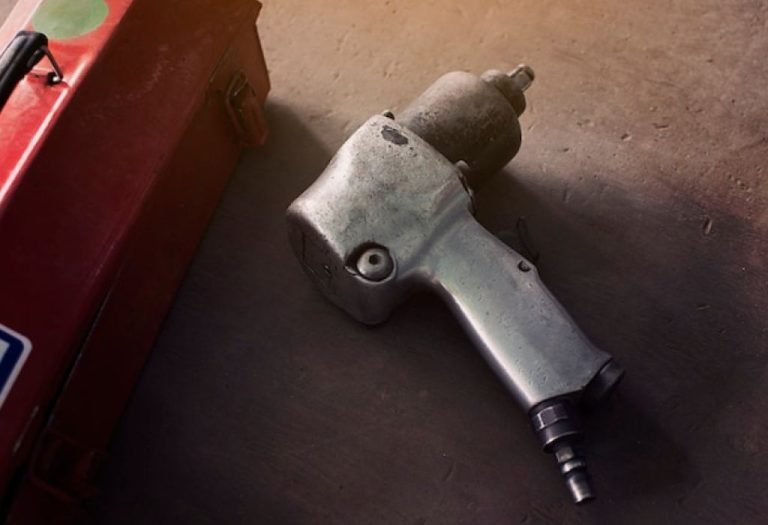
The first cold morning of tire-change season arrives and the lug nuts refuse to move. A compact impact wrench is ready, but the big question remains clear: how much torque do i need for impact wrench jobs like this.
Choosing the right torque protects hardware, saves time, and avoids broken studs. Too little torque wastes battery and effort, while too much can damage wheels or stretch fasteners.
Most passenger vehicles specify lug-nut torque between 80 and 120 ft-lbs, with trucks often higher, which gives a baseline for removal and re-installation planning (Tire Rack lug-nut torque chart). Impact-wrench makers also publish fastening torque and breakaway or nut-busting torque, which are not the same figure and often confuse buyers (Milwaukee M18 Fuel example page).
This guide answers how much torque do i need for impact wrench in plain language. The sections map torque to common jobs, decode spec sheets, and show safe techniques that finish with a calibrated torque wrench.
By the end, the right tool class for cars, SUVs, trucks, and heavy duty work will be obvious. A short buyer path and safety checklist close out the process with confidence.
Torque Basics for how much torque do i need for impact wrench
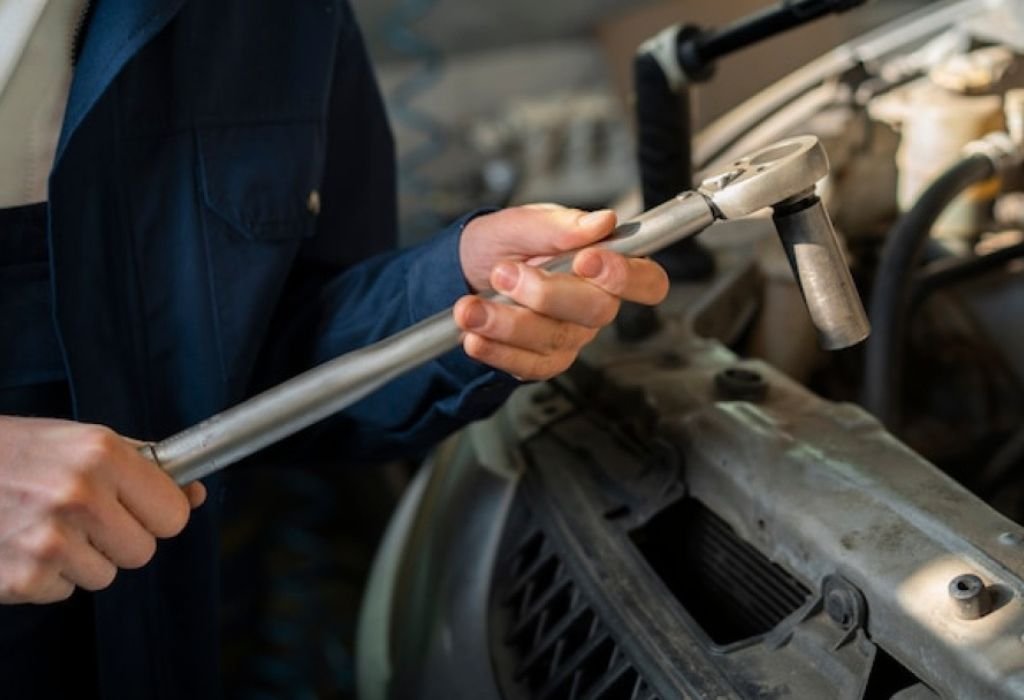
Torque measures twisting force and is expressed in ft-lbs or Nm. Conversions are simple because 1 ft-lb ≈ 1.35582 Nm.
Impact tools list two headline numbers. Fastening torque is forward tightening, while breakaway torque is reverse removal and is usually higher because static friction must be overcome.
Speed matters for productivity. RPM and IPM affect how quickly hardware moves once it breaks free, even when maximum torque is similar.
Power delivery depends on battery health for cordless and CFM and PSI for air tools. Socket fit and joint condition can change real results dramatically.
What is breakaway torque?
The higher reverse torque used to start a stuck fastener moving.
Why do brands advertise two numbers?
Forward tightening is the controlled rating, while reverse removal can peak much higher.
How do ft-lbs convert to Nm?
Multiply by 1.35582 for Nm or divide to return to ft-lbs.
Can an impact driver replace an impact wrench on lugs?
No, drivers are rated in in-lbs and lack the needed torque.
Does RPM/IPM matter if torque is high?
Yes, speed shortens removal time once the fastener moves.
Quick Answer: how much torque do i need for impact wrench by job type
For most cars and SUVs, mid-torque impact wrenches in the 350–600 ft-lbs breakaway range handle wheel service and many brake fasteners. This range gives margin over typical 80–120 ft-lb lug specs without jumping to bulky tools.
For half-ton trucks and rust-prone hardware, 600–900 ft-lbs breakaway is a smart step up. For heavy duty or seized hardware, 1,000–1,600+ ft-lbs becomes practical.
Always finish tightening with a calibrated torque wrench to the manufacturer spec. Shops commonly recommend re-torquing wheels after a short drive to ensure clamp load stabilizes (Discount Tire re-torque guidance).
Extra torque does not guarantee safe assembly. Control features and correct sockets protect parts and people better than chasing the biggest number.
Is 300–350 ft-lbs enough for typical car lug nuts?
Often yes if nuts were previously torqued correctly and are not corroded.
Why do many DIYers aim for ~500 ft-lbs?
It provides margin for minor corrosion and shop over-tightening.
Do daily drivers need 1,100 ft-lbs?
Not usually, unless dealing with seized or oversized hardware regularly.
What is the single rule that never changes?
Final tightening always uses a torque wrench, not the impact.
Will a compact “stubby” 1/2-inch work on wheels?
Many do, but mid-torque bodies give more consistent removal power.
Task-by-Task Torque Map for how much torque do i need for impact wrench
Match tool class to the job and the condition of the fastener. Removal usually needs more than the factory tightening spec because static friction and corrosion increase resistance.
Use quality impact-rated sockets and keep threads clean. Penetrating oil and patient dwell time often reduce the torque required to break parts free.
Passenger-vehicle lug nuts
Most specs: 80–120 ft-lbs tighten, plan 250–600 ft-lbs breakaway for removal.
Half-ton truck lug nuts
Many specs: 120–140 ft-lbs tighten, plan 600–900 ft-lbs breakaway for removal.
Suspension and subframe bolts
Plan 700–1,000+ ft-lbs when corrosion is likely, plus penetrant and time.
Axle nuts and crank pulley bolts
Often need 1,000+ ft-lbs or a larger drive size and controlled procedures.
Are torque sticks useful on installation?
Yes, they reduce over-tightening risk before final torque.
Can an impact set final torque?
No, always verify with a torque wrench.
Why does removal need more than spec?
Static friction, rust, and galling raise the initial breakaway force.
What if a shop used an impact to install lugs?
Expect higher breakaway than spec and use penetrant if needed.
How soon should wheels be re-torqued?
Follow shop or maker guidance after a short drive for safety.
Drive Sizes and Tool Classes for how much torque do i need for impact wrench
Drive size correlates with realistic torque envelopes and durability. 1/2-inch is the automotive sweet spot for wheels and brakes, with mid-torque models balancing power and size.
3/8-inch impacts excel at engine bay and interior fasteners but are not ideal for wheels. 3/4-inch and 1-inch impacts live in heavy duty fleets, construction, and industrial maintenance.
What is “mid-torque” in 1/2-inch class?
Roughly 350–600 ft-lbs breakaway with compact length.
When is “high-torque” 1/2-inch needed?
Rusty suspension, axle nuts, or heavy truck service.
Is 3/8-inch viable for brake jobs?
Yes for caliper brackets on many cars, but not for wheels.
When to step to 3/4-inch or 1-inch?
Semi wheels, industrial flanges, and extra-large fasteners.
Does compact length matter?
Yes, access in tight wheel wells and bays beats raw torque alone.
Cordless vs Pneumatic vs Corded for how much torque do i need for impact wrench
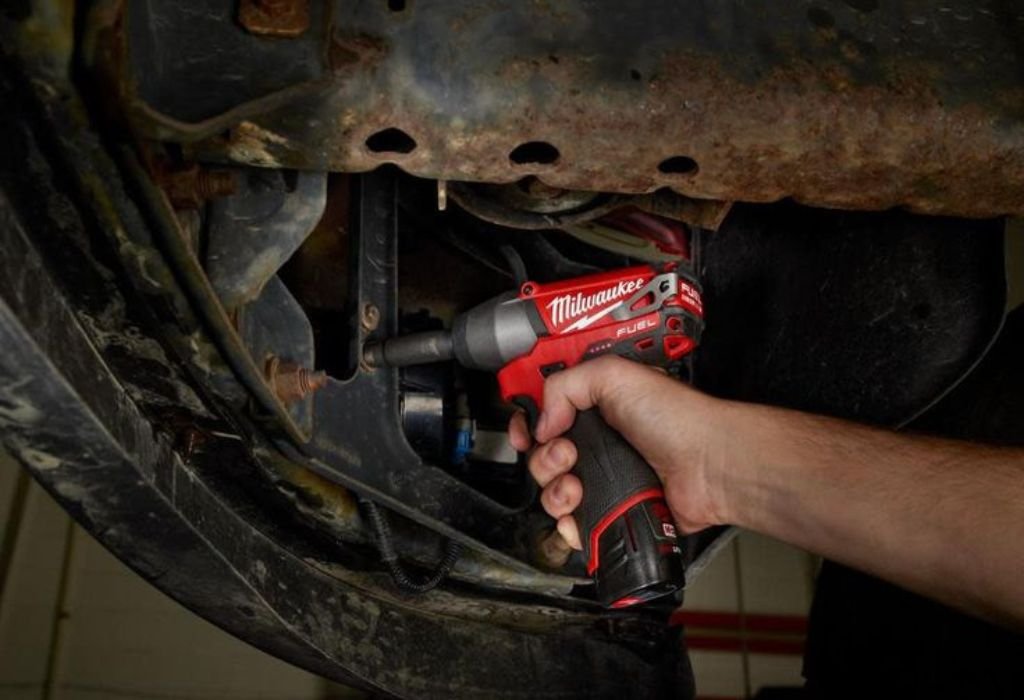
Cordless tools dominate home garages thanks to portability and strong brushless motors. Battery health and amp-hour capacity influence peak torque and consistency.
Pneumatic tools still rule extreme torque in shops with adequate CFM at 90 PSI, but hoses and compressors add cost and complexity. Corded has become rare but delivers steady power where outlets are nearby.
Which is best for most DIY owners?
Cordless mid-torque 1/2-inch balances power and convenience.
Can pneumatics hit higher torque?
Yes, with proper air supply and maintenance.
Do batteries change peak torque?
Pack size, temperature, and state of charge matter.
Is corded worth considering today?
Only where outlets are convenient and portability is not required.
What do IPM and speed modes add?
Faster removal once loose and better control on re-installation.
Reading Spec Sheets so you know how much torque do i need for impact wrench
Spec sheets can be confusing because makers test with different fixtures. The gap between advertised breakaway and fastening torque can be large and still be legitimate.
Compare multiple metrics, not just the top number. Look for RPM, IPM, weight, length, and control modes that prevent over-tightening on re-assembly.
Why is breakaway often much higher?
Reverse impacts can spike torque to overcome static friction.
Do lab numbers match real-world?
Not always, because sockets, battery health, and rust change outcomes.
Is 500 ft-lbs a magic threshold?
No, it is a common comparison point but not a universal requirement.
How to compare brands fairly?
Use independent tests or consistent manufacturer data and identical batteries.
What spec is easy to overlook?
Tool length and weight, which decide access and fatigue.
Wheels and Lug Nuts for how much torque do i need for impact wrench
Wheel service is the number one reason to ask how much torque do i need for impact wrench. The removal goal is enough breakaway torque to free the nut, followed by correct re-installation with a torque wrench.
Use a star pattern for mounting, clean hub faces, and the correct seat style on lug nuts. Final torque must follow the vehicle maker’s spec and hardware type (Tire Rack torque chart).
What are typical spec ranges by class?
Compact 80–90 ft-lbs, midsize 90–100, SUVs 100–120, many half-ton trucks 120–140 ft-lbs.
Can an impact over-tighten lugs quickly?
Yes, many impacts can exceed 300–400 ft-lbs unintentionally.
Are torque sticks helpful?
Yes, they limit output during install before final torque.
Is anti-seize recommended on studs?
Follow the manufacturer, because it can alter clamping force.
Why re-torque after 50–100 miles?
Thermal cycling and seating can change clamp load (Discount Tire).
Special Cases for how much torque do i need for impact wrench
Certain jobs routinely exceed mid-torque capabilities. Axle nuts, crank pulley bolts, and rusted suspension hardware often require high-torque 1/2-inch or 3/4-inch tools.
Penetrants, heat, and time can reduce the required breakaway torque. Using the correct impact-rated socket prevents rounding and shattering.
Is a mid-torque enough for axle nuts?
Sometimes, but many require high-torque or a bigger drive.
How to handle crank pulley bolts safely?
Use higher breakaway, correct holding methods, and avoid engine rotation damage.
Does hammering longer always help?
Dwell helps, but monitor tool temperature and battery.
When to stop and escalate?
If sockets slip or hardware deforms, step up tooling immediately.
Do extensions reduce effective torque?
Yes, long flexy extensions absorb impact energy.
Feature Checklist that affects how much torque do i need for impact wrench
Useful features help hit target torque without damage. Assist modes, auto-stop, auto-slow, and precision control reduce over-tightening during re-installation.
A friction-ring anvil speeds socket swaps, while a pin detent holds sockets securely in overhead or field work. Bright LEDs and compact length improve access and visibility.
Are torque-limit modes valuable for wheels?
Yes, they protect studs before final torque with a wrench.
Do 12V tools replace 18V mid-torque now?
Some 12V “stubbies” are strong, but 18V mid-torque remains a safer wheel choice.
Why keep a spare battery?
Voltage sag reduces effective torque on long jobs.
Brushless vs brushed, is it noticeable?
Brushless brings better efficiency, runtime, and longevity.
What about platform choice?
Pick a battery ecosystem that fits other planned tools.
Buying Paths that answer how much torque do i need for impact wrench
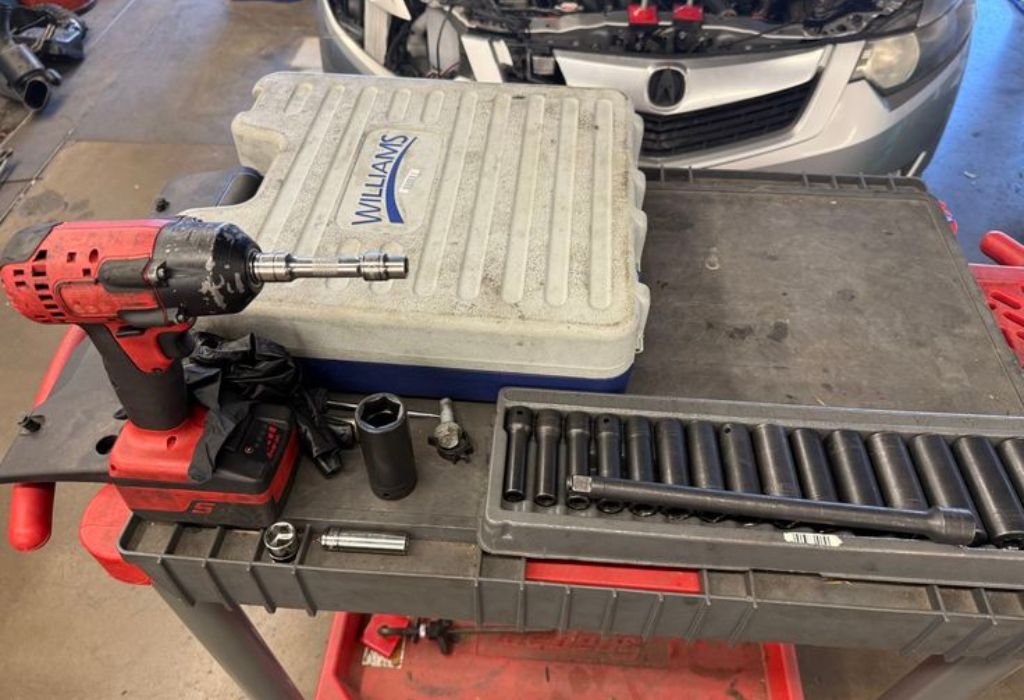
Choose by task first, then by size and budget. A single 1/2-inch mid-torque solves 80–90% of typical car and SUV work.
Add a high-torque 1/2-inch if trucks and rusted undercar parts are common. Move to 3/4-inch or 1-inch only for fleet or industrial service.
Is one tool enough for a home garage?
Yes, a mid-torque paired with a torque wrench covers most work.
Do kit batteries change the decision?
Bigger packs raise consistency and reduce downtime.
What about weight and reach?
Compact models reach tight spaces that bulky bodies cannot.
Are bare tools fine if batteries are owned?
Yes, match pack voltage and chemistry for best results.
Used tool shopping tips?
Inspect anvil wear and battery health carefully.
Safety, Accuracy, and Final Torque for how much torque do i need for impact wrench
Impact wrenches remove and rough-in. Torque wrenches deliver the accurate clamp load that protects wheels, hubs, and studs.
Use impact-rated sockets, eye and ear protection, and secure the vehicle with stands on a flat surface. Clean threads and hub faces before tightening.
Can impacts replace torque wrenches?
No, final torque must be verified to spec.
Deep vs impact sockets, does it matter?
Yes, impact-rated sockets prevent shattering under hammer blows.
What if a torque wrench clicks but the nut still moves later?
Re-inspect the seating surfaces and re-torque after a short drive.
Can thread damage skew torque readings?
Yes, replace questionable studs or nuts before tightening.
What is the simplest accuracy tip?
Pull smoothly on the torque wrench and stop at the first click.
Conclusion: how much torque do i need for impact wrench
The clearest path is to match tool class to the job, not to the biggest number on a box. Cars and SUVs are well served by 350–600 ft-lbs breakaway mid-torque models. Light trucks and rusted hardware benefit from 600–900 ft-lbs, while fleet and industrial work can need 1,000–1,600+ ft-lbs.
Final torque always belongs to a calibrated torque wrench following the vehicle spec. Choose features that control power, use the right sockets, and re-torque wheels after a short drive for safety.
The next time someone asks how much torque do i need for impact wrench, the answer becomes simple. Pick the range that fits the task, work cleanly, and verify with proper torque for fast, safe results every time.

I’m Michael R. Turner, the founder, lead writer, and passionate DIY enthusiast behind 101diytools.com. With years of hands-on experience in home improvement and power tools, I built this platform to share practical tips, in-depth guides, and honest reviews to help DIYers of all skill levels tackle projects with confidence and the right tools.