Can a Drill Be Used as an Impact Wrench for Cars?
Imagine facing a stubborn lug nut that refuses to move, no matter how hard you pull on the wrench. Many car owners in this situation wonder if a simple power drill could save the day.
The question then arises: can a drill be used as an impact wrench for cars?
This curiosity grows because cordless drills are common in households, while impact wrenches are seen as specialty tools. Yet the two are built very differently.
A drill delivers steady rotation, while an impact wrench produces bursts of high torque through a hammer-and-anvil mechanism, designed for tough automotive jobs
The stakes are high. According to the U.S. National Highway Traffic Safety Administration, an estimated 664 fatalities in 2020 were linked to tire- and wheel-related crashes (NHTSA).
Properly tightening or loosening lug nuts is more than convenience — it’s a matter of safety.
With that in mind, it’s worth examining whether drills can step into the role of impact wrenches without risk.
This article explores the differences between drills and impact wrenches, why torque matters, when substitution might work, and when it could lead to stripped bolts or tool damage.
By the end, readers will know if a drill can replace an impact wrench — or if investing in the right tool is the smarter move.
The Core Question — Can a Drill Be Used as an Impact Wrench?
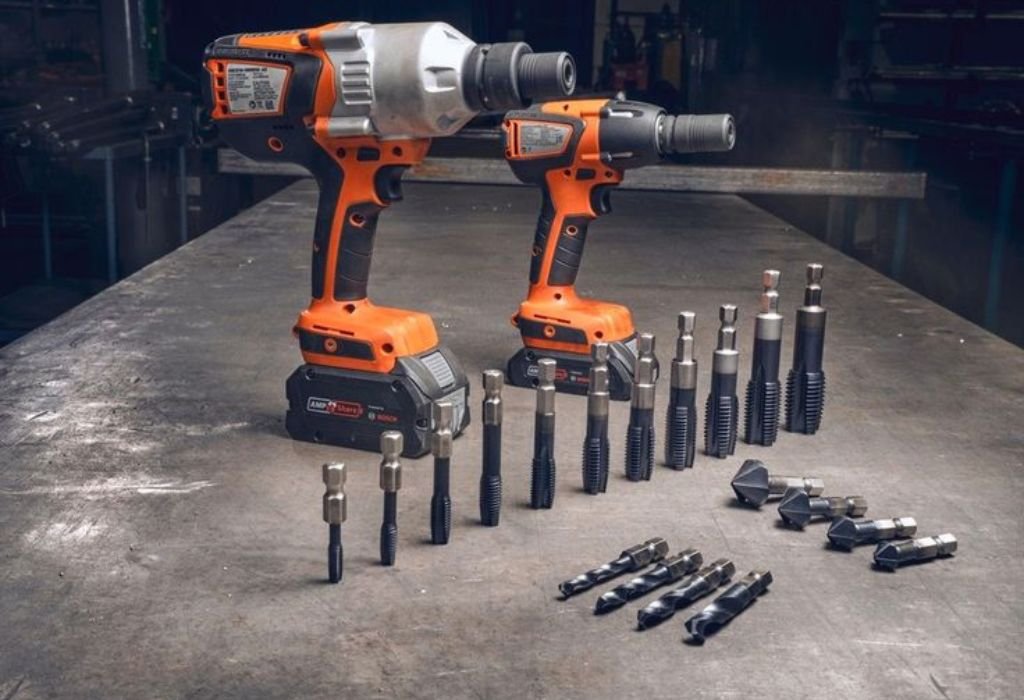
Drills and impact wrenches may look similar, but their internal mechanisms differ. A drill provides continuous rotation through a clutch, while an impact wrench uses a hammer-and-anvil system to deliver short bursts of rotational force (DeWalt Tools).
This difference is crucial when dealing with lug nuts and seized bolts, which require breakaway torque beyond what most drills can provide. Even with an adapter, a drill lacks the impact action needed to generate those powerful bursts of torque. In other words, the tool might spin but still fail to loosen a stubborn fastener.
Can a drill remove a lightly tightened lug nut?
Yes, if the nut is torqued below the drill’s maximum output and isn’t rusted or stuck.
Is a hammer drill the same as an impact wrench?
No, a hammer drill drives impacts forward into masonry, not rotational bursts for bolts (Family Handyman).
Will an adapter make a drill work like a wrench?
No, an adapter only connects sockets but doesn’t create the impact mechanism needed for high torque.
Is it safe to try with a drill?
It risks stalling, overheating, or damaging the clutch, especially without impact-rated sockets.
Torque Reality Check for Lug Nuts
When asking can a drill be used as an impact wrench, the biggest barrier is torque. Most passenger vehicles require 80–100 ft-lbs of torque for lug nuts, while SUVs and light trucks often demand 100–140 ft-lbs or more (Bridgestone Tires).
Typical cordless drills max out far below these levels. Even high-end drills lack the impact mechanism that allows wrenches to produce short bursts of torque. This gap explains why drills may spin but fail to break loose stubborn or over-tightened nuts.
Correct re-torquing is equally important. After removing and reinstalling wheels, every lug nut should be tightened with a torque wrench to the manufacturer’s specification for safety (Firestone Auto Care).
What torque do passenger cars often use?
Around 80–100 ft-lbs, depending on the model.
What about SUVs and trucks?
They usually require 100–140 ft-lbs or higher for larger wheels.
Why do some wheels feel “impossible” to loosen?
Shops may overtighten with pneumatic guns, or corrosion increases resistance.
Should chrome sockets be used on lug nuts?
No, always use impact-rated sockets to avoid cracking under stress.
Is re-torquing necessary after using power tools?
Yes, every wheel should be re-torqued with a manual torque wrench for safety.
Drill/Driver vs Impact Wrench — What the Pros Say
While a drill is built for drilling holes and driving screws, an impact wrench is engineered for high torque applications like lug nuts, suspension bolts, and rusted fasteners. The difference lies in the mechanism and output: drills use steady rotational force, while wrenches deliver hammering impacts that multiply torque (DeWalt Tools).
Professional guides and tool reviews emphasize that drills are not substitutes for impact wrenches. Even an impact driver, which shares some design traits, often struggles with car lug nuts. A dedicated 1/2-inch impact wrench provides the torque and durability that automotive jobs demand (Pro Tool Reviews).
What does DeWalt say about drivers vs wrenches?
Drivers are intended for screws, while wrenches are made for nuts and bolts requiring high torque.
Is RPM more important than torque?
No, lug nut removal depends on breakaway torque and impact force, not just rotation speed.
Can an impact driver remove lug nuts?
Sometimes, but it is unreliable compared to a proper 1/2-inch impact wrench.
Why do wrenches use square drives instead of hex chucks?
Square drives are stronger and specifically designed to withstand impact forces with sockets.
Are impact wrenches only for professionals?
No, they are increasingly affordable and popular for DIY car maintenance.
Risks of Using a Drill on Lug Nuts
Trying to use a drill as an impact wrench carries significant risks. Drills lack the hammering action needed for breakaway torque, which can lead to stalling, overheating, or even permanent motor damage.
The chuck and clutch on a drill are not designed for the shock loads of lug nut removal. Using socket adapters adds further stress, which can cause parts to snap. If non-impact sockets are used, there’s also a risk of shattering under load, creating a safety hazard (Pro Tool Reviews).
Can the drill’s clutch burn out?
Yes, repeated stalls can wear out the clutch or motor quickly.
Could the adapter break during use?
Yes, adapters aren’t engineered to handle impact forces and may snap under stress.
What happens if chrome sockets are used?
They can crack or shatter since they aren’t built for impact torque.
Is it dangerous for the user?
Yes, sudden kickback or socket failure can cause wrist injuries or flying debris.
What’s the safest way if no wrench is available?
Use a breaker bar to loosen the lug nut first, then a drill only to spin it off.
Smart Workarounds When Stuck Without a Wrench
If an impact wrench isn’t available, a breaker bar is the most reliable tool for loosening tight lug nuts. The long handle provides leverage to break torque safely without stressing a drill. Once the nut is cracked loose, a cordless drill can then be used to spin it off quickly.
Other simple aids include applying penetrating oil to rusted threads, ensuring the correct socket size for a snug fit, and loosening in a cross-pattern to reduce stress on the wheel. These methods make the process safer and reduce the chance of damage to tools or fasteners.
What is the best budget setup?
A breaker bar, torque wrench, and proper impact-rated sockets.
Can a compact impact driver help if no wrench is available?
Yes, but it is less consistent than a 1/2-inch impact wrench for tough lug nuts.
Does hammer drill mode work for lug nuts?
No, hammer drills provide axial impacts for masonry, not rotational torque for bolts.
How can over-tightening be avoided?
Finish every job with a torque wrench set to the manufacturer’s specification.
Is penetrating oil effective on rusted nuts?
Yes, applying it before loosening can reduce resistance and prevent tool strain.
Choosing the Right Tool for Cars (If Buying Today)
For automotive work, a 1/2-inch cordless impact wrench remains the most practical choice. These tools offer the right mix of torque, drive size, and socket compatibility to handle lug nuts and suspension bolts efficiently (Pro Tool Reviews).
When comparing models, focus on breakaway torque ratings (ideally 200–300 ft-lbs minimum for cars, higher for trucks), battery capacity (4.0Ah or larger packs), and control modes for precision. Brushless motors are also worth considering since they improve efficiency and extend tool life.
What is the minimum breakaway torque needed for cars?
At least 200–300 ft-lbs, with higher torque needed for trucks and SUVs.
Why are impact-rated sockets essential?
They withstand the hammering forces of wrenches, while chrome sockets can crack.
Do you need to re-torque after using an impact wrench?
Yes, always finish tightening with a torque wrench to meet manufacturer specifications.
Which is more important—voltage or battery capacity?
Both matter; higher capacity packs maintain torque longer, while voltage defines overall power.
Are brushless motors worth it?
Yes, they offer longer runtime, greater durability, and more consistent performance.
Cost vs Value — When a Drill Is “Good Enough” and When It Isn’t
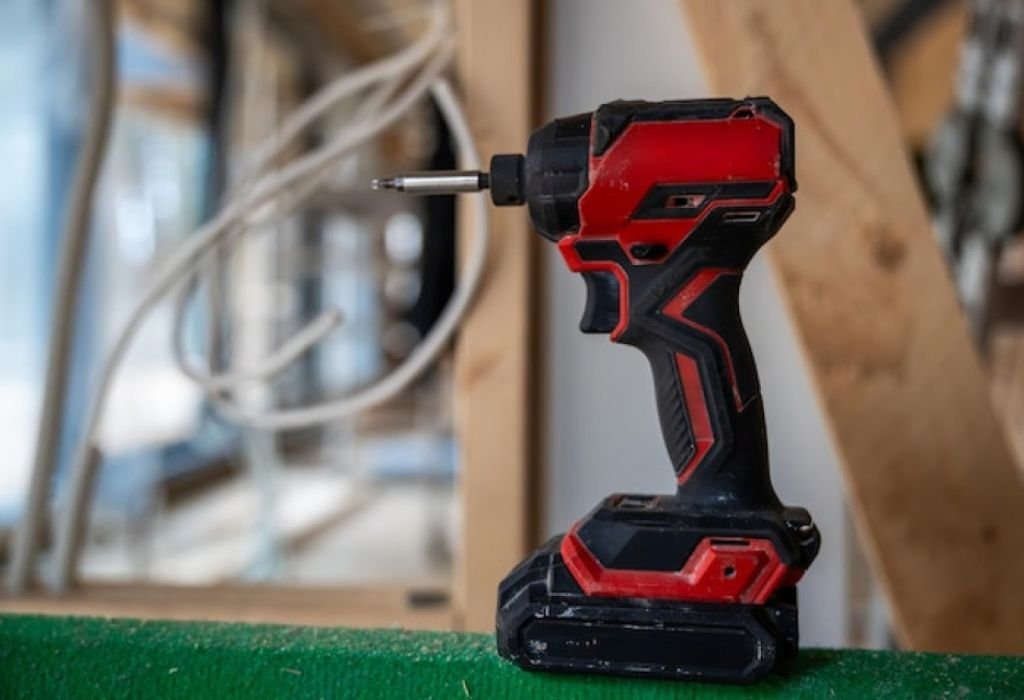
For light-duty fastening, a cordless drill can be “good enough.” Tasks like spinning off already-loosened lug nuts or removing small bolts with modest torque fall within its capability. This makes a drill useful for quick jobs when no impact wrench is available.
But when it comes to seized, rusted, or over-tightened lug nuts, the drill falls short. An impact wrench not only saves time but also prevents damage to the drill’s clutch and motor. For regular vehicle maintenance, the investment in a mid- or high-torque wrench pays off in both performance and safety.
For a one-off tire change, is a drill viable?
Yes, if the nuts are not overtightened and are first loosened with a breaker bar.
For seasonal wheel swaps, is a drill enough?
Not ideal — a mid-torque impact wrench is more reliable and safer.
When does an impact wrench offer better value?
If you frequently work on cars, the time savings and reliability justify the cost.
What about frequent garage or shop use?
An impact wrench is essential, as drills will quickly wear out under heavy load.
Are pneumatic tools still better for professionals?
Yes, air-powered wrenches remain the choice for continuous heavy-duty use.
Future Trends — Smarter Control and Higher Torque
The power tool market is evolving, and impact wrenches are becoming more advanced each year. Manufacturers are adding digital torque control features that prevent over-tightening and make tools safer for automotive work.
Battery improvements are also driving performance gains. High-capacity lithium-ion packs with advanced cooling systems allow longer runtimes and sustain maximum torque under heavy loads. Compact brushless models are closing the gap with larger wrenches, giving users powerful tools in smaller packages.
Will compact impact wrenches replace larger models?
They are improving quickly, but larger tools still dominate in extreme torque applications.
Will digital torque control become common?
Yes, more brands are introducing smart features to automatically stop at set torque levels.
Can drills ever match impact wrenches for lug nuts?
Unlikely — without a hammer-and-anvil system, drills can’t generate true breakaway torque.
Are brushless motors the future of all wrenches?
Yes, most new impact tools now use brushless designs for durability and efficiency.
Will battery technology continue to improve torque delivery?
Yes, stronger packs with better thermal management will keep raising cordless wrench performance.
Conclusion — Final Verdict on Can a Drill Be Used as an Impact Wrench
So, can a drill be used as an impact wrench? In limited cases, yes. A drill may spin off lightly torqued or pre-loosened lug nuts, but it is not a safe or reliable substitute for an impact wrench.
For everyday automotive tasks, the torque demands, safety risks, and tool durability make a proper impact wrench the smarter investment. A 1/2-inch cordless impact wrench paired with impact-rated sockets delivers the performance and reliability needed for cars, trucks, and garage projects.
The bottom line is clear: a drill can “help” in emergencies, but it cannot replace the breakaway torque and impact mechanism of a true wrench. For safety and efficiency, every vehicle owner should keep a breaker bar and torque wrench in the kit — and consider adding an impact wrench for long-term value.

I’m Michael R. Turner, the founder, lead writer, and passionate DIY enthusiast behind 101diytools.com. With years of hands-on experience in home improvement and power tools, I built this platform to share practical tips, in-depth guides, and honest reviews to help DIYers of all skill levels tackle projects with confidence and the right tools.