Are Electric Impact Wrenches as Good as Air Ones
A seized lug nut can stop a mechanic in their tracks. Years ago, the only answer was a pneumatic impact wrench fed by a roaring compressor.
Now cordless impact wrenches dominate tool catalogs. They promise freedom from hoses and compressors, but the question remains: are electric impact wrenches as good as air?
Torque is the first battleground. Most passenger cars need 80–100 ft-lb to remove a lug nut (AAA), while modern cordless wrenches deliver 850–1500 ft-lb of breakaway torque, rivaling or surpassing pneumatic options .
Air tools, however, have advantages in nonstop work. A 1/2-inch pneumatic impact typically requires 5–6 CFM at 90 PSI, and some heavy-duty guns consume 20–40 CFM for continuous operation .
With a large compressor, they run indefinitely without batteries or downtime.
Cordless impacts shine in convenience. No compressor warm-up, no tangled hoses, and no need to haul bulky air systems for roadside or mobile jobs .
Brushless motors, torque control modes, and compact designs make them ideal for DIYers and mobile mechanics.
This guide compares torque, duty cycle, cost, ergonomics, and real-world use cases.
By the end, you’ll know where cordless is the better choice, where air still dominates, and why many professionals own both.
Quick Answer: Are Electric Impact Wrenches as Good as Air?
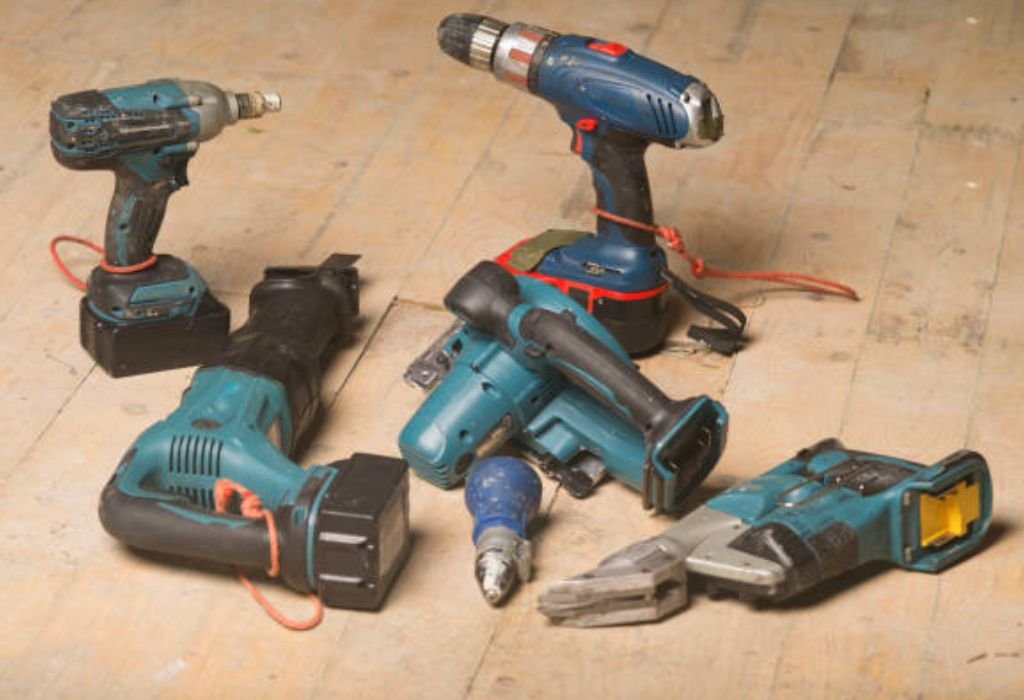
Cordless impact wrenches now match or exceed many pneumatic models in raw power. For most automotive and field work, electrics are good enough—and often more practical.
Air tools still hold the advantage in nonstop production environments. Their lighter weight per power ratio and endless runtime make them staples in heavy-use shops.
If you’re buying just one tool, a cordless 1/2-inch impact wrench offers versatility and convenience. For fleets or industrial lines, air remains the best option.
Where are electrics better?
In mobile work, roadside repairs, and garages without compressors.
Where is air better?
In production shops and high-duty environments.
Do electrics match torque now?
Yes, many cordless wrenches exceed 1,000 ft-lb .
Which is more “ready to work”?
Cordless—no hoses, no compressor warm-up .
Biggest limiter?
Battery heat and runtime vs compressor CFM needs.
Torque 101: Breakaway vs Fastening (ft-lb vs Nm)
Torque numbers can be confusing without context. Breakaway torque shows how much force a tool can apply to loosen stuck fasteners.
Many cordless impacts now deliver 850–1500 ft-lb breakaway torque, equal to or greater than pneumatics . Fastening torque, however, reflects controlled tightening power, where air often excels with steady compressor output.
Cordless tools depend on battery voltage and brushless control. Air tools rely on stable airflow, which drops if hoses or regulators are undersized.
Which torque matters to remove rusted hardware?
Breakaway torque.
Why do torque specs vary by brand?
Testing methods, pack size, and airflow differ.
Can too much torque damage hardware?
Yes, it can strip threads or break studs.
Do cordless tools deliver consistent torque?
Yes, but performance dips as batteries drain.
Does hose size affect air torque?
Yes, small hoses restrict airflow and cut torque.
What Air Brings: Power Density, Duty Cycle, and CFM
Pneumatic impacts remain lighter and more compact than electrics of similar power. They’re built for continuous operation in shops with reliable air supply.
A typical 1/2-inch air impact uses 5–6 CFM at 90 PSI, while heavy-duty models can consume 20–40 CFM . This means the compressor must be sized properly to prevent weak performance.
Shops value air for its simplicity and longevity. Tools can run all day with minimal downtime if the compressor keeps up.
What size compressor is needed for a 1/2-inch impact?
At least 7–8 CFM at 90 PSI .
Does hose diameter matter?
Yes, undersized hoses starve the tool.
Why is air popular in production shops?
Continuous duty and lightweight design.
What maintenance is required?
Lubricators, dryers, and drain systems.
Are air tools noisy?
Yes, compressors and guns together create more noise than cordless.
What Cordless Brings: Portability, Control, and Modern Torque
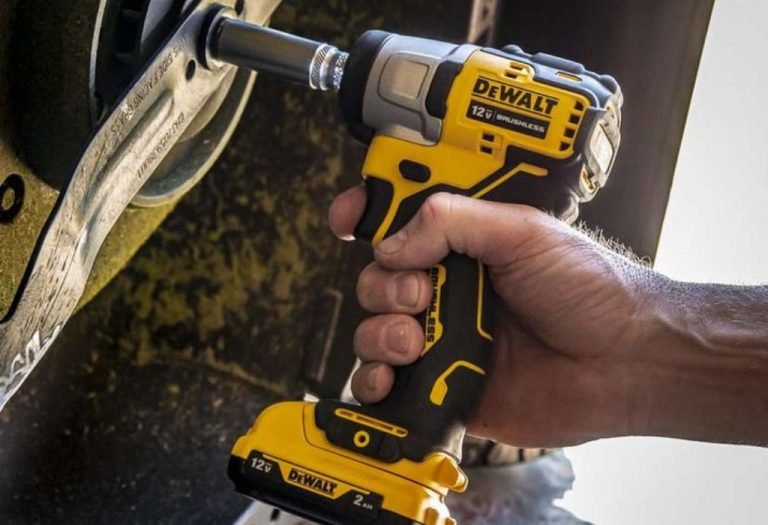
Cordless impact wrenches now deliver 800–1500 ft-lb breakaway torque in compact, brushless designs . Many models include auto-stop and bolt-removal modes for smarter control.
They win on convenience: no hoses, no air systems, and instant operation. Reviews highlight them as practical for DIYers, roadside mechanics, and shops needing mobile solutions .
The trade-offs are weight and battery runtime. Larger packs help, but extended use may require multiple batteries.
Can cordless replace air for most jobs?
Yes, for common automotive and construction tasks.
How to extend runtime?
Use high-capacity batteries and carry spares.
What about overheating?
Let packs cool between heavy cycles.
Are stubby cordless models useful?
Yes, they fit tight spaces with mid-level torque.
Are cordless heavier than air tools?
Yes, though brushless tech is narrowing the gap .
Cost of Ownership: Compressor vs Batteries
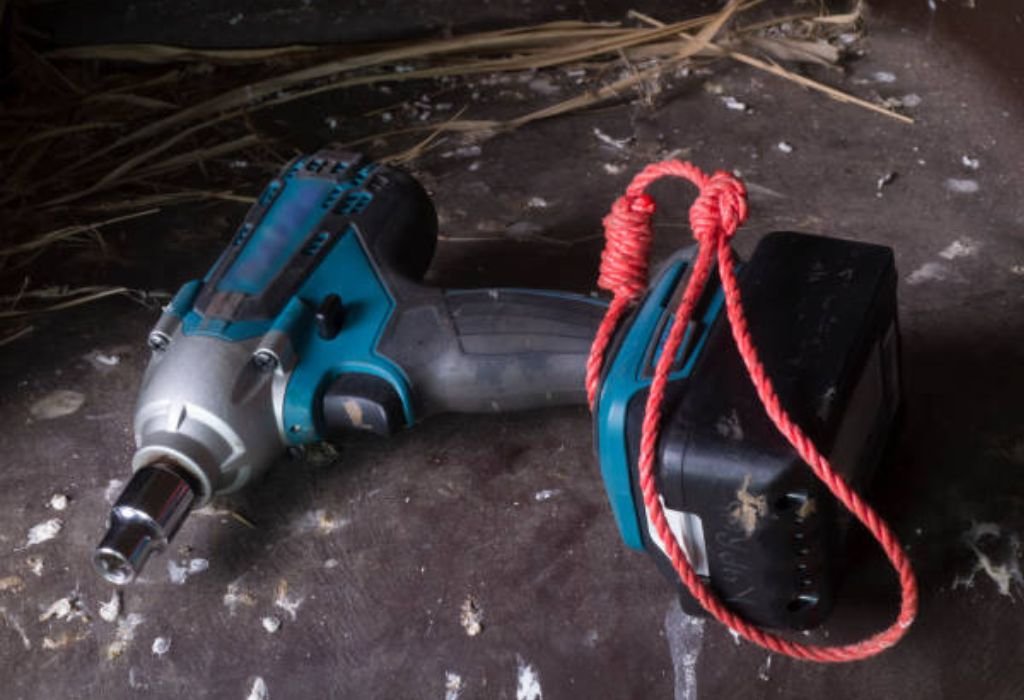
Air tools require compressors, hoses, regulators, and regular maintenance. The upfront cost rises with higher CFM demands.
Cordless impacts have higher tool prices, but kits with batteries often cost less than a full compressor setup. Ongoing costs include replacing packs every few years.
Professionals weigh cost against scale. Air makes sense for multi-bay shops, while cordless is cheaper for individuals.
Which is cheaper to start with?
Cordless kits for single users.
What hidden costs come with air?
Compressor upgrades, wiring, and maintenance.
How often do batteries need replacement?
Every 3–5 years, depending on use.
Do air tools last longer than cordless?
Yes, with proper lubrication and clean air.
Which scales better in a shop?
Air, if the infrastructure is already installed.
Ergonomics and Access: Size, Weight, and Hose Drag
Air impacts are smaller and lighter for the same torque. Cordless tools avoid hose drag, which can limit access in tight spaces.
Professionals consider grip comfort, balance, and head length when choosing. Cordless “stubbies” make up for bulk by reaching narrow areas.
Which is easier under the hood?
Cordless compact or 3/8 models.
Which is better for overhead work?
Air, thanks to lighter weight.
What about tight suspension pockets?
Stubby cordless 1/2-inch impacts fit best.
Does cold weather affect cordless?
Yes, batteries lose efficiency in the cold.
How to manage hose drag?
Use swivel fittings and 3/8-inch ID hoses.
Use-Case Playbook: DIY, Mobile, and Production Shops
DIY mechanics often benefit most from cordless impacts. They handle wheels, brakes, and suspension without needing shop infrastructure.
Mobile mechanics rely on cordless for portability. Production shops use air tools for nonstop, repetitive tasks where weight and duty cycle matter.
What’s best for tire rotations at home?
Cordless mid-torque impacts.
What about mobile roadside service?
Cordless high-torque with spare packs.
Which for fleet maintenance?
Air, for continuous use.
Which for construction crews?
Cordless, since compressors aren’t practical on all sites.
Do pros own both?
Yes, to match tools to specific tasks.
Specs That Matter (and How to Read Them)
For cordless, focus on breakaway torque, fastening torque, RPM, IPM, and battery platform. For air, the critical numbers are CFM at 90 PSI, hose ID, and regulator settings.
Understanding specs prevents disappointment. Many complaints about weak performance come from undersized compressors or low-capacity batteries.
Why does my air gun feel weak?
Low CFM or a small hose restricts airflow .
Why does my cordless slow down?
Batteries are draining or overheating.
Do adapters reduce torque?
Yes, they add play and absorb impact.
Are impact sockets required?
Yes, chrome sockets can shatter under load.
Do I still need a torque wrench?
Yes, for final tightening accuracy.
Verdict: Are Electric Impact Wrenches as Good as Air Ones?
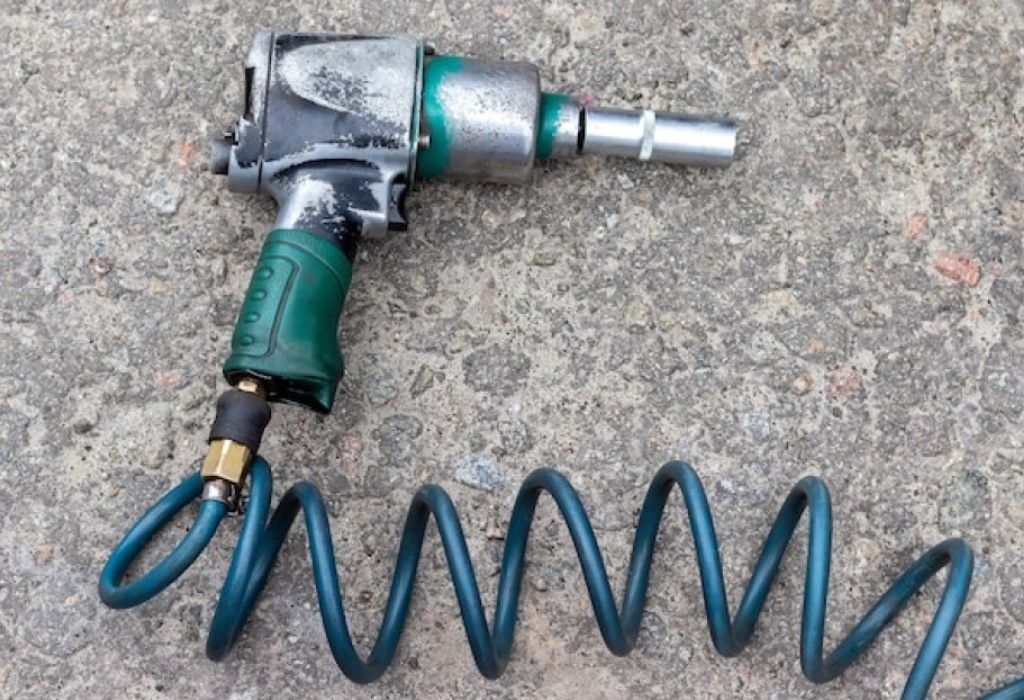
For most mechanics and DIY users, cordless impact wrenches are now as good as air—and often better. They deliver massive torque with unmatched convenience.
Air tools still dominate when nonstop runtime and lighter weight per power are critical. That’s why shops with compressors continue to rely on them daily.
The smartest approach is owning both if possible. Cordless for mobility and speed, air for heavy-duty continuous tasks.
If I can only buy one?
Choose a cordless 1/2-inch mid-torque.
Already own a compressor?
Air tools still deliver great value.
Do pros keep both?
Yes, to cover all situations.
Will cordless take over fully?
Battery tech suggests it’s only a matter of time.
What’s the safety must?
Always use impact-rated sockets and finish with a torque wrench.
Conclusion
Cordless impact wrenches have closed the gap with pneumatic models. For most users, they’re powerful, portable, and practical.
Air tools remain unbeatable for nonstop production and lighter ergonomics. But for everyday mechanics, cordless has become the go-to choice.

I’m Michael R. Turner, the founder, lead writer, and passionate DIY enthusiast behind 101diytools.com. With years of hands-on experience in home improvement and power tools, I built this platform to share practical tips, in-depth guides, and honest reviews to help DIYers of all skill levels tackle projects with confidence and the right tools.