3/8 vs 1/2 Impact Wrench: Which Is Better for You?
Imagine you’re working in your garage, ready to loosen a stubborn bolt. You grab your impact wrench, but then comes the big question—should you use a 3/8 or a 1/2?
These two drive sizes are the most common, and they often confuse beginners and even experienced DIYers. Both look similar, but the difference in torque and use cases is huge.
The 3/8 impact wrench is smaller and lighter. It’s perfect for tight spaces and lighter bolts like brake calipers or engine parts. But it may struggle with tougher jobs.
On the other hand, the 1/2 impact wrench is the workhorse of most garages. It has more torque, making it the go-to tool for lug nuts, suspension work, and larger fasteners.
The wrong choice can cause problems. Using a 3/8 on lug nuts may leave them under-tightened. Using a 1/2 on small bolts may overtighten or snap them.
According to market research, impact wrench sales have grown steadily with the rise of DIY auto repair. More people are buying these tools, but many don’t know which size truly fits their needs.
That’s why choosing the right impact wrench matters. It saves time, prevents damage, and keeps your repairs safe.
In this guide, we’ll compare the torque, uses, portability, and cost of 3/8 and 1/2 impact wrenches. By the end, you’ll know exactly which is better for your work—or if you might need both.
Understanding Impact Wrench Sizes
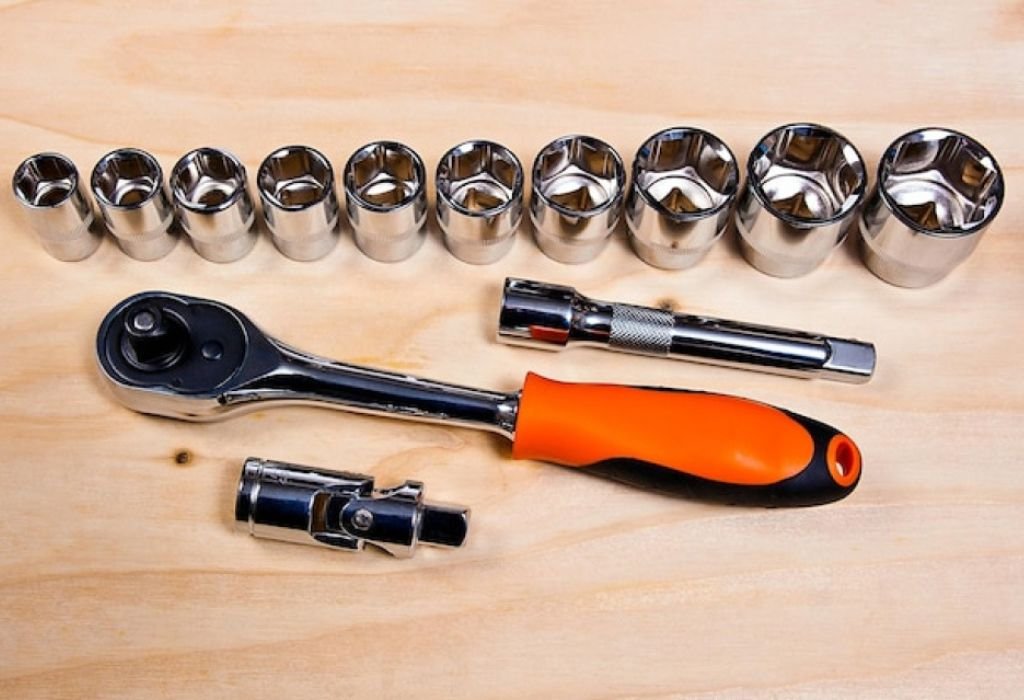
Impact wrenches come in different drive sizes. The size refers to the square drive that connects to the socket.
The two most popular sizes are 3/8-inch and 1/2-inch. Both are widely used in automotive and mechanical work.
Drive size matters because it affects torque output and socket compatibility. A bigger drive usually means more strength.
What does 3/8 or 1/2 mean in an impact wrench?
It refers to the square drive size that holds the socket in place.
Why are these two sizes so popular?
They cover most common jobs, from small bolts to heavy lug nuts.
Torque Differences Between 3/8 and 1/2 Impact Wrenches
Torque is the biggest difference between these two sizes. The more torque a wrench delivers, the bigger jobs it can handle.
A 3/8 impact wrench usually produces 150–250 ft-lbs. This is enough for small bolts and medium-duty tasks.
A 1/2 impact wrench can deliver 250–1000+ ft-lbs. That makes it suitable for lug nuts, suspension bolts, and heavy-duty work.
How much torque does a 3/8 impact wrench deliver?
Most range between 150 and 250 ft-lbs.
How much torque does a 1/2 impact wrench deliver?
Typically 250 to over 1000 ft-lbs, depending on the model.
Which one is better for lug nuts?
The 1/2 impact wrench is the safer choice for consistent results.
Best Uses for a 3/8 Impact Wrench
A 3/8 impact wrench is best for light and medium-duty jobs. It works well on smaller fasteners that don’t require extreme torque.
In automotive work, it’s often used on brake calipers, engine components, and interior bolts. Its smaller size also makes it easier to fit into tight spaces.
DIYers like it because it’s lightweight and comfortable to use. It reduces fatigue during long repair sessions.
Is a 3/8 impact wrench enough for lug nuts?
Not always. Many lug nuts need more torque than a 3/8 can provide.
What jobs are perfect for a 3/8 impact wrench?
Brake work, small suspension parts, and other light-duty automotive tasks.
Best Uses for a 1/2 Impact Wrench
The 1/2 impact wrench is the most versatile size. It provides enough torque for both everyday and heavy-duty jobs.
It’s the go-to tool for removing and tightening lug nuts. It also handles suspension bolts, frame bolts, and large fasteners with ease.
Because of its power, it’s widely used in auto shops and by professional mechanics. Most garages rely on 1/2-inch as their primary impact wrench.
Is a 1/2 impact wrench too strong for small bolts?
Yes, it can overtighten or even snap lighter fasteners if not used carefully.
What jobs are ideal for a 1/2 impact wrench?
Lug nuts, suspension systems, and heavy-duty automotive work.
Portability and Ease of Use
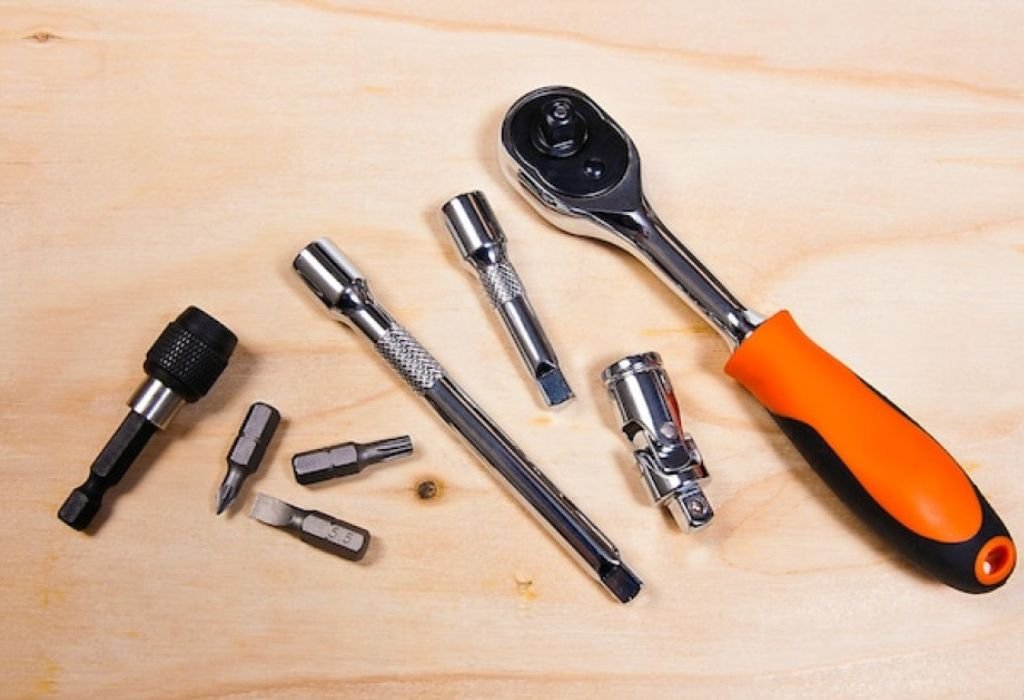
A 3/8 impact wrench is lighter and easier to handle. Its compact size makes it great for working in tight areas.
The 1/2 impact wrench is larger and heavier. While more powerful, it can feel bulky during long jobs.
Cordless versions of both sizes vary in weight. Larger batteries add run time but also increase overall tool weight.
Which impact wrench is easier to carry?
The 3/8 is lighter, making it more portable for quick tasks.
Does a 1/2 impact wrench cause fatigue faster?
Yes, its extra size and weight can tire your arms during extended use.
Cordless vs Pneumatic Options
Cordless impact wrenches are the most convenient choice today. They run on rechargeable batteries and offer full mobility.
Pneumatic impact wrenches use compressed air. They provide steady torque and are favored in professional workshops.
For most DIYers, cordless tools are enough. Professionals often prefer pneumatic because they can run all day without downtime.
Are cordless 3/8 impact wrenches reliable?
Yes, modern cordless models have plenty of power for light-duty work.
Why do many shops still use pneumatic 1/2 wrenches?
They deliver consistent torque and last longer under heavy use.
Cost and Value Comparison
A 3/8 impact wrench is usually more affordable. It’s a good entry-level option for light-duty tasks.
A 1/2 impact wrench costs more but offers greater versatility. It can handle both small and large jobs, making it a long-term investment.
The best value depends on your needs. If you work mainly on cars and lug nuts, the 1/2 gives more for your money.
Is a 3/8 impact wrench cheaper?
Yes, it typically costs less than a 1/2 model.
Which size offers better long-term value?
The 1/2 impact wrench, since it covers more types of work.
Safety Considerations
Using too much torque can be dangerous. A 1/2 impact wrench may overtighten and damage small bolts if not controlled.
On the other hand, a 3/8 impact wrench may under-tighten heavy bolts. This can cause parts to loosen while driving.
For safety, always finish tightening with a torque wrench. This ensures every fastener meets the manufacturer’s specifications.
Can a 1/2 impact wrench snap small bolts?
Yes, if used carelessly, it can break lighter fasteners.
Is a 3/8 impact wrench risky for big bolts?
Yes, it may not apply enough torque, leaving bolts loose.
What’s the safest way to tighten lug nuts?
Loosen with an impact wrench, then finish tightening with a torque wrench.
Which Is Better for You?
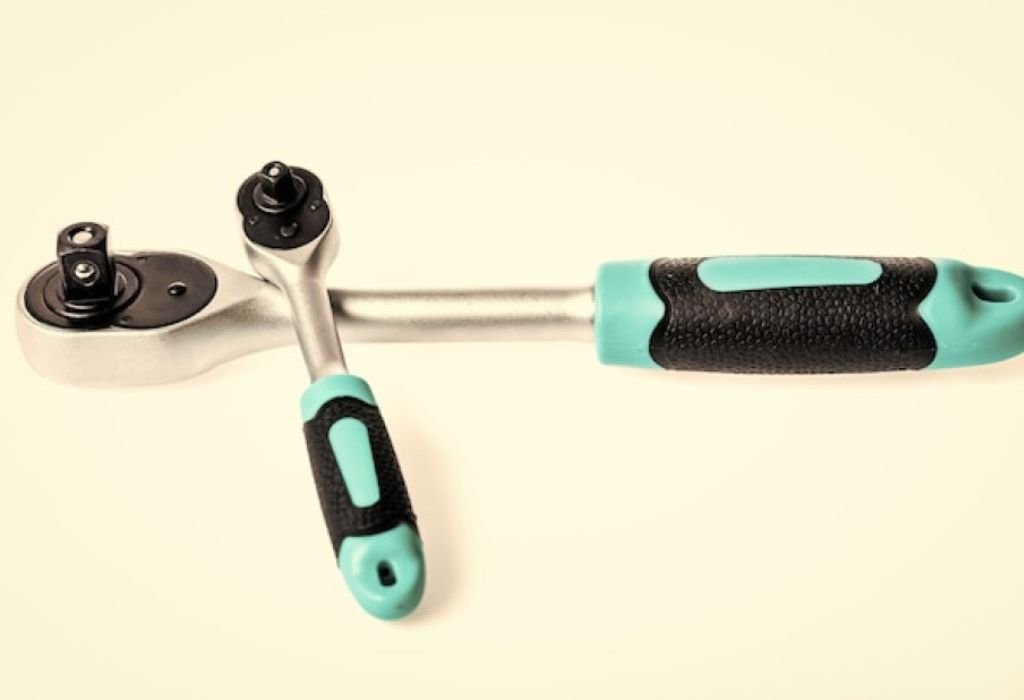
The right choice depends on the type of work you do most. Each size has strengths and limitations.
A 3/8 impact wrench is better for light-duty jobs and tight spaces. It’s easier to handle and reduces fatigue.
A 1/2 impact wrench is more versatile. It can handle lug nuts, suspension bolts, and most automotive tasks.
Many professionals keep both sizes in their toolbox. This gives them flexibility for any job.
Which size is best for car DIYers?
The 1/2 impact wrench is more practical for general automotive work.
Who should choose a 3/8 impact wrench?
Those who work on smaller bolts or need a lighter, compact tool.
Do professionals use both sizes?
Yes, most mechanics own both for maximum flexibility.
FAQs on 3/8 vs 1/2 Impact Wrenches
Can a 3/8 impact wrench remove lug nuts?
Sometimes, but many lug nuts require more torque than a 3/8 can provide.
Is a 1/2 impact wrench too powerful for small bolts?
Yes, it can overtighten or break small fasteners if not used carefully.
Which size impact wrench is most common in auto shops?
The 1/2 impact wrench is the standard choice for mechanics.
Do I need both 3/8 and 1/2 impact wrenches?
Not always, but professionals often keep both for flexibility.
What torque does a 3/8 impact wrench provide?
Typically 150–250 ft-lbs, suitable for light to medium jobs.
What torque does a 1/2 impact wrench provide?
Usually 250–1000+ ft-lbs, enough for lug nuts and heavy-duty tasks.
Is a 3/8 impact wrench lighter than a 1/2?
Yes, it is smaller and easier to handle for long periods.
Are cordless 3/8 impact wrenches reliable?
Yes, modern cordless models work well for light-duty repairs.
Why do professionals prefer 1/2 pneumatic wrenches?
They deliver consistent torque and can run all day without batteries.
Which impact wrench is better for tight spaces?
The 3/8 is smaller, making it ideal for cramped areas.
Can I use a 1/2 impact wrench on all car repairs?
Mostly yes, but for very small bolts, it may apply too much torque.
Is a 3/8 impact wrench cheaper than a 1/2?
Yes, it usually costs less and is a good entry-level tool.
Do I still need a torque wrench with an impact wrench?
Yes, always finish tightening with a torque wrench for accuracy.
Which is better for beginners, 3/8 or 1/2?
A 1/2 is more versatile, but a 3/8 is easier for lighter tasks.
What’s the safest way to use impact wrenches on lug nuts?
Loosen with the impact wrench, then tighten with a torque wrench.
Conclusion
Choosing between a 3/8 and 1/2 impact wrench depends on your work. Both tools serve different purposes in the garage.
A 3/8 impact wrench is light, compact, and perfect for smaller bolts. It shines in tight spaces and light-duty jobs.
A 1/2 impact wrench is stronger and more versatile. It handles lug nuts, suspension parts, and heavy-duty repairs with ease.
For most DIYers and car owners, the 1/2 is the better all-around choice. Professionals often keep both sizes for full coverage.
The best approach is simple—pick the size that matches your main tasks. If possible, invest in both to handle any job safely and efficiently.

I’m Michael R. Turner, the founder, lead writer, and passionate DIY enthusiast behind 101diytools.com. With years of hands-on experience in home improvement and power tools, I built this platform to share practical tips, in-depth guides, and honest reviews to help DIYers of all skill levels tackle projects with confidence and the right tools.