How Impact Wrench Works to Deliver High Torque
Imagine struggling with a rusted bolt on a truck wheel that simply refuses to budge.
A standard wrench or drill only makes the job harder, leaving you frustrated and tired.
This is where the impact wrench steps in, a tool designed to deliver immense power through quick, controlled bursts of torque.
Impact wrenches are not just about raw force; they use a unique mechanism that combines energy build-up with release, making them far more effective than drills or manual tools.
According to industry reports, over 65% of automotive repair shops rely on impact wrenches daily to handle tough fastening and loosening tasks (Statista).
This shows how essential they have become in heavy-duty and DIY applications.
Understanding how an impact wrench works is more than technical curiosity—it helps users apply it correctly, maintain safety, and extend tool life.
Let’s dive into the inner workings of this powerful device.
Anatomy of an Impact Wrench (What’s Inside)
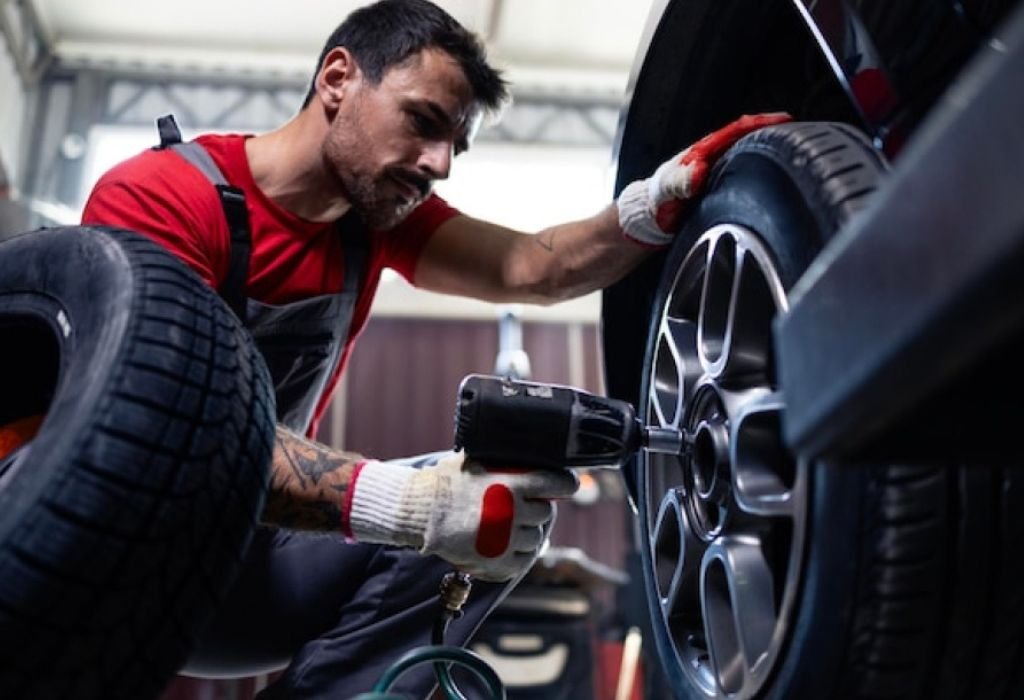
At the heart of every impact wrench is a compact but robust design. Each part plays a role in generating controlled bursts of torque.
The motor serves as the power source. Pneumatic models rely on compressed air, while cordless versions use advanced brushless motors powered by lithium-ion batteries.
The hammer mechanism takes rotational energy from the motor, builds momentum, and then delivers repeated strikes to the anvil. The anvil connects directly to the output shaft that holds the socket, transferring impact to the fastener.
Instead of constant rotation like a drill, the impact wrench delivers rapid strikes. This hammer-and-anvil system breaks static friction, which is often the main reason bolts get stuck.
What is the hammer-and-anvil system?
It’s the mechanism where a hammer spins, builds momentum, and strikes the anvil, creating torque bursts.
Why not use a regular drill instead?
Drills provide steady rotation, while impact wrenches deliver shock power to loosen tough bolts.
Do all impact wrenches share the same parts?
Yes, though pneumatic, electric, and hydraulic models vary in motors and power delivery.
Why is the housing so thick?
It protects the system from shock loads created during repeated hammer strikes.
What part connects to the socket?
The anvil and output shaft hold sockets that transfer torque to the fastener.
How an Impact Wrench Works to Deliver Torque
The working principle is simple yet powerful. The motor spins the hammer, which stores kinetic energy. When resistance is encountered, the hammer slips, then slams into the anvil, transferring high-energy torque.
This action repeats dozens of times per second. The bursts allow fasteners to loosen without constant strain on the user’s wrist.
The beauty of the mechanism lies in efficiency. Instead of one long push, it delivers many quick punches, each stronger than continuous force from other tools.
How does an impact wrench generate torque?
By converting motor power into hammer strikes against the anvil.
Does it rotate continuously?
No, it delivers intermittent strikes while still turning the fastener.
Why is it so effective on rusted bolts?
Short bursts overcome static friction that normal tools cannot.
Can torque be adjusted?
Yes, many models have torque control settings to match different tasks.
Is it safe for all fasteners?
Yes, if the correct impact sockets are used.
Types of Impact Wrenches
Impact wrenches come in multiple variations, each designed for specific tasks.
- Pneumatic Impact Wrenches – Powered by compressed air, these dominate professional workshops. They are lightweight and deliver consistent torque.
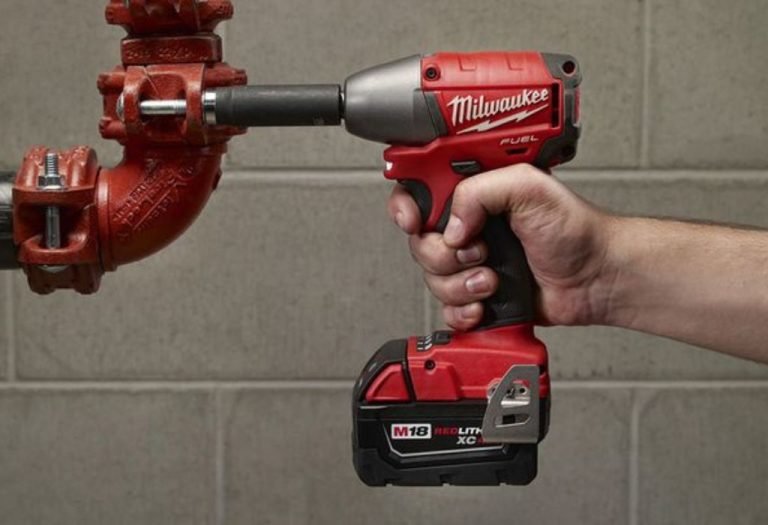
- Cordless Impact Wrenches – Battery-powered tools offer portability. Lithium-ion batteries provide long runtime and brushless motors improve efficiency.
- Corded Electric Impact Wrenches – Less common today, but useful for continuous power without air compressors.
- Hydraulic Impact Wrenches – Heavy-duty industrial models, often used in construction and shipyards.
Which type is best for automotive use?
Pneumatic models dominate, but cordless tools are gaining popularity.
Do cordless wrenches match air-powered ones?
Yes, modern lithium-ion models rival pneumatic versions in torque.
What about corded tools?
They’re reliable but less portable.
Why use hydraulic impact wrenches?
They deliver extreme torque for specialized industries.
Are pneumatic wrenches outdated?
Not at all—many mechanics still prefer them for reliability.
Common Applications of Impact Wrenches
Impact wrenches are versatile tools used across industries.
In automotive work, they handle tire lug nuts, suspension bolts, and engine components. Construction workers rely on them for steel framing and structural fasteners. DIY users use compact versions for home projects and woodworking.
They are also vital in aerospace, heavy equipment maintenance, and energy sectors where precision fastening under load is critical.
Are impact wrenches only for cars?
No, they are used in construction, aerospace, and industrial work.
Why do tire shops use them?
Because they quickly loosen and tighten lug nuts.
Can they be used at home?
Yes, compact cordless models are DIY-friendly.
Do they replace manual wrenches?
They complement them but don’t always replace torque wrenches for precision.
What industries rely most on them?
Automotive, construction, aerospace, and energy.
Benefits of Using an Impact Wrench
Impact wrenches save time, reduce strain, and increase efficiency. The hammer mechanism provides controlled bursts, so users don’t need to apply constant pressure.
They reduce the risk of stripped bolts and make high-torque fastening safer. In heavy-duty applications, they outperform drills and manual tools.
Why are they faster?
The burst action breaks bolts free quickly.
Do they reduce fatigue?
Yes, because the tool does the heavy work.
Are they safer than manual methods?
Yes, less strain on wrists and fewer chances of slipping.
Do they prevent bolt damage?
Yes, when used with proper impact sockets.
Can they replace torque wrenches?
No, torque wrenches are still needed for precise tightening.
Limitations and Safety Considerations
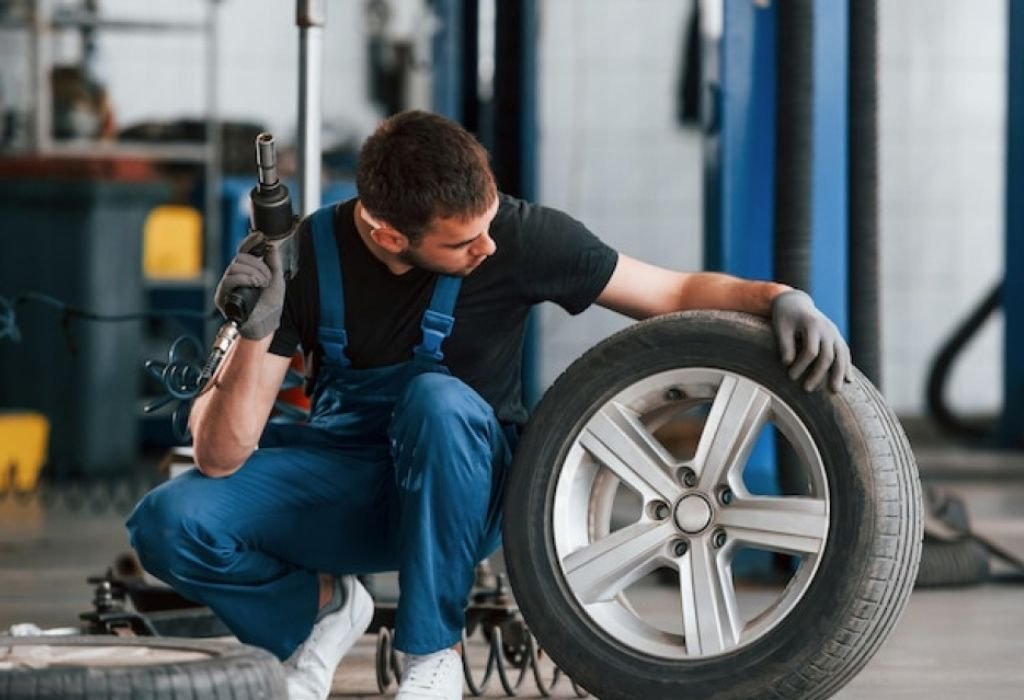
While powerful, impact wrenches have limits. Using non-impact sockets can cause breakage. Over-torquing is another risk without proper control.
Eye protection and gloves are essential, as flying debris or broken sockets can cause injuries. Noise levels can also be high, so ear protection is advised.
Can you use regular sockets?
No, only impact-rated sockets should be used.
What is the biggest risk?
Over-torquing or damaging fasteners.
Do they require safety gear?
Yes, gloves, safety glasses, and sometimes ear protection.
Can they damage smaller bolts?
Yes, if torque isn’t controlled.
Do they require maintenance?
Yes, especially pneumatic models, which need lubrication.
Tips for Using an Impact Wrench Effectively
- Always use impact-rated sockets.
- Select the correct torque setting for your task.
- Keep batteries charged or compressors maintained.
- Use lubricants on rusted bolts for smoother operation.
- Regularly inspect the tool for wear and tear.
What is the first rule of use?
Always use impact-rated sockets.
How to handle rusted bolts?
Apply penetrating oil before using the wrench.
Can torque settings be adjusted?
Yes, many models offer multiple modes.
How often should tools be serviced?
Check regularly, especially for air-powered models.
Do batteries last long?
Lithium-ion batteries offer extended runtime.
Conclusion
Understanding how an impact wrench works helps users maximize performance while staying safe. The hammer-and-anvil system, combined with powerful motors, makes these tools invaluable across industries.
Whether you’re a mechanic, construction worker, or DIY enthusiast, an impact wrench delivers efficiency and reliability. Using it correctly ensures long-lasting results and prevents damage.
Investing in the right model and learning its proper use will save time, reduce strain, and make even the toughest jobs manageable.

I’m Michael R. Turner, the founder, lead writer, and passionate DIY enthusiast behind 101diytools.com. With years of hands-on experience in home improvement and power tools, I built this platform to share practical tips, in-depth guides, and honest reviews to help DIYers of all skill levels tackle projects with confidence and the right tools.