Impact Driver vs Impact Wrench What’s the Difference
A DIY enthusiast grabs a compact power tool to tackle a weekend project. Screws zip in quickly, but when it’s time to remove a stubborn lug nut, the tool suddenly feels powerless.
This common moment of frustration highlights the confusion between impact drivers and impact wrenches.
At first glance, both tools look similar. Each delivers rapid bursts of rotational force to make fastening easier.
Yet the difference between them determines whether a job is finished in minutes or turns into hours of struggle.
The impact driver shines in construction and woodworking, driving screws and lag bolts with speed and precision.
On the other hand, the impact wrench is built for raw torque, the kind needed to loosen lug nuts, heavy bolts, and industrial fasteners. Knowing which tool to choose can save time, protect materials, and prevent costly mistakes.
Power tool use continues to rise, with over 60% of DIYers in the U.S. using them at least weekly.
As more people invest in home projects and automotive maintenance, understanding tool differences becomes even more important.
Using the wrong one not only slows progress but can also damage hardware or cause safety risks.
This guide breaks down everything you need to know about impact drivers and impact wrenches. From how they work to their best applications, torque levels, pros and cons, and future trends, you’ll have a clear answer to the question: what is the difference between an impact driver and an impact wrench?
What Is an Impact Driver?
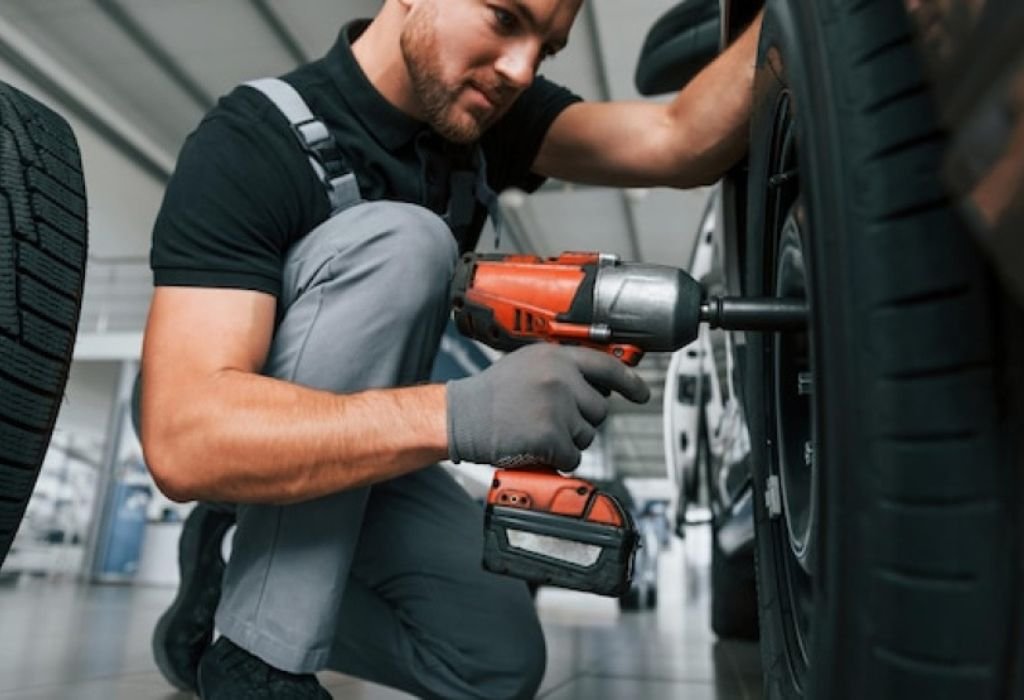
Impact drivers are compact tools designed to drive screws and fasteners quickly. They use a 1/4-inch hex collet to hold bits, delivering high rotational speed with bursts of torque.
They excel at repetitive tasks like decking, cabinetry, and furniture assembly. Their lightweight design makes them popular for DIYers and professionals.
What’s an impact driver for?
Driving screws, lag bolts, and fasteners in wood and light metal.
Can it remove lug nuts?
Rarely, unless they are lightly torqued.
What bits does it use?
Hex-shank bits designed for drivers.
Is it beginner-friendly?
Yes, lightweight and easy to handle.
Does it replace a drill?
Not fully, but faster for driving screws.
What Is an Impact Wrench?
Impact wrenches are heavy-duty tools built for high torque output. Instead of a hex collet, they use a square drive anvil—most commonly 1/2 inch, but also available in 3/8, 3/4, and 1 inch.
They are essential in automotive repair, construction, and heavy machinery. Cordless versions are popular for convenience, while pneumatic ones dominate industrial settings.
What’s an impact wrench used for?
Removing lug nuts, bolts, and industrial fasteners.
What sizes are available?
3/8, 1/2, 3/4, and 1-inch drives.
Can it drive screws?
Not practical, as it delivers too much torque.
Is it heavier?
Yes, bulkier than impact drivers.
Cordless or pneumatic?
Both are common; pneumatic offers more consistent torque.
Key Differences Between Impact Driver and Impact Wrench
Though they look alike, the differences are clear when you compare function.
Impact drivers typically produce 1,200–1,800 in-lbs of torque. In contrast, impact wrenches can deliver 150–1,000 ft-lbs of torque or more, depending on size.
Drive systems also differ: hex collet vs square drive. Use cases vary: woodworking and screws for drivers, automotive and heavy bolts for wrenches.
Which has more torque?
Impact wrench.
Which is smaller?
Impact driver.
Can one replace the other?
No, each serves a unique role.
Which is best for cars?
Impact wrench.
Which is best for wood projects?
Impact driver.
Choosing the Right Tool for Your Project
The decision depends on the material and the type of fastener.
DIYers assembling furniture, decking, or shelves will find impact drivers ideal. Mechanics, contractors, and steelworkers rely on impact wrenches for torque-heavy jobs.
What tool for lug nuts?
Impact wrench.
What tool for wood framing?
Impact driver.
Can adapters work?
Yes, but they reduce efficiency and increase risk.
Which is more affordable?
Impact driver.
Which lasts longer?
Both, with proper care and usage.
Pros and Cons of Each Tool
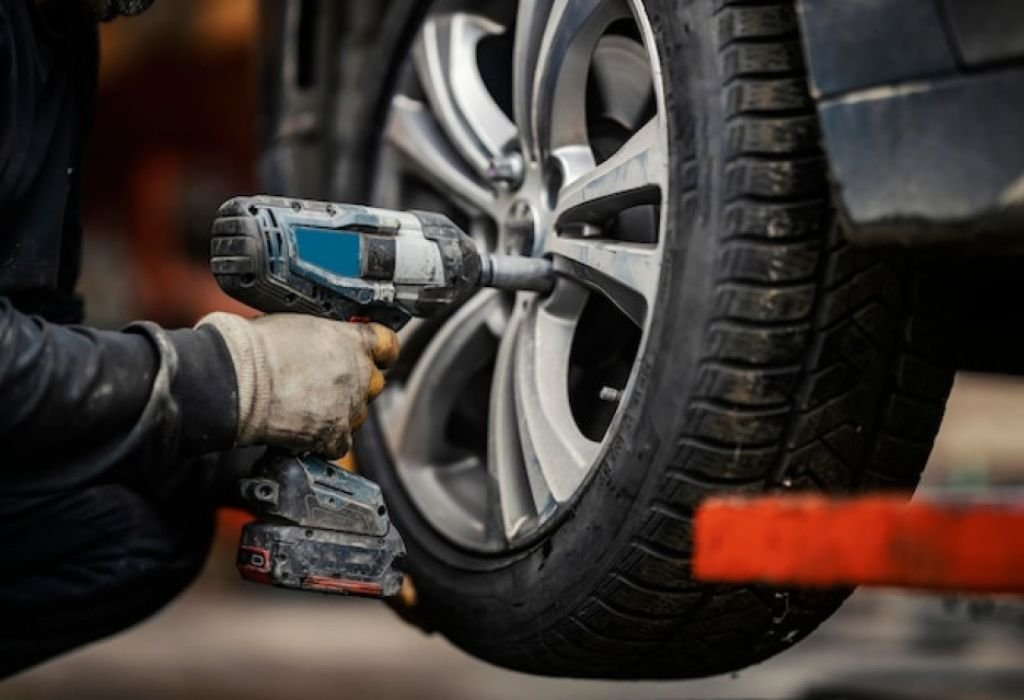
Impact drivers: lightweight, affordable, versatile, but limited torque.
Impact wrenches: high power, excellent for bolts, but heavier and more expensive.
Is an impact driver cheaper?
Yes, usually under $150.
Is an impact wrench overkill?
For small jobs, yes.
Can I own both?
Yes, many professionals do.
Which saves time?
Both, depending on the project.
Which is safer?
Both, with correct PPE and usage.
Future Trends in Impact Tools
Power tools are evolving with technology. Brushless motors improve efficiency, reduce heat, and extend tool life. Cordless tools now rival pneumatic versions for torque output.
Manufacturers are also adding smart sensors for torque control, preventing stripped screws and over-tightened bolts.
Are brushless motors better?
Yes, more efficient and durable.
Will cordless replace pneumatic?
For many users, yes, especially DIYers.
Do brands matter?
Yes, torque ratings vary significantly.
Are tools getting lighter?
Yes, thanks to lithium-ion batteries.
Will AI sensors be included?
Some premium models already have torque sensors.
Conclusion
Impact drivers and impact wrenches may look similar, but their roles are distinct. The driver is the go-to for screws and light fasteners, while the wrench delivers the brute force needed for bolts and automotive work.
Choosing the right tool prevents frustration, saves time, and ensures safety. For DIYers, an impact driver covers most needs. For mechanics and heavy-duty users, an impact wrench is indispensable.
By understanding their differences, you can confidently select the right tool and avoid costly mistakes.

I’m Michael R. Turner, the founder, lead writer, and passionate DIY enthusiast behind 101diytools.com. With years of hands-on experience in home improvement and power tools, I built this platform to share practical tips, in-depth guides, and honest reviews to help DIYers of all skill levels tackle projects with confidence and the right tools.