Can You Use Regular Sockets on an Impact Wrench
A car enthusiast grabs a shiny chrome socket to loosen a stubborn lug nut. The impact wrench roars, and within seconds, the socket cracks. What looked like a simple tool choice suddenly turns into a safety risk.
This situation raises a common question: can you use regular sockets on an impact wrench? At first glance, both regular and impact sockets appear similar. They share sizes, shapes, and even the same purpose. Yet, the difference in design and materials determines whether the job is safe or dangerous.
Regular chrome sockets are designed for hand ratchets, where torque levels rarely exceed moderate force. In contrast, impact wrenches—whether pneumatic or cordless—can deliver over 1,000 ft-lbs of torque, far beyond what standard sockets can withstand (Milwaukee Tools). When overloaded, regular sockets can shatter, sending fragments flying at dangerous speeds.
The Occupational Safety and Health Administration (OSHA) warns that improper tool use is a leading cause of workplace injuries, with flying debris among the top hazards (OSHA). This highlights why socket choice is more than a matter of convenience; it’s a matter of safety.
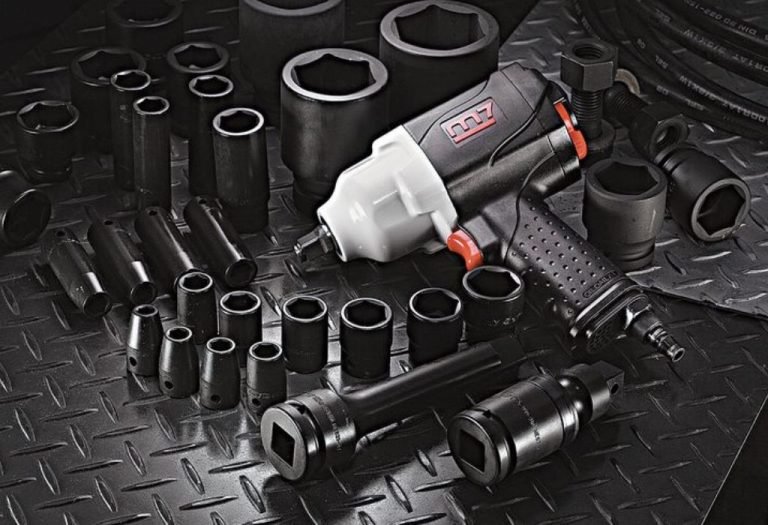
Impact sockets, usually made from chromoly steel with a thicker wall design and black oxide finish, are engineered to absorb the repeated stress of high torque. They may look less polished, but they provide durability and shatter resistance where it matters most.
This guide explores why regular sockets fail on impact wrenches, the unique construction of impact sockets, and how to choose the right set for automotive, construction, and DIY projects.
Quick Answer — Can You Use Regular Sockets on an Impact Wrench?
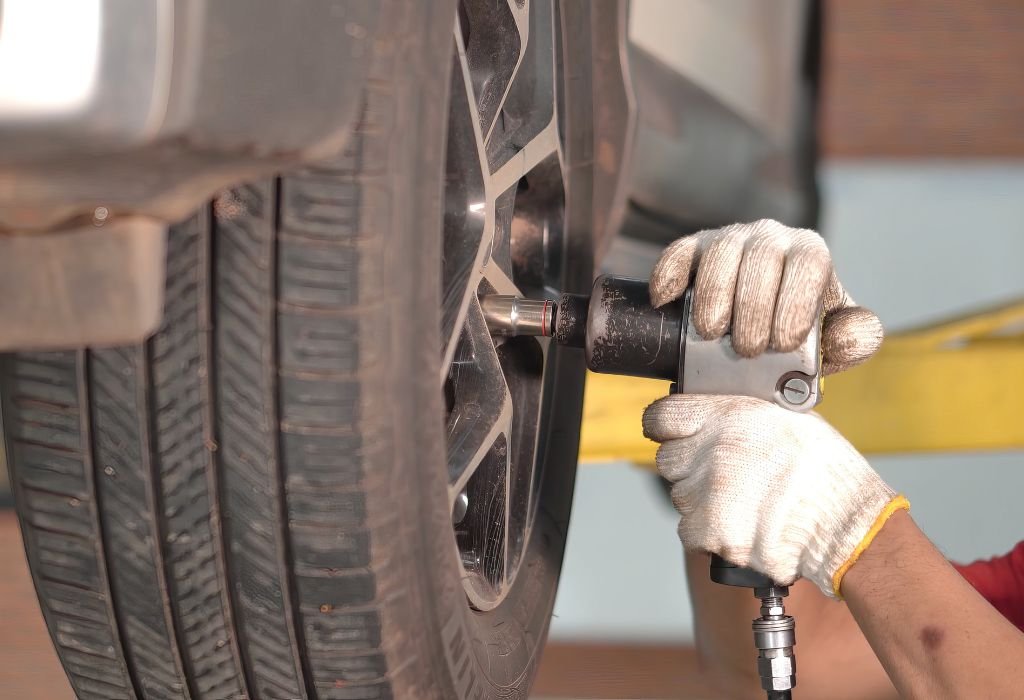
Regular sockets should not be used on an impact wrench. They are not designed for the high torque and rapid vibrations produced by impact tools.
Impact sockets, in contrast, are engineered to withstand extreme force. Their thicker walls, tougher alloys, and special coatings keep them from cracking under stress.
While a regular socket may survive a few light jobs, continued use puts both the user and the tool at risk of serious damage.
What happens if you use regular sockets?
They can crack, split, or shatter under load.
Are impact sockets really necessary?
Yes, they are designed for safety and durability.
Can regular sockets work in light jobs?
Possibly, but it is unsafe and not recommended.
Do all impact wrenches need impact sockets?
Yes, from compact cordless models to heavy-duty air tools.
Can adapters make regular sockets safe?
No, only impact-rated sockets should be used.
Why Regular Sockets Fail on Impact Wrenches
Regular sockets are typically made from chrome vanadium (CR-V) steel. This alloy is hard and durable for hand tools but becomes brittle under the shock forces of impact tools.
The thin wall design of regular sockets makes them lightweight and easy to handle. However, this same design reduces their strength when exposed to sudden bursts of torque.
High-torque impact wrenches generate repeated shocks that regular sockets cannot absorb. Over time, microscopic cracks form until the socket breaks apart.
Why are regular sockets chrome plated?
For corrosion resistance and a polished appearance.
What’s the main weakness of chrome sockets?
They are brittle under sudden impacts.
Do all regular sockets fail instantly?
Not always, but the risk increases with torque levels.
Can you reinforce a regular socket?
No, material and design limitations prevent it.
Are they safe for power drills?
They are fine for drills, but not for impact wrenches.
Impact Sockets Explained — Design, Material, Safety
Impact sockets are made from chromoly (CR-MO) steel, which is tougher and more flexible under stress. This allows them to absorb impact without cracking.
They feature thicker walls compared to regular sockets. This extra material helps distribute the force evenly across the tool.
Most impact sockets are finished with a black oxide or phosphate coating, which resists corrosion and makes them easy to identify.
Why are impact sockets black?
The coating protects them and sets them apart from chrome sockets.
Are they heavier than regular sockets?
Yes, due to the thicker walls.
Do impact sockets wear out?
Yes, but they last much longer under high torque conditions.
Are deep impact sockets available?
Yes, they come in shallow, deep, and even extra-deep varieties.
Can impact sockets be used on hand tools?
Yes, they work perfectly with ratchets too.
Safety Risks of Using Regular Sockets on Impact Wrenches
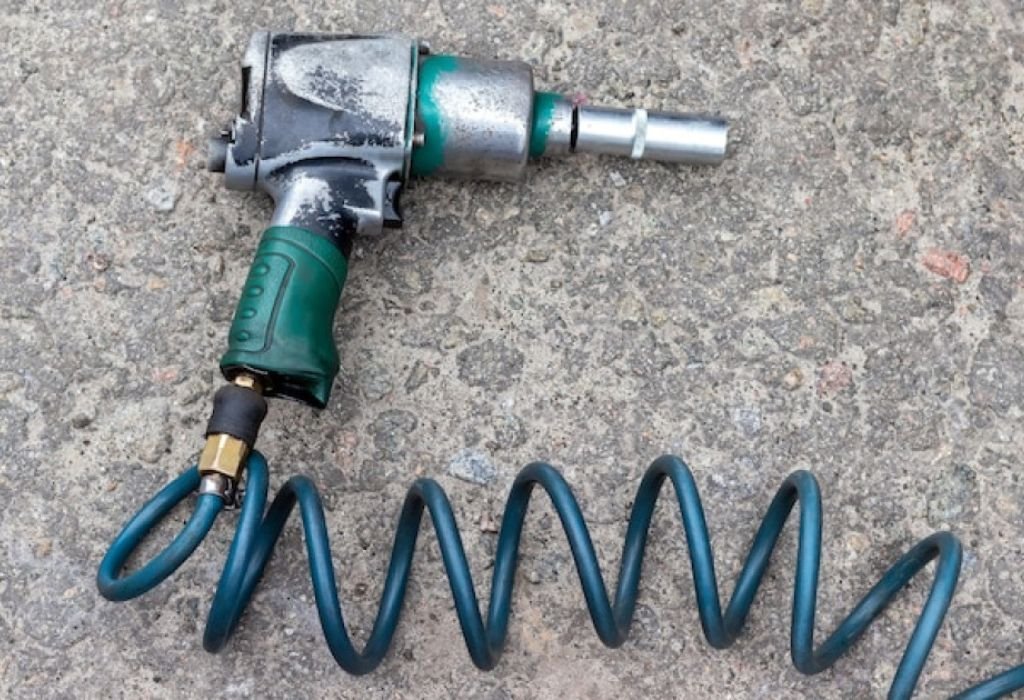
One of the biggest dangers of using regular sockets on impact wrenches is shattering. When sockets break, sharp fragments can become projectiles.
Eye and hand injuries are common results of such accidents. In workshops, broken sockets can also damage surrounding equipment.
Manufacturers and OSHA both emphasize that only impact-rated sockets should be used for high-torque applications.
Do you need safety glasses?
Yes, always wear them when using impact tools.
What’s the biggest danger of chrome sockets?
They can explode under torque and cause injury.
Can socket failure damage your wrench?
Yes, it can harm the anvil and internal gears.
Are gloves useful?
Yes, they provide protection from sharp fragments.
Can warranties be voided by misuse?
Yes, improper use may void warranties.
Torque and Material Science Behind the Difference
Impact wrenches deliver shock torque, not just steady force. This repeated impact stresses the material in ways that hand torque never does.
Chrome vanadium steel is hard, but it lacks flexibility. Chromoly steel, on the other hand, can flex slightly, absorbing stress instead of cracking.
Socket wall thickness is also a major factor. Thin walls save weight but compromise strength, while impact sockets use thicker walls for safety.
What torque can regular sockets handle?
Usually under 150 ft-lbs safely.
What torque do impact sockets handle?
Many withstand 300–1,000+ ft-lbs.
Does heat treatment matter?
Yes, impact sockets are heat-treated for toughness.
Are thin walls weaker?
Yes, they are more prone to splitting.
Do all brands meet standards?
Reputable ones meet ANSI/ASTM specs.
Alternatives and Safe Practices
The best practice is always to use impact-rated socket sets with any impact wrench. These are designed for the torque and vibrations of the tool.
Socket adapters, extensions, and universal joints should also be impact-rated. Standard accessories carry the same risks as regular sockets.
For specialized tasks, choose wobble extensions and thin-wall impact sockets made for tight spaces, such as alloy wheels.
Can universal joints be used?
Yes, but only impact-rated ones.
Are cheap impact sockets safe?
They are safer than chrome sockets, but quality varies.
Can you mix brands?
Yes, if the sizes match.
Do extensions reduce torque?
Slightly, but not enough to affect most jobs.
Best starter set?
A mid-range CR-MO impact socket set.
Real-World Applications — Automotive, Construction, DIY
Automotive mechanics rely on impact sockets for lug nuts, suspension bolts, and engine components. Using the wrong socket could lead to dangerous failures.
In construction, impact sockets handle anchor bolts, structural fasteners, and heavy lag screws. Their durability keeps projects moving safely.
For DIY users, impact sockets are essential when using cordless impact wrenches for decking, equipment repair, or other heavy fastening.
Are impact sockets required for lug nuts?
Yes, always for safety.
Can regular sockets be used for furniture assembly?
Yes, but only with hand ratchets.
Are impact sockets only for professionals?
No, they are useful for DIY too.
Do compact impact wrenches need them?
Yes, even small tools need impact sockets.
Do professionals ever use chrome sockets?
Only on hand tools, never on impacts.
Buying Guide — Choosing the Right Impact Sockets
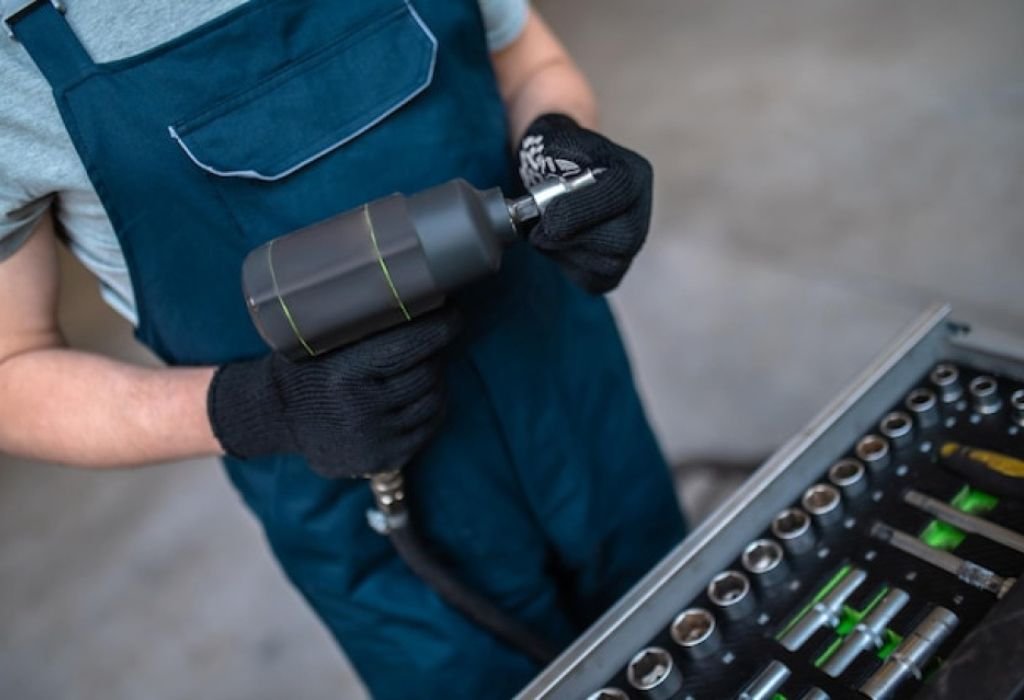
When shopping for impact sockets, look for CR-MO steel, black oxide finish, and ANSI certification. These features ensure quality and safety.
Choose sets that include both shallow and deep sockets, and match the drive size (1/4, 3/8, 1/2 inch) to your impact wrench.
Investing in a reliable set saves money and avoids dangerous tool failures in the long run.
Are expensive sockets worth it?
Yes, for durability and safety.
What’s the best drive size for cars?
1/2-inch drive for lug nuts.
Do I need both SAE and metric?
Yes, for complete coverage.
Are thin-wall impact sockets available?
Yes, for wheels and tight spots.
Do kits include extensions?
Many do, but check before buying.
Future Trends — Stronger and Smarter Socket Design
Manufacturers are experimenting with advanced alloys that balance strength and weight. This allows sockets to be thinner but still impact safe.
Protective coatings are improving rust resistance and extending lifespan. Some premium sets even come with laser-etched markings for quick identification.
Cordless impact wrenches are driving innovation in socket design, pushing brands to make sockets optimized for lighter, battery-powered tools.
Will impact sockets get lighter?
Yes, new alloys are making them stronger yet lighter.
Are coatings important?
Yes, they extend tool life.
Will AI torque sensors matter?
Possibly, as smart tools evolve.
Are safety standards changing?
Yes, to match higher torque outputs.
Can sockets ever become universal?
Not likely, since safety relies on proper design.
Conclusion
So, can you use regular sockets on an impact wrench? The answer is no. Regular chrome sockets are not built for the high torque and vibration of impact tools.
Instead, choose impact sockets made of chromoly steel with thicker walls and protective coatings. They are safer, more durable, and designed for the job.
Using the right sockets protects your tools, your projects, and most importantly, your safety. For professionals and DIYers alike, impact-rated sockets are the only choice.

I’m Michael R. Turner, the founder, lead writer, and passionate DIY enthusiast behind 101diytools.com. With years of hands-on experience in home improvement and power tools, I built this platform to share practical tips, in-depth guides, and honest reviews to help DIYers of all skill levels tackle projects with confidence and the right tools.