What Size Impact Wrench Do I Need for My Projects
The first lug nut refuses to budge, and a simple job quickly becomes frustrating. The thought immediately follows: what size impact wrench do I need to make this easier?
Impact drivers and impact wrenches look alike, but the difference in power is dramatic. A driver may spin screws all day, yet it lacks the square anvil and torque required for wheel lugs or suspension bolts.
A 1/2-inch impact wrench is the standard in most garages. Mid-torque versions deliver around 250–600 ft-lb, while high-torque models exceed 1,000 ft-lb.
These ranges easily cover automotive and light construction work.
Manufacturers push boundaries further each year. Milwaukee lists 1,200 ft-lb fastening and 1,600 ft-lb nut-busting on compact models, showing that size no longer means weakness.
To put numbers in context, most passenger vehicles require 80–120 ft-lb on lug nuts.
Experts recommend final tightening with a torque wrench for accuracy and safety, but an impact wrench provides the muscle for removal.
This guide compares drive sizes, torque ratings, and use cases. By the end, choosing the right tool will be straightforward, whether for home projects, automotive work, or heavy-duty construction.
Impact Driver vs Impact Wrench—Start With the Right Tool
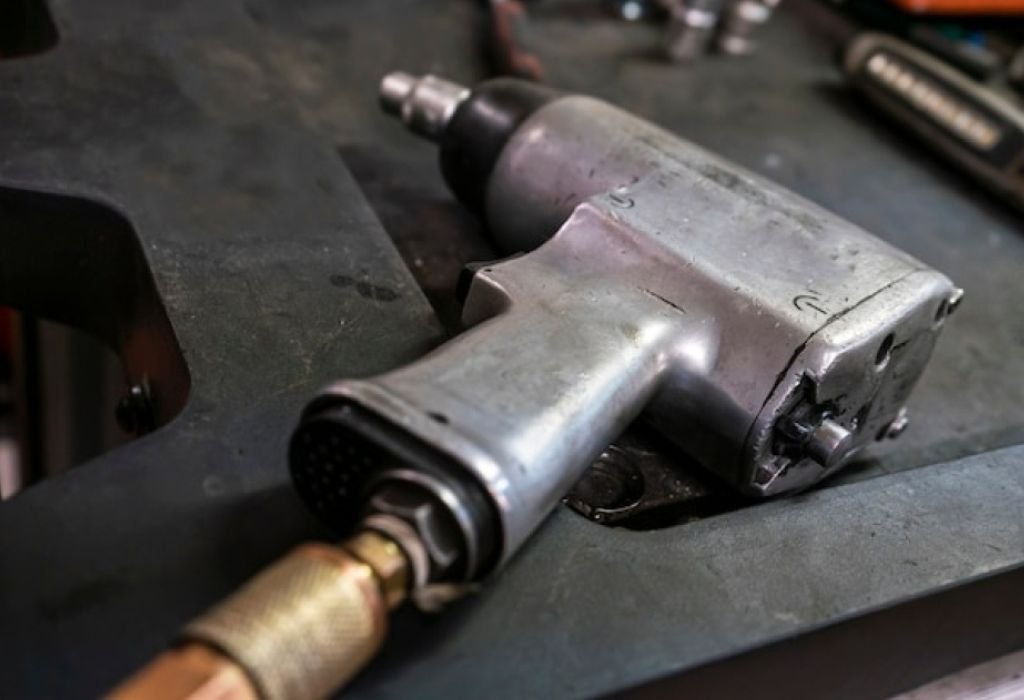
An impact driver holds screwdriver bits in a 1/4-inch hex collet. An impact wrench holds sockets on a square anvil, offering far higher torque.
Drivers are excellent for screws, decking, and carpentry, but they fall short for automotive jobs. Wrenches are designed for bolts, lugs, and anchors where strength matters.
Adapters exist to fit sockets onto drivers, but torque transfer drops, and safety risks rise. A dedicated impact wrench is the safer and smarter choice.
Can a driver remove lug nuts?
Yes, lightly torqued ones, but not seized or rusted nuts.
Why pick an impact wrench instead?
It delivers far more torque with a secure socket connection.
What sizes do wrenches come in?
3/8-inch, 1/2-inch, 3/4-inch, and 1-inch are the most common.
Is torque tied directly to size?
Larger drives usually pair with higher torque ranges.
Can adapters replace a wrench?
Not safely—expect reduced power and higher failure risk.
What Size Impact Wrench Do I Need? The Quick Answer
The most common choice is the 1/2-inch impact wrench, versatile enough for wheels, suspension, and most automotive jobs.
Compact spaces often call for a 3/8-inch wrench, lighter and easier to maneuver, though with less torque.
Heavy-duty jobs, like truck maintenance or structural bolts, demand 3/4-inch or 1-inch models, capable of 1,200–2,000+ ft-lb.
Best all-around for DIY auto work?
A 1/2-inch mid-torque impact wrench.
When choose 3/8-inch?
For engine bays, brake calipers, and lighter hardware.
When step up to 3/4-inch?
For heavy trucks, trailers, and rusted industrial fasteners.
Does size equal torque?
Not always—specifications vary by brand and model.
One tool for the garage?
A 1/2-inch mid-torque covers most needs.
Torque 101—Fastening vs Breakaway
Impact wrench specs list both fastening and breakaway torque. Fastening torque refers to controlled tightening, while breakaway (or nut-busting) measures removal strength.
A 1/2-inch mid-torque typically fastens at 250–600 ft-lb. High-torque models climb to 1,200+ ft-lb, breaking loose stubborn bolts.
This margin matters because rust, corrosion, and over-torqued bolts often require far more force to remove than to install.
How much torque for lug nuts?
Vehicles call for 80–120 ft-lb, but removal may need 2–3x more.
Is more torque always better?
No—too much risks broken studs or stripped threads.
Should you torque wheels with an impact?
No—use a hand torque wrench for accuracy.
Do modes matter?
Yes, multi-speed settings prevent overtightening.
Why does breakaway matter more?
Because removal under rust and age demands extra force.
Size-by-Size Guide—Use Cases, Pros, and Limits
3/8-Inch Impact Wrench—Compact Control
This size balances portability and access. Torque ratings usually peak around 200–250 ft-lb, ideal for interior bolts, brake calipers, and small suspension parts.
Will 3/8-inch do lug nuts?
Occasionally, but it lacks margin for rusted lugs.
Why choose it?
Lightweight, compact, and perfect for tight spaces.
Best for?
Engine bays, interior fasteners, and small hardware.
Drawback?
Not strong enough for wheels or large bolts.
1/2-Inch Impact Wrench—Automotive Sweet Spot
This size is the standard for automotive and general maintenance. Mid-torque versions range 250–600 ft-lb, while high-torque exceeds 1,000 ft-lb.
Best for tire rotations?
Yes, with proper torque wrench follow-up.
Mid vs high torque—what’s the difference?
Mid suits most tasks, high handles seized bolts.
Can it handle suspension work?
Yes, especially with high-torque models.
Too much for small bolts?
Not if speed modes are used carefully.
Why so popular?
Balance of power, weight, and versatility.
3/4-Inch and 1-Inch—Heavy-Duty and Industrial
These tools deliver 1,200–2,000+ ft-lb, designed for trucks, trailers, and steel construction. They are heavy and expensive but irreplaceable for industrial work.
When does a DIYer need one?
Rarely, unless working on heavy trucks or equipment.
What’s the main advantage?
Extreme torque for the largest fasteners.
Downside?
Weight, bulk, and larger sockets required.
Best suited for?
Fleet mechanics, industrial shops, and structural steel.
Hog Ring vs Pin Detent—Socket Retention Options
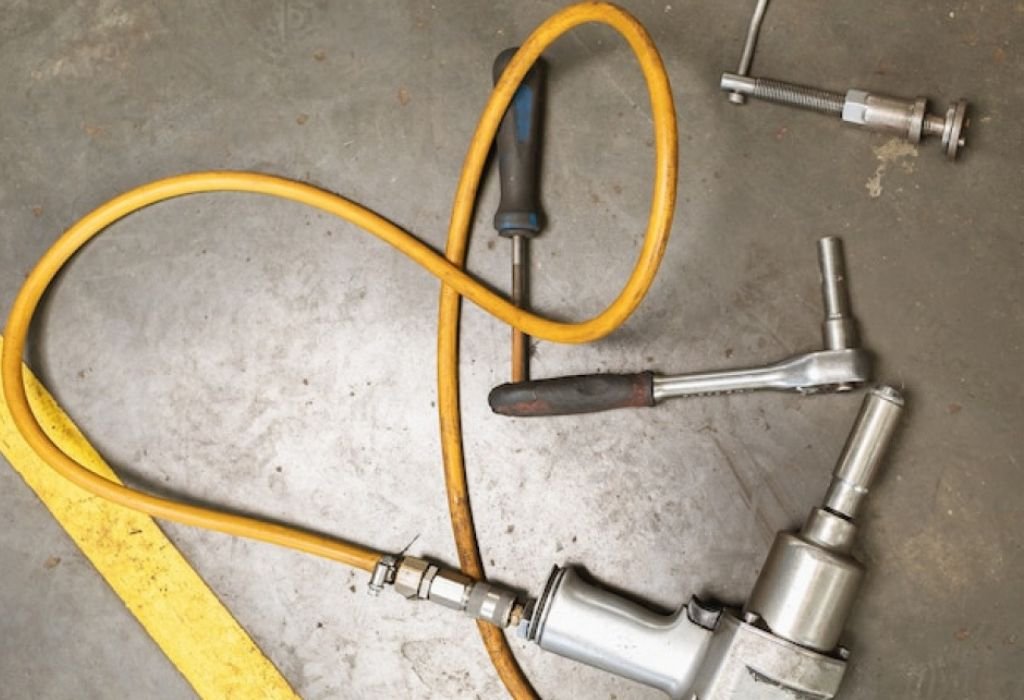
A hog ring (friction ring) grips sockets for quick swaps. A pin detent locks sockets securely for maximum retention.
Shop work favors hog rings for speed. Overhead or safety-critical jobs benefit from pin detents to prevent socket drops.
Which is faster?
Hog rings—no button needed to release sockets.
Which is more secure?
Pin detents—lock sockets until released.
Best for mechanics?
Hog rings for efficiency in frequent swaps.
Best for steelwork at height?
Pin detents—safety outweighs speed.
Can anvils be swapped?
Not easily—choose the right version at purchase.
Cordless vs Pneumatic vs 12V—Power Source Decisions
Cordless dominates with 18V/20V lithium systems delivering mid and high torque. Compact 12V tools serve lighter tasks. Pneumatics remain strong in fixed bays with air supply.
Is 12V strong enough?
Yes, up to ~250–400 ft-lb, but only for lighter bolts.
Why cordless 20V?
Portability and high torque without hoses.
Why still use pneumatic?
Durability and continuous duty in professional shops.
Do batteries affect torque?
Yes—larger packs sustain higher draw.
One ecosystem or mix brands?
Stick to one for battery interchangeability.
Match the Wrench to the Job—Automotive, Construction, Maintenance
Tasks determine the right size. Automotive work leans heavily on 1/2-inch mid-torque. Construction often demands high-torque 1/2-inch or 3/4-inch. Light maintenance can be handled by 3/8-inch.
Wheel lugs on cars and SUVs?
1/2-inch mid-torque is perfect.
Brake calipers or engine work?
3/8-inch compact for access.
Trailer U-bolts or rusted suspension?
1/2-inch high-torque with impact sockets.
Structural bolts in steelwork?
3/4-inch or 1-inch heavy-duty tools.
General shop tasks?
1/2-inch covers most scenarios.
Sockets, Adapters, and Accessories
Impact-rated sockets are essential. Thin-wall sockets prevent wheel damage, while adapters should be minimized to avoid torque loss.
Do regular sockets work?
No—chrome sockets can shatter.
Do adapters reduce torque?
Yes, and they increase the risk of failure.
Best socket type for wheels?
Thin-wall, non-marring impact sockets.
Can extensions affect torque?
Slightly—shorter extensions keep power consistent.
Torque wrench still needed?
Yes, for accurate final tightening.
Safety & Best Practices
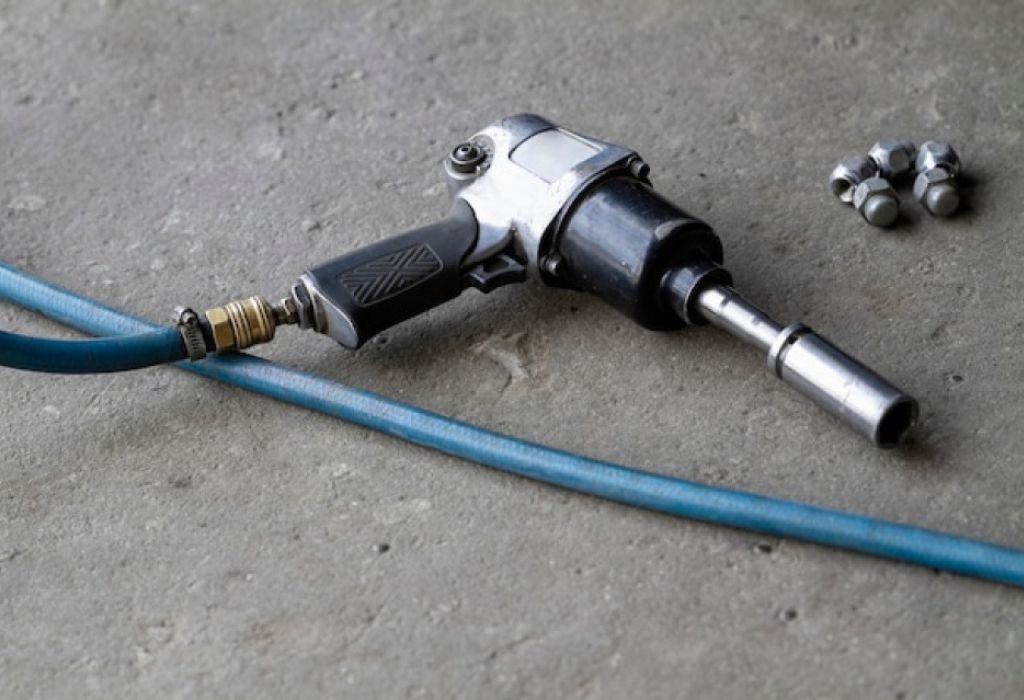
Even with the right size, safety comes first. Use PPE, stable footing, and hand torque for finishing. At height, tether tools to avoid dropped-object hazards.
Final torque method?
Always finish with a torque wrench.
Do tethers matter?
Yes, especially when working overhead.
Is PPE required?
Yes—gloves, safety glasses, and hearing protection.
Can impacts strip threads?
Yes, if torque is uncontrolled.
Are modes useful for safety?
Yes—low-speed modes prevent overtightening.
Buying Checklist—Quick Decision Flow
Start with job type, then match drive size, torque, retention style, and power source.
One-tool garage pick?
1/2-inch mid-torque.
Frequent engine work?
Add a 3/8-inch compact.
Heavy equipment service?
3/4-inch or 1-inch model.
Need fastest socket swaps?
Choose hog ring.
Need absolute socket security?
Choose pin detent.
Conclusion
The answer to what size impact wrench do I need depends on the job. A 1/2-inch mid-torque serves most DIY and automotive needs, while 3/8-inch excels in tight spaces and 3/4-inch dominates heavy-duty work.
The key is matching torque to task. With the right impact wrench, projects become faster, safer, and far less frustrating.

I’m Michael R. Turner, the founder, lead writer, and passionate DIY enthusiast behind 101diytools.com. With years of hands-on experience in home improvement and power tools, I built this platform to share practical tips, in-depth guides, and honest reviews to help DIYers of all skill levels tackle projects with confidence and the right tools.