What Size Impact Wrench for Lug Nuts Works Best
A stubborn lug nut can turn a simple tire change into a frustrating battle. Many drivers wonder what size impact wrench for lug nuts ensures quick removal without damaging studs or wheels.
Choosing the wrong size wastes time and risks injury. A 3/8-inch impact may lack the torque to free seized lugs, while oversized wrenches can over-torque and damage delicate wheel components.
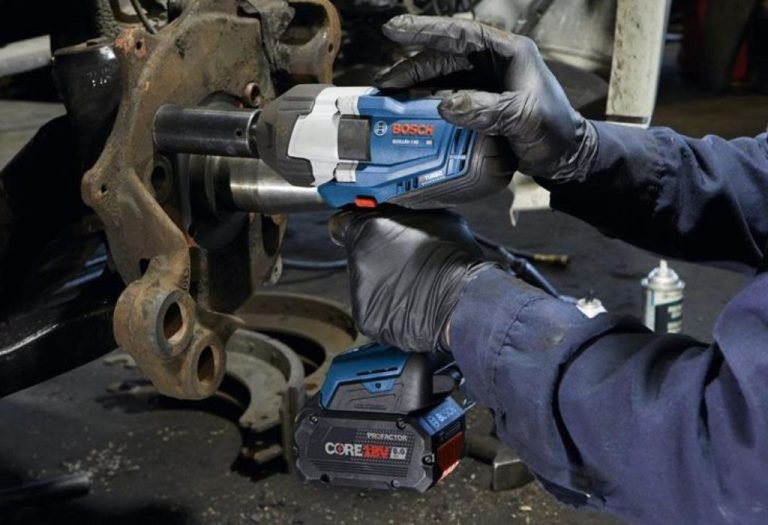
The standard choice for most vehicles is the 1/2-inch impact wrench. It provides enough breakaway torque for passenger cars and light trucks while offering a wide selection of impact-rated sockets.
Industry data shows lug nut torque requirements vary widely—80–100 ft-lb for cars and 100–140 ft-lb for light trucks (Firestone).
Heavier commercial vehicles may demand even more. Without the right wrench, reaching these levels safely becomes difficult.
Safety also plays a role. Over-torqued lug nuts can lead to stretched studs, warped brake rotors, or even wheel separation accidents on the road.
This guide breaks down wrench sizes, torque requirements, socket choices, and safety practices.
By the end, you’ll know exactly which impact wrench to trust for lug nuts—whether for a quick roadside change, weekend garage project, or professional shop service.
Quick Answer — What Size Impact Wrench for Lug Nuts?
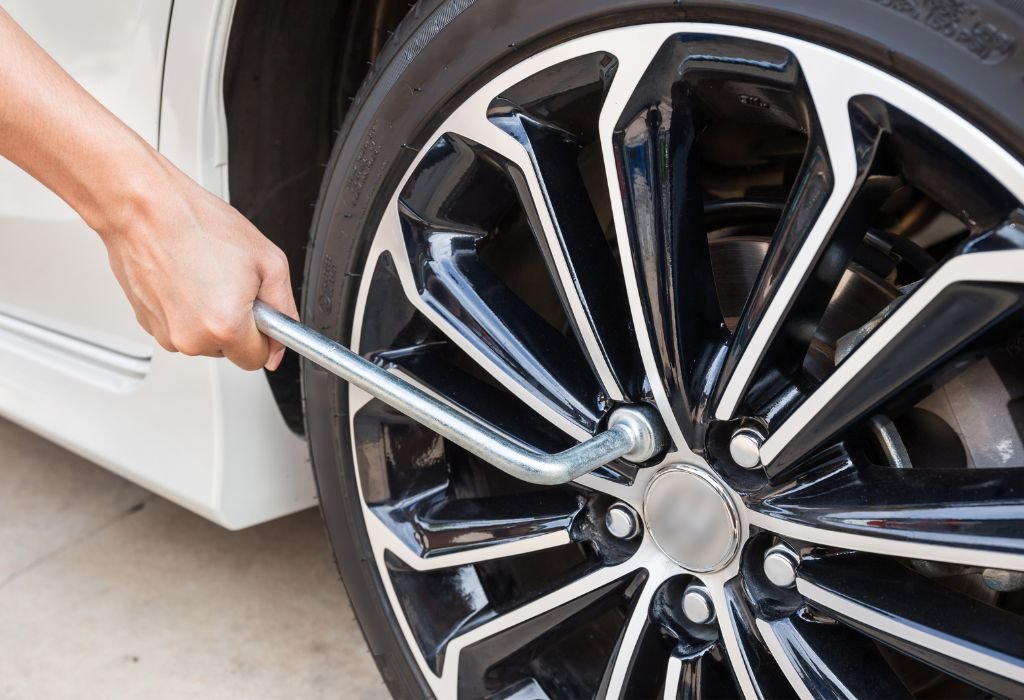
The best size impact wrench for lug nuts is a 1/2-inch model. It delivers the right balance of power, control, and socket availability for most cars and light trucks.
A mid-torque 1/2-inch impact wrench with 300–600 ft-lb breakaway torque handles nearly all passenger vehicles. For tougher jobs, a high-torque 1/2-inch impact rated at 800–1,200 ft-lb is ideal.
A 3/8-inch impact wrench may work for lightly torqued lugs but often struggles with rusted or shop-tightened nuts. Meanwhile, 3/4-inch and 1-inch impacts are generally reserved for heavy-duty trucks and commercial vehicles.
Always pair the impact wrench with impact-rated sockets and finish tightening with a torque wrench. This ensures safety and compliance with manufacturer torque specifications.
Will a 3/8-inch impact wrench remove lug nuts?
Sometimes, but it may not break free stubborn or over-torqued lugs.
Is a 1/2-inch wrench always enough?
Yes, it covers most cars, SUVs, and light trucks when using a quality tool.
When should I use a 3/4-inch or 1-inch impact?
For RVs, heavy-duty trucks, and large commercial vehicles with higher torque specs.
Are cordless models powerful enough?
Yes, modern 18V/20V cordless impacts can match or exceed pneumatic tools.
Should I tighten lug nuts fully with an impact wrench?
No, always finish with a torque wrench to prevent damage or unsafe clamping force.
Torque Basics — Why Wrench Size Matters
Torque is the rotational force applied to fasteners like lug nuts. Choosing the correct impact wrench size ensures you can meet the required torque without over-stressing components.
Lug nuts on cars often require 80–100 ft-lb, while light trucks and SUVs may need 100–140 ft-lb. Heavy-duty vehicles can exceed 200 ft-lb.
Using too small a tool means you can’t loosen stuck lugs. Using too large a tool risks over-tightening and damaging studs.
How much torque do car lugs need?
Most cars require 80–100 ft-lb.
Why not just tighten “as much as possible”?
Over-torque can stretch studs, crack wheels, or warp brake rotors.
Do sockets affect torque accuracy?
Yes, impact sockets flex slightly, but accuracy comes from finishing with a torque wrench.
What is a torque stick?
A torque-limiting extension that helps control tightening force.
Can an impact wrench measure torque?
No, it applies force but cannot measure torque—use a torque wrench for accuracy.
1/2″ Impact Wrench Options — Mid-Torque vs High-Torque
Mid-torque 1/2-inch impacts deliver around 300–600 ft-lb breakaway torque. They are lighter, easier to handle, and perfect for daily garage work.
High-torque 1/2-inch impacts can reach 800–1,200 ft-lb, making them ideal for rusted lugs or stubborn fasteners tightened by shop air guns.
Both use the same socket sets, but high-torque models are heavier and bulkier. Choosing depends on whether you prioritize portability or raw power.
Which is best for home use?
A mid-torque 1/2-inch impact is usually enough.
When should I consider high-torque?
If you deal with rust, seized lugs, or heavy trucks.
Are compact models worth it?
Yes, they fit in tight spaces but may sacrifice torque.
Brushless vs brushed motors?
Brushless are more efficient and longer-lasting.
Friction ring vs detent pin?
Friction ring swaps sockets quickly; detent pins hold sockets more securely.
Cordless vs Pneumatic — Power Sources
Cordless impact wrenches run on rechargeable 18V/20V batteries. They provide excellent torque, portability, and convenience.
Pneumatic impacts use compressed air, offering consistent power but requiring hoses, compressors, and regular oiling.
Cordless dominates for DIY and mobile work. Pneumatic still rules professional shops with heavy, continuous use.
Is cordless strong enough for lug nuts?
Yes, many cordless models exceed 800 ft-lb breakaway torque.
What compressor size is needed for air tools?
Match the tool’s CFM rating, usually 4–6 CFM at 90 PSI for 1/2-inch impacts.
Do batteries lose power in the cold?
Yes, keep packs warm for best results.
Air tool maintenance needed?
Yes, add pneumatic oil daily.
Which is cheaper long term?
Cordless for light use; pneumatic for shops with high volume.
Impact Sockets and Accessories
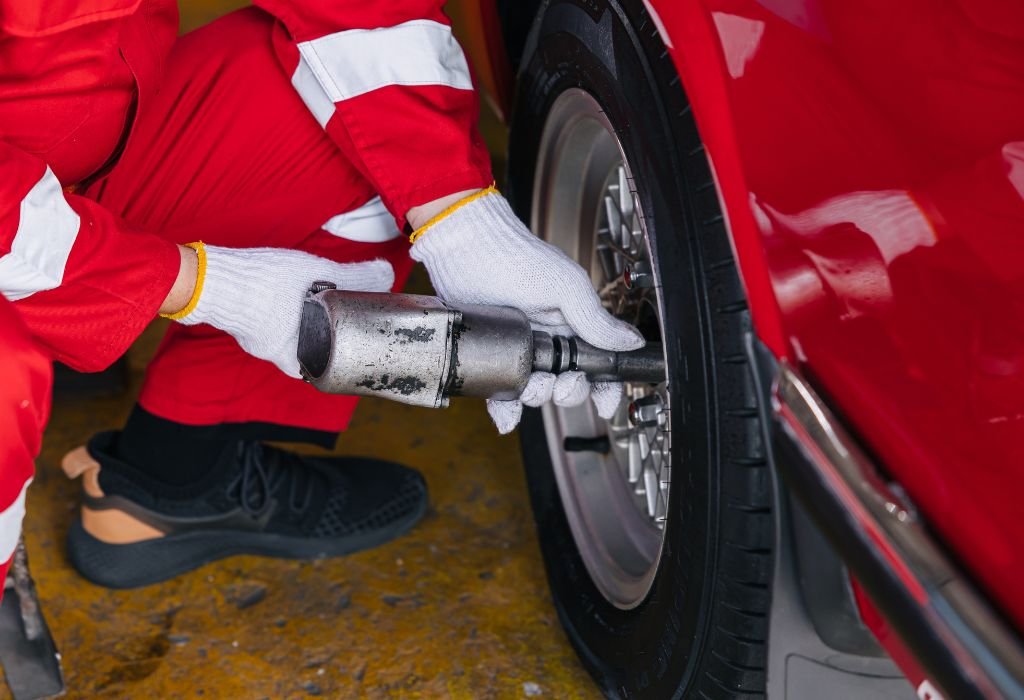
Always use impact-rated sockets for safety. Standard chrome sockets can shatter under repeated impacts.
Common lug nut sizes are 17mm, 19mm, 21mm, and 22mm. Thin-wall sockets protect alloy wheels, and torque sticks help prevent over-tightening.
Extensions and wobble joints add flexibility but can reduce torque slightly.
Can I use chrome sockets?
No, they may crack and cause injury.
What are the most common lug nut sizes?
19mm and 21mm for cars, but always confirm.
Are torque sticks accurate?
Yes, but always verify with a torque wrench.
Do long extensions reduce torque?
Yes, keep them short for stubborn lugs.
How do I protect alloy wheels?
Use non-marring thin-wall sockets.
Techniques for Stubborn Lug Nuts
Apply penetrating oil and give it time to soak. Use short bursts of power with the impact wrench instead of continuous hammering.
Rocking forward and reverse can help break rust bonds. For extreme cases, use heat or a breaker bar.
Avoid prolonged hammering that overheats studs and damages threads.
Does penetrating oil help?
Yes, allow 10–15 minutes to penetrate.
Should I alternate directions?
Yes, rocking back and forth helps.
Is heat safe?
Yes, but keep it localized to avoid wheel damage.
When to use a breaker bar?
If even a high-torque impact fails.
What if the lug nut is rounded?
Use a fluted removal socket.
Safe Installation Practices
Clean threads with a wire brush before reinstalling. Hand-start nuts, snug them with the impact on low, then finish with a torque wrench.
Always tighten in a cross-pattern to seat the wheel evenly. Re-check torque after 50–100 miles of driving.
Never use anti-seize unless specified, as it changes torque values.
Should I torque with an impact?
No, impacts cannot measure torque.
Why cross-pattern?
It prevents rotor warp and ensures even clamping.
Should I re-torque?
Yes, after 50–100 miles.
Use anti-seize?
Only if the vehicle manufacturer recommends it.
What about threadlocker?
Use only when OEM specifies.
Wrench Size by Vehicle Type
Passenger cars: 1/2-inch mid-torque is enough.
SUVs and light trucks: 1/2-inch high-torque recommended.
RVs and heavy-duty trucks: 3/4-inch or 1-inch impacts.
Trailers: 1/2-inch typically suffices.
Sports cars with alloy wheels?
Use thin-wall sockets and correct torque.
Lifted trucks with large tires?
1/2-inch high-torque or 3/4-inch.
Aftermarket wheels?
Follow manufacturer torque specs.
Electric vehicles?
Same requirements—check the manual.
Wheel spacers installed?
Re-check torque more frequently.
Safety Essentials
Always use jack stands and wheel chocks when working on vehicles. Wear gloves, eye protection, and hearing protection.
Keep hands, hair, and clothing clear of spinning sockets. Never rely on a hydraulic jack alone.
Work in a stable, well-lit area for maximum safety.
Can I loosen lugs before lifting the car?
Yes, crack them loose on the ground first.
Are impacts safe near fuel lines?
Avoid sparks and flammable areas.
Should gloves be worn?
Yes, they protect hands from injury.
Are left-hand threads possible?
Yes, on some older vehicles.
Children in the work area?
Keep them away at all times.
Troubleshooting When Lugs Won’t Move
If the wrench just clicks, check the battery, upgrade tools, or apply penetrating oil. Use heat carefully on the nut only.
As a last resort, switch to a breaker bar or nut splitter. Replace damaged studs immediately.
Never force a rounded nut with the wrong socket—it will only worsen the damage.
What if the socket slips?
Use the exact size or a removal socket.
What if a stud breaks?
Replace it before driving.
What if the rotor is stuck?
Address hub corrosion after removing the lugs.
Can threads be repaired?
Yes, chase with a die or replace parts as needed.
Still stuck?
Step up to a higher torque wrench or shop service.
Conclusion
The answer to what size impact wrench for lug nuts is clear. A 1/2-inch impact wrench is the most versatile and reliable choice for cars, SUVs, and light trucks.
Use mid-torque models for everyday needs and high-torque for rusted or oversized lugs. Larger 3/4-inch and 1-inch tools are reserved for heavy-duty vehicles.
Always pair impacts with proper sockets and finish tightening with a torque wrench. Safe, accurate torque keeps wheels secure and prevents costly damage.
By selecting the right impact wrench size and following best practices, you’ll save time, protect your vehicle, and work with confidence.

I’m Michael R. Turner, the founder, lead writer, and passionate DIY enthusiast behind 101diytools.com. With years of hands-on experience in home improvement and power tools, I built this platform to share practical tips, in-depth guides, and honest reviews to help DIYers of all skill levels tackle projects with confidence and the right tools.