How to Soften Leather Work Gloves and Make Them Last
A new pair of leather work gloves often feels stiff, tight, and unyielding. They protect hands but can cause blisters or reduce flexibility if not softened.
Workers across construction, farming, and industrial trades face the same challenge: how to break in gloves quickly without ruining them.
The key is balancing protection with comfort.
Leather is tough because of its natural fibers. Without the right care, gloves dry out, harden, and crack.
Over 70% of glove replacements happen due to stiffness, not tears (source).
Sunlight, heat, sweat, and water are the leading causes of leather damage.
Studies show leather can lose up to 25% of flexibility within weeks of UV exposure (source).
This guide explains how to soften leather work gloves with proven methods. From natural break-in techniques to conditioning oils and long-term maintenance, each step ensures gloves stay flexible, protective, and durable.
Why Leather Work Gloves Get Stiff
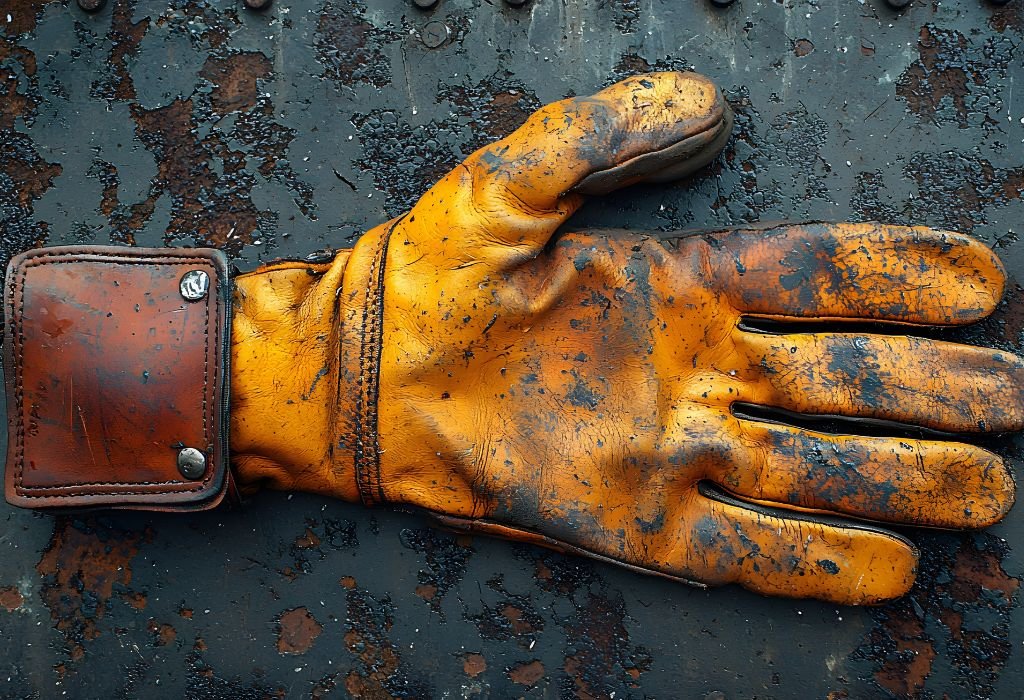
Leather stiffens when its natural oils evaporate or when exposed to water and chemicals. Salt from sweat accelerates fiber hardening.
Environmental stress like heat, direct sunlight, and storage in damp areas also worsen stiffness.
Why do leather work gloves stiffen over time?
Loss of oils and exposure to sweat or dirt.
Does sweat damage leather?
Yes, sweat introduces salt that dries fibers.
Can storage affect stiffness?
Yes, damp or sealed storage leads to hardening.
Will chemicals cause stiffness?
Yes, solvents strip natural oils.
Preparing Gloves Before Softening
Before applying oils or conditioners, gloves must be clean. Dirt blocks absorption and can scratch fibers.
Brush off debris or wipe gently with a damp cloth. Allow gloves to dry fully before softening.
Should gloves be cleaned first?
Yes, dirt prevents conditioning.
Can wet gloves be softened?
No, always dry them first.
Do I need special tools?
No, just a brush and mild soap.
How dry should gloves be?
Completely, to avoid sealing in moisture.
Natural Methods to Soften Leather Gloves
Leather softens naturally through regular use. Wearing gloves daily flexes fibers and shapes them to hands.
Gentle bending and stretching accelerate the break-in period without chemicals.
Will gloves soften by use alone?
Yes, though it takes time.
Is bending fingers safe?
Yes, it loosens fibers gradually.
How long does softening take naturally?
Weeks of regular use.
Do natural methods damage leather?
No, they are the safest option.
Conditioning Leather Gloves—The Key Step
Conditioning restores oils that leather loses over time. Products like neatsfoot oil, mink oil, and lanolin-based creams are most effective.
Apply conditioner in thin layers using a soft cloth. Massage it into the leather, then let gloves rest overnight.
Which oils are best?
Neatsfoot, mink, or lanolin-based products.
How often should gloves be conditioned?
After cleaning or when stiffness appears.
Can too much oil harm gloves?
Yes, over-conditioning attracts dirt.
Should gloves rest after conditioning?
Yes, to let oils absorb fully.
Household Remedies for Softening Gloves
When commercial products aren’t available, common items can help. Olive oil, coconut oil, or beeswax provide moisture and flexibility.
These methods are effective but may darken leather or leave residue. Always test on a small area first.
Can olive oil soften gloves?
Yes, but it may darken them.
Is coconut oil safe?
Yes, in small amounts.
Does beeswax help?
Yes, it softens and lightly waterproofs.
Do household oils last as long as conditioners?
No, they wear off faster.
Commercial Leather Conditioners
Professional conditioners offer balanced formulas that protect longer. Popular options include Lexol, Leather Honey, and Obenauf’s.
They penetrate deeply, soften evenly, and extend glove lifespan by years.
Are conditioners better than home oils?
Yes, they balance moisture and protection.
Do they cost more?
Yes, but they last longer.
How are they applied?
Rub evenly with a cloth.
Do they change glove color?
Slightly, but less than natural oils.
Breaking In New Leather Work Gloves
New gloves can feel stiff and restrictive. Wearing them with liners reduces friction while breaking them in.
Light conditioning early speeds up the process, making gloves usable within days.
Do new gloves always feel stiff?
Yes, until shaped by use.
Can soaking break them in faster?
No, water causes shrinkage.
Should new gloves be conditioned right away?
Yes, but apply lightly.
How long does breaking in take?
Usually one to two weeks.
Mistakes to Avoid When Softening Gloves
Certain shortcuts cause permanent damage. Heat drying, hot water, or solvents weaken fibers and shrink leather.
Machine drying is one of the fastest ways to ruin gloves.
Can heat soften gloves?
No, it cracks leather.
Will alcohol soften leather?
No, it dries fibers.
Is machine drying safe?
Never, it causes shrinkage.
Can gloves be microwaved?
No, extreme heat destroys leather.
Long-Term Maintenance for Soft, Durable Gloves
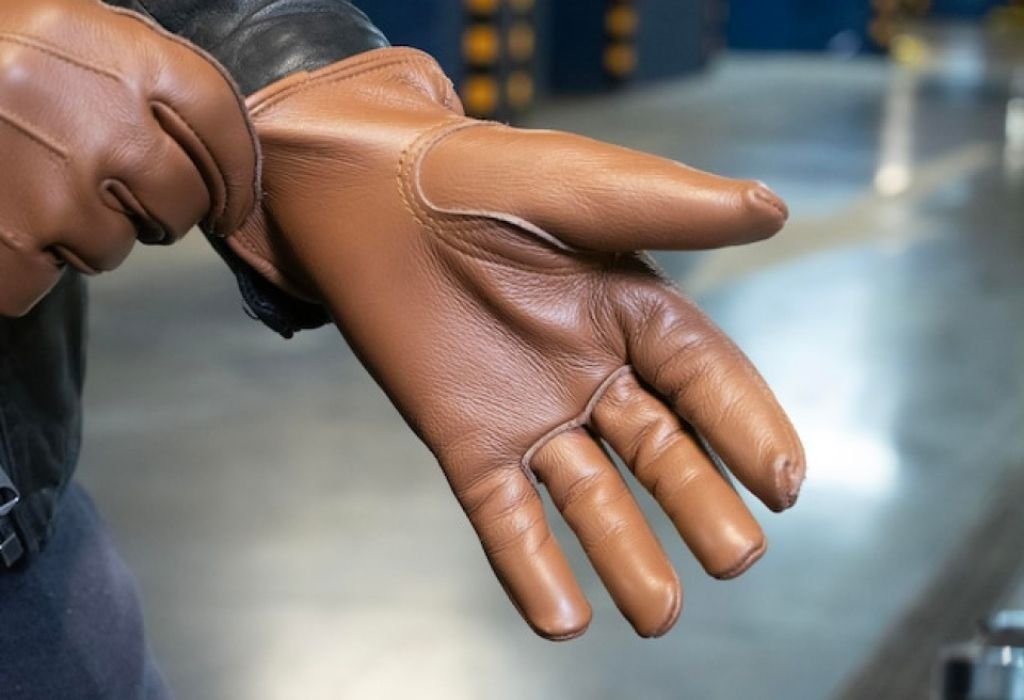
Softening is not a one-time task. Regular cleaning, conditioning, and proper storage keep gloves flexible.
Storing gloves in breathable cotton bags prevents mildew and stiffness.
How often should gloves be cleaned?
After heavy use or exposure to dirt.
Do they need monthly conditioning?
Yes, if worn daily.
What’s the best storage method?
Cool, dry, ventilated spaces.
Should gloves be rotated?
Yes, alternating pairs extends life.
Future Trends in Leather Glove Care
Modern work gloves use pre-softened leathers or hybrid materials for flexibility.
Waterproof coatings and synthetic blends are reducing break-in times.
Are pre-softened gloves available?
Yes, from many brands.
Do hybrids last longer?
Often yes, with less maintenance.
Will natural leather still be used?
Yes, for durability and feel.
Do coatings reduce care needs?
Yes, but gloves still need upkeep.
Conclusion
Knowing how to soften leather work gloves saves money and protects hands. The safest method is a mix of cleaning, conditioning, and regular use.
Avoid heat and chemicals, rely on oils or conditioners, and store gloves properly. With consistent care, leather gloves stay flexible and reliable for years of work.

I’m Michael R. Turner, the founder, lead writer, and passionate DIY enthusiast behind 101diytools.com. With years of hands-on experience in home improvement and power tools, I built this platform to share practical tips, in-depth guides, and honest reviews to help DIYers of all skill levels tackle projects with confidence and the right tools.