How to Clean Smelly Work Gloves and Remove Odors Fast
A long day on the job often ends with gloves tossed aside, only to greet you the next morning with an unpleasant odor.
That sour, sweaty smell makes even the toughest gloves hard to wear and can spread to your gear bag or truck cab.
The problem is simple: gloves trap sweat, dirt, and bacteria in their lining. Warm, moist conditions inside the glove create the perfect environment for odor-causing microbes to thrive. Without proper cleaning, the smell only intensifies over time.
It isn’t just about comfort. Smelly work gloves can shorten their lifespan as trapped bacteria break down fibers and lining materials.
Over time, this means more frequent replacements and higher costs for workers.
Studies show that sweat itself is odorless, but once bacteria feed on sweat compounds, they release volatile molecules responsible for strong smells (Healthline, Cleveland Clinic).
This makes cleaning essential for both hygiene and glove preservation.
The good news is that odors can be removed safely with the right methods. Simple household items like baking soda, vinegar, or activated charcoal can neutralize smells.
For deeper cleaning, machine washing synthetic gloves or hand-cleaning leather gloves with saddle soap restores freshness without damage.
This guide explains step by step how to clean smelly work gloves based on material type, from quick deodorizing tricks to full deep-clean routines.
You’ll also learn drying techniques, odor-prevention tips, and when it’s time to replace gloves for safety.
Why Work Gloves Smell (Sweat, Bacteria, and Trapped Moisture)

Work gloves don’t just get dirty from the outside. The real odor problem comes from the inside, where sweat and skin oils soak into the lining.
Sweat itself has no smell. Odor develops when bacteria break down sweat compounds and release strong-smelling molecules.
Thick glove liners and foams trap this moisture for hours. Without full drying, bacteria multiply quickly in the warm, damp environment.
Different glove materials hold odor differently. Synthetic fabrics often trap more moisture than smooth leather, which absorbs less but can develop mildew if not cared for.
What actually causes the stink?
Bacteria feeding on sweat and oils release odor molecules.
Do leather gloves smell the same as synthetics?
Not exactly—synthetics trap more sweat, while leather risks musty mildew.
Can sunshine reduce the smell?
A little UV exposure helps kill microbes, but overexposure can damage leather and fabrics.
Is mold a common cause?
Yes, if gloves stay damp too long, mildew and mold can grow inside.
Does handwashing reduce bacteria buildup?
Yes, washing hands before wearing gloves lowers sweat and bacteria transfer.
Quick Deodorizing Methods (5–15 Minutes of Hands-On Time)
Sometimes you need a fast fix. Quick deodorizing methods refresh gloves overnight or between shifts.
The most common trick is baking soda. Sprinkle it inside gloves, leave overnight, then shake it out to remove odors.
Vinegar spray also works well. Mix equal parts white vinegar and water, spritz the inside, wait a few minutes, and let the gloves air-dry fully.
Activated charcoal is another solution. Place small charcoal bags or sachets inside each glove to absorb smells while they rest.
Airflow is essential. Simply leaving gloves open in a well-ventilated space prevents odor buildup.
Does baking soda really work?
Yes, it absorbs acidic odor molecules and neutralizes smells.
Is vinegar safe on all gloves?
It’s safe for most synthetics, but always dilute and avoid soaking leather.
Can dryer heat kill odor?
High heat damages adhesives and fabrics—always air-dry.
Do charcoal inserts remove odor fully?
They work best for maintenance, not for deep cleaning.
Will sunlight freshen gloves?
Brief exposure helps, but avoid long direct sun on leather.
Deep-Clean by Material (Monthly or for Heavy Odor)
Every glove material needs a different cleaning method. Using the wrong approach can ruin fit, strength, or protection.
Synthetic / Mechanic Gloves
Most synthetic gloves are safe for machine washing. Use cold water, mild detergent, and a gentle cycle.
Put gloves in a laundry bag to reduce wear. Air-dry them flat—never use high heat.
Can you use fabric softener?
No, it leaves residue that traps odor.
Do they shrink in hot water?
Yes, synthetics can warp or stiffen.
What removes deep odor?
Add a vinegar rinse cycle for stubborn smells.
How often should they be washed?
Every 1–2 weeks with heavy use.
Can you speed dry?
Use a fan, never a dryer.
Leather Work Gloves
Leather requires gentle cleaning. Use saddle soap or Castile soap on a damp cloth, wipe, and never soak.
After cleaning, always air-dry away from heat. Once dry, apply conditioner to keep the leather supple.
Can leather be machine-washed?
No, soaking ruins its fibers.
Why condition after cleaning?
It restores oils lost during washing.
Can baking soda be used?
Yes, sprinkle lightly inside and shake out.
What about mildew odor?
Use enzyme cleaners sparingly, then condition.
Does leather crack without care?
Yes, neglect leads to stiffness and cracks.
Rubber, Latex, and Nitrile Gloves
Reusable rubber or nitrile gloves are easiest to clean. Wash by hand with mild dish soap and warm water.
Rinse thoroughly and air-dry inside out. Avoid bleach or solvents, which degrade the material.
Can hot water be used?
No, high heat weakens the material.
Do they need deodorizing?
Yes, use vinegar rinse or baking soda dusting.
How should they be dried?
Inside-out with good airflow.
Should you powder them?
Yes, a light dusting prevents moisture buildup.
Can they last longer with care?
Yes, proper cleaning prevents cracking and odor.
Drying That Actually Prevents Odor
Drying is as important as washing. Gloves that stay damp always smell worse.
The best method is air-drying in a ventilated space. Clip them by the cuffs with palms open to allow airflow.
For leather, stuff the inside with paper towels. Replace them as they wick moisture out.
Fans or boot dryers on a no-heat setting speed up the process. Avoid clothes dryers and radiators.
Can gloves be dried in the sun?
Yes, but avoid long exposure for leather.
How do you dry lined gloves?
Turn them inside out halfway through.
What if gloves still feel damp?
Repeat airflow drying until fully dry.
Does airflow matter?
Yes, moving air prevents bacteria regrowth.
Why avoid dryers?
Heat shrinks, warps, or cracks most gloves.
Prevention: Keep Gloves from Getting Smelly Again
Prevention saves time and effort. Rotate multiple pairs to allow drying between uses.
Wear glove liners to absorb sweat. Liners can be washed daily, keeping gloves fresher longer.
After shifts, spritz the inside lightly with vinegar spray or insert charcoal bags. Always store in open air, not sealed bags.
Should gloves be stored in vehicles?
Avoid hot closed spaces like truck cabs.
Do liners really help?
Yes, they keep sweat away from glove interiors.
How often should gloves be cleaned?
Light deodorizing weekly, deep-clean monthly.
Can antimicrobial sprays work?
Yes, but use sparingly to avoid residue.
Why not store in sealed bags?
Moisture gets trapped and bacteria multiply.
Spot-Specific Fixes (Oil, Gas, and Mold Odors)
Some odors need targeted fixes. Oil and grease can be treated with dish soap paste on synthetics or saddle soap on leather.
Gasoline or chemical smells require airing out outdoors with charcoal inserts. Moldy gloves may need enzyme cleaner treatment plus conditioning.
Does bleach kill mold?
Yes, but it ruins glove fibers—avoid it.
What works for gas smells?
Charcoal absorbs fumes over time.
Can lemon juice help?
Yes, but test first on colored fabrics.
When should gloves be replaced?
If seams fail or odor persists after two deep cleans.
Are chemical odors removable?
Mild ones yes, heavy fuel odors often linger permanently.
Material Cheat-Sheet
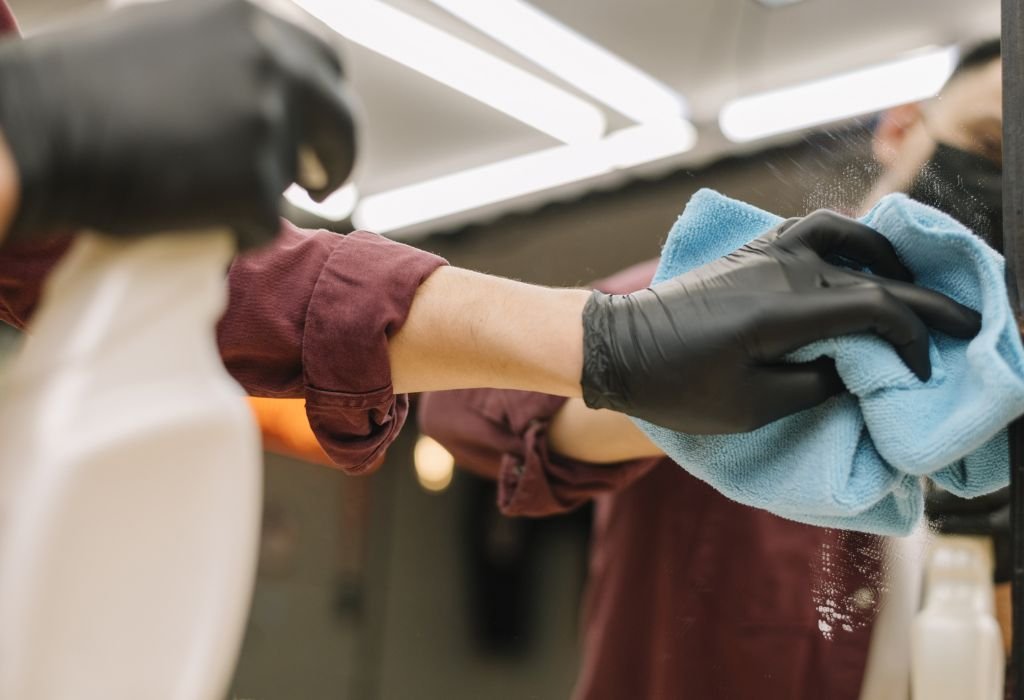
Synthetic gloves: Machine wash cold, mild detergent, air-dry.
Leather gloves: Hand clean with saddle soap, condition after.
Rubber/nitrile gloves: Wash with dish soap, air-dry inside out.
One method for all gloves?
No, each material needs its own approach.
Can leather go in a washer?
Never—hand wash only.
Do synthetics handle washing better?
Yes, most are designed for cold machine washes.
Can leather use vinegar rinse?
Only lightly, followed by conditioning.
Which type lasts longest?
Leather when conditioned, synthetics when washed regularly.
Conclusion — The 3-Step Routine That Works
Cleaning smelly gloves doesn’t have to be complicated. The key is to wash properly, deodorize safely, and dry completely.
Baking soda, vinegar, and charcoal handle everyday odors. Material-specific cleaning protects the structure of leather, synthetic, or rubber gloves.
Prevention is the final step. Rotate pairs, use liners, and keep gloves ventilated after every use.
What’s the fastest way to clean smelly gloves?
Baking soda overnight or vinegar spritz with air-drying.
Can gloves be saved after strong odors?
Yes, most can—except for deeply soaked fuel or mold cases.
What’s the golden rule?
Never trap moisture, and always air-dry.
By following these steps, you’ll always know how to clean smelly work gloves quickly, safely, and effectively.

I’m Michael R. Turner, the founder, lead writer, and passionate DIY enthusiast behind 101diytools.com. With years of hands-on experience in home improvement and power tools, I built this platform to share practical tips, in-depth guides, and honest reviews to help DIYers of all skill levels tackle projects with confidence and the right tools.