Which Rivets for Plastic: A Simple Guide for Beginners
Figuring out which rivets for plastic can feel tricky when you’re starting a project. There are so many kinds, and it’s easy to get confused! Don’t worry, lots of people find this area a bit challenging. This guide will make it super easy. We’ll break down the different types of rivets, what they’re good for, and how to pick the right one. Get ready to explore the basics and learn how to make your plastic projects strong.
What Are Rivets and Why Use Them With Plastic?
Rivets are basically tiny fasteners used to join two or more pieces of material together. They’re super common in manufacturing and DIY projects. When it comes to plastic, rivets offer a reliable way to create strong connections without using adhesives or welding, which can sometimes be messy or damage the material. Choosing the right rivet is really important to ensure the connection is secure and lasts a long time.
Types of Rivets for Plastic
There are several types of rivets, each with its own specific features. Understanding these differences will help you choose the best option for your project. The main types you’ll encounter are: solid rivets, blind rivets (also known as pop rivets), drive rivets, and plastic rivets. Each has unique characteristics that make it suitable for different applications.
-
- Solid Rivets: These are the classic rivets. They consist of a solid, cylindrical shaft with a head. They are inserted through pre-drilled holes in the materials to be joined. The tail is then deformed or “set” using a tool like a hammer and a rivet set. This process expands the rivet, creating a tight, permanent joint. Solid rivets are very strong and reliable, and are commonly made of steel or aluminum. However, they need access from both sides of the material, which can be a limitation for some projects. They are frequently used in aerospace and construction for their strength and resistance to vibration.
Solid rivets are best for projects that require a high degree of strength and where both sides of the plastic are accessible. Due to their simple design and strong construction, solid rivets provide a secure bond.
-
- Blind Rivets (Pop Rivets): Blind rivets are also known as pop rivets because of the “popping” sound they make during installation. They are designed to be installed from one side of the material, making them ideal for situations where you can’t reach the back. A blind rivet consists of a hollow rivet body and a mandrel (a nail-like pin). You insert the rivet into a pre-drilled hole, then use a special rivet tool to pull the mandrel. This action causes the rivet body to expand, forming a bulge on the hidden side and clamping the materials together.
Blind rivets are excellent for general-purpose applications where one-sided access is needed. They are relatively easy to install, which makes them a popular choice for beginners.
-
- Drive Rivets: Drive rivets are another one-sided option, designed for quick installation. They consist of a rivet body with a protruding pin. You insert the rivet into a pre-drilled hole and then tap the pin to expand the rivet body. This expands the rivet body and secures the materials. They’re often used in light-duty applications, such as assembling plastic enclosures or attaching panels. The installation is fast and doesn’t require special tools, which makes them suitable for mass production.
Drive rivets are a quick and cost-effective solution for various projects. They are suitable for joining thinner materials where a strong, permanent bond is required. Their ease of use makes them attractive for mass production and DIY enthusiasts.
-
- Plastic Rivets: These rivets are made from plastic materials like nylon or acetal. They’re commonly used for joining plastic components together. Plastic rivets are known for their corrosion resistance, making them ideal for outdoor or wet environments. They come in various designs, including push-in rivets, which have a flexible body that expands when inserted, and snap-in rivets, which have a locking mechanism.
Plastic rivets offer a combination of strength, flexibility, and resistance to environmental factors. They are excellent for joining different types of plastics, and their non-conductive nature makes them suitable for electrical applications.
Choosing the Right Rivet for Your Project
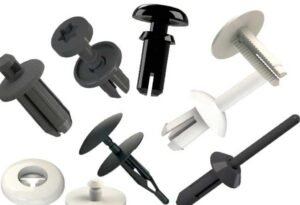
Picking the correct rivet for your plastic project depends on several factors. Considering these aspects will help you achieve the best possible result, including the type of plastic, the thickness, and the environment the finished product will be used in. You also need to consider the load the joint will be subjected to, as well as aesthetic considerations.
Factors to Consider: Plastic Type and Thickness
Different plastics have different characteristics. Some are harder and more brittle, while others are softer and more flexible. The type of plastic will influence the kind of rivet you should select. The thickness of the plastic is also a key factor. Too short, and the rivet won’t secure properly; too long, and it might damage the material or create a weak joint. Ensuring you choose the appropriate rivet size and material is crucial for a strong, long-lasting connection.
-
- Plastic Type: Different plastics require different approaches. For example, rigid plastics like acrylic or polycarbonate may need more careful handling than flexible plastics like polyethylene or polypropylene. Plastic rivets often work well with various plastic types. Knowing the type of plastic helps you choose a rivet that won’t damage it.
The type of plastic impacts everything from hole preparation to the method used to set the rivet. Using the right rivet material is essential to avoid cracking or weakening the plastic.
-
- Plastic Thickness: This impacts the rivet length. Too short, and the connection will fail; too long, and you might cause issues. Always measure the thickness carefully before selecting your rivets. Using rivets of the proper length will ensure a snug fit and increase the strength of the finished product.
The thickness of the plastic is a core factor when determining the length of the rivet needed. Correct measurement is crucial for choosing the right rivet and ensuring a good fit.
Environmental Conditions and Load Requirements
Where your project will be used matters! If it’s outside or in a wet area, you’ll need rivets that won’t rust or corrode. If the joint will experience stress or movement, you’ll require a rivet that can withstand it. These factors influence not only the type of rivet, but also the rivet material. When choosing a rivet, you have to also consider the environment it will be used in and how much weight or force it needs to withstand.
-
- Environmental Conditions: Will your project be exposed to weather, chemicals, or extreme temperatures? If so, corrosion-resistant rivets, such as plastic rivets or those made from stainless steel, are a smart choice. These materials resist corrosion and keep your joint strong in tough conditions. Choosing the right material ensures the integrity of the connection.
Selecting the right rivet material for the project’s environment is crucial. This helps maintain the connection’s strength and reliability over time.
-
- Load Requirements: How much weight or force will the joint need to handle? For heavy-duty applications, solid or structural rivets, made from materials like steel or aluminum, are ideal. If the joint doesn’t need to support much weight, a lighter-duty rivet, such as a drive rivet or plastic rivet, may be sufficient.
Considering the load that the joint will be subjected to will help you choose rivets that have the right strength characteristics for your project, ensuring the structure’s safety and durability.
Step-by-Step Guide to Installing Rivets in Plastic
Installing rivets in plastic doesn’t have to be hard. With the right tools and a bit of practice, you can get professional-looking results. Here’s a detailed guide to walk you through the process, from preparing the plastic to setting the rivet.
Preparing the Plastic for Rivets
Proper preparation is key. This includes selecting the right drill bit and drilling the perfect holes for your rivets. The goal is to create holes that are the correct size and location. This ensures the rivets fit snugly without causing stress to the plastic. Taking your time during this step will result in a more secure and stable joint.
-
- Marking and Drilling Holes: Mark the spots where you want the rivets to go. Use a drill bit that’s the right size for the rivet you’ve chosen. A slightly snug fit is what you want. Drill slowly and steadily to avoid cracking the plastic. If you are joining multiple pieces, make sure you align and drill through all the pieces at once.
Carefully measuring and aligning the holes is very important to make sure everything fits together. Accurate hole placement results in a more sturdy bond.
-
- Hole Preparation: Clean up any rough edges around the holes with a deburring tool. This will help the rivet sit flush. Use a countersink bit if you want the rivet head to sit flush with the plastic surface. A nice finish will give your project a professional look.
Deburring and countersinking improve the look of the project and also helps to create a more robust connection. These steps eliminate any rough edges that might interfere with the rivet’s fit.
Installing Different Types of Rivets
The method for installing rivets depends on the type you are using. Solid rivets require a hammer and a rivet set. Blind rivets need a special tool that pulls the mandrel. Drive rivets can be installed with a hammer. Following the correct installation method will secure the joint and ensure its longevity. The key is to apply consistent pressure or force to the rivet, ensuring it expands and locks the materials together.
-
- Solid Rivet Installation: Insert the rivet into the pre-drilled holes, then place a rivet set over the head of the rivet and tap with a hammer until it expands the tail.
Solid rivets deliver a dependable bond that works best in situations where both sides of the material are available. Using a rivet set protects the rivet and ensures that the material is correctly deformed.
-
- Blind Rivet Installation: Insert the rivet into the holes and use a rivet tool to pull the mandrel. This deforms the rivet and secures the parts. Make sure the rivet is fully expanded before letting go of the tool.
Blind rivets are perfect for one-sided projects. The rivet tool ensures the mandrel is properly pulled, providing a robust connection even when the backside of the work isn’t accessible.
-
- Drive Rivet Installation: Place the drive rivet in the hole and tap the pin with a hammer. Ensure the pin is fully the design doesn’t call for a flush finish.
Drive rivets are easy to install, which makes them ideal for rapid assembly. Applying consistent force ensures the rivet expands and creates a tight bond between the materials.
-
- Plastic Rivet Installation: corrosion resistance is important.
Plastic rivets offer a simple and fast way to securely fasten plastic components. Their easy-to-use design is perfect for quick assembly and general projects.
Troubleshooting Common Issues
Sometimes, things don’t go perfectly, and problems can arise when using rivets. Recognizing these problems and knowing how to fix them will help you improve your work. These tips will help you quickly solve any issues and get back to your project.
-
- Rivet Not Setting Properly: If the rivet isn’t expanding, it could be the wrong size, or you might not be applying enough pressure. Double-check your rivet size. If it’s right, try applying more force or adjusting your tool. If using a blind rivet, ensure the mandrel is fully seated.
Troubleshooting is part of any project. Proper rivet selection and the correct use of tools can solve most issues. By carefully examining the situation, you can quickly find a solution that works.
-
- Cracked Plastic: This is often caused by using too large a rivet or drilling holes that are too small. Always choose the correct rivet size. Drill the holes carefully and deburr them. A proper fit is key to avoiding this issue.
Cracking plastic often arises from using the incorrect size rivet. The proper steps can stop these issues from happening and secure the bond.
-
- Loose Rivets: This can happen if the hole is too big, or if the rivet is not fully set. Make sure the rivet fits snugly. Double-check your installation technique. A tight fit and careful installation are essential.
When rivets become loose, it’s usually due to improper sizing or installation. Inspecting the rivet and adjusting the approach can solve the problem and improve the bond.
According to research, the global rivet market size was valued at USD 1.34 billion in 2022 and is projected to reach USD 1.77 billion by 2030, which indicates a growing demand for rivets in multiple industries. This growth is driven by the advantages that rivets offer, such as their strength, ease of use, and cost-effectiveness compared to other fastening methods.
| Feature | Rivets | Other Fastening Methods (e.g., Screws, Adhesives) |
|---|---|---|
| Strength | Generally, high, especially for solid rivets. | Varies; some screws are very strong, adhesives may vary. |
| Ease of Installation | Can be very quick, especially with blind and drive rivets. | Varies; screws can be fast, adhesives require prep and cure time. |
| Cost | Generally, cost-effective, especially in high volumes. | Can be higher due to material costs and labor. |
| Durability | Very durable, resistant to vibration and stress. | Can be susceptible to vibration loosening (screws), or degradation over time (adhesives). |
Frequently Asked Questions
Question: What’s the best type of rivet for thin plastic sheets?
Answer: Blind rivets or drive rivets are great for thin plastic sheets, as they can provide a secure attachment without requiring access to the back of the material.
Question: How do I know what size rivet to use?
Answer: Measure the thickness of the materials you’re joining. The rivet length should be slightly longer than the combined thickness, ensuring proper expansion.
Question: What tool do I need to install pop rivets?
Answer: You’ll need a rivet tool, also known as a rivet gun. These tools are designed to pull the mandrel of the rivet, causing it to expand and secure the joint.
Question: Can I remove a rivet if I make a mistake?
Answer: Removing a rivet is possible. You can drill out the head of the rivet and then use a punch to remove the remaining part.
Question: Are plastic rivets stronger than metal rivets?
Answer: Metal rivets generally offer more strength for structural applications. However, plastic rivets are excellent for specific plastics and environments due to their corrosion resistance and electrical insulation properties.
Final Thoughts
Choosing the right rivets for plastic projects is a skill that comes with practice. Now you have the basics, you’re ready to start fastening! Remember to think about the type of plastic, the thickness, and the environment the project will live in. Don’t worry if it’s not perfect the first time. The key is to experiment and learn from each project. With each attempt, you’ll become more confident in your choices. So, grab some rivets, choose your plastic, and get started. Your next project awaits!

I’m Michael R. Turner, the founder, lead writer, and passionate DIY enthusiast behind 101diytools.com. With years of hands-on experience in home improvement and power tools, I built this platform to share practical tips, in-depth guides, and honest reviews to help DIYers of all skill levels tackle projects with confidence and the right tools.