How to Clean Leather Work Gloves Without Damaging Them
Rain dried to a crust of salt and mud across a pair of leather work gloves after a long weekend. A quick scrub under hot water left them stiff, shrunken, and rough.
This is a common fate for leather when the wrong cleaning method is used. The goal is to remove grime while keeping natural oils intact and the fit unchanged.
Many glove makers warn against hot water, wringing, and machine drying because heat strips oils and distorts fibers. Their guidance emphasizes gentle hand cleaning, reshaping, and air drying to protect structure.
Some PPE sources permit delicate cold-cycle washing for certain leather-fabric hybrids. Yet all insist on no tumble drying and careful air drying, which explains why one pair survives while another fails.
Dry-cleaning solvents are also risky. They can extract tanning oils and leave gloves brittle and stiff.
Salt and mildew create unique problems for outdoor trades. A mild vinegar solution lifts salt stains, while diluted alcohol can help clean mildew if followed by thorough drying and conditioning.
This guide explains how to clean leather work gloves without damaging them using simple routines. Readers will learn safe hand washing, spot cleaning, drying, conditioning, and storage to keep gloves supple and ready for the next shift.
Know Your Leather—Grain, Linings, and Stitching
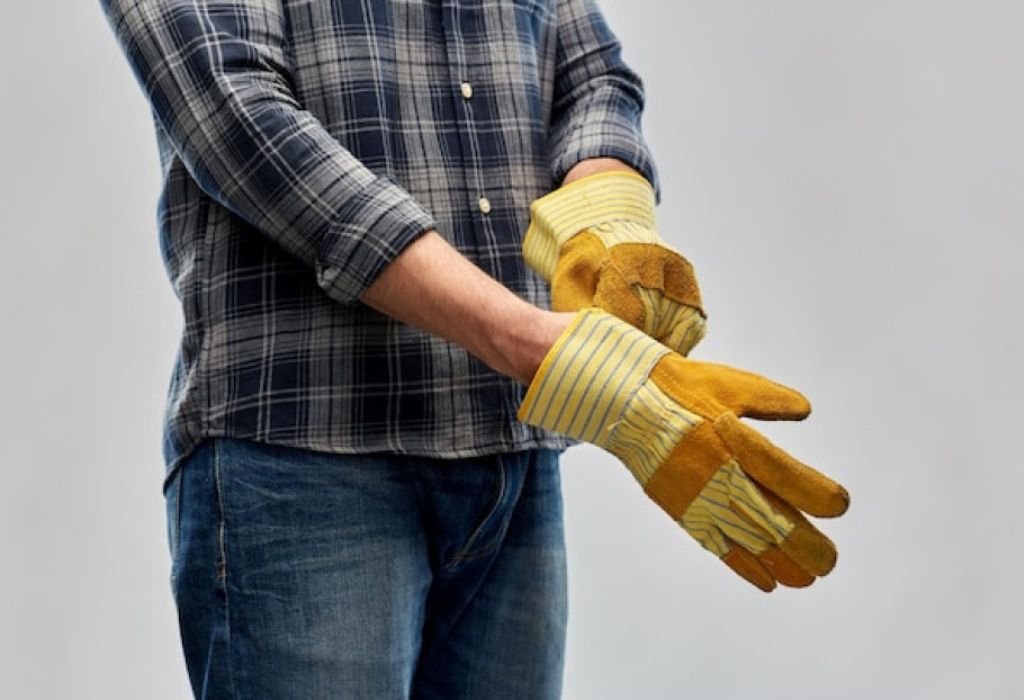
Leather gloves are not all the same. Full-grain, split leather, and suede each respond differently to water and soap.
Linings such as wool, cotton, or synthetics add another layer of care. Some linings can be turned inside out, while others cannot.
Stitching strength also affects cleaning tolerance. Strong seams handle damp cloth cleaning, but weak stitching can open if soaked.
Are all leather work gloves cleaned the same way?
No. Grain type, tanning, and lining require different care.
Do lined gloves need special treatment?
Yes. Linings may need separate or inside-out cleaning.
Can suede gloves be cleaned like smooth leather?
No. Suede requires brushes and minimal water.
What about hybrid gloves with fabric backs?
Clean leather sections by hand and wash fabric per label.
Daily Dirt Removal—The Dry Prep That Prevents Scratches
Dirt and grit grind into leather during cleaning. Always brush or wipe gloves before introducing soap or water.
A soft cloth, shoe brush, or compressed air works well for seams and fingertips. Wearing gloves during this step helps reach creases.
This step prevents scratches and sets the stage for safe deeper cleaning.
Why remove grit first?
Because grit scratches when rubbed with moisture.
Should gloves be worn while cleaning?
Yes. It helps reach folds and maintains shape.
Is compressed air useful?
Yes. It clears seams without wetting leather.
What tool is safest for brushing?
A soft-bristle brush prevents scuffs.
The Safe Hand-Wash Routine
Hand washing is the safest method for most leather gloves. Use lukewarm water with mild soap or saddle soap.
Wear gloves during washing to work soap into creases. Avoid soaking, as full immersion strips oils.
After washing, rinse lightly. Pat dry with a towel, reshape, and air dry away from heat or sunlight.
What temperature is safe?
Lukewarm or cold water protects leather.
Which soaps work best?
Mild soap, Castile, or saddle soap.
Can gloves be submerged?
No. Avoid soaking to prevent stiffness.
Why not wring gloves?
Wringing cracks fibers and ruins fit.
How to maintain shape?
Wear briefly while drying, then stuff with paper.
Spot-Cleaning Stains—Grease, Paint, Ink, and Odor
Different stains require different treatments. Grease lifts with cornstarch or talc, then mild soap.
Water-based paint wipes off while fresh, but oil paint may need pro cleaners. Ink stains are often permanent.
Odors can be reduced with a cloth dipped in diluted vinegar. Always air dry thoroughly after treatment.
How to handle grease stains?
Absorb first with cornstarch, then wipe.
Can ink be removed from leather?
Rarely. Professional care may be needed.
How to deal with odors?
Wipe lining with diluted vinegar and air dry.
What about resin or tar?
Freeze and chip off gently.
Mold, Mildew, and Salt
Mildew requires quick action. Wipe surfaces with diluted alcohol or vinegar, then rinse lightly and dry fully.
Salt stains leave white marks and stiff leather. A diluted vinegar solution helps lift salt and restore balance.
Both issues require conditioning afterward to restore oils.
Is vinegar or alcohol better for mildew?
Both work, but alcohol is often preferred.
Will vinegar kill mold inside leather?
It can reduce surface spores when followed by airflow.
What ratio works for salt stains?
A mild water-to-vinegar mix, tested first.
Should gloves be conditioned after?
Yes. Salt and mildew dry out leather.
Conditioning 101—Restore Oils and Prevent Cracks

Conditioning restores flexibility after cleaning. Use leather conditioners like lanolin-based or neatsfoot blends.
Apply sparingly and evenly. Too much conditioner attracts dirt and weakens stitching.
Condition after every wash or when leather feels dry.
When should gloves be conditioned?
After drying from cleaning.
How much should be applied?
A thin layer is enough.
Which conditioner is best?
Leather-safe, brand-approved products.
Can conditioning change color?
Yes, so test on a small area.
The Machine-Wash Debate
Some brands allow delicate machine washing on cold. Others warn never to machine wash leather.
If machine washing is attempted, it must be on gentle cycle, cold water, and never tumble-dried.
The risk of shrinkage and stiffness makes hand washing the safer option.
Can leather gloves go in the washer?
Only if the brand says so.
Why do some say never wash?
Water strips oils and ruins fibers.
If washed, how should they dry?
Air dry only, away from heat.
Is dry cleaning an option?
No. Solvents damage leather.
Drying and Reshaping
Drying sets the final glove shape. Pat dry gently and stuff with paper to wick moisture.
Air dry slowly in a cool, ventilated space. Never use heaters, radiators, or direct sunlight.
Wearing gloves briefly during drying helps restore fit.
Why avoid heat?
Heat shrinks and cracks leather.
How long should drying take?
Until fully dry, usually overnight.
Can glove stretchers help?
Yes, they maintain finger length.
What if gloves stiffen?
Condition lightly and flex.
Storage and Field Care
Storage impacts glove life. Keep them in breathable bags or open shelves.
Avoid sealed plastic containers that trap moisture. Rotate pairs for longer lifespan.
Where should gloves be stored?
In a breathable pouch or shelf.
Can plastic containers cause damage?
Yes, they trap moisture and grow mildew.
How to prevent salt buildup?
Wipe after winter use with a damp cloth.
Are glove liners useful?
Yes, they reduce sweat and extend glove life.
Troubleshooting—Hard, Shrunken, or Discolored
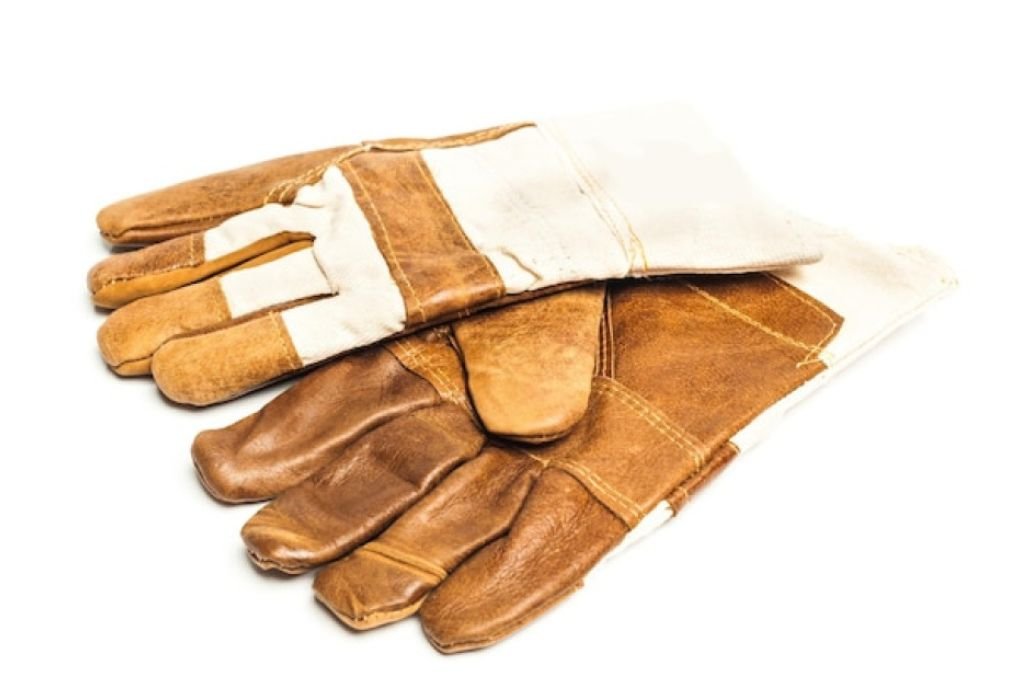
Over-soaking or heat causes stiffness. Light conditioning and flexing can sometimes restore suppleness.
Discoloration after spot cleaning can be balanced with even conditioning. Severe shrinkage is often irreversible.
Can shrunken gloves be saved?
Only partly, with conditioners and stretchers.
What if gloves feel sticky?
Soap residue—wipe again with damp cloth.
What is white residue?
Salt or wax—clean gently and recondition.
What if color is patchy?
Apply conditioner evenly to blend.
Future-Proofing Gloves
Modern gloves include hydrophobic finishes or synthetic blends. These resist moisture but still need gentle care.
Clearer care labels are emerging, guiding workers on safe cleaning methods.
Are waterproof sprays safe?
Yes, if leather-safe and tested first.
Do synthetic gloves replace leather?
Not fully. Leather remains best for heat and abrasion.
Will labels improve?
Yes, brands are moving toward clearer icons.
Do new coatings reduce cleaning needs?
Yes, but still require basic care.
Conclusion
Learning how to clean leather work gloves prevents cracks, shrinkage, and premature replacement. The best method is brushing off dirt, using mild soap with lukewarm water, air drying, and conditioning lightly.
Spot treatments for grease, salt, and mildew extend life further. Storage and routine conditioning protect investment in quality gloves.
With consistent care, leather gloves stay flexible, protective, and reliable for years of hard work.

I’m Michael R. Turner, the founder, lead writer, and passionate DIY enthusiast behind 101diytools.com. With years of hands-on experience in home improvement and power tools, I built this platform to share practical tips, in-depth guides, and honest reviews to help DIYers of all skill levels tackle projects with confidence and the right tools.