How to Clean Plastic Safety Glasses Without Damage
A pair of safety glasses may look spotless after a quick wipe on a shirt, yet fine scratches often appear the next day.
What was meant to clean the lens instead shortens its life and reduces clarity.
This small mistake matters because clear vision is essential for safety.
Dirty or scratched glasses can distort visibility, increase eye strain, and even cause workers to remove their protective eyewear when it is needed most.
Every day, about 2,000 U.S. workers require medical treatment for eye injuries that could often have been prevented with proper protection (CDC).
Dirty or fogged lenses contribute to these incidents by discouraging consistent use.
The challenge is that most safety glasses are made from polycarbonate plastic, a material that is strong against impact but soft against abrasives.
Without the right cleaning method, dust and grit can turn lenses cloudy in a matter of weeks.
Household cleaners like ammonia-based sprays or acetone can also ruin anti-fog or scratch-resistant coatings.
Once these coatings are damaged, the glasses no longer perform as designed.
Proper cleaning extends the lifespan of safety eyewear, preserves coatings, and ensures that protection is not compromised.
The good news is that the process is simple, quick, and inexpensive when done correctly.
Learning how to clean plastic safety glasses without damage is not just about maintaining appearance.
It is about protecting eyesight, reducing replacement costs, and keeping protective gear comfortable enough to wear all day.
The following guide explains the safest cleaning methods, what to avoid, and practical tips to keep lenses clear in any work environment.
Know Your Lenses: Plastic, Coatings, and Why Method Matters
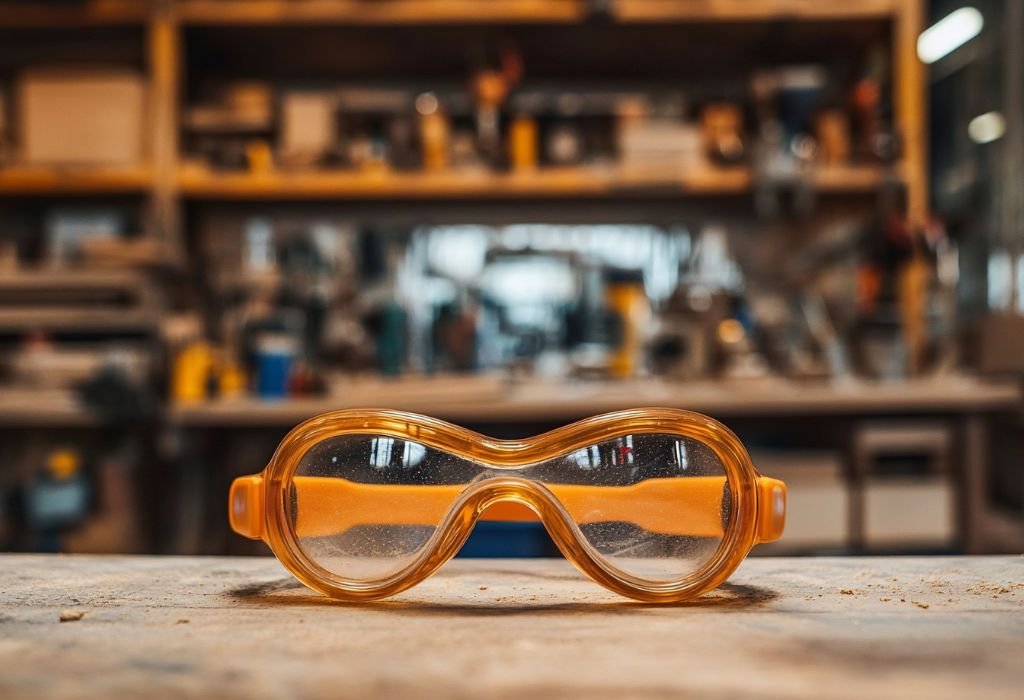
Most safety glasses are made from polycarbonate plastic, a lightweight material known for high impact resistance. While it protects against flying debris, it scratches more easily than glass.
Many safety glasses come with anti-fog coatings or scratch-resistant hard coats. These coatings improve performance but can be damaged by the wrong cleaning products.
Harsh chemicals such as ammonia, acetone, and strong solvents can cause lenses to haze or crack. Even alcohol wipes may not be safe unless specifically approved by the manufacturer.
Using the wrong cleaning method can strip protective coatings and reduce optical clarity. Once coatings fail, lenses may fog faster, scratch easier, and lose their protective value.
Are safety glasses made of plastic or glass?
Most are polycarbonate plastic, not glass.
Do anti-fog or scratch-resistant coatings change how you clean?
Yes, coatings require mild, non-abrasive cleaners to last longer.
Is alcohol safe for cleaning plastic safety glasses?
Only if approved by the manufacturer, since some coatings react badly.
Why should you avoid dry wiping?
Dry wiping pushes dust across the lens surface and creates scratches.
What is the safest default method?
Rinse with lukewarm water and use mild soap or an approved lens cleaner.
The Safe, Step-by-Step Method (Daily Clean)
The best way to clean plastic safety glasses is to follow a consistent, gentle routine. This ensures clarity without damaging coatings.
Start by blowing off or rinsing loose grit with lukewarm water. Skipping this step risks grinding particles into the lens surface.
Apply a drop of mild dish soap or a lens-specific cleaning spray to the lenses. Rub gently with your fingertips to lift oils, dust, and smudges.
Rinse thoroughly under running water until all soap is removed. Even tiny traces can leave streaks that affect vision.
Pat dry with a clean microfiber cloth, never paper towels or clothing. Microfiber removes moisture without scratching the surface.
Can you use Windex or ammonia cleaners?
No, ammonia damages coatings and leaves lenses hazy.
Is hot water better than warm?
No, use lukewarm water; hot water may warp frames and harm coatings.
What cloth is best for drying?
A clean microfiber cloth is best. Paper towels or shirts can scratch.
Are pre-moistened wipes safe?
Yes, if designed for eyewear and labeled ammonia-free.
Should soap be antibacterial or degreasing?
No, use mild dish soap without added harsh chemicals.
Field Cleaning: When There’s No Sink
On job sites, washing at a sink is not always possible. Field cleaning methods keep lenses safe until a full wash is available.
Use pre-moistened lens wipes made for safety glasses. These wipes are non-abrasive and free from harsh chemicals.
Before wiping, lightly shake or blow away any grit from the lenses. This prevents scratches caused by trapped particles.
Follow up with a microfiber cloth to remove any streaks left behind by the wipes. Store the glasses in a pouch or case when not in use.
Can compressed air help remove grit?
Yes, a gentle air burst clears dust before wiping.
What if wipes leave residue?
Buff dry with a clean microfiber cloth.
Best option for field cleaning?
Use sealed lens wipes or a portable lens-cleaning kit.
Can a paper napkin be used?
No, napkins scratch polycarbonate lenses.
Should glasses be stored loose in a pocket?
No, always use a case or pouch to avoid scratches.
Disinfecting Without Destroying Coatings
Sometimes cleaning is not enough, especially for shared PPE. Disinfecting must be done carefully to avoid damaging coatings.
Manufacturers often approve diluted bleach solutions or brand-specific disinfectant wipes. These must be followed by thorough rinsing and air drying.
Some coatings are sensitive to alcohol, so only use it if the manufacturer confirms it is safe. Soap and water remain the universal option.
Always rinse disinfected glasses to remove chemical residue before wearing. This protects both coatings and skin.
Can bleach be used on safety glasses?
Yes, but only in diluted form and only if manufacturer-approved.
Is 70% alcohol safe on anti-fog lenses?
It depends on the brand; many warn against it.
Should glasses be disinfected daily?
Yes, if shared between users or exposed to contamination.
Can disinfectant sprays replace cleaning?
No, cleaning removes dirt; disinfection kills germs. Both may be needed.
Do all coatings resist disinfectants?
No, some coatings are highly sensitive to chemicals.
What Not to Use: Chemicals and Habits That Ruin Lenses

Certain products and habits quickly damage plastic safety glasses. Avoiding them is as important as learning proper cleaning.
Ammonia-based glass cleaners, acetone, and abrasive powders will cloud lenses permanently. Once coatings are stripped, there is no repair.
Paper towels, tissues, and clothing fibers leave micro-scratches that accumulate over time. Even one dry wipe can shorten lens clarity.
Is glass cleaner safe?
Only if labeled ammonia-free and designed for eyewear.
Why did my lenses haze after cleaning?
They were exposed to harsh solvents that damaged coatings.
Do melamine sponges or magic erasers work?
No, they are abrasive and dull plastic quickly.
Can dish soap strip coatings?
Mild dish soap is safe, but avoid heavy degreasers.
Why do scratches appear even with gentle wiping?
Dust particles were not rinsed off before wiping.
Anti-Fog Care: Keeping Clarity in Heat and Masks
Anti-fog coatings are sensitive and require extra care. Using the wrong cleaner can strip them away.
Always use anti-fog wipes or sprays approved by the manufacturer. These are designed not to damage the coating.
Never rub the lens when dry, as this can wear down the hydrophilic layer. Always rinse before wiping.
Can dish soap prevent fogging?
A thin film may help, but it is not a substitute for anti-fog coatings.
Why does anti-fog wear out quickly?
Harsh cleaners and rough wiping shorten coating life.
Best routine for fog-prone environments?
Rinse first, use an anti-fog wipe, then dry with microfiber.
Do anti-fog sprays work on all coatings?
Only if specified; some sprays are brand-specific.
Can rubbing alcohol refresh anti-fog?
No, it often destroys the coating.
Storage and Handling to Prevent Re-Contamination
How safety glasses are stored affects how often they need cleaning. Proper storage prevents scratches and dust buildup.
Keep glasses in a microfiber pouch or a hard case when not in use. This reduces exposure to dust and grit.
Avoid tossing glasses into toolboxes or bags, where sharp objects can scratch them instantly.
Where should cleaning kits be placed?
At workstations, in vehicles, and near jobsite entrances.
How often should microfiber cloths be washed?
Regularly; dirty cloths can scratch lenses.
Are soft pouches effective?
Yes, they protect lenses and can serve as an emergency wipe.
Can glasses be stored on the forehead or helmet brim?
Not recommended; it exposes them to dirt and scratches.
Should glasses stay in a hot car?
No, heat can warp frames and coatings.
Maintenance Schedule: When to Replace, When to Test
Even with perfect care, safety glasses do not last forever. A simple inspection routine prevents failures in the field.
Replace glasses that are scratched, cracked, or have peeling coatings. Poor visibility increases the risk of accidents.
Supervisors should check cleaning stations weekly to ensure supplies and replacements are available.
How long do safety glasses last?
It depends on use, but replace them once clarity or fit is reduced.
Can scratches be polished out?
No, polishing removes coatings and warps optics.
Who decides when to replace eyewear?
Both workers and supervisors should follow site policy.
Do coatings wear out naturally?
Yes, anti-fog and scratch-resistant layers degrade over time.
Should spare glasses be kept on-site?
Yes, always have backups for emergencies.
Special Cases: Laser, Chemical Splash, and Shared PPE
Not all plastic eyewear is the same. Specialized lenses need unique cleaning approaches.
Laser safety glasses contain sensitive filters that must never be exposed to ammonia or abrasives. Always follow manufacturer instructions.
Splash goggles and face shields may allow disinfecting with diluted bleach, but rinsing is critical.
Acrylic or flat shields are often cleaned with alcohol-free products like Brillianize. These protect both clarity and coatings.
Can laser eyewear be cleaned like regular glasses?
No, they require specific care instructions.
Are face shields cleaned differently?
Yes, follow soap-and-water or maker-approved cleaner guidelines.
What about shared PPE?
Provide wipes, microfiber, and clear cleaning instructions.
Can alcohol wipes damage shields?
Yes, they can cloud some plastics permanently.
Should shields be stored separately?
Yes, to prevent scratching from contact with other tools.
One-Page SOP: Cleaning Workflow Your Crew Will Follow
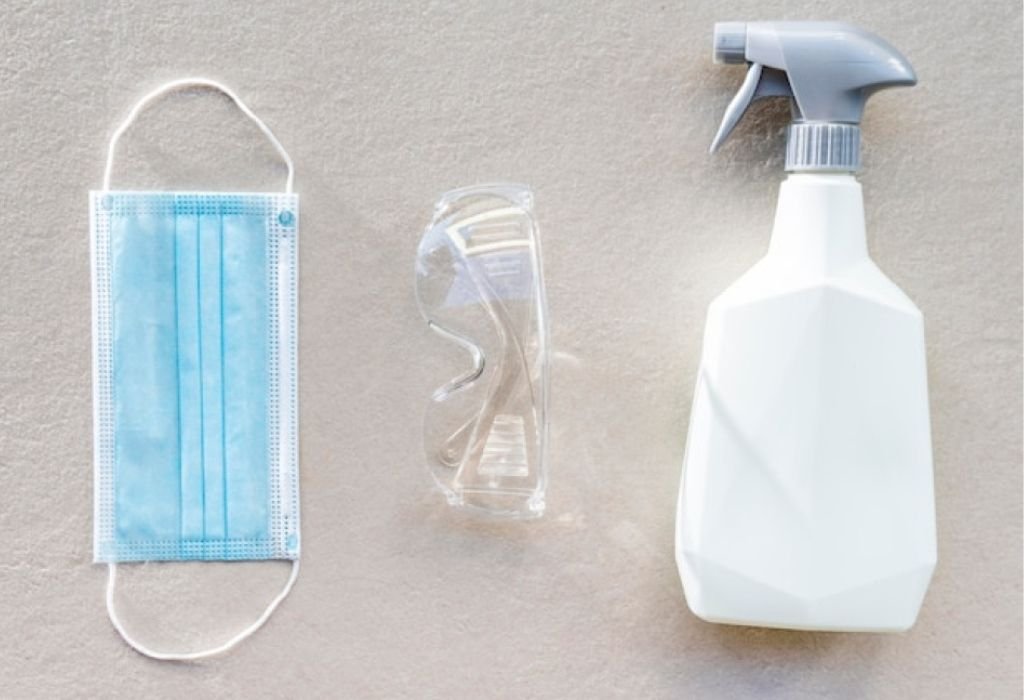
Workers are more likely to clean their glasses if the process is simple. A one-page standard operating procedure keeps it consistent.
- Rinse off grit or dust with lukewarm water.
- Apply mild soap or lens cleaner.
- Rinse thoroughly under running water.
- Pat dry with microfiber cloth.
- Store in pouch or case.
What is the fastest safe clean?
Use a lens wipe, then finish with microfiber.
What ruins lenses the quickest?
Ammonia, acetone, and dry wiping.
How to keep cleaning stations stocked?
Assign weekly checks and restocking duties.
Can wipes replace soap and water?
They work in the field but soap and water are best at home base.
Do crews follow routines better with posted SOPs?
Yes, visual reminders improve compliance.
Conclusion
Plastic safety glasses protect only when lenses stay clear and coatings intact. Cleaning them properly ensures visibility, comfort, and long-term durability.
The safest method is simple: rinse first, wash with mild soap or lens cleaner, and dry with microfiber. Avoid harsh chemicals, paper towels, and dry wiping.
Proper cleaning not only extends lens life but also reduces the risk of accidents caused by poor visibility. With routine care, safety glasses remain a reliable shield against hazards.
Make cleaning part of the workday routine, and always keep a wipe or microfiber cloth within reach. Clear lenses mean clear vision, and clear vision means safer work.

I’m Michael R. Turner, the founder, lead writer, and passionate DIY enthusiast behind 101diytools.com. With years of hands-on experience in home improvement and power tools, I built this platform to share practical tips, in-depth guides, and honest reviews to help DIYers of all skill levels tackle projects with confidence and the right tools.