How to Clean Anti-Fog Safety Glasses Correctly
A worker steps into a busy workshop where sparks fly and sawdust hangs in the air.
Within minutes, their safety glasses fog up, and the urge to wipe them on a shirt sleeve takes over.
That quick fix might clear the view for a moment, but it risks scratching the lens and stripping away the delicate anti-fog coating.
This is not just an annoyance—it’s a serious safety concern. Fogged or dirty lenses account for a surprising number of workplace incidents.
The U.S. Bureau of Labor Statistics reports that nearly 2,000 U.S. workers suffer job-related eye injuries each day (source).
Many of these injuries involve compromised protective eyewear, often linked to poor cleaning habits.
Anti-fog coatings are designed to keep vision clear in demanding environments, yet they are more fragile than they appear.
According to 3M, some coatings maintain fog resistance through about 25 washes with water before performance begins to decline (source).
That durability only holds if the right cleaning methods are followed. Using the wrong cleaner or cloth can cut that lifespan in half.
This raises a critical question: how to clean anti-fog safety glasses without damaging them? The answer lies in a simple but precise routine that avoids harsh chemicals, prevents scratches, and maintains clarity. Workers who master this routine gain more than clear vision—they reduce the risk of accidents, extend the life of their protective gear, and save money on premature replacements.
This guide explains the correct cleaning process, what to avoid, and how to keep lenses clear and coatings intact. By the end, you’ll know the proven steps that protect both your vision and your investment in safety.
Quick Answer — How to Clean Anti-Fog Safety Glasses (Step-by-Step)
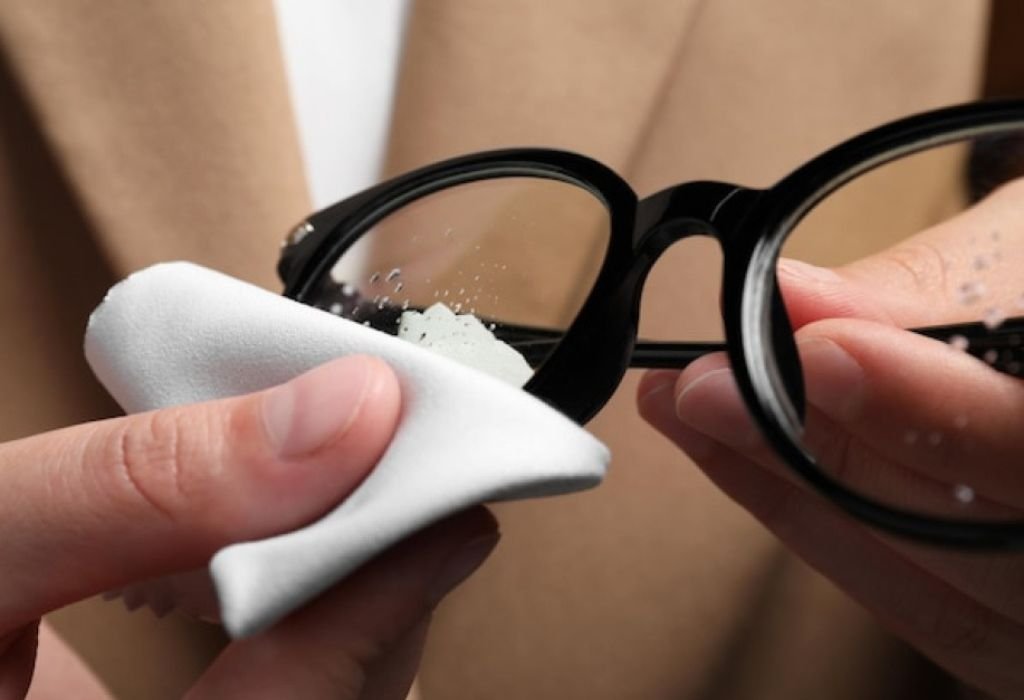
Cleaning anti-fog safety glasses correctly is simple but requires the right approach. The goal is to remove dirt and oils without damaging the fragile coating that prevents fogging.
The safest method is to first blow off or rinse away loose debris with cool water. This prevents scratches that happen when grit is rubbed into the lens.
Next, apply a small amount of mild soap or an alcohol-free lens cleaner approved by the manufacturer. Gently wash using your fingers, then rinse thoroughly with clean water.
Dry by patting the lenses with a microfiber cloth. Avoid rubbing too hard, as it can wear down the anti-fog layer. Allow the glasses to finish air-drying fully before storage.
Can you use alcohol wipes?
No—alcohol can degrade anti-fog coatings and shorten their effectiveness.
Is dish soap safe to use?
Yes, mild soap with cool water is one of the most recommended methods.
Can you use paper towels or shirts to dry lenses?
No, both can scratch the lens surface and damage coatings.
Is hot water safe for cleaning?
No, only cool or lukewarm water should be used to protect coatings.
Should you rub the lenses to dry them?
No, always pat gently with microfiber and let them air dry to avoid damage.
Understand Your Anti-Fog Coating (So You Don’t Ruin It)
Anti-fog coatings are hydrophilic layers that spread condensation into a thin film. This prevents fog from forming droplets that block vision.
These coatings are highly effective but sensitive to chemicals, heat, and abrasion. Manufacturers warn that harsh cleaners can quickly strip away their protective layer.
How long should anti-fog last?
Depending on brand, some coatings remain effective through 20–25 washes with water.
Why do coatings fail early?
Improper cleaning with alcohol, ammonia, or rough cloths damages them.
Are sprays and wipes always safe?
No, only use brand-approved anti-fog wipes or sprays.
Do anti-scratch coatings protect the fog layer?
They help resist surface scuffs but don’t prevent chemical damage.
Can coatings be reapplied?
Some aftermarket sprays exist, but they may not match the original factory layer.
What NOT to Use on Anti-Fog Lenses
Many people unknowingly damage their safety glasses by using the wrong products. Common cleaners like glass sprays, window cleaners, or alcohol wipes can strip anti-fog coatings.
Paper towels, tissues, and shirt sleeves leave behind lint and fine scratches. Over time, these tiny abrasions scatter light and reduce visibility.
Are window cleaners safe?
No, ammonia-based cleaners can ruin the coating.
Can hand sanitizer clean lenses?
No, alcohol in sanitizer breaks down anti-fog treatments.
Is compressed air safe?
Yes, it can safely blow off grit before rinsing.
Can you use an ultrasonic cleaner?
Only if the manufacturer confirms compatibility.
Is vinegar a safe option?
No, acidic solutions are not recommended for anti-fog lenses.
The Coating-Safe Cleaning Routine (Detailed)
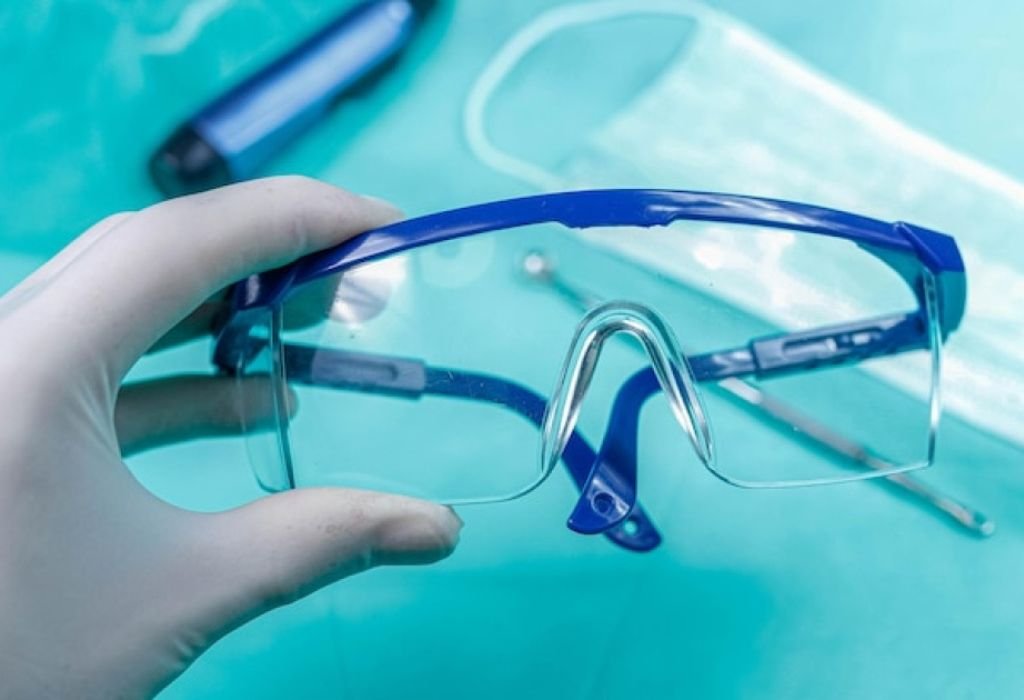
Pre-Clean — Remove Dust and Grit
Start by blowing off dust or rinsing with cool water. This step prevents scratches caused by wiping dry grit across the lens.
Why rinse first?
Because wiping dry lenses grinds grit into the surface.
Is compressed air recommended?
Yes, short controlled bursts help remove particles safely.
Can you use a brush?
Only a very soft bristle brush if manufacturer approved.
What happens if you skip rinsing?
Scratches appear quickly and weaken clarity.
Wash — Mild Soap or Approved Cleaner
Use cool water with a drop of mild dish soap or a brand-approved cleaner. Never use alcohol, ammonia, or harsh chemicals.
Does the cleaner need to be alcohol-free?
Yes, unless the brand states otherwise.
How long should washing take?
About 10–15 seconds of gentle washing is enough.
Are pre-moistened anti-fog wipes safe?
Yes, if they are specifically marked for coated lenses.
Can you use disinfectant sprays?
Only brand-recommended ones; otherwise, rinse immediately after.
Dry — Pat, Don’t Rub
Pat dry with a microfiber cloth and let air finish the job. Never rub forcefully, as it can smear or strip the coating.
Why pat instead of rub?
Patting prevents friction damage to the coating.
Do lenses need to air dry fully?
Yes, to avoid streaks and residue.
Can paper towels work in emergencies?
No, they scratch coatings and shorten lifespan.
Is a microfiber pouch okay?
Yes, if clean, it can double as a safe drying cloth.
Disinfection Without Destroying the Coating
In workplaces where disinfection is required, follow brand and safety authority guidance. Alcohol-based wipes are not suitable for coated lenses unless specified by the manufacturer.
Safer methods include using brand-approved disinfectant sprays followed by rinsing with water. UV disinfection is sometimes permitted, but only if approved.
Can bleach wipes be used?
Only if the manufacturer approves them.
How should daily disinfection be done?
Clean first, then use approved disinfectant, followed by rinsing.
Is UV disinfection an option?
Yes, for some models, but confirm brand approval.
Should you rinse after disinfecting?
Yes, rinsing protects coatings from chemical residue.
Is hydrogen peroxide safe?
Not unless stated by the manufacturer.
Brand-Specific Notes (3M, Bolle, Pyramex, Radians)
3M Scotchgard coatings resist fog even after repeated washes, but only with soap-and-water cleaning. Bolle and UVEX warn against hot water, solvents, or alkaline cleaners.
Pyramex advises rinsing lenses first and avoiding ammonia-based cleaners. Radians offers dedicated cleaning stations designed for coated lenses.
Do 3M coatings survive multiple washes?
Yes, up to about 25 washes with water.
What is Bolle’s main warning?
Never use hot water or solvents.
What does Pyramex recommend?
Rinse first, never wipe lenses when still wet.
How does Radians help?
By providing coating-safe cleaners and wipes.
Are brand routines very different?
No, all stress gentle cleaning, mild soap, and microfiber drying.
Troubleshooting — If Lenses Still Fog or Look Hazy
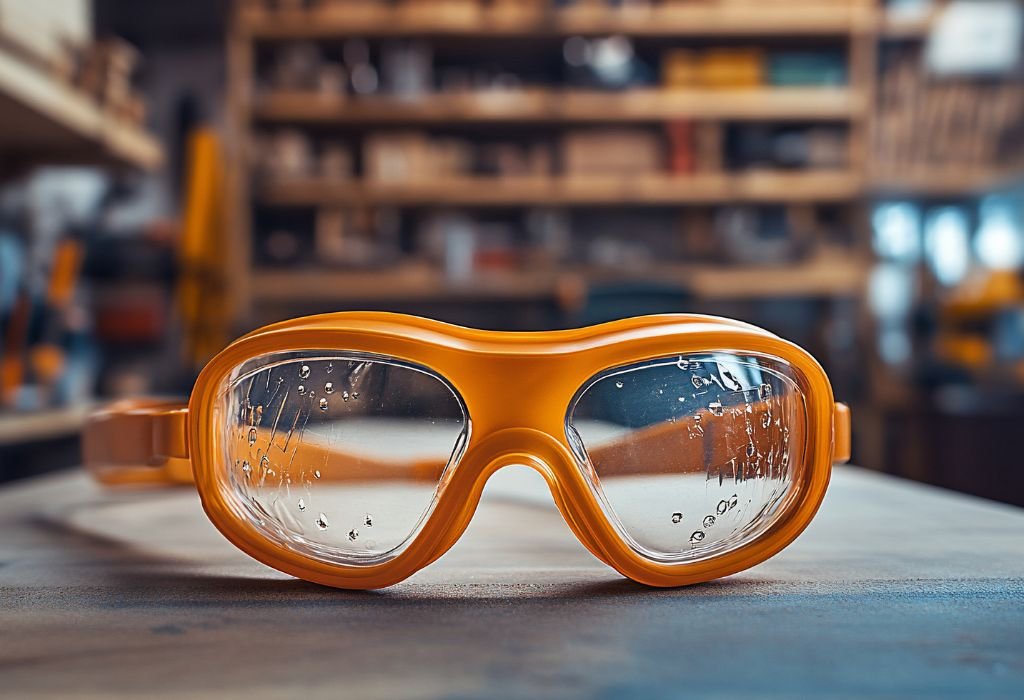
If fogging continues, the coating may be worn or residue may remain from improper cleaning. Persistent haze often signals coating damage or scratches.
When coatings fail, replacement is often the only option. Sprays may help temporarily, but they rarely match factory coatings.
Can anti-fog be restored?
Sometimes with sprays, but durability will be lower.
Why do glasses fog with masks?
Warm breath escapes at the nose and condenses on lenses.
What causes cloudy appearance?
Likely coating damage from alcohol or hot water.
When should you replace lenses?
If coatings peel, haze persists, or scratches impair vision.
Can adjusting fit help fogging?
Yes, a better seal reduces warm airflow onto lenses.
Storage, Handling, and Life Extension
Storing glasses correctly preserves both clarity and anti-fog performance. A soft pouch or hard case prevents scratches from tools or grit.
Avoid leaving safety glasses on hot dashboards or in direct sun. Heat weakens coatings and accelerates fogging issues.
Is pocket storage safe?
No, always use a pouch or case.
How often should glasses be cleaned?
At least daily, more often in dusty environments.
Does heat reduce coating life?
Yes, high heat breaks down coatings quickly.
What’s the best cloth to use?
Lint-free microfiber is the safest choice.
Do weekly deep cleans help?
Yes, they remove buildup that daily wipes may miss.
Conclusion
Knowing how to clean anti-fog safety glasses the right way ensures clear vision, long-lasting protection, and fewer workplace accidents. A simple routine—rinse, mild soap, microfiber pat dry, and safe storage—extends coating life and prevents costly replacements.
Avoid shortcuts like alcohol wipes or paper towels, which do more harm than good. By following manufacturer guidance and investing in proper care, you protect not only your eyewear but also your safety and productivity.
Clear lenses mean clear focus—and that’s priceless in any work environment.

I’m Michael R. Turner, the founder, lead writer, and passionate DIY enthusiast behind 101diytools.com. With years of hands-on experience in home improvement and power tools, I built this platform to share practical tips, in-depth guides, and honest reviews to help DIYers of all skill levels tackle projects with confidence and the right tools.