How to Get Scratches Out of Safety Glasses Safely
A small scratch on safety glasses can turn clear vision into a constant irritation. What once protected the eyes now makes simple tasks harder and more frustrating.
Many workers and DIY enthusiasts face this problem after only a few weeks of use. Scratches not only blur vision but also make glasses appear older and less reliable.
Curiosity often leads to the search for practical solutions. Could toothpaste, baking soda, or vehicle wax really restore clarity without causing further harm?
The impact of scratches is more serious than most assume. Research shows that even minor lens scratches can reduce visual acuity by up to 25%, increasing safety risks in critical environments (source).
The financial burden is another hidden issue. Studies reveal that workers replace safety glasses an average of 2–3 times per year due to scratches or lens damage, creating avoidable costs (source).
Extending the life of eyewear through safe scratch removal methods can save both money and resources. It also reduces waste by minimizing unnecessary replacements.
This guide explores proven ways to get scratches out of safety glasses safely.
It covers effective household remedies, professional care techniques, and prevention strategies to maintain clear vision.
Readers will learn how to handle light and deep scratches, when repairs are possible, and when replacement becomes the safer choice.
By the end, the path to restoring clarity and protecting future use will be clear.
What Causes Scratches on Safety Glasses and Why They Matter
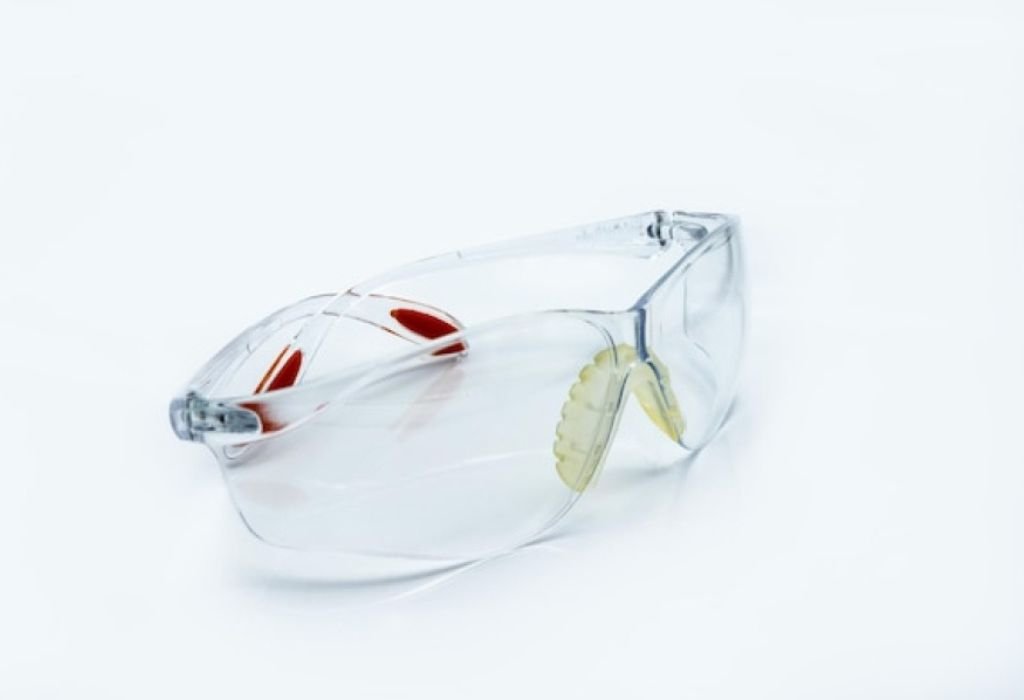
Scratches form when dust, grit, or sharp particles rub against the lens surface. Polycarbonate lenses are strong but prone to fine abrasions that affect clarity.
Improper cleaning is another common reason. Using paper towels or harsh fabrics instead of microfiber cloths can leave permanent marks.
Coatings such as anti-fog or anti-scratch improve performance but can also show scratches more visibly. Once damaged, coatings may peel or reduce lens strength.
The danger goes beyond appearance. Even shallow scratches scatter light, creating glare and reducing focus in high-risk environments.
Why do safety glasses get scratched so easily?
Polycarbonate is impact resistant but soft enough that dust and debris can mark it quickly.
Do all scratches affect vision the same way?
No, light scratches mainly cause glare while deep scratches distort vision and reduce protection.
Can lens coatings make scratches worse?
Coatings add durability but when damaged they highlight scratches and can be harder to repair.
Are scratches only a cosmetic problem?
No, they compromise visibility and may increase accident risk in workplaces.
What happens if scratched glasses are still used?
Prolonged use can cause eye strain, fatigue, and reduced situational awareness.
Safe and Effective Methods for Removing Light Scratches
Light scratches can often be removed using simple household items. These methods are safe when done gently and can restore much of the lens clarity.
Using Non-Abrasive Toothpaste
A pea-sized amount of non-abrasive toothpaste can polish away light surface marks. Apply with a microfiber cloth, rub in small circles, rinse, and dry.
Is toothpaste safe for coated lenses?
Yes, as long as it is non-abrasive and applied with gentle pressure.
How long should it be rubbed?
Around 20 to 30 seconds per scratch works best.
Can toothpaste remove deep scratches?
No, it is most effective only for light surface damage.
What cloth should be used?
Always use a microfiber cloth to avoid new scratches.
Does whitening toothpaste work?
No, whitening toothpaste is too abrasive and may cause damage.
Baking Soda Paste
Mix baking soda with a little water until it forms a thick paste. Apply to scratches using a microfiber cloth, rub gently, then rinse and dry.
Is baking soda abrasive?
It is mildly abrasive, making it suitable for light polishing.
How many applications are needed?
Two to three treatments usually reduce visibility of scratches.
Can baking soda damage coatings?
Yes, repeated use may wear down delicate coatings.
Should the paste be thick or thin?
Thick enough to stay on the lens surface without running.
Is rinsing necessary afterward?
Yes, always rinse thoroughly to remove residue.
Dish Soap and Glass Cleaner Solution
Mixing a few drops of dish soap with a mild glass cleaner can lift dirt and reduce fine marks. Rub in circles with a microfiber cloth, rinse, and dry.
Why use dish soap with cleaner?
Dish soap cuts oils and grease while cleaner helps lift debris.
Can this harm lens coatings?
Not if the solution is mild and ammonia-free.
Should it be rinsed afterward?
Yes, rinsing prevents streaks and residue.
Is this a quick fix or permanent repair?
It mostly cleans and masks scratches rather than fully removing them.
Is glass cleaner alone safe?
Only non-ammonia types are safe for coated lenses.
Vehicle Wax or Metal Polish
Small amounts of vehicle wax or plastic polish can fill and smooth light scratches. Buff gently, then clean with lens cleaner to remove residue.
Is vehicle wax safe for plastic lenses?
Yes, but only in small amounts and with gentle buffing.
Does metal polish work better?
It is stronger but more abrasive, so it must be used sparingly.
How long does the effect last?
The polish fills scratches temporarily and may need reapplication.
Can it remove deep scratches?
No, it mostly helps with shallow marks.
Should it be used regularly?
Occasional use is fine, but frequent polishing may wear coatings.
Clear Nail Polish
A thin layer of clear nail polish can fill in scratches to reduce their visibility. Once dry, the excess can be wiped off with a soft cloth.
Does nail polish repair scratches permanently?
No, it is only a temporary filler for cosmetic improvement.
How long should it dry before wiping?
At least one hour is recommended.
Can thick coats cause issues?
Yes, they may peel or leave residue.
Is it safe for all lenses?
It should only be used on uncoated lenses to avoid damage.
Can nail polish remover fix mistakes?
Yes, but only acetone-free removers should be used to prevent lens damage.
Methods for Deep Scratches
Deep scratches are harder to repair and often require stronger techniques. These methods carry risk and should be attempted cautiously.
1200-Grit Sanding and Polishing
Wet sanding with 1200-grit sandpaper can level out deeper scratches. Follow with a plastic polish to restore transparency.
Is sanding safe for safety glasses?
Only with extreme care, as it can cause permanent haze.
Does sanding remove coatings?
Yes, sanding usually strips protective coatings completely.
Is polishing required afterward?
Yes, polishing restores clarity after sanding.
Can this method fix cracks?
No, cracks cannot be repaired and require replacement.
Should sanding be a last resort?
Yes, it is only for lenses already close to replacement.
Temporary Fillers like Petroleum Jelly
Petroleum jelly or Vaseline can mask scratches by filling gaps. This improves visibility but does not repair the damage.
Does petroleum jelly fix scratches?
No, it only makes them less visible temporarily.
Is it safe for polycarbonate lenses?
Yes, but it attracts dust and requires frequent cleaning.
How long does the effect last?
Only until the jelly wears off, usually within hours.
Can it be used at work?
Not recommended, as residue may smear vision.
Is it a permanent solution?
No, it is strictly a temporary measure.
How to Prevent Future Scratches
Prevention is the easiest way to protect safety glasses. Proper cleaning and storage extend their lifespan and keep vision clear.
Are microfiber cloths necessary?
Yes, they reduce risk of micro-scratches and are safer than paper towels (source).
Should glasses be stored in a case?
Yes, a hard case lined with soft fabric prevents damage.
Do anti-scratch coatings stop all scratches?
They resist scratches but still require careful use.
Is it safe to use shirt fabric for cleaning?
No, clothing often contains dust that can scratch lenses.
Should safety glasses be replaced regularly?
Yes, even with care, frequent users should replace them every 1–2 years.
When Replacement Is the Better Option
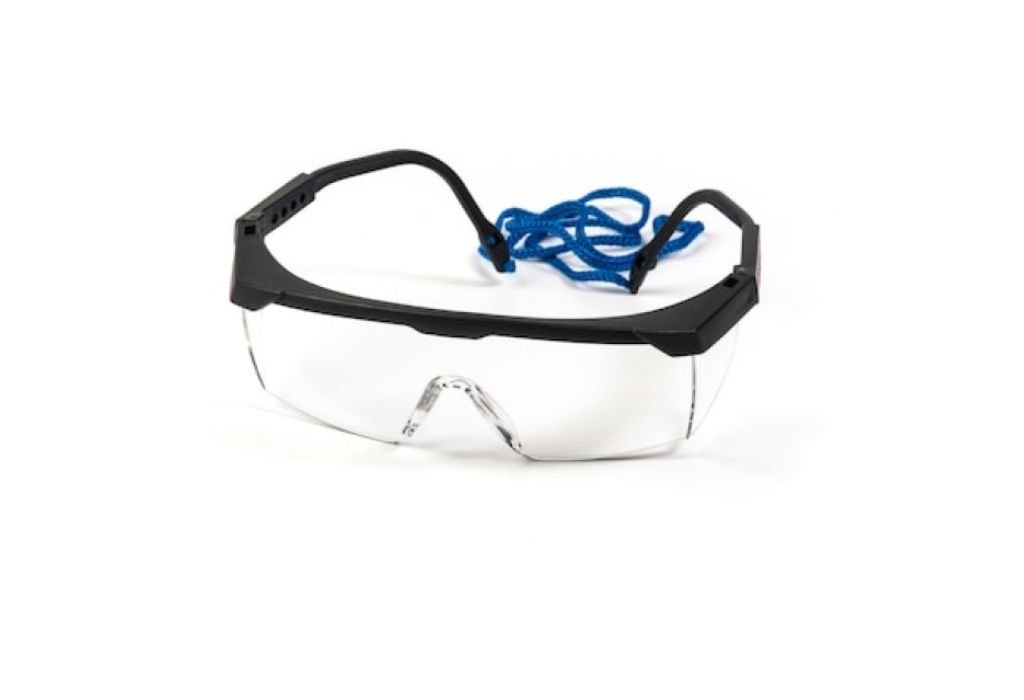
Some scratches cannot be removed safely. In these cases, replacing lenses is the only way to ensure full protection.
When is replacement necessary?
When scratches reduce clarity or compromise safety standards.
Are replacements expensive?
Basic models are affordable and usually cost less than repeated repairs.
Can scratched lenses fail safety tests?
Yes, deep scratches may reduce shatter resistance.
Do companies provide replacements?
Some safety programs offer replacement eyewear as part of workplace policy.
Is replacement more cost-effective long term?
Yes, replacing ensures compliance and protection at a lower overall risk.
Future Innovations in Scratch Resistance
Manufacturers are developing more advanced coatings to resist abrasion. These innovations promise to extend lens life and reduce replacements.
Are scratch-resistant lenses standard now?
Many brands now include durable coatings by default.
Do polishing kits exist for DIY?
Yes, some polishing kits use drill attachments for faster results.
Can nanotechnology improve resistance?
Emerging nanocoatings show promise in making lenses harder and more durable.
Are self-healing coatings possible?
Research into self-healing polymers suggests this could be a future option.
Will safety glasses become longer-lasting?
Yes, industry trends aim to improve both clarity and durability for extended use.
Conclusion
Scratches on safety glasses are more than a cosmetic nuisance. They reduce clarity, increase eye strain, and may compromise safety in critical environments.
Safe removal methods like toothpaste, baking soda, or vehicle wax can restore clarity for light scratches. Deeper marks may require sanding or polishing but carry greater risk.
Prevention is always the best solution. Proper cleaning with microfiber cloths, safe storage, and careful handling extend lens life.
When scratches can no longer be managed, replacement becomes the safer option. Knowing how to get scratches out of safety glasses safely ensures both protection and peace of mind.

I’m Michael R. Turner, the founder, lead writer, and passionate DIY enthusiast behind 101diytools.com. With years of hands-on experience in home improvement and power tools, I built this platform to share practical tips, in-depth guides, and honest reviews to help DIYers of all skill levels tackle projects with confidence and the right tools.