How to Prevent Staples From Bending: A Guide for Smooth Stacking
Remember that frustrating moment when you’re rushing to finish a project, and the staples start to buckle and jam the stapler? It’s like a tiny paper rebellion! You end up with a mess of bent staples, torn pages, and wasted time. This guide is here to help you conquer this common office annoyance. You’ll explore the causes behind bent staples and discover effective methods to keep your documents neat and your stapler working flawlessly. You’ll gain practical knowledge that will save you time, reduce frustration, and enhance your productivity.
Key Takeaways
- Understanding the common reasons why staples bend during use.
- Learn about the importance of using the right type of staples for your stapler and paper.
- Discover how to maintain your stapler to keep it in tip-top condition.
- Find ways to prevent paper jams and ensure smooth stapling.
- Explore the correct techniques for stapling to avoid bending and document damage.
Why Do Staples Bend? Common Causes and Solutions
Bent staples are more than just a minor inconvenience; they can disrupt your workflow and damage your documents. The reasons behind this frustrating problem are varied, from the quality of the staples to the stapler’s condition and even the way you staple. Identifying the source of the issue is the first step toward a solution. Let’s explore the key factors that contribute to staple bending and how to address them for a smoother stapling experience. The insights provided will help you save both time and materials, making your stapling tasks more efficient.
Staple Quality and Type
The quality of your staples plays a huge role in their performance. Low-quality staples are often made from cheaper materials that are more prone to bending. These staples may also have uneven edges or be improperly shaped, making them more likely to jam or bend. Furthermore, using the wrong type of staple for your stapler and the thickness of your paper can be a common culprit. For example, a stapler designed for standard paper might struggle with thicker cardstock, causing the staples to bend under the increased pressure.
-
- Select High-Quality Staples: Buy staples from reliable brands that are known for their quality. Look for staples made from strong, durable materials like steel. This ensures they can withstand the stapling process without deforming.
Choosing high-quality staples is like selecting premium materials for any project. You wouldn’t want to build a house with flimsy wood; similarly, using good staples is essential for a smooth stapling experience.
-
- Match Staples to Your Stapler: Make sure the staples you are using are compatible with your stapler model. Check the stapler’s manual or the packaging of the staples for the correct size and type.
Think of it as matching the right key to a lock. If the staples don’t fit your stapler properly, they will likely bend or jam. Correct staple size will ensure optimal function.
-
- Consider the Paper Thickness: For thicker stacks of paper, use staples specifically designed for high-capacity staplers. These staples are typically longer and stronger, offering the extra hold needed without bending.
When working with thick paper, standard staples may not have enough reach, leading to bending. Special staples ensure that the bond holds firm.
Stapler Condition and Maintenance
A poorly maintained stapler can quickly become a source of frustration, leading to bent staples and paper jams. Like any mechanical tool, your stapler requires regular care to keep it functioning correctly. Dust, debris, and worn-out parts can all contribute to issues. By adopting a proactive approach to stapler maintenance, you can avoid these problems and keep your stapling tasks running smoothly. Proper maintenance ensures the longevity of your stapler and saves you time and resources in the long run.
-
- Regular Cleaning: Clean your stapler regularly to remove any paper scraps, dust, or other debris that might interfere with its function. Use a small brush or compressed air to clear out the stapling mechanism.
Imagine trying to use a pen filled with clogs. It won’t work well! Similarly, a stapler’s mechanical parts need to be clean to perform their job.
-
- Lubricate the Mechanism: Apply a small amount of lubricant (such as a silicone-based spray or a drop of machine oil) to the moving parts of your stapler. This will reduce friction and help it operate smoothly.
Just like a bicycle chain, a stapler’s moving parts benefit from lubrication, reducing wear and tear.
-
- Inspect and Replace Worn Parts: Examine the stapler for any worn or damaged parts, such as the staple track or the anvil (the part that bends the staples). Replace these components as needed to ensure the stapler works correctly.
Like fixing a broken gear in a machine, replacing worn stapler parts can prevent problems. This ensures optimal stapling.
Stapling Technique
Even with high-quality staples and a well-maintained stapler, your stapling technique can have a significant impact on whether the staples bend or not. The way you hold the stapler, the angle at which you apply pressure, and the amount of paper you’re trying to staple all play crucial roles. Developing a good stapling technique is essential for achieving clean, professional-looking results. Mastering these techniques will lead to more efficient and aesthetically pleasing outcomes.
-
- Place the Paper Correctly: Make sure the paper is aligned straight in the stapler. Crooked alignment is often a main cause of bent staples.
Imagine trying to sew a hem on a slant. Your papers must line up evenly to ensure a nice finish.
-
- Apply Even Pressure: Press down firmly and evenly on the stapler handle. Avoid pressing too hard, which can cause the staples to deform.
Think of it as planting a seed: too much or too little pressure will have a negative outcome. Even pressure produces better results.
-
- Staple in a Straight Line: If you are stapling multiple pages, aim to do so in a straight, consistent line. This helps distribute the pressure equally and avoid bending.
Straight lines are aesthetically pleasing and make the stapling process much smoother.
Preventing Paper Jams
Paper jams are a common headache that often leads to bent staples and wasted time. Many factors can lead to jams, from overloading the stapler to the type and condition of the paper being used. By understanding the causes of jams and adopting preventive measures, you can dramatically improve the efficiency of your stapling tasks. Reducing paper jams helps maintain a smooth workflow, so you can achieve tasks quickly.
-
- Avoid Overloading: Do not try to staple more paper than your stapler is designed for. Check the stapler’s capacity specifications to make sure you’re within the recommended limit.
Imagine trying to pack too much into a suitcase; something is bound to break. Sticking to capacity guidelines helps prevent damage.
-
- Use Appropriate Paper: Avoid using paper that is too thick, too thin, or textured, as this can increase the likelihood of jams. Standard paper is usually the best choice.
Different types of paper react differently to staples. Proper paper is the perfect choice for the job.
-
- Careful Alignment: Make sure the paper is aligned properly before stapling. Misaligned paper is a common cause of jams.
Think of it as a domino effect. If the paper is crooked, it’ll mess things up.
-
- Inspect for Obstructions: Check the stapler’s staple track and mechanism for any obstructions. Clear any debris that might be causing a jam.
A cluttered stapler causes problems, so clean it out!
Troubleshooting Common Stapling Issues
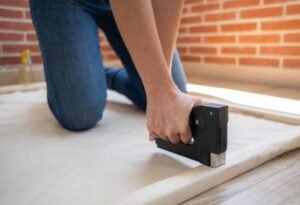
Even with careful preparation and best practices, stapling issues can still arise. Knowing how to identify and address these problems effectively can save you valuable time and reduce frustration. This section explores common issues like bent staples and misfires, providing practical tips to restore smooth stapling performance. A little troubleshooting know-how can help you keep things running smoothly, so you won’t experience any setbacks.
Bent Staples
If you find that your staples are consistently bending, despite using the right supplies and following proper techniques, it might point to a specific problem with your stapler or how you’re using it. Bent staples can ruin your work and make documents look unprofessional. A little bit of troubleshooting can help you identify the root causes.
-
- Check Stapler Alignment: Make sure the stapler is positioned correctly on the paper and that the paper is aligned straight. Misalignment is a common cause.
Think about how easily you can hit a nail straight by looking down at it. Making sure your stapler is positioned correctly helps avoid problems.
-
- Inspect the Anvil: The anvil is the part that bends the staple to secure it. If it’s bent or damaged, it can cause the staples to bend. If damaged, replace it.
The anvil is essential for stapling correctly. Be sure it is working correctly to prevent problems.
-
- Reduce Staple Depth: If your stapler has an adjustable staple depth setting, try adjusting it to a shallower depth. This can reduce the stress on the staples.
Adjusting the stapler depth is an easy way to prevent issues with bent staples.
Misfires
Misfires, where the stapler fails to fully insert the staple or does not staple at all, are another frequent problem. These frustrating incidents can be due to a variety of factors, from a lack of staples to internal issues with the mechanism. Finding the causes of misfires and addressing them can help prevent delays and maintain a steady workflow.
-
- Check for Staples: Make sure your stapler has staples loaded. If you’re out of staples, the stapler obviously won’t work.
It sounds simple, but it is easy to forget!
-
- Clear Jams: Carefully clear any paper or staple jams that might be preventing the stapler from working correctly. Follow the stapler’s instructions for clearing jams.
Paper jams are a common source of misfires, so be sure to clear them. This can prevent problems.
-
- Inspect the Stapling Mechanism: Check the mechanism for any obstructions or damage. Replace any broken parts, such as the staple pusher or spring.
Looking closely at the mechanism of your stapler will help you know the source of the problem.
Best Practices for Optimal Stapling
Adopting best practices in stapling, such as careful paper preparation, using the correct stapling supplies, and proper stapler maintenance, can significantly reduce the number of bent staples and paper jams. These methods enhance not only the quality of your work but also boost your overall efficiency and reduce workplace frustration. This will save you both time and resources while making the entire process better.
Paper Preparation
Proper paper preparation is an important aspect of successful stapling. Taking the time to prepare your paper correctly can make the stapling process much easier. It’s about more than just lining things up; it is about setting the stage for a smooth stapling job. It helps you get professional results.
-
- Align the Pages: Ensure all pages are neatly aligned. Uneven edges are a primary cause of stapling problems.
Think of it as preparing a meal. Proper alignment is just like getting ready to cook.
-
- Check for Obstacles: Look for any staples or paper clips that might be in the stapling area. Removing these items will prevent any interference with the stapling process.
Removing obstacles will keep you from creating problems.
-
- Inspect the Paper: Make sure the paper is clean and free of tears or folds. Damaged paper can cause issues.
If you’re using damaged paper, it is likely that you’ll experience problems.
Stapling Supplies
Choosing the appropriate staples is essential for achieving clean and reliable stapling results. The quality of staples and their compatibility with your stapler greatly affect how well the staples perform. Choosing wisely will make stapling much easier.
-
- Use the Right Staples: Ensure the staples are the correct size and type for your stapler and paper. Check the specifications on your stapler or the staple packaging.
Just like using the right tools for a project, choosing the right staples helps avoid issues.
-
- Consider Staple Quality: Choose staples from reputable brands made from quality materials, such as hardened steel. Superior staples are less likely to bend or jam.
High-quality staples will last longer and make stapling much easier.
-
- Store Staples Correctly: Keep staples in a cool, dry place to prevent moisture damage. Protect staples from getting crushed or bent.
Storing staples correctly can make a big difference in the outcome.
Stapler Care and Maintenance
Consistent care and maintenance will keep your stapler in good working order for years. Regular maintenance extends the life of your stapler and ensures it functions reliably. Implementing a routine maintenance schedule and doing routine troubleshooting can save you from a lot of problems.
-
- Clean Regularly: Clear out paper scraps and other debris. Cleanliness can help prevent jams.
Keeping things tidy is good for the stapler.
-
- Lubricate Frequently: Apply lubricant to moving parts as needed. This reduces wear and tear and helps maintain smooth stapling.
Lubricating your stapler will keep it running well.
-
- Inspect and Replace Parts: Regularly inspect your stapler for any worn or damaged parts. Replacing parts as needed prevents issues.
Looking for worn parts ensures you’ll be prepared when something comes up.
Alternative Fastening Methods
While staples are a practical way to fasten documents, there are other choices for attaching papers. The alternative techniques are useful in various situations and can assist when standard stapling is not a good option. These options offer different advantages, such as enhanced security, flexibility, or aesthetic appeal, providing users with the ability to choose the best way to meet their needs. The right approach can offer solutions for a range of paper-related needs.
Paper Clips
Paper clips are a simple and removable method. They are perfect for documents you need to adjust or share, and do not cause any damage. Paper clips are great for organizing materials without making any permanent marks.
-
- Pros: Easy to attach and detach; reusable; no damage to paper.
Easy to change and adjust.
-
- Cons: Can come loose easily; not as secure as staples.
Not as secure as other methods.
-
- Best Use: Temporary organization; documents that need to be accessed frequently.
Ideal for things that need to be changed often.
Binding Machines
Binding machines create a professional-looking finish by using comb or thermal binding to hold pages together securely. These machines are great for reports, presentations, and other important documents where appearance matters.
-
- Pros: Professional look; very secure; suitable for a large number of pages.
Great for things like reports or presentations.
-
- Cons: Requires a binding machine; can be time-consuming; permanent.
Requires special equipment and can be time-consuming.
-
- Best Use: Reports, presentations, and other documents that require a polished look.
Great for formal documents.
Hole Punching
Hole punching involves using a hole punch to create holes in the paper. Once you create the holes, you can secure the pages together using binders or rings. Hole punching offers a flexible way to arrange documents, making it great for reports that you want to adjust or keep updated.
-
- Pros: Flexible; allows for easy rearrangement of pages; works well with binders.
Works well for materials that need to be updated.
-
- Cons: Requires a hole punch and binder; not suitable for large volumes of paper.
Not great for very large documents.
-
- Best Use: Manuals, reports, and any material that requires frequent updates.
A good option for ongoing projects.
Frequently Asked Questions
Question: What causes staples to bend?
Answer: Staples can bend due to several factors, including low-quality staples, using the wrong type of staples for the paper thickness, misalignment of the paper, and a poorly maintained stapler.
Question: How can I prevent my stapler from jamming?
Answer: To prevent jams, avoid overloading your stapler, make sure the paper is aligned straight, and regularly clean and maintain your stapler. Using the right staples for the job is also a must.
Question: Can I use any type of staple in my stapler?
Answer: No, it is important to use the correct type and size of staples that your stapler is designed for. Check your stapler’s manual or the packaging of the staples for the recommended type.
Question: How often should I clean and lubricate my stapler?
Answer: Clean your stapler regularly, particularly if you use it often. Lubricate the stapler’s moving parts a few times a year. Proper maintenance helps ensure it works well.
Question: What should I do if my staples are still bending even after trying the tips?
Answer: If staples still bend after trying these tips, check the stapler’s anvil (the part that bends the staple) for damage. Consider replacing your stapler if the problem persists.
Final Thoughts
Avoiding bent staples and paper jams doesn’t have to be a constant struggle. By following the tips outlined in this guide, you can improve your stapling experience. You can ensure that your documents stay neat, your stapler lasts longer, and your tasks are completed efficiently. Remembering to choose high-quality staples, maintain your stapler frequently, and use proper techniques are essential. This will improve your productivity and create a more enjoyable and efficient work environment. Embrace these practices, and say goodbye to frustration, and keep your documents looking their best.

I’m Michael R. Turner, the founder, lead writer, and passionate DIY enthusiast behind 101diytools.com. With years of hands-on experience in home improvement and power tools, I built this platform to share practical tips, in-depth guides, and honest reviews to help DIYers of all skill levels tackle projects with confidence and the right tools.