How to Load a Heavy Duty Staple Gun: A Simple Guide
Ever tried to hang a picture, only to realize your staple gun is empty? It’s the worst! You’re ready to get your project done, and then you’re stuck, fumbling with staples. Maybe you’ve even jammed it up trying to force them in! This guide will take the mystery out of loading a how to load heavy duty staple gun so you can get back to your project quickly and confidently. You’ll learn the simple steps, avoid common problems, and even pick up some helpful tips to keep your tool running smoothly. You’ll save time and frustration, and your projects will look great. You’ll learn how to load a staple gun like a pro.
Key Takeaways
- Learn the different types of staples and the best ones for your projects.
- Understand the safety steps to take before and during use.
- Master the simple steps of loading a staple gun in various models.
- Discover the common problems and how to fix them to avoid jams.
- Find helpful tips for maintaining your staple gun for longer tool life.
Choosing the Right Staples for Your Projects
Before you even think about loading your staple gun, you need to make sure you have the right staples. Different projects require different staple sizes and types. This section will guide you through the various staple choices, helping you pick the perfect ones for the job. Choosing the wrong staples can lead to project failure or damage.
Types of Staples: A Quick Overview
There are several types of staples available, each designed for particular applications. Selecting the correct type of staple is essential for project success. Using the wrong staple can lead to weak or damaged materials and even tool jams. You might think a staple is a staple, but it’s important to know the difference! Using the right staple will ensure a strong bond and smooth operation of your how to load heavy duty staple gun.
- Narrow Crown Staples: These staples are commonly used for tasks like upholstery and trim work. They have a narrow crown that helps to hold materials firmly.
- Wide Crown Staples: Ideal for attaching materials like insulation or roofing felt, these staples offer a broader surface area for a strong hold.
- Brad Staples: Often used for finishing work and attaching thin materials, brad staples are less visible than other types.
- Heavy Duty Staples: Designed for demanding tasks, these staples are stronger and more durable, making them great for tougher materials and projects.
Staple Size Guide
Staple size is just as important as staple type. Sizes are measured in terms of leg length and crown width. The leg length refers to the length of the staple’s legs, and the crown width refers to the distance across the top of the staple. The correct length depends on the thickness of the material you are stapling and how deep you need the staple to go in. Choosing the appropriate staple size prevents the staple from going all the way through, causing damage, or not going deep enough, causing a weak hold.
- Material Thickness: Determine the combined thickness of the materials you’re stapling.
- Staple Length: Select a staple with legs long enough to penetrate the materials and provide secure hold. Usually, a staple length of 2-3 times the material thickness is a good rule of thumb.
- Crown Width: Crown width depends on the project. Narrow crowns are less visible and better for delicate work, while wide crowns offer greater holding power.
Matching Staples to Your Staple Gun Model
Not all staple guns can accommodate all types of staples. Your staple gun model will specify the exact staple types and sizes it can use. Check the tool’s manual or the label on the gun itself to confirm this information before you purchase staples. Using incorrect staples can cause jams, damage the gun, or simply not work, so it’s essential to check this before you get started. Also, your staple gun’s instructions should clearly display the correct staple size and type, so be sure to check them.
- Read the Manual: Find the manual for your staple gun and look for the section on staple compatibility.
- Check the Gun: Often, the staple gun itself will have markings indicating which staples it accepts.
- Measure Existing Staples: If you’re unsure, measure the existing staples you have on hand to find a match.
Safety First: Preparing to Load
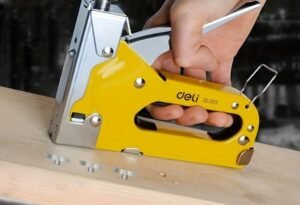
Safety should be your top priority when using any tool, and a staple gun is no different. Before you even touch your how to load heavy duty staple gun, there are important safety steps to follow. Taking these precautions ensures your safety and those around you, as well as protects your equipment. This section outlines the essential safety measures to get started.
Safety Gear You Should Always Use
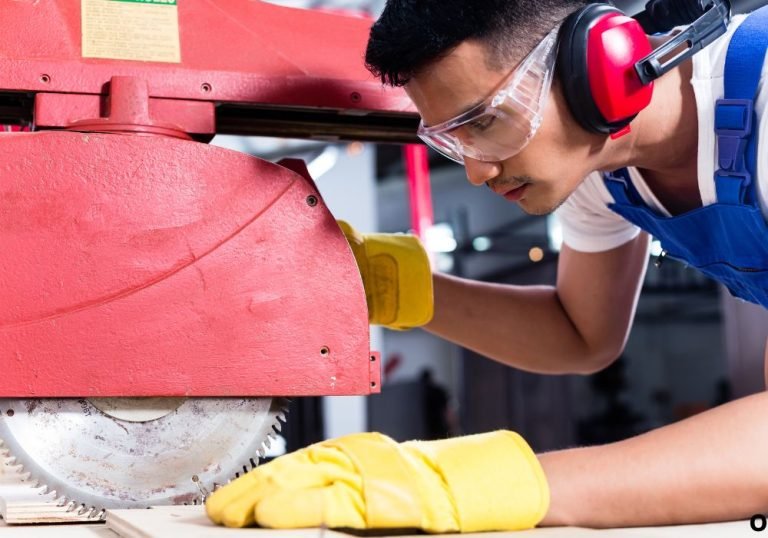
Wearing the right gear protects you from potential hazards. Staple guns can shoot staples with considerable force, so it is important to protect yourself. Safety is not a one-time thing, it’s something you do every time you use a staple gun.
- Safety Glasses: Protect your eyes from staples that may ricochet or fragments from the materials being stapled.
- Gloves: Gloves provide a better grip and protect your hands from accidental staples.
- Hearing Protection: Depending on the model, some staple guns can be loud. Protect your hearing with earplugs or earmuffs.
Unplug or Disable the Gun
Whether you’re using an electric or a pneumatic (air-powered) staple gun, it’s important to make sure it’s safely disabled before you start loading. This prevents accidental firing, which can lead to serious injuries. Even a manual staple gun is best handled with care.
- Electric Staple Guns: Unplug the staple gun from the power source.
- Pneumatic Staple Guns: Disconnect the air hose from the compressor. Release any remaining air pressure by firing the gun (into a safe direction) before loading.
- Manual Staple Guns: Make sure the gun is in a safe position.
Work in a Well-Lit, Clear Area
A safe workspace is key to preventing accidents. Work in an area with good lighting so you can clearly see what you are doing. A clear workspace minimizes the risk of tripping or bumping into objects. Good lighting allows you to see the staple gun and the material clearly.
- Lighting: Ensure the work area is well-lit to prevent mistakes and ensure you can see clearly.
- Clear Space: Remove clutter from your work area to avoid tripping hazards or accidental contact with the staple gun.
- Stable Surface: Work on a stable, flat surface to ensure the materials are secure during stapling.
The Step-by-Step Guide: Loading Your Staple Gun
Once you’ve selected the right staples and are prepared for safety, it’s time to learn how to load your how to load heavy duty staple gun. The loading process can vary slightly depending on the type and model of your staple gun. This guide covers the common methods for loading staples in a variety of guns, making the process easy to understand and perform.
Step 1: Open the Staple Gun
The first step is opening the staple gun to access the staple magazine. There are different methods, depending on the model. Some guns have a magazine release button, lever, or latch. Others might have a sliding mechanism. Knowing how to open your staple gun is the first step in properly loading it.
- Magazine Release Button/Lever: Locate the button or lever on your staple gun and press or pull it to release the magazine.
- Sliding Mechanism: Some guns have a sliding mechanism on the bottom. Slide this open to reveal the staple chamber.
- Check Your Manual: If you are unsure how to open your staple gun, refer to the manual for specific instructions.
Step 2: Inserting the Staples
With the magazine open, you can load your staples. Make sure they are correctly oriented. You will typically insert a row of staples into the magazine. Proper insertion is important for ensuring that the staples feed correctly and that the gun works properly. Not inserting them correctly can lead to jams and frustration.
- Staple Orientation: The staple legs should face down into the magazine.
- Stacking Staples: Usually, you’ll slide the row of staples into the magazine, ensuring they are properly aligned.
- Avoid Overfilling: Don’t overfill the magazine, as this can cause jams. Leave a small space.
Step 3: Closing the Magazine
Once the staples are in the magazine, close it securely. This step secures the staples inside, preparing the gun for operation. Ensure the magazine is firmly closed to prevent staples from falling out or the gun from misfiring.
- Secure Closure: Press the magazine firmly into place until it clicks or locks.
- Check for Smooth Operation: Make sure the magazine slides smoothly and is properly secured.
- Safety Check: Once the magazine is closed, you should not be able to open it easily.
Common Problems and How to Solve Them
Even with the best preparation, you might face some issues. Staple guns, like any mechanical device, can experience problems. This section explores common issues when using your how to load heavy duty staple gun and how to fix them to get back to your project quickly.
Staple Gun Jams
Jams are the most common problem. They happen when a staple gets stuck inside the gun, preventing it from firing properly. Jams can be caused by various things, such as using the wrong type or size of staple, overfilling the magazine, or damage to the gun itself. Understanding the different kinds of jams helps you fix them.
- Identifying the Jam: When the gun fails to fire or the staple doesn’t fully go in, it’s often a jam.
- Clearing the Jam: Most staple guns have a jam-clearing mechanism or a special tool for this purpose.
- Avoiding Future Jams: Always use the correct staples, load them properly, and don’t overload the magazine.
Staples Not Fully Driving
Sometimes, the staple gun will fire, but the staples won’t drive completely into the material. This issue can be frustrating because it leads to a poor hold. Several factors can cause this, from the staple gun’s power settings to the type of material. Addressing this problem is essential to achieve a secure and proper finish.
- Insufficient Power: Make sure your staple gun has enough power.
- Material Density: Some materials are denser and require more force.
- Staple Length: The staple might not be long enough.
Misfeeds
Misfeeds are another issue, where the staple gun doesn’t feed staples correctly. This can cause the staples to become twisted or misaligned, which prevents the gun from working correctly. These can be caused by worn or damaged parts, or staples that are not loaded correctly. Proper maintenance can prevent many misfeeds.
- Check the Magazine: Make sure the staples are aligned correctly in the magazine.
- Inspect the Feeding Mechanism: Look for any obstructions or damage.
- Replace Worn Parts: If the feeding mechanism is damaged, consider replacing worn parts to resolve issues.
Taking Care of Your Staple Gun
Proper maintenance is key to keeping your staple gun in good working condition. Just like any tool, your staple gun needs regular care to ensure it works correctly and lasts a long time. This includes cleaning, lubrication, and storage. By following these maintenance tips, you can increase the life of your how to load heavy duty staple gun.
Cleaning and Lubrication
Cleaning and lubricating your staple gun is important for maintaining peak performance. Regular cleaning removes debris and dust that can affect operation. Proper lubrication ensures all moving parts work smoothly.
- Cleaning: Use compressed air or a brush to remove debris from the magazine and firing mechanism.
- Lubrication: Apply a small amount of lubricant to moving parts as recommended by the manufacturer.
- Frequency: Clean and lubricate your staple gun after each use or as needed to maintain its working condition.
Storage Tips
Proper storage is important for preserving the lifespan of your staple gun. When you’re not using your staple gun, keep it in a suitable storage area to protect it from damage and the elements. This will keep your staple gun in good condition for many years.
- Dry Environment: Store the staple gun in a dry place to prevent rust.
- Safe Location: Keep your staple gun out of reach of children or where it could be accidentally knocked over.
- Protective Case: Store your staple gun in a carrying case or a designated storage spot to protect it from damage.
Regular Inspection
Doing regular inspections can help you spot problems before they turn into major issues. Checking your staple gun regularly can help identify worn or damaged parts early, allowing you to address them before they affect performance. It’s much easier to fix small problems than major ones.
- Examine the Magazine: Ensure it’s not cracked or damaged.
- Check the Firing Mechanism: Look for any signs of wear.
- Test the Gun: Fire a few staples to make sure it’s working properly.
Frequently Asked Questions
Question: What’s the best way to open the staple gun magazine?
Answer: The method depends on your model. Some have a release button, others a lever, and some have a sliding mechanism. Refer to your owner’s manual for details.
Question: Can I use any staples in my staple gun?
Answer: No, you should only use staples that are compatible with your staple gun model. Check the manual or the gun itself for the correct types and sizes.
Question: What should I do if my staple gun jams?
Answer: First, unplug or disconnect the power source. Then, follow the jam-clearing instructions in your manual, often involving a lever or release.
Question: How often should I clean and lubricate my staple gun?
Answer: It’s best to clean and lubricate the gun after each use or as needed to maintain its working condition, especially after projects that involve a lot of dust or debris.
Question: Where should I store my staple gun when I’m not using it?
Answer: Store the staple gun in a dry, safe place away from children. Consider using a carrying case or designated storage spot for protection.
Final Thoughts
Mastering how to load a staple gun is a basic skill for a wide range of projects. You now have the necessary knowledge to select the right staples, safely load your gun, and troubleshoot common issues. Remember to always prioritize safety and take the time to maintain your tool for long-term use. With practice and attention to detail, you’ll find that using a staple gun is easy, efficient, and a real time-saver for your projects. Keep these tips in mind, and you’ll be able to complete your next project with ease and confidence.

I’m Michael R. Turner, the founder, lead writer, and passionate DIY enthusiast behind 101diytools.com. With years of hands-on experience in home improvement and power tools, I built this platform to share practical tips, in-depth guides, and honest reviews to help DIYers of all skill levels tackle projects with confidence and the right tools.