How to Fix Loose Carpet With a Staple Gun: A DIY Guide
Picture this: you’re walking through your living room, and your foot catches on a raised edge of the carpet. A loose area is forming and the carpet looks unprofessional. It’s a common issue, and the good news is you don’t need to call a professional. You can easily tackle this problem yourself using a staple gun. This guide will walk you through the process, providing you with everything you need to know to get your carpet looking like new again. By the end, you’ll feel confident in your DIY skills and have a beautifully restored carpet. You’ll also learn the importance of using the right staples and tools for the job, helping you avoid common mistakes and ensuring a lasting fix, improving Time on Page and reducing Bounce Rate.
Key Takeaways
- Learn how to identify and assess loose carpet areas for repair.
- Discover the essential tools and materials needed for the job.
- Master the step-by-step process of using a staple gun to re-secure your carpet.
- Understand how to deal with different types of carpet and subflooring.
- Find helpful tips for avoiding common mistakes and ensuring a long-lasting fix.
- Get valuable insights into maintaining your carpet to prevent future issues.
Assessing Your Carpet’s Condition
Before you even think about grabbing your staple gun, you’ll need to assess the damage. This initial step is important because it dictates the tools, materials, and techniques you’ll use. Inspect the areas where the carpet is loose or pulling away. Note how much of the carpet has lifted, whether the edges are frayed, and the underlying condition of the subfloor. A quick check now can save time and effort later, ensuring your efforts are targeted and effective.
Identifying the Problem Areas
Start by walking over the carpet and noting any areas that feel uneven, raised, or loose. These are the primary problem areas you’ll need to address. Pay close attention to the edges near walls, doorways, and any areas with heavy foot traffic. Use your hands to gently lift the carpet in these areas. This will help you determine how much of the carpet has come loose and the extent of the repair work needed. Make sure to identify not just the areas that are immediately visible as loose but also those showing signs of starting to detach, as these can be repaired before they worsen.
- Look for Bulges and Gaps: Examine the carpet for bulges, ripples, or gaps between the carpet and the floor. These are clear indicators of a problem.Bulges and gaps usually arise from the carpet stretching, shifting, or becoming detached from the underlying surface. This can be caused by foot traffic, furniture movement, or changes in temperature and humidity. Regularly checking for these visual signs is crucial to catching problems early on, preventing them from escalating into more complex and costly repairs. The faster you fix these issues, the better.
- Check for Fraying: Inspect the edges of the carpet for any signs of fraying or wear.Fraying often means the edges of the carpet are no longer securely held in place and need immediate attention. Regular wear and tear, especially in high-traffic zones, can cause the fibers to break down and loosen. Addressing fraying quickly can prevent it from worsening, potentially saving you from needing to replace the entire section of carpet. For example, if the carpet edge near a doorway is fraying, it means the carpet is coming loose and requires refastening. The more you use the area, the faster the damage will progress, making early repairs the best approach.
- Test the Carpet Tension: Gently pull at different areas of the carpet to see how easily it moves.This will help you understand if the carpet is still properly stretched or has come loose from its anchoring points. If you notice a lot of give or movement, it is a good indicator that the carpet needs to be restretched and secured. When you pull the carpet, observe the carpet to see how much it stretches or pulls away from the tack strips or underlayment. Loose tension can be caused by changes in moisture, temperature, or heavy use and is a common factor that leads to loose carpets.
Inspecting the Subfloor
The subfloor is the foundation beneath your carpet and plays a vital role in the repair process. Before using the staple gun, check the subfloor’s condition. Is it wood or concrete? Is it level? Are there any signs of damage like rot, moisture, or unevenness? If the subfloor is damaged, you may need to make repairs before securing the carpet. A stable subfloor provides a solid base and ensures that your carpet will stay in place for a long time. Failing to do so can lead to an unsuccessful repair job.
- Wood Subfloors: For wood subfloors, check for any signs of rot, mold, or insect damage.Wood subfloors can be affected by moisture, which causes rot and can lead to uneven surfaces. Make sure the wood is solid and dry before stapling. If the wood is damaged, you may need to repair or replace it before proceeding. Mold or insect damage can weaken the wood, making it unable to hold staples. If you encounter these issues, you will need to take care of the underlying problem before you begin to tackle the carpet itself.
- Concrete Subfloors: Check for cracks, unevenness, or moisture issues in concrete subfloors.Concrete can develop cracks over time, and any damage must be addressed. Ensure the concrete is level. Use a moisture meter to check for moisture, which can cause mold and mildew under the carpet. You may need to use a special type of staple or adhesive designed for concrete subfloors. If there are signs of moisture, you’ll want to take steps to deal with that as well. A level, dry surface is essential for proper stapling and a long-lasting repair.
- Moisture Issues: Look for any signs of water damage or dampness, as this can affect both the subfloor and the carpet.Water damage can weaken the subfloor and promote mold and mildew growth. Ensure the area is completely dry before proceeding with any repairs. If you find moisture, locate and address the source of the water before moving on to the carpet repair. If the subfloor or carpet is damaged by water, it can lead to additional problems like buckling, odors, and potential health hazards. Addressing the moisture issue first is important for the health of your home and the lifespan of the carpet.
Gathering Your Tools and Materials
Now that you’ve assessed the situation, it’s time to gather the necessary tools and materials. Having everything ready will make the repair process smooth and efficient. From the right type of staple gun to the appropriate staples and any additional tools, being prepared is key to a successful outcome. Having the right tools and supplies will not only simplify the process but also improve the quality of your repairs and help you avoid unnecessary delays.
Essential Tools
- Staple Gun: Choose a staple gun designed for carpets.A staple gun specifically for carpets will have the right power and depth adjustment to drive staples securely into the subfloor without damaging the carpet fibers. Some staple guns also include features to make it easier to staple along edges and in tight spaces. Make sure you select a model that uses the correct size staples for your carpet and subfloor type. When you select your staple gun, consider factors such as the ease of use, durability, and whether it has adjustable settings for different carpet thicknesses and subfloors.
- Safety Glasses and Gloves: Protect your eyes and hands.Safety glasses shield your eyes from debris and errant staples. Gloves will protect your hands from injury and provide a better grip while working. These simple safety measures help prevent injuries while you’re stapling and handling tools. Wearing safety glasses and gloves is a good way to stay safe.
- Measuring Tape and Utility Knife: Necessary for cutting and measuring.A measuring tape is used to determine the exact areas that need repair or to measure the dimensions of the carpet. A utility knife is crucial for cutting away excess carpet or trimming around edges. Have these tools handy for any necessary adjustments or modifications during your repairs. Whether you are dealing with a larger loose area, or a small spot, these tools help in achieving a neat and precise result.
Materials Needed
- Carpet Staples: Select the correct size and type of staples for your carpet and subfloor.Carpet staples are typically wider and stronger than standard staples to grip firmly into both the carpet and the subfloor. Choose staples that match your subfloor and carpet thickness. Always have extra staples available, so you don’t run out mid-job. Using the correct staples ensures that the carpet will be properly secured and reduces the risk of the staples pulling out over time, leading to re-loosening.
- Knee Kicker (Optional): Useful for stretching the carpet.If you’re dealing with larger areas of loose carpet, a knee kicker can help stretch the carpet back into place, ensuring a smooth and even surface. This is more relevant for larger repairs, while smaller areas can often be smoothed by hand before stapling. If the carpet has pulled away from the edges, a knee kicker can help in the restretching phase.
- Seam Sealer (Optional): For sealing carpet seams.Seam sealer helps to strengthen and protect the seams, ensuring they don’t come apart. Apply seam sealer if you’re working on an area where carpet sections join. It helps keep the carpet fibers bonded together. Properly sealing the seams will improve the overall durability of the repair, and extend the lifespan of your carpet.
Step-by-Step Guide to Using a Staple Gun
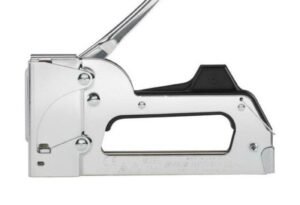
Now, let’s explore the process of using the staple gun to fix your loose carpet. This section provides a detailed guide, breaking down each step into manageable actions. Following this guide will help ensure the carpet is securely fastened and looks as it should. Whether you have experience or not, following these steps will make the process straightforward and effective.
Preparing the Area
Before using the staple gun, make sure you properly prepare the area. This involves cleaning the area, removing any old staples, and stretching the carpet, if necessary. A well-prepared workspace will result in a more efficient and successful repair. Take the time to properly prepare the space before starting this project. It will save you time and ensure a cleaner result.
- Clean the Area: Remove any dirt, dust, or debris.Clean the area by vacuuming it. This ensures that the staples can properly grip the subfloor and carpet without obstruction. Make sure to remove any loose debris, which can interfere with the stapling process. Cleanliness is a basic factor in a successful repair job.
- Remove Old Staples (if applicable): If you’re replacing staples, remove the old ones.Use a flat-head screwdriver or a staple remover to carefully pry out any old staples. This allows the new staples to fully penetrate the subfloor and hold the carpet securely. Take your time to avoid damaging the subfloor or carpet fibers. Getting rid of the old staples gives you a clean surface to work with, which is a key part of your repair job.
- Stretch the Carpet (if needed): Use a knee kicker to stretch the carpet back into place, or simply smooth the carpet with your hands.If the carpet has stretched or shrunk, using a knee kicker helps ensure that the carpet is evenly stretched across the subfloor. For smaller areas, you may be able to smooth the carpet manually. Stretching helps eliminate bulges or gaps, so the carpet lies flat and is ready for stapling. Stretched carpet is critical to make it look smooth and professional.
Stapling the Carpet
Now for the main event—stapling the carpet. Take your time, and make sure that the staples are securely fastened and spaced appropriately. When you correctly staple the carpet, the result will be a secure and professional finish. Correct stapling will mean less chance of redoing the project, and a longer life for your carpet.
- Position the Carpet: Align the carpet edge with the floor.Make sure the carpet is in the exact position you want before you staple it. Use your hands to smooth the carpet. Pay attention to any patterns or designs, and ensure they are aligned correctly. Properly positioning the carpet first will prevent any issues with crooked edges or misaligned patterns, and give a more refined look to the final results.
- Staple Along the Edges: Place staples about every 1-2 inches along the edges.The edges of the carpet are often the most prone to loosening. Placing staples at regular intervals along these edges will provide secure anchoring, preventing the carpet from lifting. Make sure the staples are properly seated into the subfloor. A regular spacing pattern will also give the repair a professional appearance.
- Check the Staples: Ensure the staples are flush with the carpet.After stapling, make sure the staples are not protruding or are causing the carpet fibers to bunch up. If they are not flush, the staples can catch on shoes or vacuum cleaners and damage the carpet. Use a hammer to gently tap down any staples that stick out. Checking the staples and fixing any problems is critical to avoid carpet damage later. Taking care of any problems at this stage is more effective than attempting repairs later.
Finishing and Inspecting
After you have stapled the carpet, it’s time to check your work and do any necessary finishing touches. This final phase makes sure the carpet is properly secured and aesthetically pleasing. Completing these final steps ensures the job is done well.
- Trim Excess Carpet: Use a utility knife to trim any excess carpet along the edges.If the carpet extends beyond the wall or trim, carefully cut off any excess material. This leaves a clean, neat appearance. Use a sharp utility knife to make a straight, accurate cut. Precise trimming will give a more polished, professional look.
- Inspect the Repair: Walk over the repaired area to check for any loose spots or bulges.Make sure the carpet feels secure and even. If you notice any issues, go back and re-staple any areas that feel loose. This inspection is a must, and it will ensure that you have a satisfactory result. This quick check will give you the confidence that the job is done right.
- Apply Seam Sealer (if applicable): If you’re working on a seam, apply seam sealer.Seam sealer helps to secure the carpet and prevents the seams from coming apart over time. Apply it evenly along the seam to ensure a strong bond. Follow the manufacturer’s directions for application. If you have carpet seams, using seam sealer is important for the durability and longevity of your carpet repair.
Different Carpet and Subfloor Considerations
The type of carpet and subfloor you have impacts the staple gun repair process. Understanding these differences will help ensure that you choose the right tools, staples, and techniques for your specific situation. Choosing the proper method can guarantee a successful, long-lasting repair.
Dealing With Different Carpet Types
- Loop Pile Carpet: Loop pile carpet is made with uncut loops of yarn.Be careful when working with loop pile carpet to avoid snagging the loops. Use a staple gun with adjustable depth settings and carefully insert the staples to minimize damage. If the loops get caught on the staple gun, they can pull the loops out. Always make sure to get all the loops back in place if you accidentally catch any with your staple gun.
- Cut Pile Carpet: Cut pile carpet has yarn that is cut, creating a softer surface.Cut pile is generally more forgiving to work with than loop pile. Make sure the staples are properly seated without damaging the fibers. If the fibers get bent, smooth them with your hand. Cut pile carpet will usually need less care, but you should still check to make sure the staples are flat with the carpet surface.
- Berber Carpet: Berber is a type of loop pile carpet with a distinctive appearance.Because Berber is made of loops, exercise extra caution when using the staple gun. Avoid snagging or pulling the loops. Berber carpets tend to be tightly woven, so carefully placing the staples is essential to maintain the carpet’s integrity. Carefully positioning the staples and protecting the loops will give you the best results.
Adapting to Different Subfloors
- Wood Subfloors: Wood subfloors are the most common.For wood, you will use staples designed for wood. Be careful of rot or damage. Make sure the staples fully penetrate the wood. Ensure you select the appropriate length staples for your carpet and padding thickness. Ensure the wood is in good shape. A stable subfloor provides a good foundation for the carpet.
- Concrete Subfloors: Concrete can require specialized fasteners.If you’re dealing with a concrete subfloor, you’ll need staples or fasteners designed for concrete. You may need to use a hammer tacker or a staple gun designed for concrete. For concrete, you may also use construction adhesive. You will also want to check for moisture, which is especially important with concrete. Always use the proper staples and fasteners for the kind of subfloor you’re working with.
- Particleboard Subfloors: Particleboard may require special considerations.Particleboard is a less durable subfloor. Ensure the staples penetrate the subfloor sufficiently. Because particleboard is less dense, use staples with caution and avoid over-stapling. Make sure the staples provide a secure hold. You may also need to consider other methods, such as adhesive, to ensure a good hold.
Preventative Maintenance and Tips
Once you’ve fixed the loose carpet using your staple gun, it’s critical to take some measures to keep it from coming loose again. Proper care and preventative maintenance can extend the life of your carpet and avoid future repairs. Simple habits and precautions can prevent future issues.
- Regular Vacuuming: Vacuum your carpet regularly.Consistent vacuuming helps to remove dirt and debris, which can break down the carpet fibers over time. This keeps your carpet in good shape. Be sure to use the right vacuum settings and attachments. Vacuuming regularly will keep your carpet looking better longer. It also protects the carpet from damage, which keeps it in place.
- Use Doormats: Place doormats at entryways.Doormats will catch dirt and debris before they reach your carpet. This prevents abrasive particles from being tracked onto your carpet. The use of doormats will help protect your carpet from the wear and tear caused by foot traffic. Make sure to choose doormats appropriate for the area and the volume of traffic.
- Protect High-Traffic Areas: Use runners or area rugs in high-traffic zones.Runners and area rugs can help protect the carpet in areas that receive heavy foot traffic. These can add extra layers of protection. Also, you can change them to distribute wear evenly. By adding extra protection in high-traffic zones, you will help preserve your carpet and reduce the need for repairs. This gives the areas more time before you need to consider more involved carpet work.
Frequently Asked Questions
Question: What size staples should I use?
Answer: The staple size depends on the thickness of your carpet and padding. Typically, use 1/4-inch to 3/8-inch staples. Make sure they penetrate the subfloor securely.
Question: Can I use a regular staple gun for this?
Answer: It’s best to use a staple gun designed for carpets. These typically have more power and are designed to drive staples into the subfloor without damaging the carpet fibers.
Question: How often should I re-staple my carpet?
Answer: The longevity of the repair depends on factors like foot traffic and carpet quality. Regularly inspect your carpet for loose areas and re-staple as needed to prevent the problem from worsening.
Question: What if my subfloor is uneven?
Answer: If your subfloor is significantly uneven, you may need to address it before stapling the carpet. You may need to level the subfloor with a patching compound or replace the damaged area.
Question: Can I use adhesive instead of staples?
Answer: Yes, you can sometimes use carpet adhesive, especially for concrete subfloors. However, staples are generally more secure and provide a more immediate hold. Adhesive can also be used in conjunction with staples for extra hold, especially for seams.
Final Thoughts
Repairing loose carpet with a staple gun is a straightforward and rewarding DIY project that can save you money and keep your home looking its best. With the right tools and a little bit of effort, you can easily restore your carpet to its original condition. Remember to take the time to assess the situation properly, gather the necessary materials, and follow the step-by-step instructions. By paying attention to detail and taking care when stapling, you can achieve a professional-looking result. Don’t be afraid to give it a shot. With this guide, you have the knowledge and confidence to tackle this project and keep your home looking its best. So, grab your staple gun, and get ready to enjoy a more secure and aesthetically pleasing space.

I’m Michael R. Turner, the founder, lead writer, and passionate DIY enthusiast behind 101diytools.com. With years of hands-on experience in home improvement and power tools, I built this platform to share practical tips, in-depth guides, and honest reviews to help DIYers of all skill levels tackle projects with confidence and the right tools.