Electric vs Pneumatic Staple Guns: Which Tool Is Right for You?
Picture this: You’re tackling a DIY project, maybe reupholstering a chair or assembling a new piece of furniture. You reach for your staple gun, ready to secure fabric or materials, only to find you’re facing a choice: an electric vs pneumatic staple gun. Which one do you choose? This seemingly small decision can significantly affect your project’s ease, efficiency, and final outcome. This guide aims to clarify the differences between the two, helping you choose the best tool for your specific needs, so you can confidently handle any project. You’ll gain a clear view of the pros and cons of each type, leading you to a choice that saves time and gets the job done right.
Key Takeaways
- Electric staple guns are generally more portable and convenient for smaller projects.
- Pneumatic staple guns offer more power and are ideal for heavy-duty tasks and continuous use.
- The power source significantly impacts the tool’s performance and suitability.
- Maintenance requirements differ, with pneumatic models needing regular lubrication.
- Cost varies, with pneumatic models often requiring additional investments in air compressors.
- Understanding these differences will help you choose the best staple gun for your projects.
Electric Staple Guns Unveiled
Electric staple guns are a favorite among DIY enthusiasts and those who occasionally tackle home improvement projects. They offer simplicity and ease of use, making them accessible to beginners and seasoned professionals alike. These tools eliminate the need for an air compressor, making them highly portable and ready to use whenever and wherever you need them. They are generally quieter than their pneumatic counterparts, offering a more pleasant working experience, and they often come at a lower initial cost. The primary advantage of an electric staple gun rests in its user-friendliness and portability.
Powering Up: The Mechanics of Electric Staple Guns
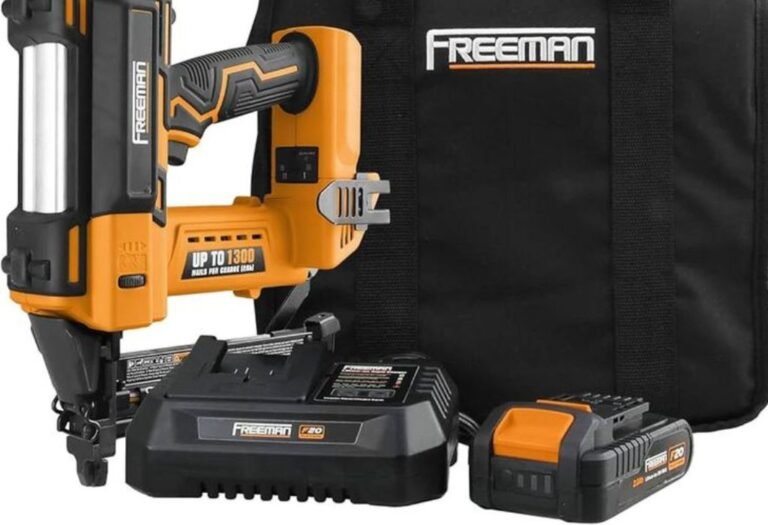
Electric staple guns operate using an electric motor that drives a firing mechanism. When the trigger is pulled, the motor activates, providing the force to drive the staple into the material. The power source is typically a standard wall outlet or a rechargeable battery pack. The speed and force of the staple delivery depend on the motor’s power and the gun’s design. This system simplifies the tool’s construction and operation, making it a common choice for various tasks.
-
- Direct Drive Motors: These are the most common type found in electric staple guns. The motor directly powers the firing mechanism, usually through a spring-loaded system. This design provides consistent power and is well-suited for lighter-duty applications like upholstery or craft projects.
Direct drive motors offer reliable performance. They are efficient for tasks that don’t demand extreme force or continuous use. A key aspect is the simplicity of the design, which reduces the chance of mechanical failures, making these tools user-friendly.
-
- Battery-Powered Options: Battery-powered electric staple guns provide added convenience by eliminating the need for cords. They use rechargeable lithium-ion batteries, similar to other power tools.
Battery-powered options are ideal for projects where access to power outlets is limited. These guns can offer enhanced mobility, allowing you to move freely without worrying about tripping hazards or needing extension cords. They provide the flexibility of cordless tools while still offering the advantages of electric operation.
-
- Staple Compatibility: Electric staple guns are typically designed to use specific staple sizes and types. This information is usually indicated on the tool itself or in the user manual.
Understanding staple compatibility is vital for ensuring optimal performance and avoiding jams. Using the incorrect staple size can result in inefficient fastening or damage to both the tool and the materials. Electric staple guns are engineered to handle certain staple sizes, which dictates their suitability for various applications.
Pros and Cons of Electric Staple Guns
Electric staple guns present a compelling mix of advantages and disadvantages. They are often a great choice, especially for projects that don’t demand industrial strength. Weighing the pros and cons is important to ensure it aligns with your specific needs. Understanding their capabilities lets you use them effectively and make informed decisions.
- Advantages:
-
- Portability: Electric staple guns are easy to move around because they don’t require an air compressor or air hoses. This makes them great for jobs in tight spaces or different locations.
The absence of cords with battery-powered versions enhances this portability. You can handle tasks without the hassle of managing cords or locating power outlets. This portability is especially beneficial for projects involving extensive movement or working at height.
-
- Ease of Use: Electric models are generally simpler to operate, making them suitable for beginners. They usually feature straightforward trigger mechanisms and require little setup or adjustment.
Their user-friendly design reduces the learning curve. They make quick, easy work of tasks, letting you get started without significant preparation. The ease of use also contributes to a smoother project flow, especially for occasional users.
-
- Lower Initial Cost: Electric staple guns often have a lower upfront cost than pneumatic models, as they don’t require the purchase of an air compressor. This makes them a more accessible option for people starting out or with limited budgets.
The reduced initial investment can be attractive. The lower price point lets you try projects without committing to a costly setup. The cost-effectiveness makes them a practical choice for smaller projects or infrequent users.
-
- Disadvantages:
-
- Limited Power: Electric staple guns may lack the power of pneumatic models, making them less suitable for tough materials or heavy-duty tasks. The force delivered by the motor may not be enough to drive staples fully into hard surfaces.
This limitation impacts their effectiveness on projects requiring significant penetration force. For materials like thick wood, some electric models may struggle. It can lead to the staples not setting securely.
-
- Duty Cycle: Electric staple guns may be prone to overheating during prolonged use. This can lead to tool failure or reduced performance.
The duty cycle limitations can affect productivity on large projects. Overheating can slow the work pace and require breaks for the tool to cool. It may impact efficiency during intensive use.
-
- Corded Limitations: Corded electric staple guns are limited by the length of the cord and the availability of power outlets. Cordless models have battery life limitations.
The corded models tether you to a power source, restricting mobility. For cordless options, battery life can be a factor. You need to recharge the battery periodically, adding downtime. This limits your continuous work time.
-
Pneumatic Staple Guns Explained
Pneumatic staple guns use compressed air to drive staples. These tools are the workhorses of many industries, valued for their power, speed, and durability. They are preferred for demanding projects, offering a level of performance that electric models often cannot match. Pneumatic staple guns are ideal for tasks requiring consistent power and a high volume of staples. These tools are designed to handle rigorous use.
Compressed Air: The Driving Force
Pneumatic staple guns rely on compressed air to operate. When the trigger is pulled, a valve releases a burst of compressed air, driving a piston that forces the staple into the material. The pressure and volume of air determine the staple’s impact. The compressed air is supplied by an air compressor connected to the gun via an air hose. The efficiency of a pneumatic staple gun is directly tied to the performance of the air compressor. Proper maintenance ensures optimal performance.
-
- Air Compressor: The air compressor is a critical component of a pneumatic system. It takes in air, compresses it, and stores it in a tank. The compressor’s size and capacity should match the needs of the staple gun.
An adequately sized air compressor ensures that the staple gun receives a steady and sufficient supply of compressed air. This is important for maintaining consistent power and preventing performance drops during use. Choosing the right compressor depends on the staple gun’s air consumption rate (measured in CFM – Cubic Feet per Minute) and the frequency of use.
-
- Air Hose: The air hose connects the air compressor to the staple gun. It delivers compressed air to the gun. The hose’s length and diameter impact the gun’s performance.
A well-maintained air hose is key to pneumatic tool efficiency. You should choose a hose of appropriate length and diameter to ensure adequate airflow. It is essential to inspect the hose regularly for leaks or damage. Any leaks can reduce air pressure and impact the staple gun’s efficiency.
-
- Air Pressure Regulation: Pneumatic staple guns require a regulator to control the air pressure. The regulator allows you to adjust the pressure to match the requirements of the project.
Adjusting the air pressure lets you fine-tune the staple gun’s performance, allowing you to use it for different materials and tasks. Incorrect pressure can lead to staple penetration issues. Understanding how to set the correct air pressure extends the life of the tool.
Advantages and Disadvantages of Pneumatic Staple Guns
Pneumatic staple guns present a blend of advantages and drawbacks. They excel in demanding applications, but they also require an initial investment. Considering these factors is crucial to see whether a pneumatic model fits your specific needs. Understanding these nuances lets you make the most of the tool.
- Advantages:
-
- High Power: Pneumatic staple guns deliver substantial driving force. They can easily penetrate hardwoods and other dense materials. They provide the power needed for heavy-duty tasks.
The enhanced power makes them suitable for projects requiring deep staple penetration. This capability assures a secure and durable fastening. This high level of power reduces the effort needed for tasks.
-
- Fast Operation: Pneumatic models are often faster than electric staple guns, making them ideal for high-volume jobs. The rapid firing rate helps speed up work.
The speed offered by these tools means less time spent on individual staples. This feature is particularly beneficial on large projects. This efficiency makes them a preferred tool for professionals.
-
- Durability: Pneumatic staple guns tend to be more robust than their electric counterparts. They can withstand frequent use and challenging conditions. They’re built to last, offering a long lifespan.
Durability helps these tools withstand the rigors of commercial use. Their long lifespan lowers the chance of premature failure. This ensures a consistent level of performance over time.
-
- Disadvantages:
-
- Requires Air Compressor: The biggest drawback is the need for an air compressor, which adds to the initial cost and takes up space. A compressor is essential to the function of pneumatic tools.
The requirement for an air compressor adds another layer of setup and maintenance. It also impacts the tool’s portability. This can be a barrier to entry for some people.
-
- Maintenance: Pneumatic staple guns require regular maintenance, including lubrication, to function correctly. Without it, the tools can wear out more quickly.
Proper maintenance is essential for extending the life of pneumatic tools. Lubrication and other upkeep procedures are crucial. Ignoring these maintenance tasks can cause reduced performance.
-
- Noise: Pneumatic models can be noisy, especially when coupled with a loud air compressor. This is often louder than the operation of electric models.
The noise level can be an issue in certain work environments. Using hearing protection is often recommended. This needs to be considered, especially if you work in an enclosed space.
-
Electric vs Pneumatic Staple Gun: A Comparison
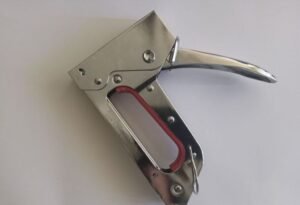
To fully grasp the differences between electric and pneumatic staple guns, it’s beneficial to compare them across key aspects. This direct comparison highlights where each type of tool shines. Understanding these differences can guide your decision based on your requirements.
| Feature | Electric Staple Gun | Pneumatic Staple Gun |
|---|---|---|
| Power Source | Electric motor (corded or battery) | Compressed air from an air compressor |
| Power | Generally lower than pneumatic models | Higher, suitable for heavy-duty tasks |
| Portability | Excellent, especially cordless models | Limited by the need for an air compressor and hose |
| Ease of Use | Very easy to use, ideal for beginners | Requires setup with an air compressor, needs more training |
| Speed | Slower firing rate | Faster firing rate, ideal for high-volume jobs |
| Maintenance | Low maintenance | Requires regular lubrication and air compressor upkeep |
| Noise | Quieter operation | Louder, especially when paired with an air compressor |
| Cost | Lower initial cost (excluding battery-powered models) | Higher initial cost (includes air compressor) |
This side-by-side comparison offers a clear view of how these tools differ. The type of project and the frequency of use will play a role in which one to select.
Real-World Examples: Electric and Pneumatic Staple Guns in Action
To truly appreciate the strengths of each tool, let’s explore a few real-world examples. These case studies will illustrate how each type excels in different situations. These examples offer practical insights into the applications for these tools.
- Upholstery Project:A homeowner decides to reupholster a dining room chair. They need to attach fabric to the chair’s frame. An electric staple gun is the perfect choice for this project. Its portability and ease of use are ideal for maneuvering around the chair. The electric tool provides enough power to secure the fabric. The quiet operation is an advantage for indoor use. The project is completed efficiently and with minimal effort. Electric models are ideal for such projects.
- Deck Building:A contractor is building a new deck. They need to install wooden planks to the deck’s frame. A pneumatic staple gun would be the better choice here. This tool’s high power and speed are vital for driving staples into the wood efficiently. The pneumatic tool reduces labor time. The rugged design assures durability. The job is completed rapidly. Pneumatic models are the better choice for this task.
- Framing a Wall:A carpenter is building interior walls in a house. They are attaching drywall to the wooden studs. This task needs a reliable fastening tool to ensure the drywall is attached securely. The speed of the pneumatic staple gun proves invaluable. The power of the tool drives the staples deep. This ensures a tight hold. It speeds up the framing process. A pneumatic tool is the ideal choice for framing.
Choosing the Right Staple Gun: Key Considerations
Selecting the right staple gun goes beyond choosing between electric vs pneumatic options. Several factors will influence your decision. Thinking through these aspects will help ensure that the tool aligns with your specific needs. Consideration of these points helps assure a better tool choice.
- Project Scope:
-
- Small Projects: For occasional DIY tasks like upholstery or small repairs, an electric staple gun is a great choice. They are portable and easy to use.
Electric tools offer enough power for smaller projects. They offer the convenience needed for infrequent use. They make it easy to start and finish projects quickly.
-
- Large Projects: For projects involving extensive stapling, like deck building or framing, a pneumatic staple gun is better. They provide power and speed for demanding tasks.
The speed and power of pneumatic tools are an asset for large projects. They can handle heavy use and reduce completion time. Their durability will prove vital.
-
- Material Type:
-
- Soft Materials: Electric staple guns are sufficient for fabrics, thin wood, and other softer materials. They provide enough force for secure attachment.
The lighter force of electric models prevents damage to delicate materials. This control assures that the materials remain intact. This is important for projects where looks are important.
-
- Hard Materials: Pneumatic staple guns are recommended for hard materials like dense wood and composite materials. Their power is vital for driving staples fully.
The added force of pneumatic tools is critical for hard materials. They ensure the staples are set properly. This secures a strong hold. This is a must in projects that need strength.
-
- Frequency of Use:
-
- Occasional Use: For occasional users, the convenience and lower initial cost of an electric model make it a good selection.
The easy operation and portability of electric tools are ideal for infrequent use. They don’t require much setup or maintenance. You can get started right away. This can save time and effort.
-
- Frequent Use: For frequent users and professionals, the power and durability of a pneumatic staple gun are a worthy investment.
The robustness of pneumatic tools is helpful for regular, heavy-duty use. They can withstand constant operation. This offers greater efficiency. This can also reduce downtime.
-
Frequently Asked Questions
Question: What is the main difference between an electric and pneumatic staple gun?
Answer: The primary difference is the power source: electric guns use electricity (corded or battery), while pneumatic guns use compressed air from an air compressor.
Question: Which is better for upholstery work, an electric or pneumatic staple gun?
Answer: An electric staple gun is often preferred for upholstery due to its portability, ease of use, and controlled power, which reduces the risk of damaging delicate fabrics.
Question: Do pneumatic staple guns require a lot of maintenance?
Answer: Yes, pneumatic staple guns need regular maintenance, including lubrication, to ensure they operate correctly and have a long lifespan.
Question: Are electric staple guns suitable for heavy-duty tasks?
Answer: Electric staple guns are generally not suitable for heavy-duty tasks. They may lack the power needed to drive staples into hard materials like thick wood.
Question: Is an air compressor required for all pneumatic staple guns?
Answer: Yes, an air compressor is required for all pneumatic staple guns, as it supplies the compressed air needed for operation.
Final Thoughts
Choosing between an electric vs pneumatic staple gun comes down to understanding your specific project needs. Electric models excel in portability and user-friendliness, perfect for occasional DIY projects and lighter materials. They provide an accessible entry point and are ideal for tasks where convenience is key. Pneumatic staple guns, on the other hand, shine in power and speed. They are best suited for professionals and projects that demand heavy-duty performance. They offer rapid stapling and are made for the most demanding materials. Before making a purchase, assess the scope, materials, and frequency of use for your project. By considering these factors, you’ll select the right tool to get the job done efficiently and effectively. This will help enhance your DIY experience.

I’m Michael R. Turner, the founder, lead writer, and passionate DIY enthusiast behind 101diytools.com. With years of hands-on experience in home improvement and power tools, I built this platform to share practical tips, in-depth guides, and honest reviews to help DIYers of all skill levels tackle projects with confidence and the right tools.