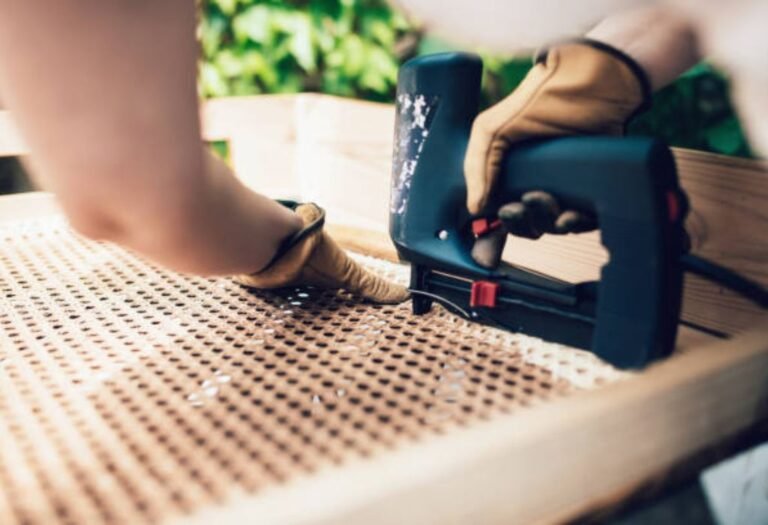
Why Is Your Electric Staple Gun Not Working? Fixes
Picture this: you’re finally tackling that long-awaited DIY project, excited to put the finishing touches on your masterpiece. You grab your trusty electric staple gun, ready to get to work, but. nothing happens. The frustrating click, the stalled staple, the sinking feeling that your project has hit a snag – sound familiar? Many people experience issues with their staple guns at some point. This guide offers a practical resource to get your project back on track. You will learn the common causes of problems and get simple fixes.
Key Takeaways
- Understand the main reasons why an electric staple gun malfunctions.
- Learn troubleshooting steps to diagnose the problem.
- Discover the best practices for maintaining your staple gun.
- Find out how to safely operate and store your staple gun.
- Identify when to seek professional help.
- Explore how to prevent future issues.
Common Reasons for an Electric Staple Gun Not Working
When an electric staple gun not working becomes an issue, the cause isn’t always obvious. Numerous factors can prevent it from working. Sometimes it’s a simple fix, like a jammed staple. Other times, the issue might be related to the power source, the staples themselves, or internal mechanical problems. It’s important to systematically check each area to isolate the problem.
Power Supply Problems
The first step is always to verify the power supply. Electric staple guns require a reliable source of electricity to function correctly. This can be as simple as an extension cord. Often, the issue is not the tool itself, but something related to the electricity getting to the tool. Start by checking the outlet. This might seem obvious, but it’s often overlooked. Plug another device into the outlet to confirm it’s working. If the outlet is not providing power, you’ll need to troubleshoot it separately.
- Check the Power Cord: Examine the power cord for any visible damage. Look for cuts, frays, or exposed wires. A damaged cord can interrupt the power supply, preventing the tool from working. If the cord is damaged, do not use the tool. Replace the cord, or consider getting a new tool.
- Inspect the Circuit Breaker: Electric staple guns can draw a significant amount of power, especially during initial operation. A tripped circuit breaker is a common reason for a tool to fail. Check your home’s circuit breaker box to see if the breaker for the outlet has tripped. If it has, reset it.
- Test the Outlet with Another Device: Ensure the outlet itself is functioning properly by plugging in another appliance or device. This will help you determine if the issue lies with the outlet or the staple gun. If the other device doesn’t work, then the problem is with the outlet.
- Consider Using a Different Outlet: If other electrical devices work at your current location, try plugging the staple gun into a different outlet. This will eliminate the possibility that the issue is specific to a particular outlet.
A faulty power cord is a safety risk and a frequent cause of problems. Damaged cords can cause electrical shocks or, in worst-case scenarios, fires. Always inspect the cord before using the tool. A tripped circuit breaker shuts off power to the circuit, protecting your home from electrical overload. Knowing how to reset it is a key skill. According to the National Fire Protection Association (NFPA), electrical problems cause tens of thousands of home fires each year in the United States. Taking care of your cords and outlets is very important.
Staple-Related Issues
Staple jams and incorrect staple sizes are common culprits behind a malfunctioning electric staple gun. The correct staples are a must. Using the wrong size or type of staples may cause the gun to jam or simply not function. In addition, the way staples are loaded, and the condition of the magazine are also important.
- Staple Jams: A jammed staple is perhaps the most common issue. The staple might get stuck inside the firing mechanism, preventing the gun from working. Clear the jam immediately.
- Incorrect Staple Size or Type: Using staples that are not compatible with your staple gun can cause malfunctions. Check your tool’s manual to find the correct staple size and type.
- Staple Loading Problems: Sometimes, the staples may not be loaded correctly into the magazine. Make sure the staples are properly aligned and that the magazine is securely closed.
- Magazine Issues: Inspect the magazine. It should be clean and free of debris. Remove any rust or damage to ensure smooth operation.
A jammed staple is generally the most straightforward issue to fix, often requiring nothing more than opening the staple gun and carefully removing the obstruction. Not using the correct staple size and type can lead to frustrating jams or even damage the tool. Make sure the staples fit the gun before loading. Many staple guns have a sticker on them that indicates the proper staples. If you are having trouble with staples getting jammed, consider purchasing staples from the staple gun manufacturer.
Internal Mechanical Problems
Internal mechanical problems can be a bit more challenging to diagnose than power supply or staple issues. These problems can be related to worn or damaged internal components, lubrication issues, or even debris inside the tool. Regular maintenance and proper use can help prevent these issues, but they can still happen.
- Worn or Damaged Parts: Over time, the internal parts of the staple gun can wear down. This is especially true if the tool is used frequently. Check for any broken or damaged parts.
- Lack of Lubrication: Moving parts need to be lubricated to function correctly. If the tool is not lubricated properly, it can cause friction, leading to jams or malfunctions. Refer to the tool’s manual for lubrication instructions.
- Debris Inside the Tool: Dust, wood shavings, and other debris can get inside the staple gun and interfere with its operation. Cleaning the tool regularly will help prevent this.
- Firing Mechanism Issues: Problems with the firing mechanism itself, such as a broken spring or worn hammer, can prevent the tool from working. Inspect these components if possible, or consult a professional.
Worn or damaged internal parts are inevitable with prolonged use. Regular inspection helps catch these problems early. Lack of lubrication causes friction. Friction causes the tool to work harder, generating heat and increasing wear and tear. A well-lubricated tool runs smoother and lasts longer. Also, regular cleaning removes debris. These steps can prevent a wide range of mechanical issues and extend the tool’s life.
Troubleshooting Steps When Your Electric Staple Gun Not Working
When you have an electric staple gun not working, systematic troubleshooting is the key to finding the problem. Instead of guessing, start with a process to identify the issue. This organized approach saves time and helps make sure that all the usual suspects have been accounted for. Here are the steps to follow:
- Check the Power Source: Verify the outlet is working. Make sure the power cord is securely plugged into both the gun and the outlet. Try a different outlet to rule out outlet-related issues.
- Inspect the Power Cord: Look at the entire power cord for cuts, fraying, or any signs of damage. If damage is found, do not use the tool. Replace the cord.
- Check the Circuit Breaker: See if the circuit breaker has tripped. Reset the breaker if necessary. This might be the solution if the gun won’t start at all.
- Examine the Staples: Confirm that the staples are the correct size and type for your tool. Make sure they are loaded correctly in the magazine. Clear any jams.
- Inspect the Tool: Open the tool’s magazine and check for any obstructions or debris. Clean the magazine if needed. If any components are obviously damaged, they may need replacing.
- Try a Test Staple: Once you’ve checked all these factors, try stapling a piece of scrap wood. This will help you determine if the gun is working correctly.
Checking the power source is the first step. Ensuring the power supply is reaching the tool will prevent you from chasing other potential issues that are not the problem. Correctly checking the staples involves confirming the right type and size and removing any obstructions. Inspecting the tool helps you identify mechanical problems that can be the root cause of the problem. Trying a test staple ensures that the gun works before you use it on your project. This methodical approach will help you pinpoint the root cause quickly and efficiently.
Maintaining Your Electric Staple Gun
Proper maintenance is a must for extending the life of your electric staple gun. Regular maintenance not only ensures the tool performs at its best but can also prevent common issues. A well-maintained staple gun is much more reliable and efficient.
- Regular Cleaning: After each use, clean the staple gun to remove any debris like staples, dust, or wood particles. Use a brush or compressed air to reach all areas of the tool.
- Proper Lubrication: Lubricate the moving parts of the staple gun. Apply a small amount of the recommended lubricant (refer to your tool’s manual) to the moving parts. This helps prevent friction and wear.
- Staple Storage: Store the staple gun in a dry place. Exposure to moisture can cause rust and corrosion, which can damage the tool. Keeping the staples in their original packaging will also help keep them dry.
- Visual Inspection: Regularly inspect the staple gun for any signs of wear, damage, or loose parts. Check the power cord for damage.
Regular cleaning is a straightforward task that prevents a build-up of debris, which can cause jams and other malfunctions. Proper lubrication reduces friction and prolongs the tool’s lifespan. Lubrication also helps maintain smooth operation. Staple storage prevents rust, corrosion, and moisture that can harm your tool. Regular inspection can catch minor issues before they become major problems. Following these maintenance guidelines will help keep your staple gun in good working condition.
Safety Guidelines for Operating Your Staple Gun
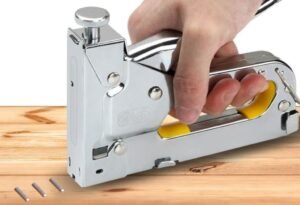
Operating an electric staple gun safely is essential to protect yourself from injury. Always take the necessary precautions to avoid accidents. Using an electric staple gun can be dangerous if you don’t follow safe operating practices. Follow these guidelines to ensure your safety and the safety of those around you.
- Wear Safety Glasses: Always wear safety glasses to protect your eyes from staples or debris that may fly up during operation.
- Work in a Well-Lit Area: Ensure you have adequate lighting to see what you are doing. This will help prevent accidents.
- Disconnect Before Maintenance: Always unplug the staple gun from the power source before performing any maintenance.
- Avoid Pointing at Yourself or Others: Never point the staple gun at yourself or anyone else. Treat it as a loaded weapon.
- Use the Correct Staples: Always use the correct staples to prevent jams and potential injuries.
- Never Force the Tool: If the staple gun is not working correctly, do not force it. Investigate the problem.
Wearing safety glasses is non-negotiable. They are the first line of defense against eye injuries. Adequate lighting helps you see exactly where you are working, reducing the risk of errors and injuries. Disconnecting the tool before maintenance ensures you don’t accidentally trigger it while working on it. Never pointing the staple gun at yourself or others prevents accidental injuries. Using the correct staples ensures the tool works properly and prevents injuries due to jams. Never forcing the tool can prevent injuries or damage to the tool itself. Following these safety practices greatly reduces the risk of injury when using an electric staple gun.
When to Seek Professional Help
Although many issues with an electric staple gun can be resolved with basic troubleshooting, there are instances where professional help may be needed. Don’t try to fix something you are not comfortable with. Knowing when to call in an expert can save you time, effort, and possibly prevent further damage to the tool or even injury.
- Electrical Problems: If you suspect any electrical issues, such as a damaged cord or internal wiring problems, it’s best to consult an electrician.
- Severe Mechanical Damage: If internal parts are broken or severely damaged, and you are not comfortable repairing them, consider taking the tool to a professional.
- Recurring Problems: If you find that the staple gun continues to experience the same problems, even after you’ve tried all the troubleshooting steps, it may be time for professional help.
- Warranty Issues: If your tool is still under warranty, it’s wise to contact the manufacturer or an authorized repair center to avoid voiding the warranty.
Electrical issues are best left to professionals. A damaged cord or internal wiring can be dangerous and could lead to electric shock or even a fire. Severe mechanical damage requires the skills of someone experienced in tool repair. Recurring problems can indicate a deeper, more complex issue that professionals can often diagnose and fix efficiently. If your tool is still under warranty, contact the manufacturer to avoid voiding your warranty. Professional help can prevent further damage and ensure your tool is repaired correctly.
Preventing Future Electric Staple Gun Not Working Issues
Preventative measures are the best way to keep your electric staple gun running smoothly. The goal is to avoid issues before they start. Through a few simple practices, you can minimize the chances of problems and prolong the life of your tool. Here are some preventative strategies:
- Follow the Manual: Always refer to the manufacturer’s manual for proper operation and maintenance procedures.
- Use Quality Staples: Purchase high-quality staples from a reputable supplier. Inferior staples can cause problems and damage the tool.
- Store Correctly: Store your staple gun in a dry, safe place away from extreme temperatures and moisture.
- Regularly Inspect: Make it a practice to inspect the tool before each use. Check for any signs of damage or wear.
- Avoid Overuse: Avoid using the staple gun continuously for long periods. Allow the tool to cool down.
Following the manual ensures that you operate the tool according to the manufacturer’s specifications. Proper operation includes the correct loading of staples, the recommended usage, and the safety measures that need to be in place. Purchasing high-quality staples reduces the chances of jams and ensures that the staples are compatible with your tool. Correct storage and regular inspections are important for protecting your investment. Avoiding overuse helps prevent the tool from overheating and potentially damaging its internal components.
Frequently Asked Questions
Question: What should I do if my electric staple gun is jamming repeatedly?
Answer: First, unplug the tool. Then, remove the staples from the magazine. Carefully inspect and remove any jammed staples or debris. Ensure you are using the correct staple size and type, then reload the staples properly. If the jamming persists, there might be a more serious internal issue. Consider seeking professional help.
Question: My electric staple gun won’t turn on. What could be the cause?
Answer: Check the power source. Confirm the tool is plugged into a working outlet. Check the circuit breaker to see if it has tripped. Also, inspect the power cord for damage. If the cord is fine, the tool might have an internal electrical issue that might require repair or replacement.
Question: How often should I lubricate my electric staple gun?
Answer: The frequency of lubrication depends on how often you use the tool. Generally, lubricating the moving parts of your staple gun after every few uses is a good practice. Consult the tool’s manual for specific lubrication instructions and recommended lubricants.
Question: What type of staples should I use in my electric staple gun?
Answer: Always use the staple size and type recommended by your staple gun’s manufacturer. This information is usually found in the user manual or printed on the tool itself. Using the wrong staples can lead to jams and potential damage to the tool.
Question: What are the main signs of an electric staple gun that is about to fail?
Answer: The main signs include reduced power, inconsistent stapling, frequent jams, and unusual noises. Other signs include a damaged power cord or a strong burning smell. If you notice any of these signs, stop using the tool and investigate the issue. Get it repaired before using it again.
Final Thoughts
When you face the frustration of an electric staple gun not working, remember that the problem is often solvable with a bit of troubleshooting. By checking the power source, inspecting the staples, and examining the tool’s internal components, you can usually identify and fix the issue. Regular maintenance, including cleaning and lubrication, is key to keeping your staple gun in top condition. Adhering to safety guidelines during operation and knowing when to seek professional help are also vital to making sure you have a working tool. With a bit of knowledge and some simple steps, you can keep your projects on track and avoid the disruption of a malfunctioning staple gun.

I’m Michael R. Turner, the founder, lead writer, and passionate DIY enthusiast behind 101diytools.com. With years of hands-on experience in home improvement and power tools, I built this platform to share practical tips, in-depth guides, and honest reviews to help DIYers of all skill levels tackle projects with confidence and the right tools.