Why Is My Electric Staple Gun Not Firing? Troubleshooting
Picture this: You’re in the middle of a DIY project, ready to attach some fabric to a frame, when your trusty electric staple gun suddenly stops working. Frustrating, right? You’re not alone! Many people experience this, and it can halt your project in its tracks. This blog post will help you explore the common reasons behind an electric staple gun not firing and give you practical solutions to get back on track. You will explore step-by-step troubleshooting, common problems, and how to maintain your tool for better performance, increasing the lifespan of your staple gun and boosting productivity. You will explore a list of things to check and ways to solve these problems. This post aims to equip you with the knowledge to diagnose and fix the issue, saving you time, money, and stress.
Key Takeaways
- Learn the most common reasons why an electric staple gun malfunctions.
- Explore step-by-step troubleshooting techniques to diagnose the issue.
- Discover how to maintain your staple gun to prevent future problems.
- Understand the importance of using the correct staples for your gun.
- Gain practical tips for safely operating and caring for your tool.
- Get your staple gun working with this helpful, in-depth guide.
Common Causes of an Electric Staple Gun Not Firing
The frustration of a malfunctioning electric staple gun can be quickly solved with the correct knowledge. The main causes can range from simple issues, like an empty magazine, to more complex problems within the gun’s internal mechanisms. The first step involves a basic inspection of the device. This includes the power supply, the staples, and the gun’s overall condition.
Power Supply Issues
Before delving into the internals, check the power source. The staple gun’s functionality relies heavily on a stable and sufficient supply of electricity. Whether it’s a corded or cordless model, the power source is the initial point of investigation. A loose connection or a tripped circuit breaker can be the root cause of the problem.
-
- Check the Outlet: Ensure the power outlet is functioning correctly. Plug another device into the outlet to verify it’s providing power. If the device doesn’t work, there might be an electrical issue.
If the outlet appears to be working, the issue could be with the electric staple gun itself. This helps to rule out the most common and easily fixable cause, leaving you with a smaller list of potential issues. Checking the outlet is a simple but critical initial step, saving time and frustration.
-
- Inspect the Power Cord: For corded models, carefully inspect the power cord for any visible damage, such as cuts, frays, or exposed wires. Any damage can disrupt the flow of electricity, preventing the staple gun from operating correctly.
If you see any damage, don’t use the gun. It is safer to
-
- Battery Check (for Cordless Models): If you’re using a cordless staple gun, confirm the battery is fully charged. Low battery power might prevent the gun from firing staples.
Different models have different charging times, so be sure to follow the manufacturer’s instructions. A fully charged battery ensures the staple gun has enough power to function correctly and drive the staples effectively. Low batteries cause inconsistent staple firing or complete failure to fire.
Staple-Related Problems
Staples are, of course, essential to the electric staple gun’s function. The correct type and size are required for optimal performance. The use of incorrect staples or problems with the staple loading mechanism can prevent the gun from firing. This includes incorrect staple sizes, staple jams, and problems in the staple feeding process.
-
- Staple Size and Type: Check that you are using the correct staple size and type recommended for your specific electric staple gun model. Using staples that are too long, too short, or of the wrong gauge can cause jams or prevent them from firing correctly.
Each model has specifications, often found in the user manual or on the gun itself. Using the correct staples ensures the gun operates efficiently and the staples are driven properly into the material. The right staples help to avoid malfunctions and ensure your project’s success. Check the owner’s manual for staple size information.
-
- Staple Jam: Inspect the staple chamber for jams. Staples can sometimes get stuck, especially if they are misaligned or bent.
Carefully remove the staple magazine and check for any obstructions. You might need to use a small tool, like needle-nose pliers, to remove jammed staples. Make sure to unplug the tool before working on it to prevent accidental firings. Regularly cleaning the staple chamber and following the user’s instructions helps to prevent jams.
-
- Staple Loading Issues: If staples are not loaded correctly into the magazine, the gun will not fire. Make sure they are aligned properly and pushed all the way into the magazine channel.
Proper loading involves ensuring the staples are arranged uniformly within the magazine, allowing the gun’s mechanism to pick and drive them smoothly. This usually involves opening the magazine, loading the staples with their legs facing the correct way, and then closing the magazine securely. Check the manufacturer’s instructions to load staples properly.
Internal Mechanical Issues
The internals of the electric staple gun are complex. Problems inside the gun can cause it not to fire, ranging from mechanical wear and tear to lubrication issues. These problems are often more difficult to diagnose and fix and may need a professional. Regular maintenance and careful operation can reduce the likelihood of these issues.
-
- Firing Mechanism: The firing mechanism is responsible for driving the staples. Over time, components might wear out or break, preventing the gun from working correctly.
The firing mechanism usually involves springs, plungers, and other parts that, with use, can degrade. If the gun is not firing, inspect the firing mechanism to see if you can detect any visible issues, such as broken parts or unusual wear. This may require disassembling the gun (if you’re comfortable doing so) or having it inspected by a professional.
-
- Lubrication: Proper lubrication is key for the internal moving parts. Lack of lubrication can lead to increased friction, causing the gun to malfunction.
Regularly apply lubricant to the appropriate areas, as specified in your user manual. This will ensure that the internal parts move smoothly. Use a light machine oil specifically designed for tools. Excessive use can also attract dust and debris, so follow the manufacturer’s guidelines for frequency and amount.
-
- Trigger Issues: The trigger mechanism can fail. This can be caused by physical damage or internal problems.
Problems with the trigger can be caused by bent or broken parts. Check the trigger’s movement. It should move smoothly. If the trigger feels stuck or doesn’t have its usual movement, there might be a problem. This might involve replacing the trigger or fixing internal components.
Step-by-Step Troubleshooting Guide
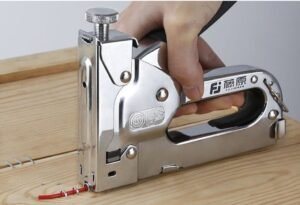
A systematic approach is essential to diagnose why your electric staple gun is not firing. The troubleshooting process starts with the most common and easiest fixes, then moves to more involved solutions. This approach helps to quickly identify and resolve the problem, which saves you time and effort.
Initial Checks
The initial checks involve the easiest things to check. This saves time and effort. It is like a short checklist to rule out the simplest issues.
-
- Power Supply: Check the power cord, outlet, and battery (if cordless).
Ensure the gun is receiving power. Confirm the power outlet is working by plugging in another appliance. If cordless, ensure the battery is fully charged. If the power supply is the issue, it is a simple fix.
-
- Staple Magazine: Open the staple magazine. Check if it’s empty or if the staples are jammed.
Remove the magazine to see if staples are present and correctly aligned. Sometimes the staples get jammed, preventing the gun from firing. If the magazine is empty or staples are jammed, load or clear the staples accordingly.
-
- Safety Features: Some electric staple guns have safety features that prevent accidental firing. Check if the safety mechanism is properly engaged.
If the safety mechanism isn’t engaged correctly, the gun won’t fire. Read your owner’s manual to understand the safety features of your tool.
Advanced Troubleshooting
If the initial checks don’t work, more investigation is needed. This might involve inspecting the internal parts of the gun. The user manual will provide additional information and assistance.
-
- Detailed Staple Inspection: If the magazine is loaded, take the staples out and inspect them for damage.
Check for bent or misaligned staples. This is especially true if the gun was working before and suddenly stopped. Damaged staples can prevent the gun from firing.
-
- Firing Mechanism Check: Examine the firing mechanism if you are comfortable.
This includes looking at the trigger, springs, and plunger for signs of damage or wear. If you find visible damage, you might need to take your tool to a professional for repair.
-
- Contact Cleaning: Clean the contacts of the gun. If the gun still isn’t working, dirt or debris might be the problem.
If you’re comfortable, you can clean the contacts with a dry, soft brush. Be sure to unplug the gun before performing this task. Make sure to reassemble everything correctly. This can often resolve intermittent firing issues.
Professional Inspection
If the troubleshooting steps don’t resolve the problem, it might be time to have your electric staple gun looked at by a professional. Complex problems, like worn-out internal parts, may be beyond the scope of a simple DIY fix. A professional can quickly diagnose and repair the issue.
-
- When to Seek Professional Help: If you are not comfortable taking the tool apart, it is best to take it to an expert.
If the gun isn’t working after you’ve tried all the troubleshooting steps, or if the problem seems internal, consider taking it to a tool repair shop. A professional has the experience and tools to fix the problem correctly. This can save you time, effort, and possibly the cost of replacing the tool.
-
- Finding a Repair Shop: Look for tool repair shops near you. Check online reviews and ask for recommendations.
When selecting a shop, make sure that they have experience with the brand of your staple gun. This is to ensure you get quality repairs. A reputable repair shop will have trained technicians. They also should use genuine parts and be able to give you an estimate of the repair costs.
Preventive Maintenance to Keep Your Electric Staple Gun Running
Regular maintenance is essential to prevent your electric staple gun from malfunctioning. Proper care ensures the tool works efficiently. These tips help to extend the lifespan of your staple gun and reduce the chances of encountering problems.
Cleaning and Lubrication
Keeping your electric staple gun clean and well-lubricated is one of the best ways to ensure it works. Regular cleaning helps remove dust and debris. Lubrication keeps the internal parts moving smoothly. Together, these practices help prevent jams and ensure smooth operation.
-
- Regular Cleaning: After each use, wipe down the exterior of the gun to remove dust and debris. Clean the staple magazine.
This prevents buildup that can cause malfunctions. Use a soft brush or compressed air to remove debris from the magazine and other hard-to-reach spots. Regular cleaning prevents staple jams and keeps the gun functioning at its best.
-
- Proper Lubrication: Apply a light machine oil to the moving parts as recommended in the manual.
Lubrication reduces friction and wear. Proper lubrication helps the tool work smoothly. Ensure you use the correct type of lubricant, as specified by the manufacturer. Over-lubricating may also attract dust, so follow the recommendations.
-
- Storage: Store the staple gun in a clean, dry place.
Avoid storing it in areas with extreme temperatures or humidity. Moisture and dust can damage the internal components. Protecting the tool from these conditions will extend its life and ensure it’s ready for use when you need it.
Staple Selection and Handling
Choosing the correct staples and handling them properly are also essential. Correct staples prevent jams. Proper handling can protect the tool.
-
- Using the Right Staples: Always use the correct staples for your gun.
Using the correct staples will make your project easier, as the staples will drive into the material properly. Make sure you know the correct staple type and size for your tool. This information is usually found in your owner’s manual.
-
- Staple Storage: Store staples in a dry place.
Moisture can damage staples and can cause rust. This can cause the staples to jam in the magazine. Keep your staples in a sealed container in a dry place to prevent rust.
-
- Safe Handling: Handle the staple gun and staples safely. Always point the gun away from your body and others.
Never leave a loaded gun unattended. Safe handling practices are important to prevent injuries and accidents. Always follow the manufacturer’s safety instructions. Always unplug the gun from the power source when not in use or when performing maintenance.
Regular Inspections
Doing regular inspections is important. Look for problems before they become major issues. These checks help prevent problems and ensure your electric staple gun is always ready for your next project.
-
- Visual Inspection: Regularly inspect the electric staple gun for any visible damage.
Look for loose parts, cracks, or other signs of wear and tear. Checking the tool for problems will make your projects safer. These inspections should happen before each use. These checks will help you find potential problems before they lead to bigger issues.
-
- Performance Test: Test the gun before beginning your project.
Test the staple gun on scrap material to make sure that it’s working correctly. This can help you find out if there are any issues before they affect your actual work. If you notice any problems, troubleshoot them before you start your real project.
-
- Professional Checkups: Consider having the tool checked by a professional.
A professional inspection can identify issues you might miss. Regular professional inspections, especially if you use your tool often, can help maintain your electric staple gun. They can identify problems and ensure that your tool functions optimally. They will inspect the tool for wear and tear.
Troubleshooting Common Scenarios
Here are some real-life scenarios and how to troubleshoot the issues.
-
- Scenario 1: The electric staple gun suddenly stops firing mid-project. You check the power and the staples, but the gun still won’t fire.
First, inspect the staple magazine for jams. If the staples are clear, check the firing mechanism. This can be done by looking at the trigger, springs, and plunger for wear and tear. If no damage is visible, you might need to take it to a professional.
-
- Scenario 2: Your staple gun seems to work fine at first, but it then begins to misfire or only partially drive the staples.
Check the staples, making sure that they are of the correct type and size. The best thing is to clean the contacts. If the problem continues, there might be internal issues. Lubricate moving parts and, if necessary, seek professional help.
Impact of Incorrect Staples
The wrong staple selection is a common cause of malfunctions. This impacts the gun’s performance. The material you are stapling is also affected.
| Problem | Impact | Solution |
|---|---|---|
| Jams | Staples get stuck in the gun, halting the job. | Use the recommended staple size. Clear the jam. |
| Inconsistent Depth | Staples may not penetrate the material fully, or they might go too deep. | Adjust the staple depth setting on the gun or switch to the correct staples. |
| Damage to the material | Incorrect staples can damage the surface. | Use the correct staple type to avoid the damage. |
Frequently Asked Questions
Question: Why is my electric staple gun not firing even though it’s plugged in?
Answer: Check if the outlet is working. Make sure the cord is not damaged. Verify the staple magazine is loaded and the staples aren’t jammed.
Question: How do I remove a jammed staple?
Answer: Unplug the staple gun. Remove the staple magazine and use needle-nose pliers or a small tool to carefully remove the jammed staple. If the jam is complex, consider taking the tool to a professional.
Question: What type of lubrication should I use for my electric staple gun?
Answer: Use light machine oil specifically designed for tools. Avoid using excessive amounts, and consult your owner’s manual for recommendations.
Question: How often should I clean my electric staple gun?
Answer: Clean your staple gun after each use to remove dust and debris. Regularly cleaning the magazine and the exterior will prevent future problems.
Question: Is it safe to disassemble my electric staple gun to fix it?
Answer: It’s best if you’re comfortable with tool repair. If you’re not, it’s safer to take your staple gun to a professional repair shop to avoid any electrical hazards or further damage.
Final Thoughts
Encountering the situation of an electric staple gun not firing can be frustrating, but armed with the right knowledge, you can often resolve the issue quickly. This guide has explored common causes, from power supply problems to staple-related issues and internal mechanical failures. From simple power checks to comprehensive troubleshooting, you can diagnose the problem and determine the best course of action. Following regular maintenance practices like cleaning, lubrication, and correct staple selection ensures the tool’s reliability and extends its lifespan. By taking these steps, you can keep your staple gun in good working condition and ready for future projects. So, the next time your staple gun fails, remember the steps, take action, and keep your projects on track!

I’m Michael R. Turner, the founder, lead writer, and passionate DIY enthusiast behind 101diytools.com. With years of hands-on experience in home improvement and power tools, I built this platform to share practical tips, in-depth guides, and honest reviews to help DIYers of all skill levels tackle projects with confidence and the right tools.