Can Staple Gun Staple Into Plastic A Comprehensive Guide
Remember that time you tried to fix your kid’s broken toy with a staple gun, only to end up with a mess of bent staples and shattered plastic? I’ve been there! Plastic comes in all shapes, sizes, and compositions, making it a tricky material to work with. This post explores whether you can successfully staple into plastic and provides tips for success. You’ll learn the different types of plastic, the best staple guns and staples to use, and how to avoid common pitfalls. By the end, you’ll know if that repair job is even possible. You’ll also learn the safe ways to get the job done right, improving your DIY skills and saving you money.
Key Takeaways
- Stapling into plastic depends on the type and thickness of the material.
- Choosing the right staple gun and staples is essential for a good result.
- Pre-drilling holes can significantly improve staple penetration and holding power.
- Understanding the limitations of stapling plastic helps prevent damage.
- Specific plastics like polypropylene and polyethylene may not be suitable for stapling.
- Proper technique and safety precautions are key for successful stapling.
The Plastic Puzzle Exploring Plastic Types
Plastic isn’t just plastic; it’s a diverse family of materials, each with unique properties. The type of plastic significantly influences whether a staple gun will be effective. Some plastics are rigid and brittle, while others are flexible and can bend or shatter under pressure. Recognizing these differences is the first step toward successful stapling. Different plastics require different approaches and, sometimes, are completely unsuitable for staples.
Types of Plastics and Their Stapling Compatibility
- Polypropylene (PP): PP is a common plastic used for food containers, bottle caps, and certain car parts. It’s known for its flexibility and resistance to chemicals. This same flexibility, however, makes it challenging to staple. Staples might pull out easily or not hold firmly because the plastic can flex around the staple.Because of its flexible nature, PP often requires alternative fastening methods like adhesives or specialized plastic welding. Although you might be tempted, relying on staples alone for PP applications might lead to a failing connection. Always consider the application and load-bearing requirements. When trying to staple, the staples may just deform the plastic. In short, avoid stapling into PP.
- Polyethylene (PE): PE is another versatile plastic found in plastic bags, bottles, and packaging. It’s also flexible and relatively soft. Stapling into PE often yields similar results to stapling PP; the staples struggle to get a firm grip.Due to its high flexibility, PE is not a strong candidate for stapling. The material will either bend or tear apart. Instead of attempting to staple PE, consider other fastening methods. For projects with PE, alternatives like specialized plastic screws or even adhesive are better options. In the majority of instances, staples offer little structural support.
- Acrylonitrile Butadiene Styrene (ABS): ABS is a more rigid plastic used in LEGO bricks, car dashboards, and some appliance housings. It’s more likely to hold staples than PP or PE. However, it can still crack if stapled improperly.ABS has a good balance between strength and impact resistance, making it more favorable for stapling compared to PP or PE. Nonetheless, users need to use a careful approach to avoid cracking the plastic. When using ABS, pre-drilling holes often enhances the staple’s hold and decreases the likelihood of damage. Choose the right staple size. If the project requires stapling to ABS, it may give you a better result.
- Polyvinyl Chloride (PVC): PVC, also called vinyl, is commonly used in pipes, siding, and flooring. It can be rigid or flexible, depending on its formulation. PVC is frequently stapled, but users should be careful to prevent cracking.PVC offers an acceptable surface for stapling, though the outcome depends on the thickness and the presence of additives. In some situations, PVC will respond well to staples. The user must be precise to keep it from cracking or splitting. Pre-drilling, using the proper staple size, and a light touch with the staple gun help in stapling PVC. Careful consideration must be taken to ensure the staple does not go too deep.
Identifying Plastic Types
Determining the type of plastic is important. While it’s not always obvious by looking at it, there are clues. Recycling symbols found on many plastic products can help, with numbers indicating the type of plastic. Other methods include a simple float test, where different plastics react differently in water. Testing a small, hidden area before a larger project helps prevent costly mistakes.
- Recycling Codes: Look for the recycling symbol (a triangle with arrows) and the number inside. These numbers (1 through 7) indicate the type of plastic. For example, #2 is HDPE (High-Density Polyethylene), and #5 is PP (Polypropylene).Recycling codes are not always present, but when they are, they are a quick and easy way to identify a plastic’s characteristics. Check the packaging. Often, the manufacturer will note the material on the product itself. Knowing the recycling code gives you a starting point for assessing the suitability of stapling. However, it’s not the only factor to consider, as additives and processing methods influence a plastic’s properties.
- The Float Test: Submerge the plastic in water. Some plastics will sink, while others will float. The behavior of the plastic in water can give you clues about its density. For example, PP typically floats, and PVC will likely sink.The float test is a basic but useful way to start distinguishing between plastic types. Be careful, though, as this method alone isn’t foolproof. Different additives or manufacturing processes can alter the buoyancy of plastic. For more precise identification, combine the float test with other visual clues. It’s a quick, preliminary check before you choose how to fasten the plastic.
- Flexibility and Texture: Observe how the plastic bends or feels. Is it rigid or flexible? Is it smooth or textured? These physical properties offer more insights.By using your senses, you can get a better handle on the plastic’s behavior. Thin plastics, such as plastic bags, are likely to be flexible and stretchable. Rigid plastics, such as containers, are tougher. These clues are essential to deciding whether stapling is a viable choice. The look and feel help you determine the material’s properties, improving your chances of success.
Choosing the Right Tool & Staples
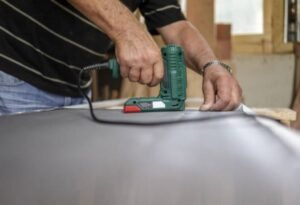
The success of stapling plastic depends not only on the plastic itself but also on the staple gun and the staples you use. A standard office stapler will not suffice. You need a dedicated tool, and the right staples for the job. Selecting the wrong staples or using the incorrect stapling method can cause damage to the plastic, such as cracking, splitting, or the staples pulling out. Proper selection of the tools and staples increases your chances of a durable and professional-looking result.
Types of Staple Guns for Plastic
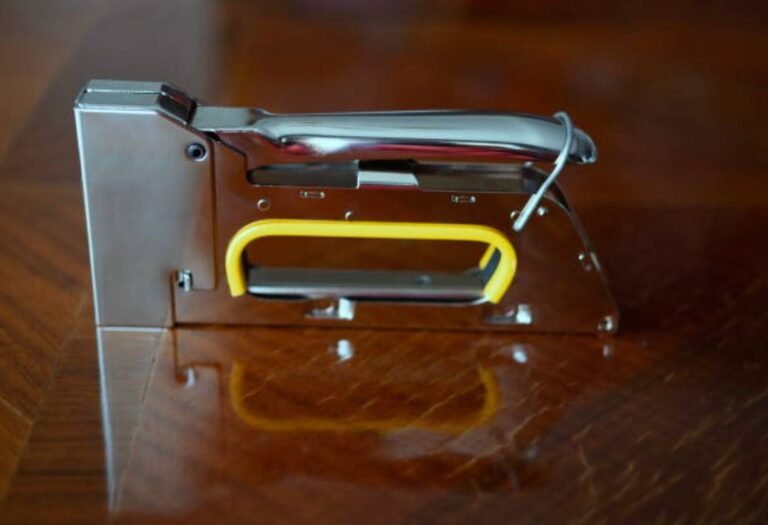
- Manual Staple Guns: These are affordable and portable, making them great for smaller projects and occasional use. You control the force with each squeeze of the handle. This can be an advantage when stapling plastic because you can adjust the power to avoid damage.Manual staple guns are suitable for many DIY projects and are easy to use. They give you tactile control. You can feel how the staple enters the material, reducing the risk of over-driving or damaging the plastic. Choose a manual staple gun with adjustable force. This feature will let you adjust the force to suit the plastic. With manual guns, you can easily control the depth of the staple, which is especially important for plastic.
- Electric Staple Guns: Electric models offer consistent power and can be faster than manual guns. They’re great for projects requiring many staples or thicker materials. However, their fixed force setting can be a disadvantage when stapling plastic, potentially causing over-penetration or damage.Electric staplers provide the benefit of consistent, fast stapling. They are suitable for large projects. But be cautious when using them on plastics. The set force may drive the staples too far, damaging the material. Always test the stapler on a scrap piece of plastic first. Look for electric models with adjustable force settings. This feature gives you some control to prevent damage to the plastic.
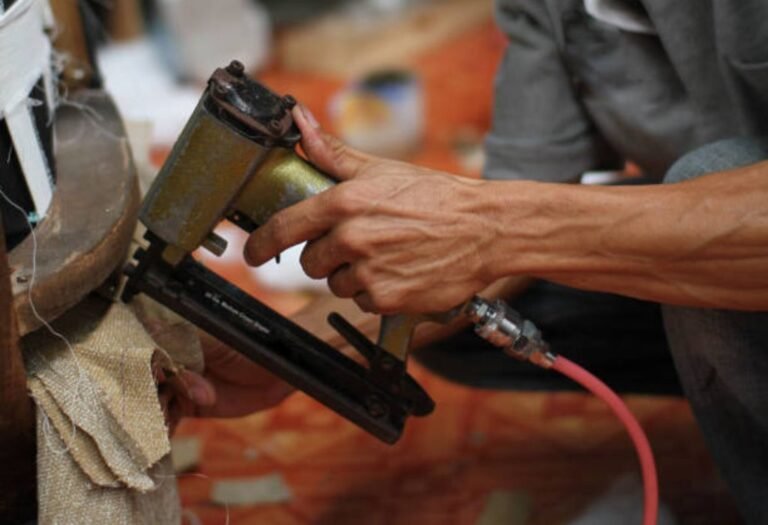
- Pneumatic Staple Guns: These use compressed air for high-volume, professional-grade stapling. Pneumatic guns are powerful and fast, but they can be overkill for plastic projects. They require an air compressor and might be too forceful, risking damage.Pneumatic staplers are designed for professional use and offer rapid stapling. Their high power makes them generally unsuitable for plastics. The force of the staple is too great. The user risks cracking or splitting the plastic. These tools are better suited for wood or other materials that can withstand high impact. In almost every situation, there are other methods of fastening for plastic. It’s a good idea to consider alternative tools and techniques to prevent damage.
Selecting the Right Staples for Plastic
- Staple Material: Use staples made from a material suitable for the plastic you’re working with. Steel staples are common but can rust in humid conditions. Stainless steel staples offer better corrosion resistance.When selecting staples for plastic, the material is crucial. Choose rust-resistant staples, especially when the project is in a wet or damp environment. Stainless steel staples offer more durability. Galvanized staples are also available. Always match the staple material to the plastic’s environment. This will help maintain the bond for longer.
- Staple Size and Leg Length: The length of the staple legs is a critical factor. They must be long enough to penetrate the plastic and provide a secure hold but not so long that they damage the other side.Staple size is important for stapling plastic. Use the proper size staple to provide a secure and damage-free connection. Measure the thickness of the plastic. The staples must be long enough to get a grip. They should not go through and out the other side. Test the staple length on a scrap piece before committing to the final project. This will help you identify the best size and avoid mistakes.
- Staple Type and Crown Width: There are various staple types: narrow crown, medium crown, and wide crown. The choice depends on the application. Narrow crown staples can minimize visibility, while wider crown staples offer more holding power but may be less aesthetically pleasing.Staple type impacts the look and stability of the project. Narrow crown staples are less visible. Wide crown staples offer more holding strength. Decide on the proper crown width for your project. Consider the aesthetic requirements. The right staple type helps to improve the appearance and durability of the fastened plastic. Choose the staple type that balances functionality and aesthetics.
Techniques for Successful Stapling of Plastic
Even with the right tools and materials, the technique is key. Without the proper approach, stapling plastic can easily result in frustrating failures. The following techniques can dramatically improve your chances of success and provide better results. By learning these methods, you can avoid common errors and improve the durability and appearance of your projects.
Pre-Drilling Holes
- Benefits of Pre-Drilling: Pre-drilling significantly reduces the risk of cracking or splitting the plastic. It creates a pilot hole, guiding the staple and reducing the force required for penetration. This is particularly important for rigid plastics like ABS.Pre-drilling is a simple but essential step in stapling plastic. By creating a small hole, you significantly reduce the chance of splitting or cracking. This is critical for rigid plastics. The pre-drilled hole gives the staple a clear path. The staple goes in straighter, with less force. Pre-drilling helps preserve the integrity of the plastic. It is a vital step in any plastic stapling project.
- Drill Bit Selection: Choose a drill bit slightly smaller than the staple legs. This provides a snug fit. This ensures the staple can securely grip the plastic. For most plastics, a 1/16-inch or 3/32-inch drill bit works well, but always test on a scrap piece first.Choose the proper drill bit. Use a bit that matches the size of the staples you are using. The pilot hole should be just big enough to guide the staple in. Selecting the proper drill bit keeps the staple securely in place. Using the right bit makes the entire process of stapling easier. Make sure the drill bit doesn’t damage the plastic. For most jobs, it is best to err on the side of a smaller hole. You can always slightly widen the hole if necessary.
- Drilling Procedure: Place the plastic on a stable surface and mark the staple locations. Use a drill press or hand drill to carefully create pilot holes at the marked spots. Ensure the drill bit is perpendicular to the plastic surface.Proper drilling ensures the staple goes in straight and true. Start with the correct location marks. Use a stable work surface. Whether you use a drill press or a hand drill, make sure to drill straight. Take your time to get the alignment just right. Make sure the pilot holes are perpendicular to the surface of the plastic. This approach prevents problems when you start stapling. It also results in a cleaner, more secure connection.
Stapling Technique
- Angle of Stapling: Angle the staple gun slightly. Avoid stapling straight down, as this can cause the staple to push through the plastic. Angling the staples can provide a more secure hold and spread the stress.The stapling angle affects the durability of the connection. By angling the staples, you improve the grip and reduce stress on the plastic. A slight angle gives the staples more grip and reduces the possibility of them pulling out. In short, avoid perpendicular stapling. Test the angle on a scrap piece of plastic to check the results. You will learn the best angle for the best outcome.
- Staple Gun Pressure: Use the right amount of pressure when activating the staple gun. Too much force can lead to splitting or cracking, especially with rigid plastics. Start with a low setting. Increase as needed to ensure the staple penetrates the plastic securely.Staple gun pressure is one of the most important things to control when working with plastic. Too much force can lead to significant damage. Start with a lower setting. Carefully apply the staples. Increase the force only as needed. Using the right amount of pressure is key to preventing problems like cracking or splitting. Make sure to test the pressure level on a scrap piece. You must find the balance between a secure hold and preventing damage.
- Staple Placement: Place staples at the right distance from the edge of the plastic. This prevents the plastic from splitting during the stapling process. If you are joining two pieces of plastic, stagger the staples for extra strength.Proper placement of the staples is vital for structural integrity and preventing splitting. Keep the staples at the right distance from the edges of the plastic. Staggering the staples when joining two pieces distributes the stress and strengthens the connection. It also minimizes the risk of failure. This technique adds to the durability and appearance of your projects.
Alternative Fastening Methods
Stapling isn’t always the best solution. Several other methods offer better results for certain types of plastic or specific applications. Choosing the right method depends on the type of plastic, the desired outcome, and the structural requirements of your project. Understanding these alternatives will broaden your options and improve the success of your fastening tasks.
Adhesives for Plastics
- Types of Adhesives: Epoxy adhesives offer a strong bond for many plastics. Cyanoacrylate (super glue) works well for smaller projects. Specific plastic adhesives are specially formulated for optimal adhesion.Adhesives provide a strong and reliable bonding option. Epoxy adhesives are great for strong bonds. Cyanoacrylate (super glue) is better for smaller repairs. Specialized plastic adhesives give the best results on many plastics. Consider the specific type of plastic you are using when you select the adhesive. These adhesives often perform better than staples, especially with flexible plastics that don’t hold staples well. They often create a more secure and lasting bond.
- Surface Preparation: Before applying adhesive, clean the plastic surfaces to remove dirt, grease, and other contaminants. Lightly roughening the surface with sandpaper can improve adhesion.Surface preparation is important for a strong bond. Clean surfaces guarantee that the adhesive comes into direct contact with the plastic. Remove any grease or contaminants that can prevent the bond. Lightly roughening the plastic’s surface with sandpaper improves adhesion. Take your time to prepare the plastic. This step is critical to achieving a long-lasting bond. Proper surface preparation guarantees that the adhesive can do its job.
- Application and Curing: Apply the adhesive according to the manufacturer’s instructions. Ensure the pieces are properly aligned and clamped until the adhesive cures.Carefully apply the adhesive according to the manufacturer’s recommendations. Make sure the pieces are aligned properly for the best results. Clamping the pieces together until the adhesive cures ensures a tight bond. The correct method helps to create a strong and reliable joint. Give the adhesive enough time to fully cure. Taking these extra steps increases the durability of your project. Always follow the manufacturer’s directions.
Screws and Rivets
- Using Screws: Screws offer a more robust fastening solution than staples, especially for thicker plastics. Pre-drilling is essential to prevent cracking. Use screws designed for plastic.Screws are a great choice when more holding power is needed. They provide a more robust fastening method than staples. When using screws, pre-drilling is a must. This prevents the plastic from cracking. Choose screws that are specifically for use with plastic. They often have special threads designed to grip plastic without damaging it. Screws are a better choice than staples for securing heavier objects. They are a better choice for projects that require a more durable connection.
- Rivets: Rivets provide a permanent and strong bond. They require specialized tools for installation. This method works well for joining plastic sheets and panels.Rivets are ideal for building permanent joints. They are particularly effective for joining plastic sheets and panels. To install rivets, you need specific tools. When properly installed, rivets create a strong, durable, and reliable connection. They are designed for applications where the bond must resist high stress or shear. The use of rivets often ensures a long-lasting and secure connection, making them a good option when stability is a high priority.
- Selecting the Right Fastener: The choice between screws and rivets depends on the specific needs of the project. Screws allow for disassembly, while rivets are permanent.Choose the method that suits your project’s demands. Screws provide the flexibility to disassemble and reassemble the parts. Rivets offer a permanent, secure bond. You should consider the project’s requirements. If the project may need future repairs or modifications, screws might be a better option. For applications that require a robust, permanent bond, rivets are the better choice. The best fastener should align with your project’s function, durability, and aesthetics.
Frequently Asked Questions
Question: Can I use any staple gun to staple into plastic?
Answer: Not necessarily. Manual staple guns are generally easier to control. Electric and pneumatic guns can be too forceful, potentially damaging the plastic. Choose a staple gun appropriate for the plastic type and thickness.
Question: What’s the best staple type for plastic?
Answer: The best staple type depends on the specific plastic and application. Narrow crown staples are less visible. Wider crown staples provide more holding power. Make sure the staple material is suitable for the environment and the plastic.
Question: Do I need to pre-drill holes when stapling plastic?
Answer: Yes. Pre-drilling holes is highly recommended for most plastics, particularly rigid ones. It reduces the risk of cracking or splitting. Pre-drilling allows the staple to penetrate the plastic more easily and securely.
Question: Can I staple into all types of plastic?
Answer: No. Some plastics, like polyethylene (PE) and polypropylene (PP), are generally not suitable for stapling due to their flexibility. Others, like ABS and PVC, may be stapled if the correct techniques and precautions are used.
Question: What should I do if the staples are not holding?
Answer: If the staples are not holding, the plastic might be unsuitable for stapling, or you may need to use longer staples or a different technique. Consider pre-drilling, using a different angle, or switching to an alternative fastening method, such as adhesive or screws.
Final Thoughts
So, can you staple gun staple into plastic? It’s a bit of a mixed bag! The answer is not always a straightforward yes or no. The feasibility and success of this depend heavily on several factors: the type of plastic, the staple gun, the type of staples, and your technique. Flexible plastics like PP and PE are tricky, often better suited for other fastening options. Rigid plastics like ABS and PVC may be suitable, provided you take care with pre-drilling and using the right amount of pressure. Remember, it’s always best to test on a scrap piece before committing to the main project. By evaluating the material, selecting the proper tools, and practicing the techniques, you can improve your chances of success. Armed with the right knowledge, you can confidently take on a range of DIY tasks involving plastic, saving yourself time and money while gaining valuable skills. Good luck, and happy stapling!

I’m Michael R. Turner, the founder, lead writer, and passionate DIY enthusiast behind 101diytools.com. With years of hands-on experience in home improvement and power tools, I built this platform to share practical tips, in-depth guides, and honest reviews to help DIYers of all skill levels tackle projects with confidence and the right tools.