Can a Staple Gun Be Used for Drywall? A Detailed Guide
Picture this: you’re finally ready to hang that picture you’ve been eyeing, or maybe you’re putting up some new trim. You grab your staple gun, ready to get the job done quickly. But wait. can you actually use it on drywall? You might be surprised at the answer! This post explores everything you need to know about using a staple gun on drywall, from the do’s and don’ts to alternatives and best practices. You’ll gain valuable knowledge that saves time, prevents mistakes, and helps you achieve professional-looking results. Get ready to enhance your DIY skills and ensure your projects are secure.
Key Takeaways
- Staple guns can sometimes be used on drywall, but it’s not always the best choice.
- Understanding the type of drywall and the staple gun’s power is essential.
- Nailing drywall is generally a better alternative for securing it.
- Using the wrong staples or applying too much force can cause damage.
- Knowing when a staple gun is suitable can prevent costly repairs.
- Always choose the right fasteners for the job to ensure durability.
Can a Staple Gun Go Into Drywall? Exploring the Possibilities
The question of whether a staple gun can be used on drywall is common, particularly for DIY enthusiasts. The answer, unfortunately, isn’t a simple yes or no. The suitability depends on various factors, including the type of drywall, the specific application, and the type of staple gun you have. While it is technically possible to use a staple gun to attach something to drywall, it’s not always the recommended method. The main issue is that drywall is relatively soft and brittle. Staples, unlike nails, don’t always offer a secure hold, especially under stress or weight. Using a staple gun might work for lightweight projects, but using the wrong approach could lead to damage, such as tearing the drywall paper or creating an unstable connection.
Drywall Basics: What You Need to Know
Drywall, also known as gypsum board or wallboard, is a construction material made of a core of gypsum plaster sandwiched between two sheets of paper. This design makes it a relatively lightweight and inexpensive option for interior walls and ceilings. The paper facing provides a smooth surface for painting or other finishes. However, the paper is also the weakest point, making it susceptible to tearing or damage if fasteners are not installed correctly. There are different types of drywall, including standard drywall, moisture-resistant drywall, and fire-resistant drywall. Each type has slightly different properties that affect how well it holds fasteners.
- Standard Drywall: This is the most common type, used for interior walls and ceilings. It’s relatively inexpensive but not water-resistant.
- Moisture-Resistant Drywall: Often called “green board,” this type is designed for areas with higher humidity, like bathrooms or basements. It has a water-resistant paper facing.
- Fire-Resistant Drywall: Commonly called “Type X” drywall, this is used in areas where fire resistance is needed, such as garages or around furnaces. It contains fiberglass to enhance its fire-stopping abilities.
- Thickness: Drywall comes in different thicknesses, usually 1/2 inch or 5/8 inch. Thicker drywall is more durable and offers better soundproofing.
Understanding the type of drywall you’re working with helps determine the best approach for fastening. For example, using a staple gun on moisture-resistant drywall might not be as problematic as it would be on standard drywall because of the denser paper facing.
Staple Guns: Types and Applications
Staple guns come in several varieties, each suited for different tasks. The type of staple gun impacts whether or not it’s suitable for drywall. Some staple guns are manual, requiring you to squeeze a handle to drive the staple. Others are electric, providing more power and consistent depth. Pneumatic staple guns, which use compressed air, are often used for professional projects and are generally the most powerful. Choosing the appropriate staple gun depends on the project’s requirements. For example, a light-duty staple gun might work for small craft projects, but a heavy-duty pneumatic gun is more suitable for construction work.
- Manual Staple Guns: These are hand-powered and typically used for lighter tasks like upholstery or crafts. The force is controlled by the user, making them less ideal for drywall.
- Electric Staple Guns: These offer more power than manual guns and can drive staples with greater consistency. Some models have adjustable depth settings.
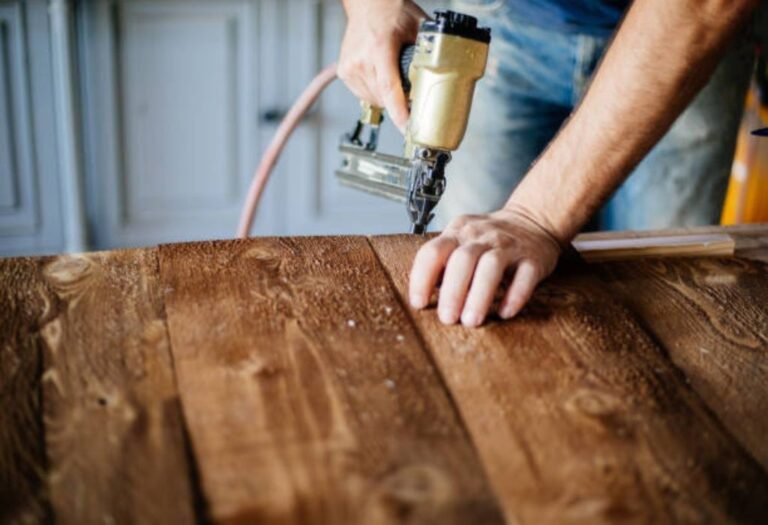
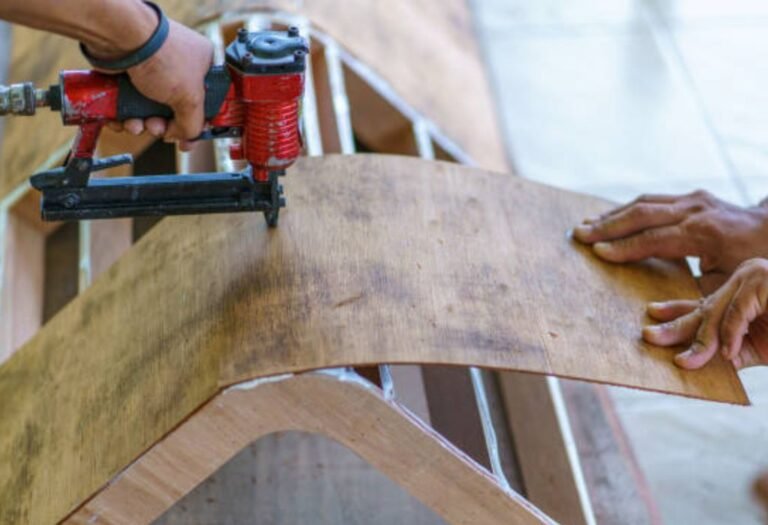
- Pneumatic Staple Guns: These use compressed air and offer the most power and speed. They are often used by professionals for framing, sheathing, and other construction tasks. The level of power is a factor when choosing between these guns.
- Crown Staples: These have a wider crown and a greater holding surface, which can provide more stability.
- T-Staples: These are long, thin staples that provide exceptional holding strength in woodworking projects.
The choice of staple gun type impacts the potential for damage to the drywall. Overpowering your tool increases the risk of damaging the drywall or causing the staples to not hold correctly. Using the correct staple size and type is critical to the longevity of the project.
Best Practices: When a Staple Gun Is Acceptable
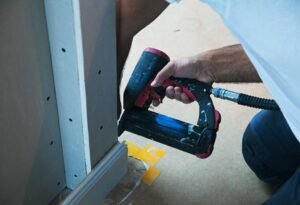
In limited situations, a staple gun can be suitable for working with drywall, primarily for tasks where a secure hold isn’t crucial. The types of applications should be considered when deciding on whether to use a staple gun. Lightweight items, like attaching paper or fabric to the surface, are the best use cases for stapling to drywall. Using the right techniques and materials is also necessary to prevent problems.
Lightweight Tasks and Decor
For hanging lightweight items on drywall, a staple gun might be appropriate. This is because the load on the staples is minimal, reducing the risk of tearing the drywall. It is generally okay to use a staple gun for attaching things like lightweight posters, temporary decorations, or fabrics used for craft projects. It is best to avoid hanging heavier objects, such as mirrors or shelves, using staples. These items require a stronger, more secure attachment method, like screws or nails. It’s essential to consider the weight and intended use of the items before choosing a fastening method. If the item is lightweight and the attachment is temporary, staples might work. If the item is heavier or the attachment needs to be long-lasting, consider an alternative.
- Temporary Decorations: Staples can be useful for attaching seasonal decorations like streamers or banners.
- Fabric Projects: If you are working with fabrics, like attaching them to a temporary backing, staples could be adequate.
- Lightweight Posters: Posters that will not experience substantial forces can be stapled.
Be cautious and check the stability of the items before fully relying on staples. You should check periodically to see if the staples are staying securely in place, and adjust or use an alternative if needed.
Using the Right Staples and Techniques
Even when a staple gun is suitable for a project, using the correct staples and techniques is essential. The staple size should be appropriate for the drywall thickness. Using staples that are too long can puncture through the drywall and make the connection less secure. Using staples that are too short may not provide adequate holding power. It is important to avoid over-stapling, as this can weaken the drywall. Instead, space staples appropriately to distribute the load and minimize damage to the paper facing. It is also important to consider the angle at which you are stapling. Driving staples straight into the drywall offers the best holding strength. Angle the staple slightly, but not excessively, for a more secure connection.
- Staple Length: The staple length should be slightly longer than the drywall thickness.
- Spacing: Space staples evenly, typically every 4-6 inches.
- Angle of Entry: Drive staples perpendicular to the drywall for maximum hold.
Always test on a hidden area or scrap piece of drywall before starting the main project to ensure the chosen staples and techniques are suitable. This will help you get an idea of the staple depth, and it will prevent potential problems. Inspecting your work periodically will alert you to any problems. If staples start to loosen,
Alternatives: Choosing the Right Fasteners
While a staple gun can be used on drywall, alternatives often provide a more secure and reliable attachment. Nails and screws offer much stronger holding power and are less likely to cause damage. The choice of fasteners depends on the specific project, the weight of the items being attached, and the desired level of durability. Knowing the strengths and weaknesses of each option can help you decide on the best choice.
Nails vs. Screws
Nails and screws are the most common alternatives to staples for attaching things to drywall. Nails provide a quick and easy fastening solution, especially for tasks like attaching trim or molding. They are less expensive than screws and require less effort to install. However, nails might not hold as securely as screws, particularly under stress or movement. Screws, on the other hand, provide a much more secure and durable connection. Screws come in different types and sizes, and they are designed to grip the drywall firmly. This makes them ideal for heavier items, or where a long-lasting and strong attachment is needed.
- Nails: Nails are typically used for lighter items and trim. They are installed quickly, but their holding power is less than screws.
- Screws: Screws are the preferred option for heavier items and applications requiring a secure connection. They offer excellent holding power and resist movement.
- Drywall Nails: These have a special head and are specifically made for drywall.
- Drywall Screws: These offer a more secure hold than nails, especially for heavier items. They’re designed to countersink into the drywall.
The choice between nails and screws depends on the specific project requirements. For example, if you’re attaching a light picture frame, nails might be sufficient. If you’re installing a shelf, screws are a better choice. The holding power of screws makes them suitable for nearly all projects.
Using Anchors for Increased Holding Power
When you need to attach something to drywall that is too heavy for nails or screws alone, drywall anchors provide an extra layer of security. Anchors are designed to grip the drywall from behind, preventing the fastener from pulling out. The use of the anchor increases the surface area of the attachment, which reduces the chance of damaging the drywall. Different types of anchors are available, each designed for different weight capacities and applications. Selecting the appropriate anchor depends on the weight of the item being attached and the type of drywall you have. Using anchors properly ensures a secure, long-lasting attachment and is important for preventing damage.
- Plastic Anchors: These are inexpensive and work well for lighter items. They are inserted into a pre-drilled hole and the screw expands the anchor.
- Toggle Bolts: These are ideal for heavier items, as they spread the weight across a larger area. They are often used for hanging shelves.
- Self-Drilling Anchors: These can be installed directly into the drywall without pre-drilling. They’re great for quick installations and provide a secure hold.
- Expansion Anchors: These expand when the screw is tightened, gripping the drywall from the inside. They are suitable for medium-weight items.
Using anchors is always recommended when you attach objects that are likely to be moved, and will be subjected to stresses over time. Proper selection of anchors and correct installation is essential for achieving a secure and lasting connection. If you are uncertain about selecting an anchor, consult a home improvement expert.
Potential Issues: Avoiding Drywall Damage
Using a staple gun on drywall can cause several problems, and knowing what these are helps to avoid costly repairs. Over-stapling, using the wrong staple type or size, or applying too much force are common mistakes that can lead to significant damage. Taking the time to understand the potential pitfalls and how to avoid them is essential for any DIY project. The most common issues include tearing the drywall paper, creating loose connections, and compromising the structural integrity of the wall. Being aware of the problems can save time, money, and frustration.
Tearing the Drywall Paper
One of the most common issues with using a staple gun on drywall is tearing the paper facing. Drywall’s paper facing provides a smooth surface for finishing but is also the weakest point. When a staple is driven into the drywall, the force can rip the paper, especially if the staple is too long, the staple gun has too much power, or the drywall is thin. Once the paper is torn, the drywall loses its structural integrity. The item being attached may become loose, or the repair may require patching. To prevent tearing, always select the correct staple size, adjust the depth setting on your staple gun, and avoid applying excessive force. If you notice tearing, consider switching to an alternative fastening method, like nails or screws.
- Using the Correct Staple Length: The staple should be only slightly longer than the drywall thickness.
- Adjusting the Staple Gun’s Depth Setting: Adjust the depth to ensure the staple doesn’t go too deep.
- Pre-drilling: Pre-drilling can reduce the risk of tearing.
By taking these steps, you can help to minimize the risk of tearing the drywall paper and ensure a more secure and durable attachment. Always assess the drywall condition before beginning the project.
Loose Connections
Another potential problem is creating loose connections. Even if the staple doesn’t tear the paper, it may not hold securely, especially under stress or with the added weight. Over time, the staples may loosen, causing the item attached to the wall to become unstable. Loose connections are more likely if the item is heavy or if the drywall is subject to vibration or movement. Using the wrong staple type or applying insufficient force can also cause this problem. To avoid loose connections, use the correct fastener for the project, consider adding drywall anchors, and ensure the staples are driven firmly and securely. Regular inspection of the attached items will alert you to any problems. If you notice any movement or instability, consider using a different fastening method for increased security.
- Checking for Stability: Gently test the attached item to ensure it’s secure.
- Inspecting Staples: Ensure the staples are fully seated and not protruding.
- Using the Right Fastener: For heavier items, consider screws or drywall anchors.
The integrity of the connection will influence the longevity of your project. Choosing the right fasteners and techniques will ensure the success of your work.
Frequently Asked Questions
Question: Is it okay to use a staple gun to attach crown molding to drywall?
Answer: It’s generally not recommended. Crown molding is typically heavier and requires a more secure attachment. Nails or screws are better options as they offer superior holding power.
Question: Can I use a staple gun to hang pictures on drywall?
Answer: It depends on the picture’s weight. For very lightweight pictures, a staple gun might work, but you should use picture hanging hooks or screws for anything heavier to ensure a secure hold.
Question: How do I fix drywall if I accidentally tear the paper when using a staple gun?
Answer: You can use drywall repair tape and joint compound to patch the area. The hole must be filled and smoothed out before painting. For larger damage, it might be better to replace the section of drywall.
Question: What’s the best staple gun for working with drywall?
Answer: For the limited situations where a staple gun is suitable, an electric staple gun with adjustable depth settings would be best, but the holding strength of staples compared to other fasteners is a limiting factor.
Question: Are there any situations where a staple gun is definitely the right choice for drywall?
Answer: Yes, for temporary attachments of lightweight materials like paper or fabric during craft projects, a staple gun can be a suitable option. However, for anything load-bearing, you should choose a more robust fastening method.
Final Thoughts
The question of whether a staple gun can go into drywall doesn’t always have a clear answer. While technically possible in some situations, it’s not always the best solution. Understanding the nuances of drywall, the types of staple guns, and the proper techniques is essential for making an informed decision. For lightweight projects and temporary applications, a staple gun may suffice, provided you use the right staples and are careful about the depth and force. However, for anything requiring a secure, long-lasting hold, like hanging shelves or heavy objects, alternatives like nails, screws, and drywall anchors are far superior. Considering the weight of the items, the type of drywall, and the potential for damage will help you choose the best approach for each project. Remember, choosing the right fasteners not only ensures the success of your DIY endeavors but also protects your drywall from unnecessary damage and ensures your projects are durable. It all comes down to using the right tools and techniques for the task at hand!

I’m Michael R. Turner, the founder, lead writer, and passionate DIY enthusiast behind 101diytools.com. With years of hands-on experience in home improvement and power tools, I built this platform to share practical tips, in-depth guides, and honest reviews to help DIYers of all skill levels tackle projects with confidence and the right tools.